

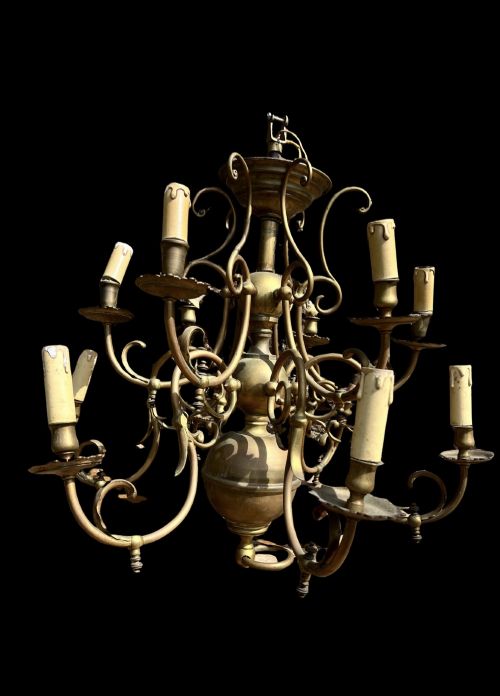


Antique Dutch Brass Lighting
These antique dutch brass lighting pieces bring solid metalwork and warm historic glow into a room.
Antique Dutch Brass Lighting
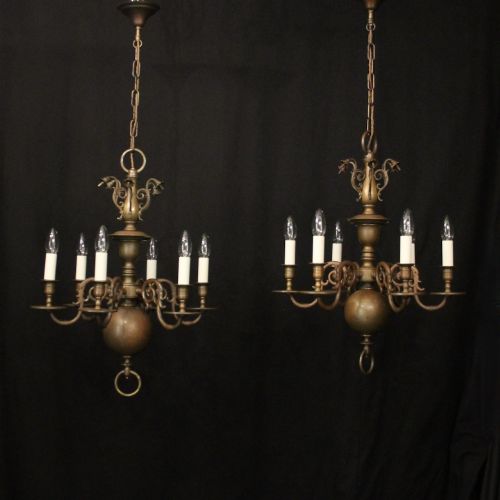
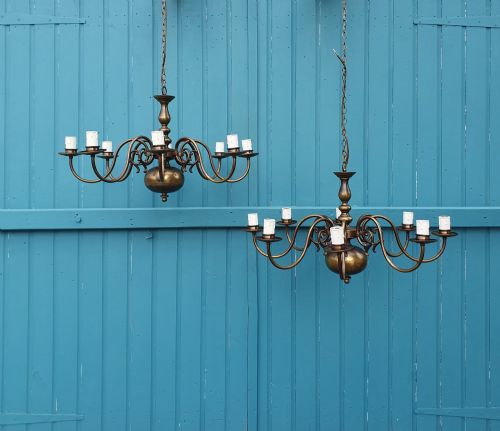
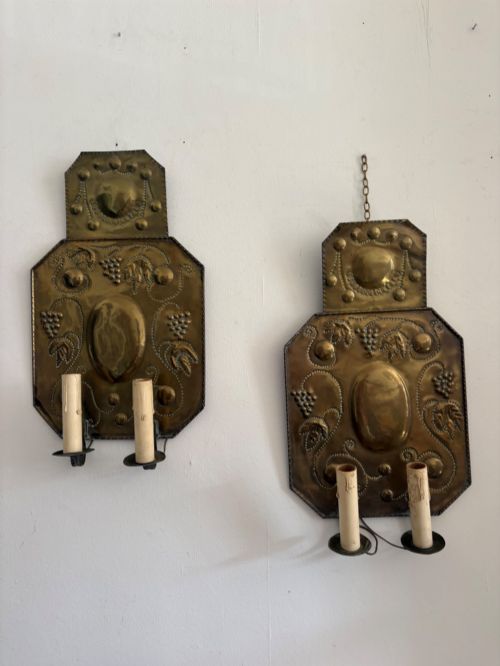
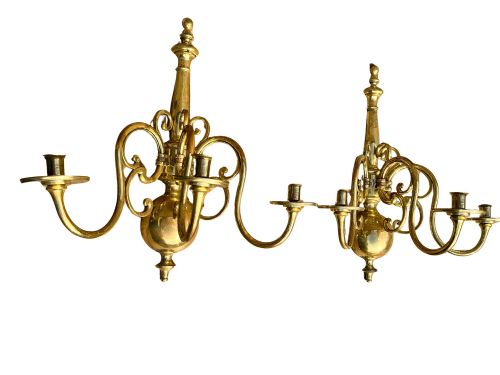
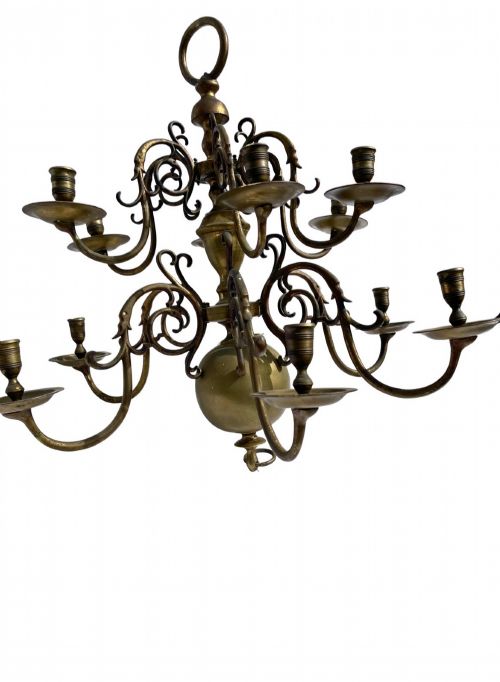
When you search for antique dutch brass lighting, you encounter metal chandeliers, wall sconces, candlesticks, and table lamps spanning several centuries. The selection ranges from early pricket sticks of the seventeenth century to multi-branched chandeliers and repoussé wall lights from the nineteenth and early twentieth centuries.
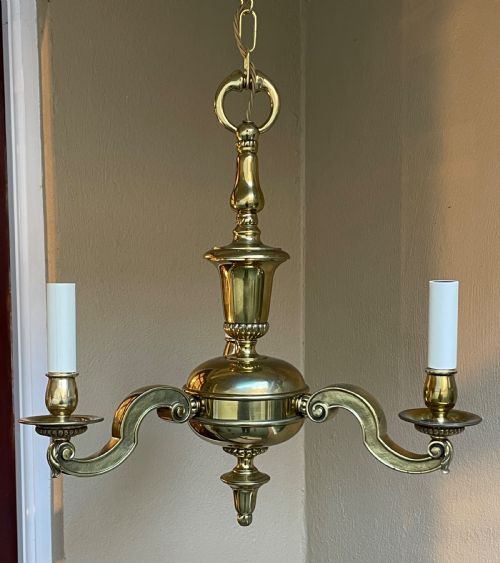
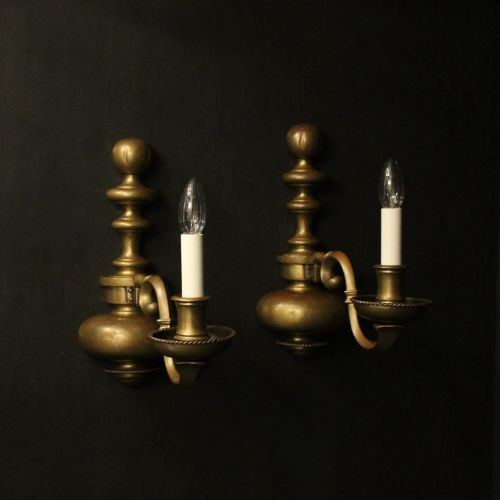
Chandeliers and wall sconces dominate the options, often featuring multiple scrolled arms or cast branches designed to hold numerous candles or later converted gas and electric fittings. Candlesticks provide a more intimate form, utilising solid brass construction and distinct drip pans.
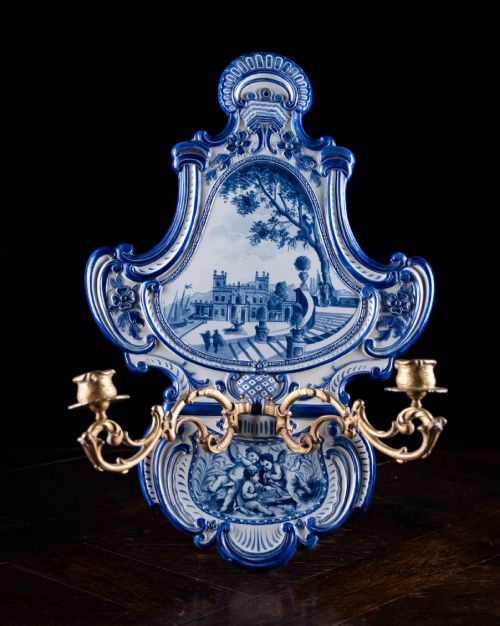
The objects cross various stylistic revivals, including Dutch Baroque, Flemish designs, and Amsterdam School interpretations. Ceramic elements such as Delft earthenware and porcelain frequently appear combined with the metalwork.
How they were made
Makers utilised solid brass, cast brass, and bronze, often hammering sheet metal to create repoussé wall sconces and embossed chambersticks. Wrought iron and patinated copper appear alongside these copper-alloy forms to build structural support and surface contrast.
Components were cast in sections and joined, while ceramic bodies like Delft vases were integrated into lamp bodies with ormolu mounts. Surface finishes vary from bright polished metal to dark patinated copper and silver plating.
Several pricket candlesticks date back to an era when candles were spiked onto metal points rather than dropped neatly into sockets.
What varies in quality
The distinction between ordinary and exceptional pieces lies in the crispness of the casting and the weight of the metal. Heavier solid brass constructions with deep, detailed repoussé work represent superior craftsmanship compared to lighter, plain later iterations.
Proportion and structural integrity define the better items, where arms remain balanced and original components stay intact without excessive modern replacement parts. The integration of auxiliary materials like Delft pottery also influences the overall cohesion of the design.
The Antique Dutch Brass Lighting Glossary
- Heemskerk candlestick
- A heavy seventeenth-century brass candlestick type featuring a central drip pan or collar on the stem. These form an early baseline for domestic metal lighting.
- Pricket candlestick
- A candlestick style that uses an upward-pointing metal spike to impale the base of a candle rather than a socket to hold it. This design appears frequently in seventeenth-century Low Countries examples.
- Repoussé
- A metalworking technique where the artisan hammers the metal from the reverse side to form a raised design on the front. It creates tactile surface relief on wall sconces and mirror frames.
- Chamberstick
- A short portable candlestick fitted with a flat pan and a handle for carrying through a house. They provide light for navigating dark hallways in earlier centuries.
- Amsterdam School
- An early twentieth-century architectural and design movement known for expressive forms and unusual combinations of brass, iron, and copper. Pieces from this group emphasise tactile surfaces and structural rhythm.
Antique Dutch Brass Lighting: Frequently Asked Questions
How do I date an antique brass chandelier?
Dating relies on arm count, construction methods, and stylistic cues such as Dutch Baroque curves or Amsterdam School geometry. Examining the casting seams and metal composition helps separate seventeenth-century examples from twentieth-century revivals.
Heavier components and hand-finished details generally point towards earlier production dates, whereas standardised fixings suggest later Edwardian or interwar manufacturing periods.
Were these chandeliers converted to electricity?
Many surviving chandeliers and wall lights underwent conversion from candles or gas to electric wiring during the twentieth century. This adaptation allows them to function safely in modern domestic settings while retaining their original metal frames.
Some retain older gasoliere fittings or pricket spikes, requiring careful inspection of the sockets to understand their operational history.
What is a Heemskerk candlestick?
A Heemskerk candlestick is a distinct seventeenth-century brass lighting form characterised by a prominent drip ring situated midway up the stem. These sturdy pieces originated in the Low Countries and represent early domestic metalware.
Collectors prize them for their sculptural silhouette and survivability over four centuries.
How should I clean antique brass lighting?
Preserving the historic surface involves gentle dusting with a soft cloth rather than aggressive polishing. Retaining the dark or warm patination built up over decades maintains the visual character of the metal.
Avoid abrasive chemical cleaners that strip away the aged skin accumulated since the seventeenth, eighteenth, or nineteenth centuries.