



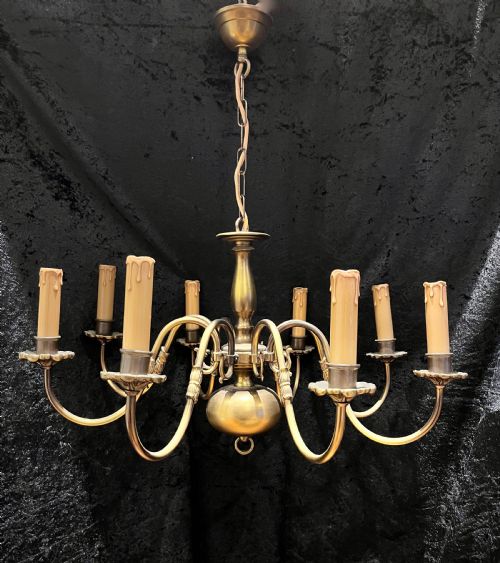
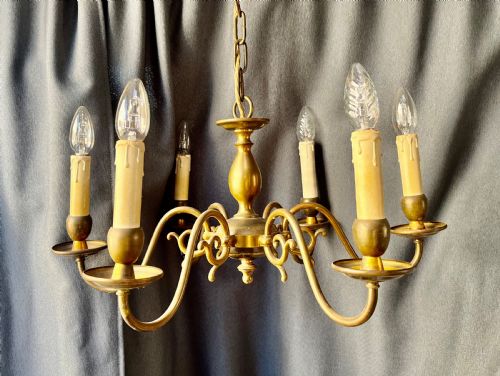
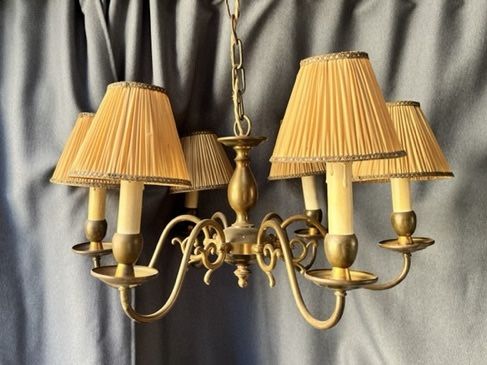
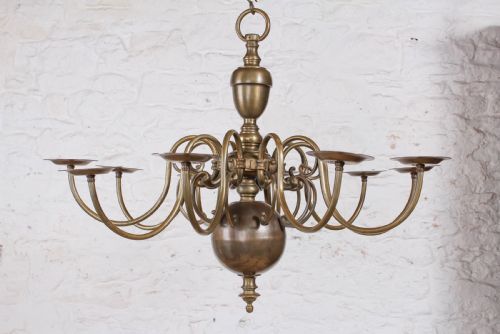


Dutch Brass Light Fixture
A dutch brass light fixture brings warmth and history to a room through heavy metalwork and sweeping multi-arm forms.
Dutch Brass Light Fixture
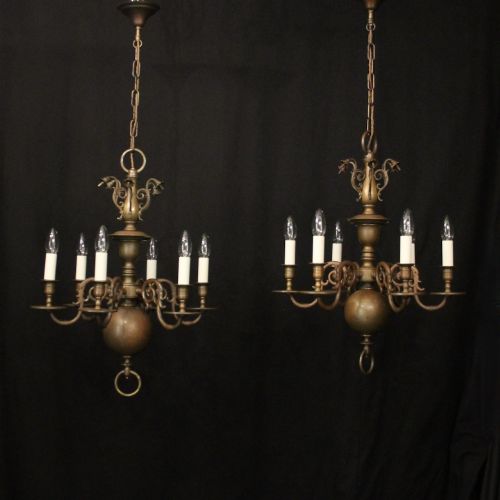
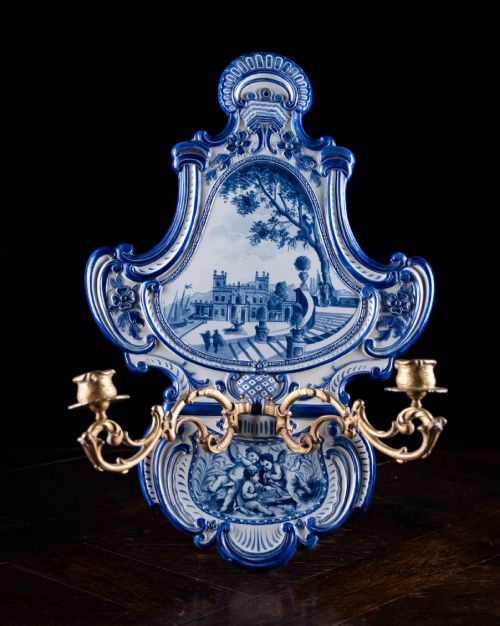
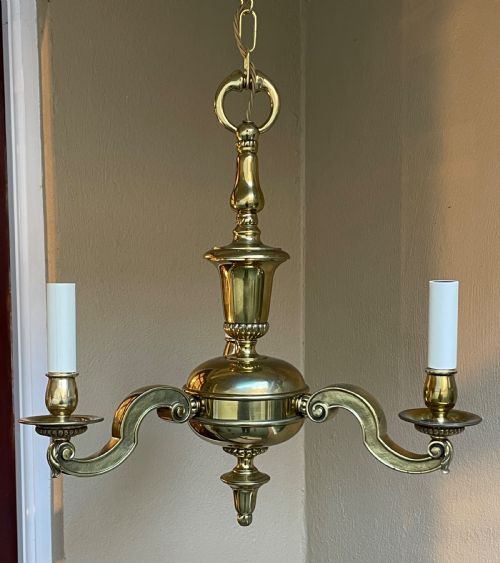
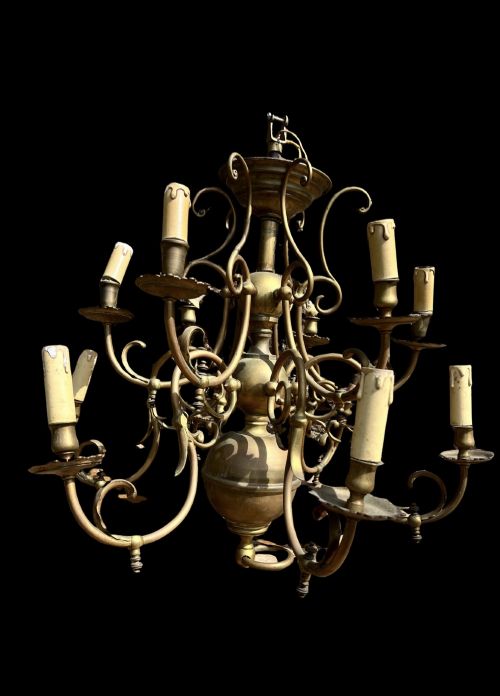
A dutch brass light fixture represents a distinct category of interior metalwork built around chandeliers and wall sconces. When searching for a dutch brass light fixture, buyers typically encounter multi-arm configurations produced across the nineteenth and early twentieth centuries alongside earlier revival interpretations.
The selections span grand twelve-branch creations down to smaller six-light pendants and single sconces. These items reflect traditional forms originally designed for candle or gas lighting before later conversion to electricity.
Originating from or styled after Low Countries traditions, these fixtures utilise robust metallic construction. They anchor a space with distinct historical character drawn from Dutch Baroque, Flemish Renaissance, and later revival movements.
How they were made
Makers constructed these pieces primarily from cast brass, solid brass, and copper, occasionally incorporating bronze, ormolu, ceramic, and glass elements. Metalworkers cast structural branches and central stems before hand-finishing and assembling the components.
Some examples feature silver plating over the base metal or combine brass with ceramic elements such as delft components. Scroll arms and multi-tier formations required precise foundry work to ensure balance and structural integrity across heavy hanging frames.
Some solid brass chandeliers hide secret internal channels once used to feed gas up to the flickering burners.
What varies in quality
Quality in these pieces rests upon the crispness of the casting work and the weight of the metal utilised in the arms and central body. Finer examples display deeply chased surface details and well-balanced proportions across multiple tiers of branches.
Subtleties in the joinery and the purity of the brass alloy distinguish superior workshops from standard production. The integrity of original fixings and the harmonious integration of secondary materials like glass or ceramic also elevate the standing of a piece.
The Dutch Brass Light Fixture Glossary
- Ormolu
- Gilded bronze or brass applied to decorative mounts and decorative fittings. This technique gives metallic surfaces a rich golden finish that resists tarnishing.
- Chandelier
- A branched ornamental light fixture suspended from the ceiling. These objects hold multiple candles or electric bulbs across symmetrical tiers.
- Wall Sconce
- A decorative light fixture fixed directly to a vertical wall surface. They project outwards to illuminate hallways and living spaces.
- Delft
- Tin-glazed earthenware originating from the Netherlands, recognised by its blue and white palette. It occasionally appears integrated into lighting fixtures.
- Flemish Renaissance
- A design style characterised by ornate scrollwork, robust proportions, and heavy architectural influence. This aesthetic heavily informs many antique brass chandeliers.
Dutch Brass Light Fixture: Frequently Asked Questions
How do I clean an antique brass chandelier?
Dust the metal gently with a soft dry cloth to prevent the accumulation of grime on the scroll arms. Avoid harsh chemical polishes that strip away the aged patina built up over decades.
For stubborn residue, use a mild soapy solution on a damp cloth and dry the surface immediately. Take care around any integrated ceramic or glass components during the cleaning process.
Can these chandeliers be wired for modern electricity?
Many of these fixtures have already been converted from candles or gas to accept modern electrical wiring. A qualified electrician can safely run internal cables through the hollow brass stems and arms.
Ensure that the weight of the fixture is properly supported by ceiling joists rather than plaster alone. Professional installation guarantees both safety and correct alignment for heavier multi-branch models.
What is the difference between Dutch and Flemish styles?
Dutch lighting styles frequently emphasise restrained geometric balance alongside polished brass surfaces and traditional ball or pendant bottom weights. They reflect domestic mercantile interiors of the seventeenth and eighteenth centuries.
Flemish designs lean towards heavier scrollwork, more robust cast brass bodies, and pronounced architectural detailing. Both traditions share a heavy reliance on multi-arm branch configurations.
How do I determine the period of a brass light fixture?
Examine the casting quality, fastening methods, and material combinations to understand the likely date of manufacture. Hand-filed joints and heavier cast components often point towards nineteenth-century production or earlier.
Revival pieces from the Edwardian era and the early twentieth century frequently emulate eighteenth-century forms but utilise slightly different assembly techniques. Compare the wiring ports and surface wear against known period examples.