
Antique Drop Handle Chest
An antique drop handle chest brings practical storage and centuries of cabinet-making skill into a room, offering rich timber surfaces and authentic period drop handles.
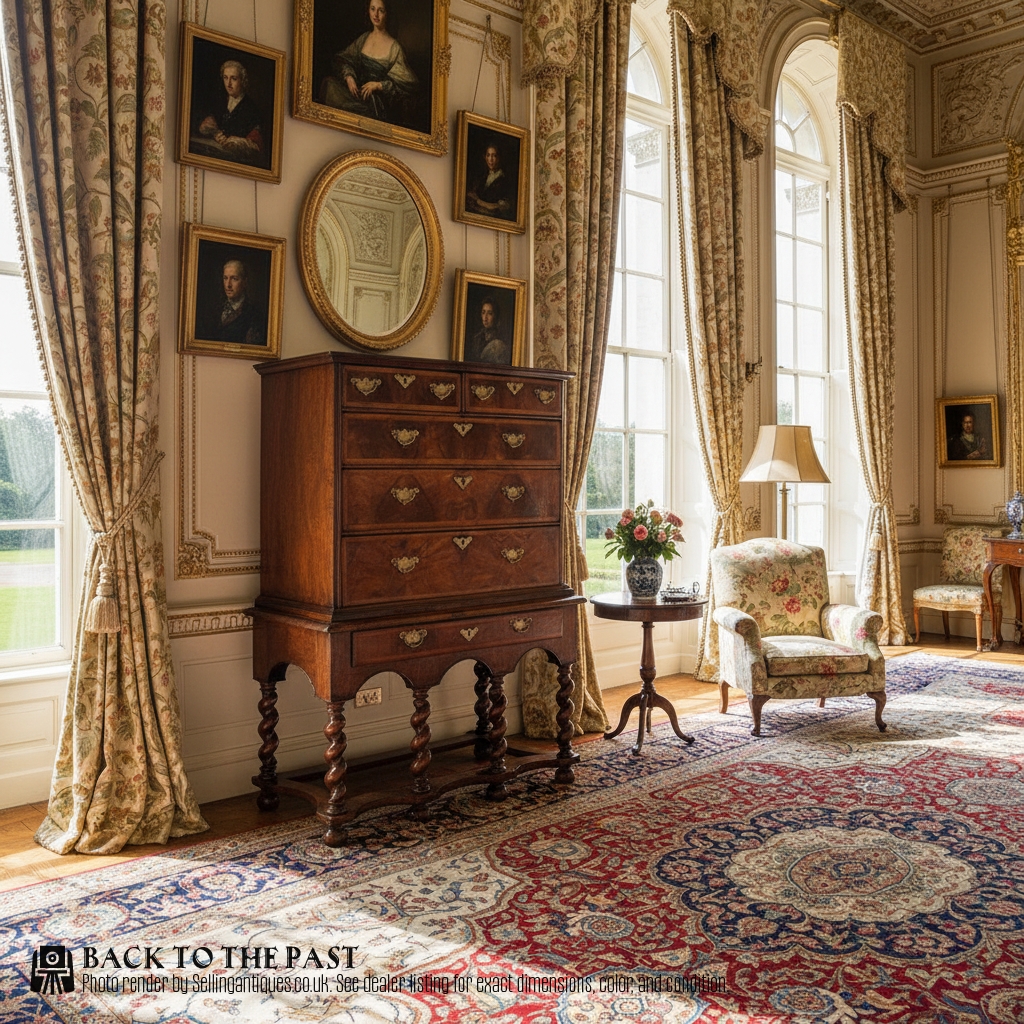
Antique Drop Handle Chest
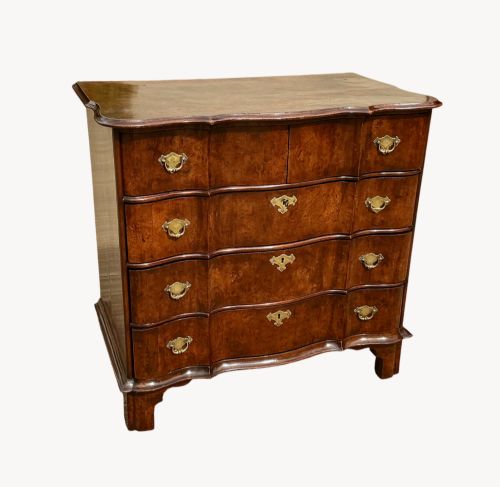
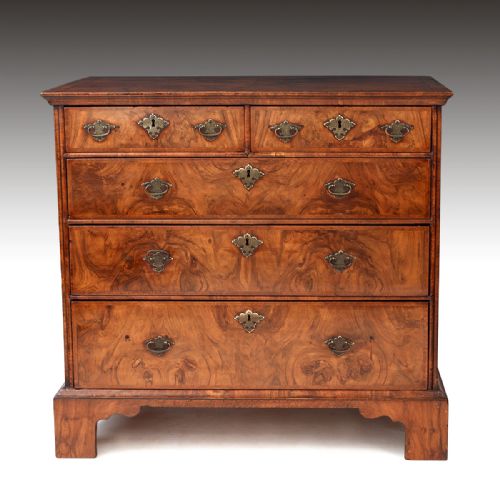
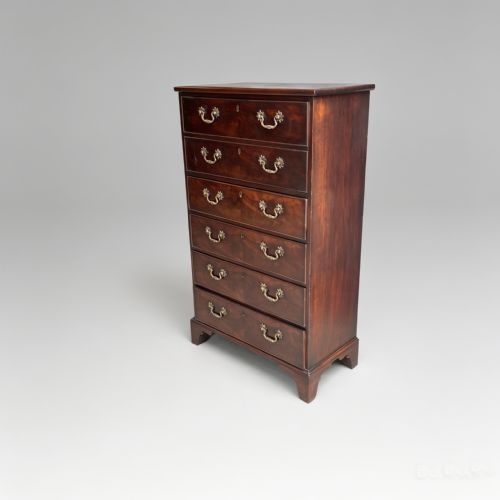
The antique drop handle chest category spans substantial storage forms designed to house clothing, linens, and personal papers across multiple centuries of domestic life. Buyers exploring this selection will encounter varied formats including standard chests of drawers, tallboys, chests on stands, and bureaus.
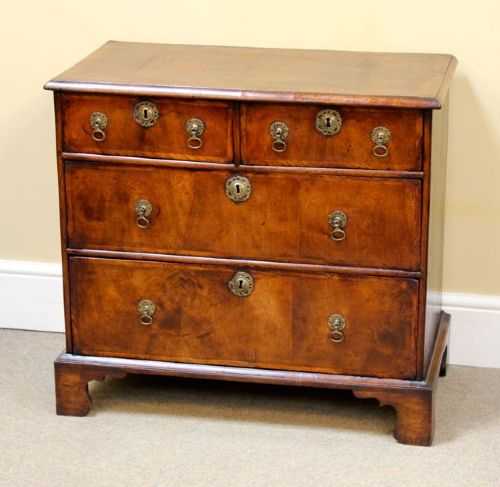
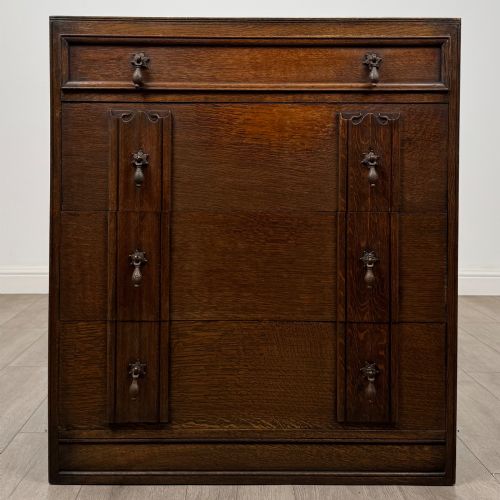
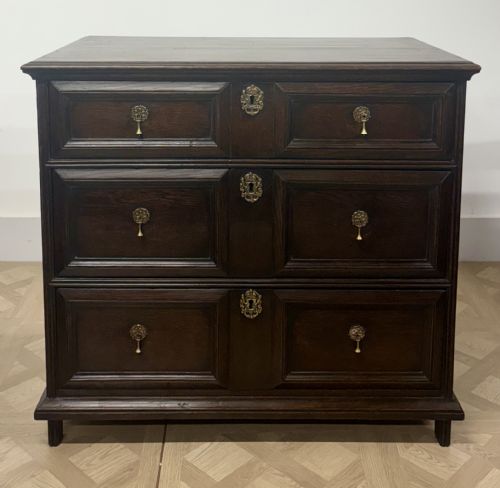
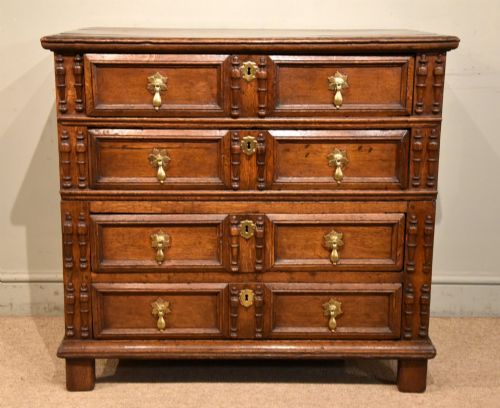
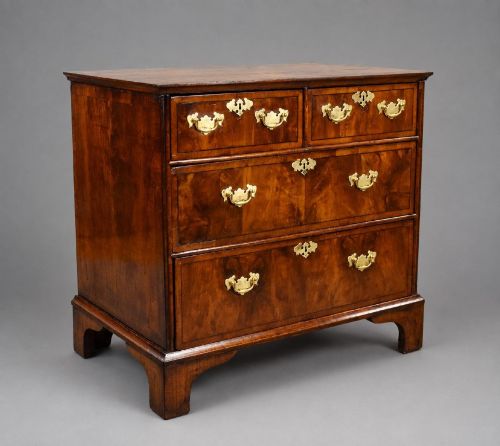
The prevailing examples on this page are firmly rooted in earlier periods, with oak and walnut dominating the inventory from the seventeenth and eighteenth centuries. These pieces reflect the evolution of domestic joinery, transitioning from heavy jointed oak constructions to finely veneered walnut and mahogany designs.
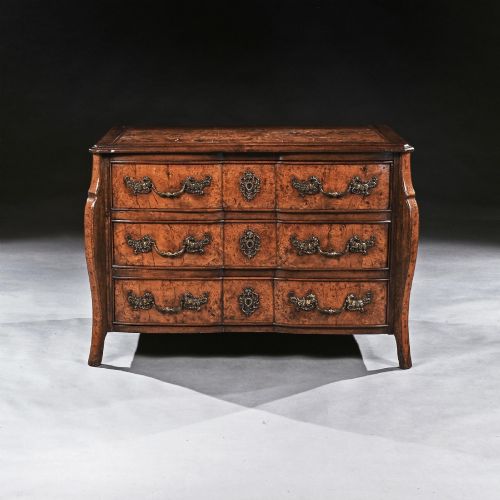
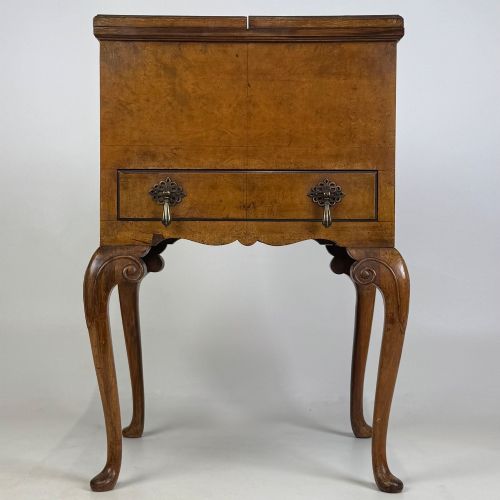
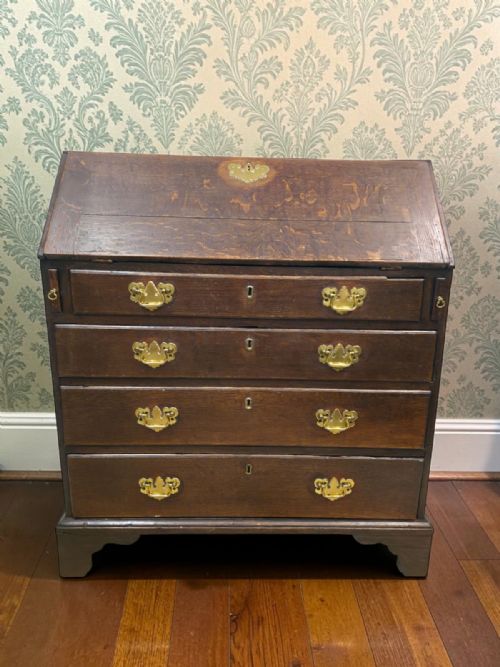
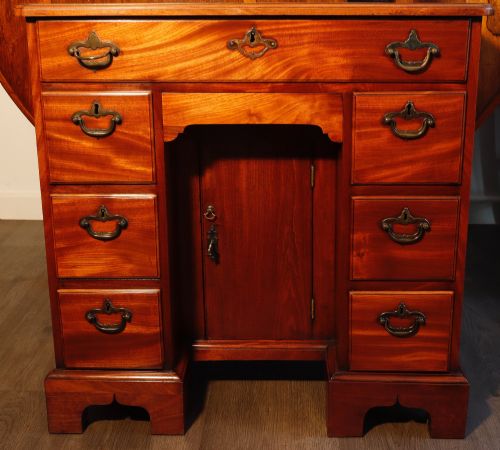
Beyond standard drawer units, the selection incorporates specialised variations like dressing tables, commodes, and writing desks sharing the characteristic drop handle configuration. Each piece demonstrates how period furniture makers solved daily storage needs through practical compartment layouts and sturdy timber construction.
Materials and construction methods
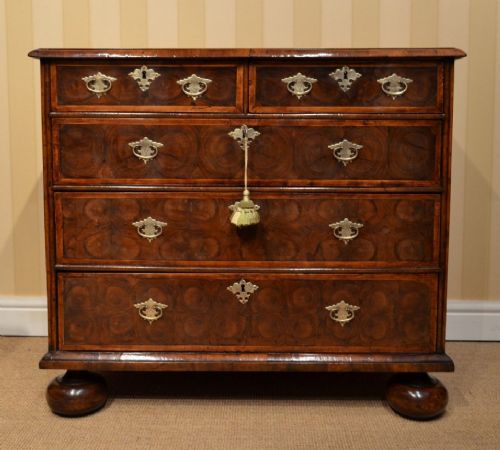
Cabinet-makers relied heavily on native hardwoods such as oak for early seventeenth-century carcasses, shifting toward rich decorative veneers like walnut, burr walnut, and oyster veneer as tastes evolved. Mahogany and cherry wood appear frequently in later Georgian and Victorian interpretations.
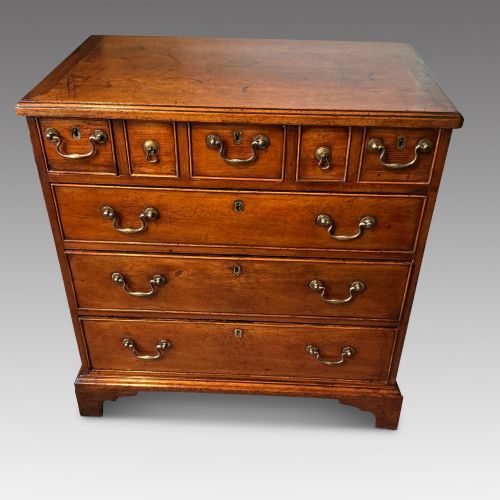
Construction relied upon traditional joinery techniques, including dovetail joints for drawer construction and pegged mortise and tenon frames for carcase assembly. Drop handles were secured with pins or nuts through the drawer fronts, suspending movable metal pulls from backplates.
Early craftsmen sometimes utilised branch cross-sections simply because oyster shells inspired them, resulting in centuries of mesmerizing wooden patterns.
Judging the quality of execution
Quality rests in the handling of timber, from the careful matching of figured veneers to the integrity of the solid primary wood underneath. Finer examples display meticulous grain continuity across drawer fronts and harmonious proportions that balance the chest's depth against its height.
The refinement of the hardware and secondary joinery separates standard domestic items from superior workshops. Original drop handles, well-fitted drawer linings, and crisp geometric mouldings indicate higher levels of craftsmanship and better preservation over the centuries.
The Antique Drop Handle Chest Glossary
- Drop handle
- A type of furniture pull consisting of a suspended metal loop or pendant hanging from a fixed backplate. This hardware style predominates on pieces produced during the seventeenth and eighteenth centuries.
- Oyster veneer
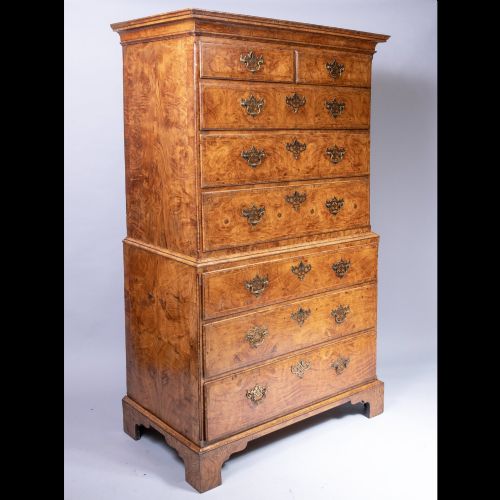
- Slices cut transversely from small branches or roots to create circular or oval patterns resembling oyster shells. This decorative technique appears on late seventeenth-century surfaces.
- Tallboy
- A tall chest of drawers made in two stacked sections, often combining a chest on chest or a chest on a stand format. This form maximised vertical storage space in period bedchambers.
- Geometric moulding
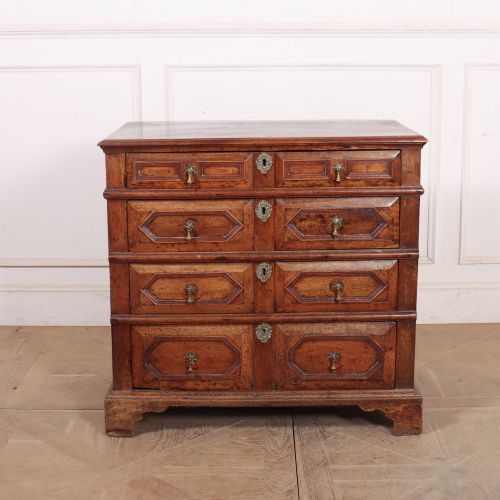
- Raised wooden profiling applied in rectilinear or repeating geometric patterns onto drawer fronts and carcases. This detail characterises seventeenth-century joinery, particularly on oak pieces.
- Chinoiserie
- European imitation and adaptation of Chinese artistic motifs, frequently executed in japanned lacquer finishes on eighteenth-century furniture.
Antique Drop Handle Chest: Frequently Asked Questions
How do I date an antique drop handle chest?
Dating relies on examining construction methods, timber choices, and hardware styles across the piece. Dovetails, secondary woods, and the profile of the mouldings provide reliable chronological markers.
Early pieces utilise solid oak with hand-cut joinery, while later examples incorporate veneered surfaces on pine or mahogany carcases. Comparing the handle fixings and drawer construction helps confirm the period.
Were drop handles always made of brass?
Brass served as the primary metal for drop handles due to its workability and resistance to corrosion. Makers cast or stamped the backplates and loops into various decorative shapes.
While brass dominated, some regional or utilitarian pieces utilised iron hardware. The metal patination develops naturally over centuries of handling.
Where should I place a chest in my home?
These chests function effectively in bedrooms, hallways, and living spaces as statement storage furniture. Their modest depths allow them to fit along standard passage walls without obstructing movement.
Keep wooden chests away from direct heat sources and strong sunlight to protect the fragile veneers and aged finishes. Regular wax polishing preserves the timber's natural moisture balance.
What is the difference between a commode and a chest?
The term commode frequently denotes a lower, more decorative cabinet or chest derived from French furniture styles. Standard chests of drawers generally emphasise vertical storage capacity for domestic linens.
Both forms utilise drop handles, but commodes often feature serpentine fronts or sophisticated veneer work intended for principal entertaining rooms.