



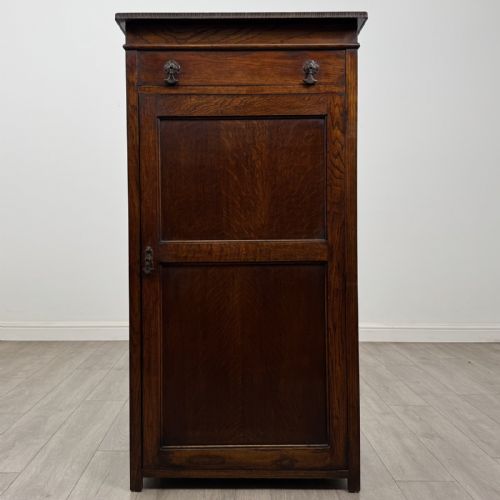
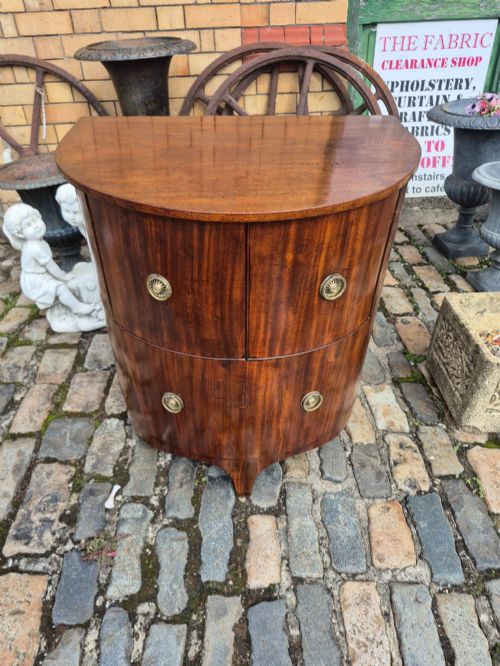
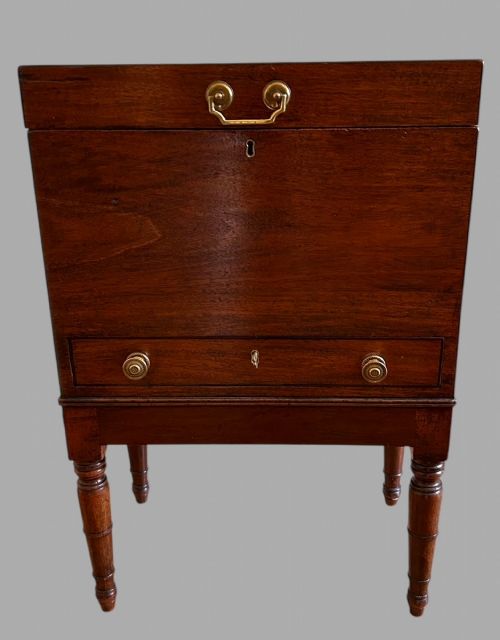
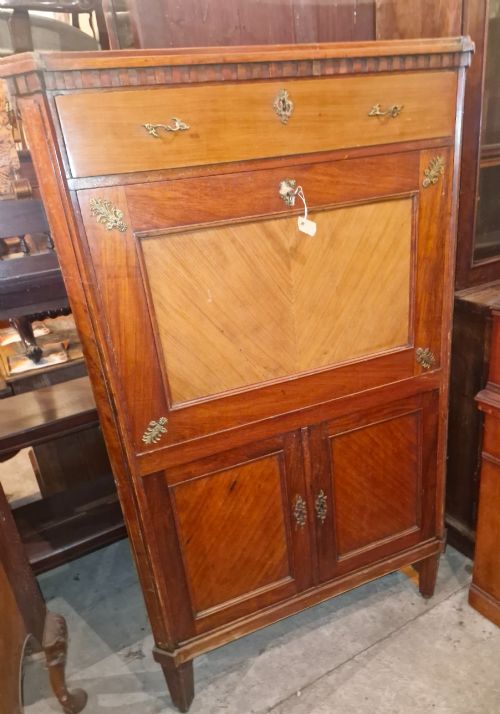

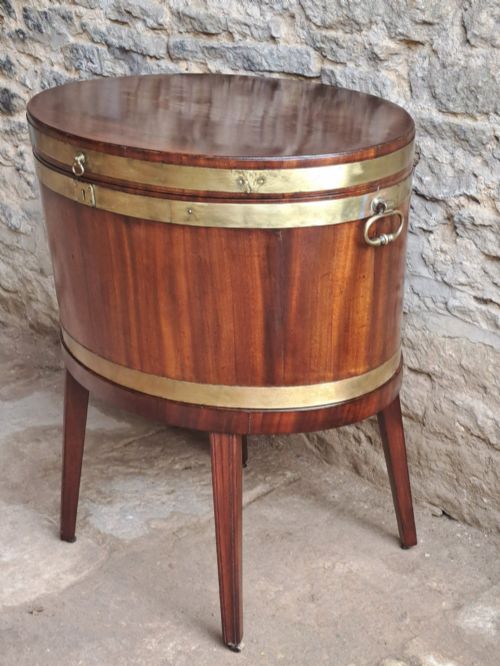
Antique Drinks Cabinet Chest
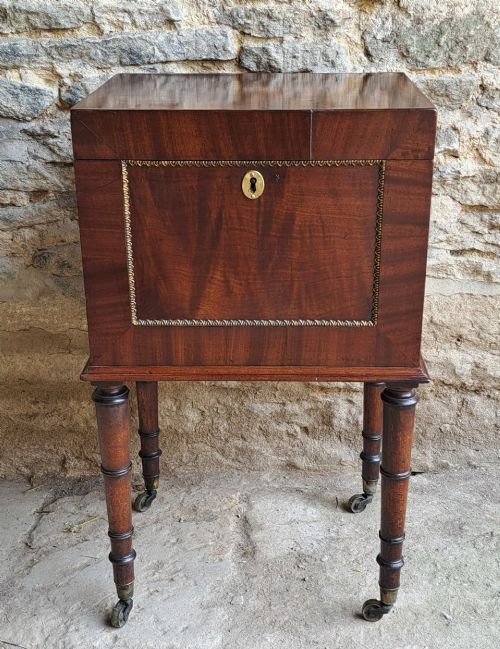
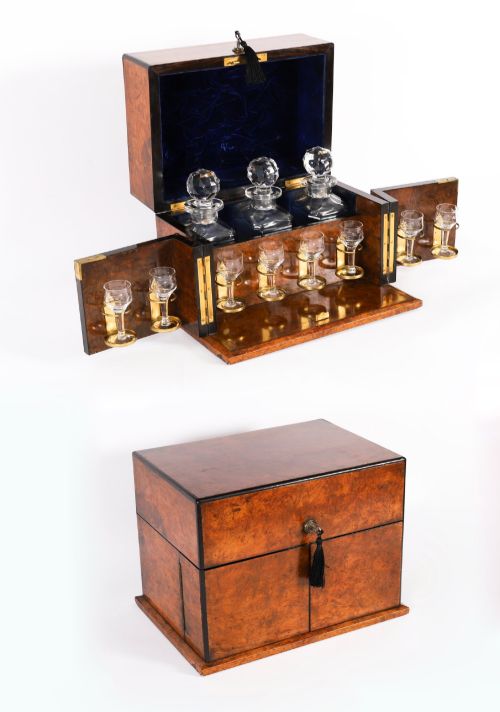
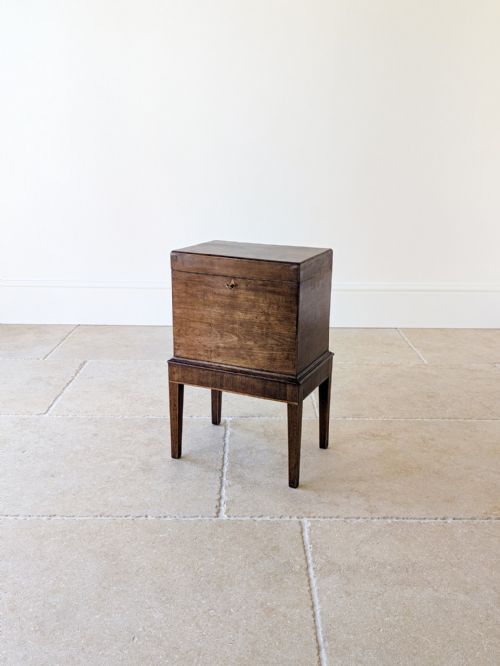
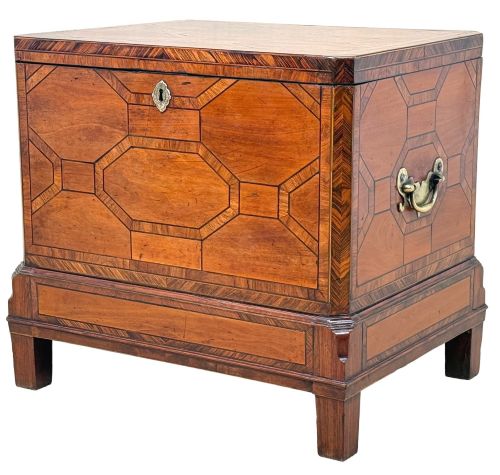
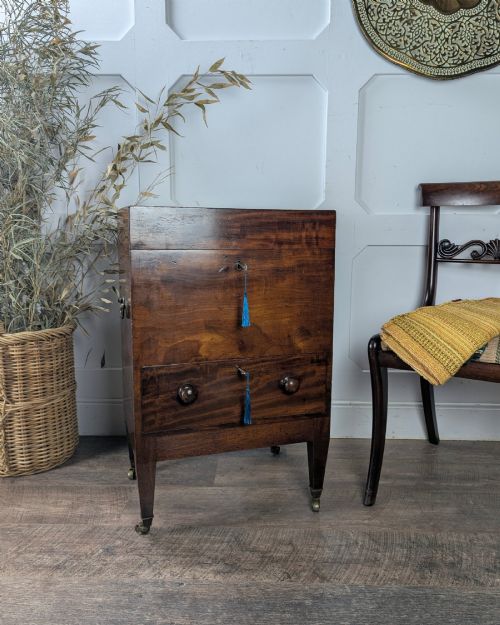
An antique drinks cabinet chest holds decanters, bottles and glassware behind timber doors or within lidded compartments, offering period character to a modern dining room.
Antique Drinks Cabinet Chest
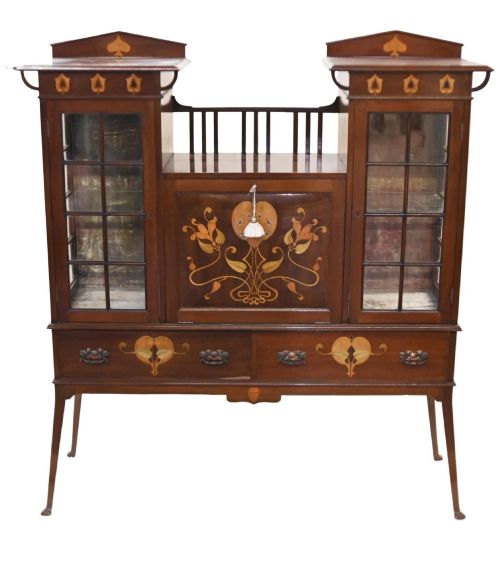
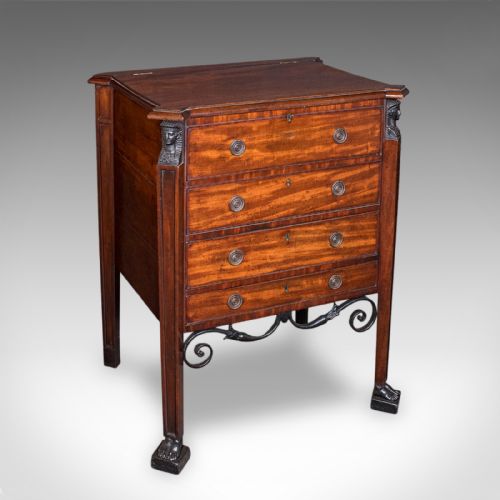
An antique drinks cabinet chest brings together several related forms designed for the storage and service of wine, spirits and liqueurs across multiple centuries. Buyers searching this phrase encounter everything from Georgian wine coolers and cellarettes to Victorian tantalus sets and twentieth-century cocktail cabinets.
The pieces on this page span the eighteenth century, the Regency era, the Victorian period and the nineteen-thirties, reflecting changing social habits around entertaining. Formats range from lidded cellarettes on stands to metamorphic side tables and fitted cabinets incorporating games compendiums.
Mahogany and oak dominate the listings, alongside burr walnut, satinwood, rosewood and lacquered finishes. Buyers are most likely to meet mahogany cellarettes from the Georgian period or walnut cocktail chests from the nineteen-thirties.
Materials and construction methods
Cabinetmakers utilised solid timbers and veneers such as mahogany, walnut, oak and satinwood, often embellishing surfaces with brass bandings, ormolu mounts, marquetry stringing and fine inlay. Interiors frequently featured lead lining for cooling wine or fitted tiers designed to secure individual decanters and glasses.
Joinery techniques ranged from traditional dovetailed box construction on eighteenth-century cellarettes to complex internal mechanisms in later tantalus sets and metamorphic tables. Lacquered finishes and Chinoiserie decoration appeared on specific cabinet forms, requiring specialised layering and curing of the surface lacquer.
Antique Drinks Cabinet Chest Retail Price Guide 2026
Typical asking prices for drinks cabinet chest among the pieces listed under this phrase on Sellingantiques today, from the lower quarter to the upper quarter. They describe what is for sale here now, not the wider market.
Listings span from the eighteenth century to the nineteen-thirties, featuring materials like brass, mahogany, walnut, oak, burr walnut, satinwood and glass.
Judging quality and craftsmanship
Quality rests in the selection of timber figures, such as dense mahogany or richly patterned burr walnut, matched with the precision of the cabinetwork and the weight of the brass hardware. Superior pieces display crisp carving, immaculate dovetailing and integrated locking mechanisms that operate smoothly.
The presence of original fitted interiors, complete decanters, and stamped maker attribution elevates a piece far above standard commercial production. Construction details like secondary timbers and the retention of original surface patination indicate the level of care taken during manufacture.
Gillows·Maples & Co·Epstein
The Antique Drinks Cabinet Chest Glossary
- Cellarette
- A low freestanding chest or box designed to hold bottles of wine, usually lined to keep contents cool. They appeared frequently in dining rooms during the eighteenth and nineteenth centuries.
- Tantalus
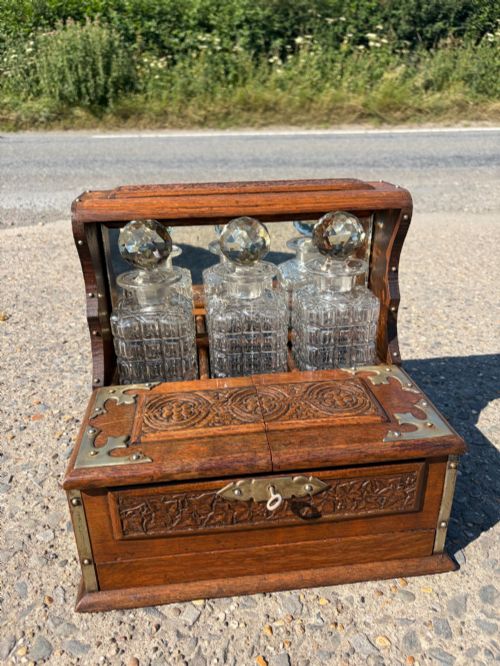
- A locking wooden frame holding decanters of spirits to prevent unauthorised access while displaying the contents. The mechanism secures the stoppers until a key is turned.
- Decanter
- A glass vessel used for holding and serving wine or spirits. Antique examples found in these cabinets are often cut crystal.
- Compendium
- A fitted box or chest containing items for various parlour games alongside drinking vessels. They combine entertainment storage with beverage service.
Antique Drinks Cabinet Chest: Frequently Asked Questions
What is the difference between a cellarette and a cocktail cabinet?
A cellarette is a low chest or cooler designed primarily to hold wine bottles and decanters, typically used in the dining room during the Georgian and Regency periods.
A cocktail cabinet is a taller piece developed later, during the twentieth century, featuring fitted shelves, mirror glass and preparation surfaces specifically for mixed drinks.
How were antique tantalus sets used?
A tantalus held decanters securely within a wooden frame fitted with a locking metal bar across the glass stoppers. This kept the contents visible to guests while preventing household staff or visitors from helping themselves.
The key remained with the head of the household, securing the supply of spirits between gatherings.
Are these cabinets suitable for modern dining rooms?
These pieces provide compact storage for modern glassware and bottles while adding distinct architectural character to a dining or living space. Their enclosed shelving and compartment layouts protect glassware from dust.
Many styles complement contemporary interiors by functioning as standalone side tables or drinks stations.
How do I identify a Georgian wine cooler?
Georgian wine coolers and cellarettes are typically constructed from dense mahogany, often featuring brass ring handles, panelled sides, and occasionally lead-lined interiors for ice. They stand on short legs or feet and date from the eighteenth or early nineteenth century.
Finer examples include detailed inlay or carved bracket feet.