






Georgian Style Wine Cooler
A georgian style wine cooler brings architectural dignity and classic proportion to a room, designed to chill bottles with understated elegance.
Georgian Style Wine Cooler
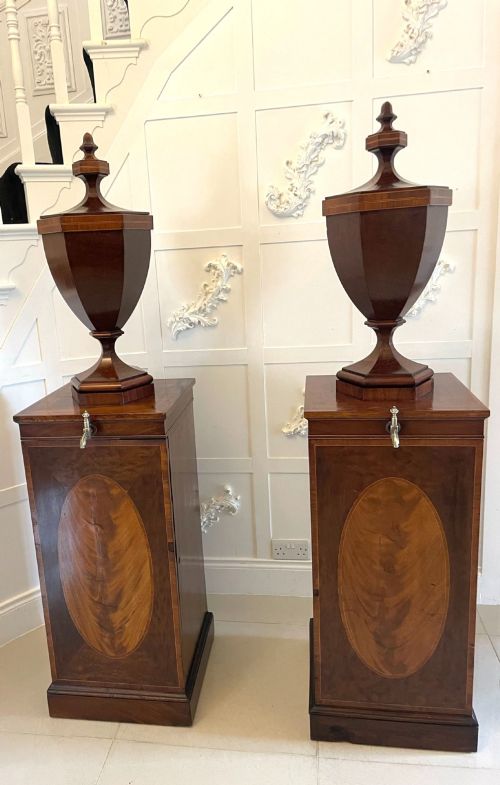
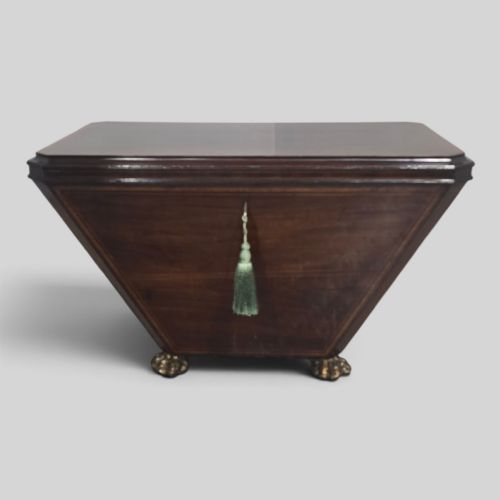
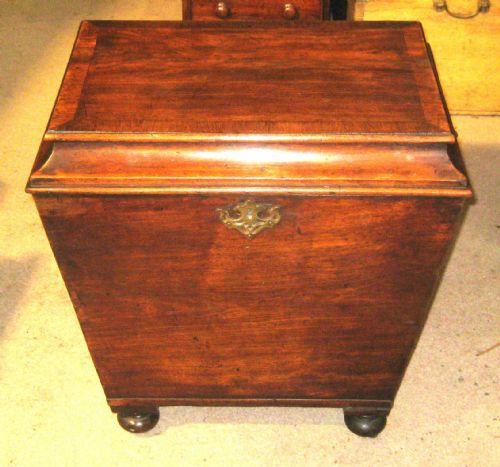
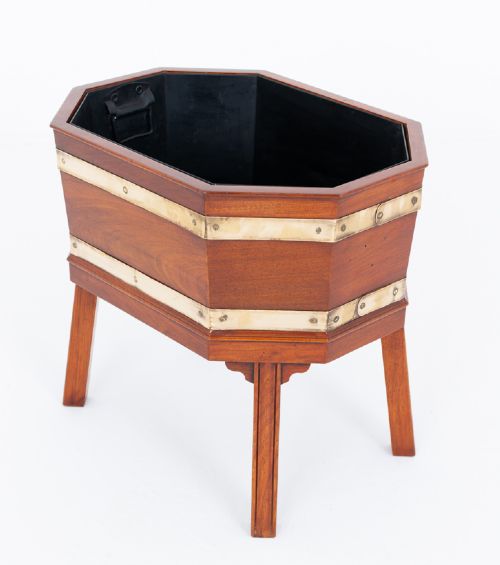
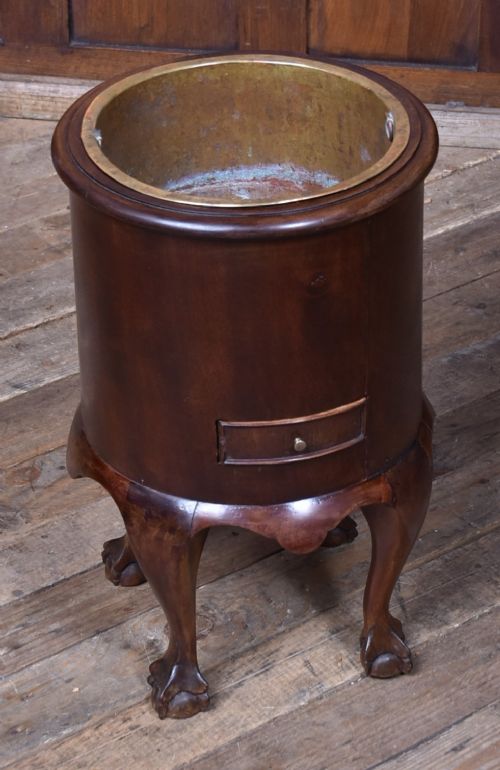
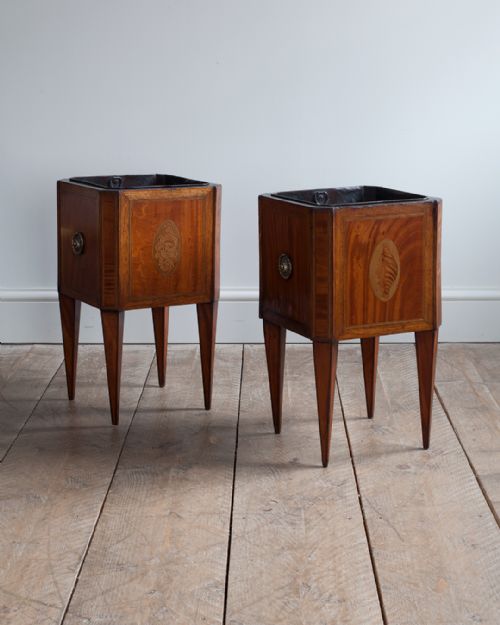
A georgian style wine cooler encompasses various historic forms such as sarcophagus vessels, cellarettes, pedestals and urns, and brass-bound buckets designed for holding wine and ice.
Buyers will encounter genuine period pieces alongside later revivals from the nineteenth and early twentieth centuries, spanning Edwardian and Victorian interpretations.
The selections range from round planters and peat buckets to grand neoclassical cisterns, reflecting the enduring appeal of traditional forms.
Materials and construction
Makers utilised rich timbers predominantly, with solid and veneered mahogany forming the core structural material across numerous examples.
Decorative detailing often involved intricate boxwood and satinwood inlay, complemented by applied brass bands and occasional gold leaf highlights.
Porcelain elements appear in specialised ice pails, while metal liners and fittings provided functional water-tight containment for ice and bottles.
Georgian Style Wine Cooler Retail Price Guide 2026
Typical asking prices for georgian style wine cooler among the pieces listed under this phrase on Sellingantiques today, from the lower quarter to the upper quarter. They describe what is for sale here now, not the wider market.
Listings feature mahogany as the dominant wood, accompanied by satinwood, brass, and porcelain across multiple historic periods.
Assessing quality and craftsmanship
Superior pieces display exceptional precision in their inlay work and timber selection, demonstrating refined cabinet-making skills rather than simple decorative surface application.
The integrity of original brass mounts, handles, and internal linings distinguishes high-grade workshop production from standard commercial manufacturing.
Edwards and Roberts·Chamberlain Worcester·Whytock and Reid·Samual Norman
The Georgian Style Wine Cooler Glossary
- Cellarette
- A lockable container used for storing wine bottles near the dining table, often lined with lead or metal.
- Sarcophagus style
- A heavy, monumental coffin-like form popular in nineteenth-century cooler designs, typically carved from solid mahogany.
- Boxwood inlay
- A contrasting light wood technique used to create delicate geometric or floral borders on darker cabinet surfaces.
- Jardiniere
- An ornamental pot or stand designed to hold plants or flowers, sharing similar forms and materials with period wine coolers.
Georgian Style Wine Cooler: Frequently Asked Questions
How were these coolers originally used?
They stood in dining rooms filled with ice and water to chill wine bottles before and during formal meals.
Servants would retrieve bottles as needed, keeping the dining table clear of bulky cooling equipment.
Can I use a wine cooler as a planter?
Many examples now serve alternative functions like plant holders, jardinières, or storage bins in modern interiors.
Protecting the interior wood with a proper liner ensures the timber remains undamaged by moisture.
How do I distinguish revival pieces from originals?
Examine the timber shrinkage, construction joints, and secondary woods used on the underside or interior framing.
Revival pieces from the Edwardian or Victorian eras often feature different hardware fixings compared to eighteenth-century work.
What maintenance do these wooden coolers require?
Regular dusting and occasional application of appropriate furniture wax keep the mahogany and satinwood surfaces nourished.
Avoid placing them in direct sunlight or near heat sources to prevent timber splitting and veneer lifting.