



Vintage Wooden Drink Cooler
These vintage wooden drink cooler pieces are classic serving vessels designed to hold wine and ice, offering timeless storage for entertaining.
Vintage Wooden Drink Cooler
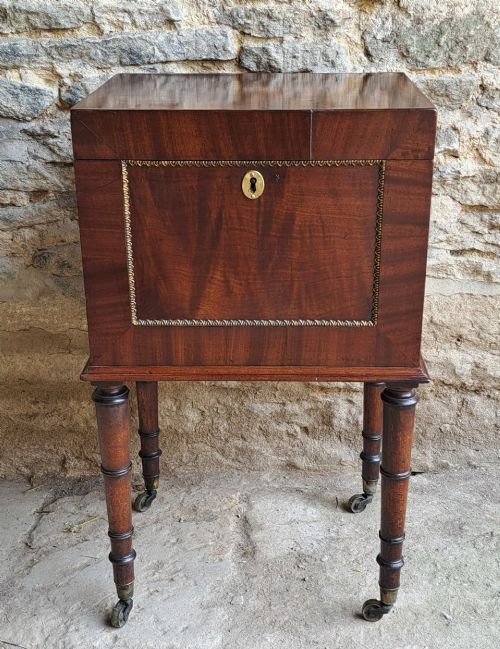
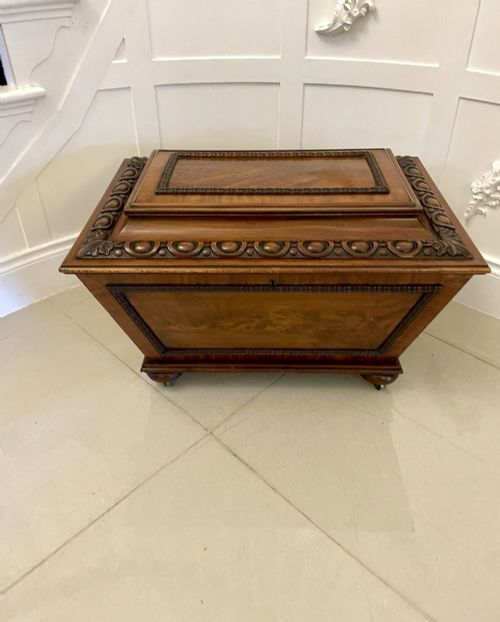
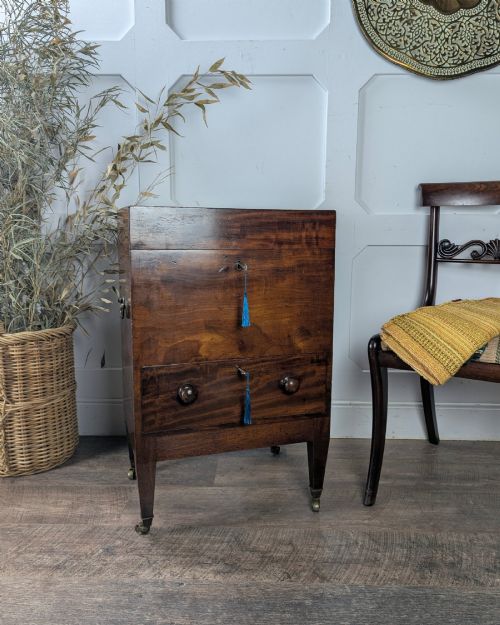
A vintage wooden drink cooler is typically encountered as a cellarette or wine cooler in sturdy timbers such as mahogany or oak. These items originate from periods spanning the eighteenth century through to the Edwardian era, reflecting formal dining traditions.
The selections on this page encompass styles ranging from Georgian and Regency to Victorian and Edwardian revivals. Formats vary from freestanding serpentine fronted cabinets to lidded vessels equipped with metal or ceramic interiors.
How they were made
Construction relies heavily on dense hardwoods like mahogany and oak, frequently embellished with satinwood banding, boxwood inlay, and brass fittings. These materials provided the durability required to hold heavy bottles and ice.
Interiors often incorporated silver plating or creamware ceramic liners to manage melting ice and liquid containment safely. Exterior surfaces display traditional cabinetmaking joinery suited to frequent use in domestic dining rooms.
Vintage Wooden Drink Cooler Retail Price Guide 2026
Typical asking prices for vintage wooden drink cooler among the pieces listed under this phrase on Sellingantiques today, from the lower quarter to the upper quarter. They describe what is for sale here now, not the wider market.
Early makers occasionally lined these vessels with lead, turning the dining room into a miniature plumbing project just to keep the claret cold.
What varies in quality
Quality differences stem from the fineness of the timber selection, such as figured mahogany, and the precision of decorative inlays like satinwood and boxwood. The sophistication of the overall silhouette, including serpentine fronts and proportion, distinguishes standard items from finer examples.
The presence of original hardware, such as brass carrying handles and interior liners, elevates the integrity of the piece. Craftsmanship in the cabinet joinery and edge detailing marks the distinction between workshop outputs.
The Vintage Wooden Drink Cooler Glossary
- Cellarette
- A lockable cabinet or container designed for storing bottles of wine and spirits near the dining table. They often feature fitted wooden divisions internally.
- Sarcophagus
- A monumental architectural form with a sloping lid, popular for Regency and nineteenth century wine coolers. This shape echoes classical stone coffins.
- Serpentine front
- A curved piece of cabinetry featuring a convex centre flanked by concave ends. It demands advanced woodworking skill to execute properly.
- Creamware
- A type of fine earthenware developed in Yorkshire, frequently utilised for the internal liners of ice buckets and coolers. Its pale yellow tone complements dark woods.
Vintage Wooden Drink Cooler: Frequently Asked Questions
How were these coolers used historically?
These items were positioned beside the dining table or sideboard to keep bottles at a lower temperature during long meals. Servants filled the interiors with ice and water to chill the wine before serving.
Many examples included internal divisions to separate individual bottles and prevent them from striking one another. Lids helped maintain the internal temperature throughout the course of the evening.
How do I identify a Georgian cooler?
Georgian and George III coolers typically display dense mahogany construction, sometimes featuring satinwood banding and precise boxwood inlay. The silhouettes tend to follow classical architectural proportions and formal restraint.
Later Victorian and Edwardian interpretations often adopted revival styles or incorporated mixed materials like silver plate and ceramic liners. Examining the timber grain and secondary woods helps determine the production era.
Can I use a vintage cooler today?
These pieces function well as standalone decorative objects or as functional ice buckets and bottle holders during gatherings. Their robust construction allows them to endure regular domestic use when handled with reasonable care.
Care should be taken to protect interior liners and wooden surfaces from prolonged exposure to standing water. Using removable modern inserts can help preserve the historic interior materials.