
Antique Drinking Goblet
An antique drinking goblet holds the weight of centuries past, offering a tangible connection to historical toasts and craftsmanship.
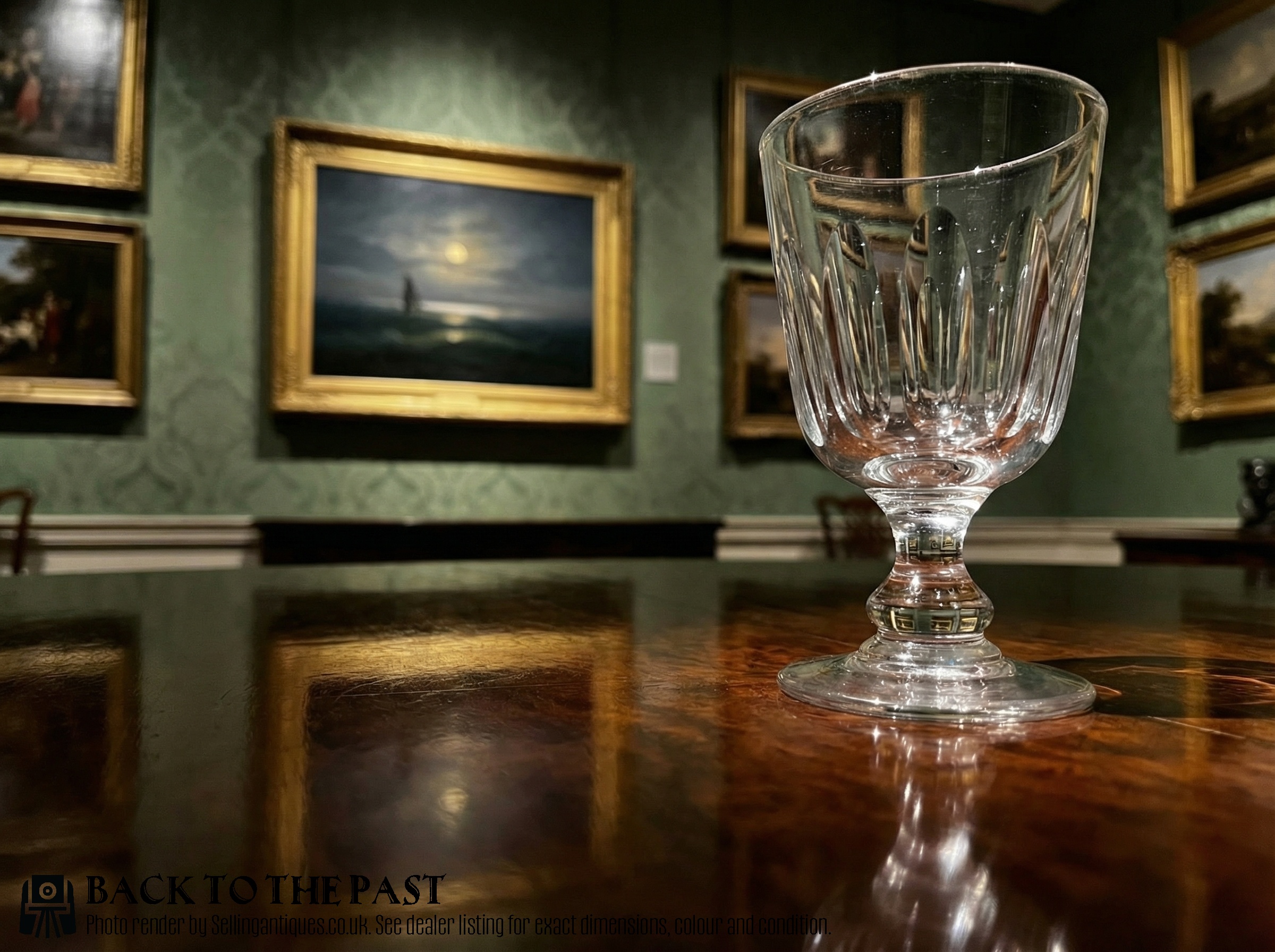
Antique Drinking Goblet
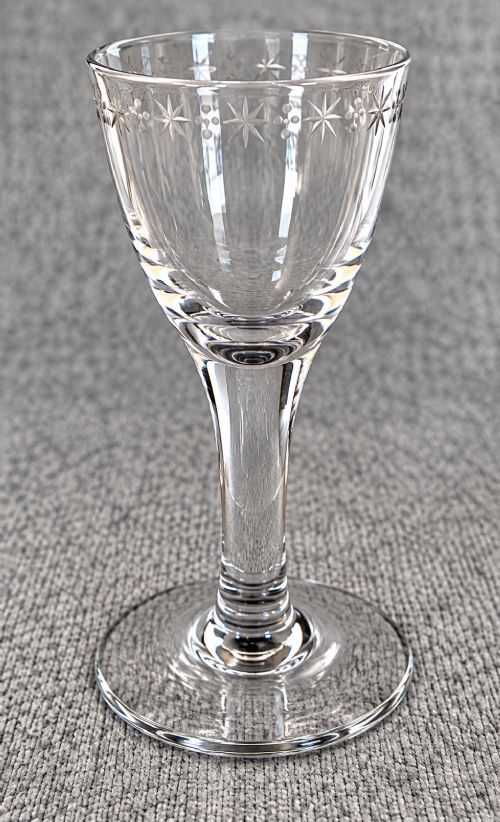
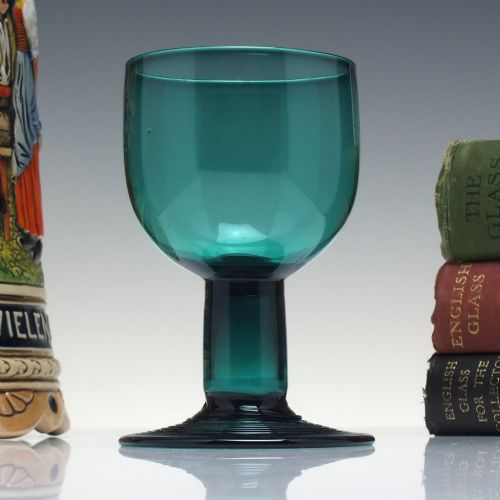
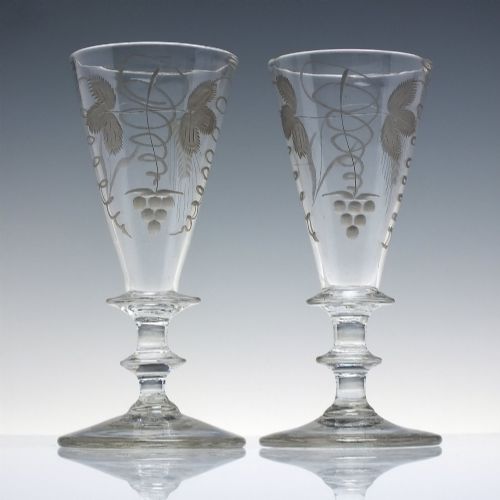
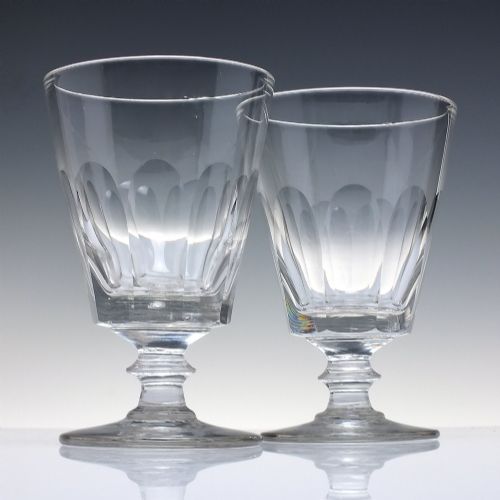
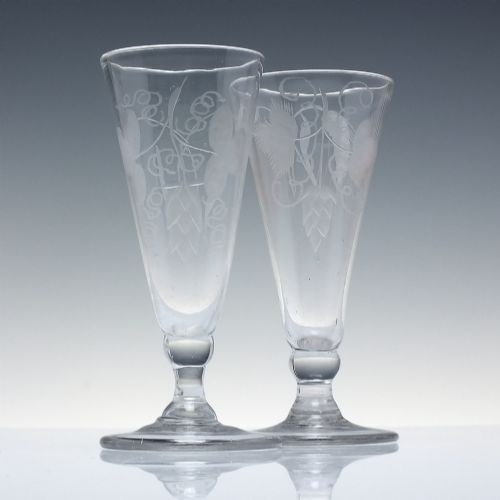
An antique drinking goblet spans several centuries of design, taking the form of wine glasses, heavy rummers, ale glasses, and commemorative vessels.
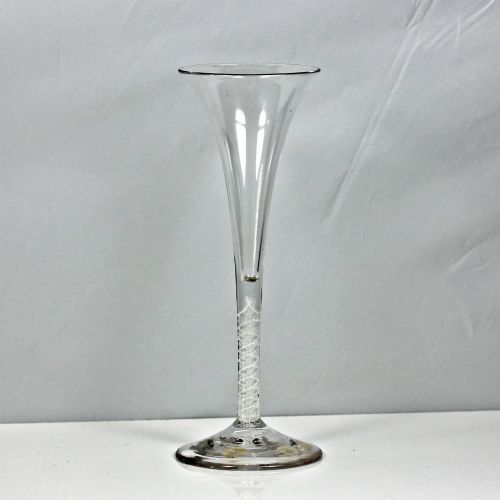
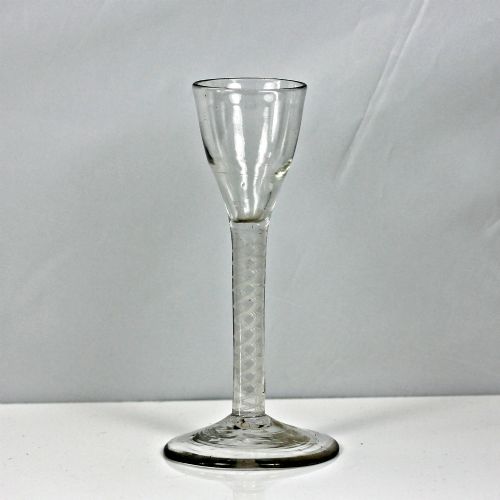
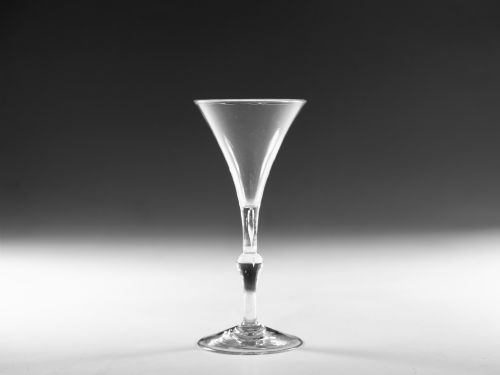
Forms range from delicate balustroid and twist stem wine glasses to sturdy pedestal goblets and beakers intended for everyday or celebratory use.
Materials and Techniques
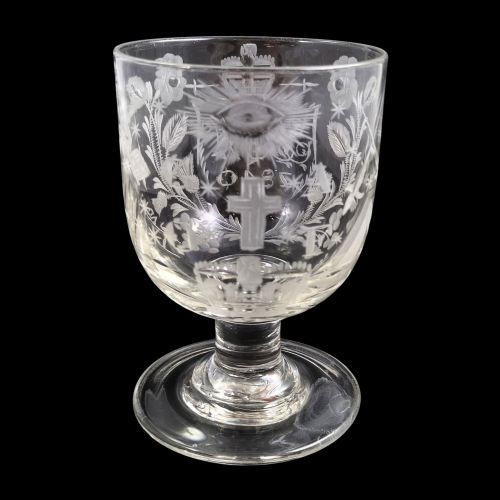
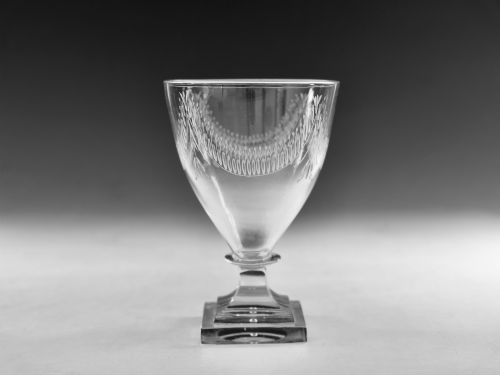
Glass vessels in the selection rely on lead glass and flint glass, shaped through blowing and frequently finished with engraved or enamelled decoration upon the bowl.
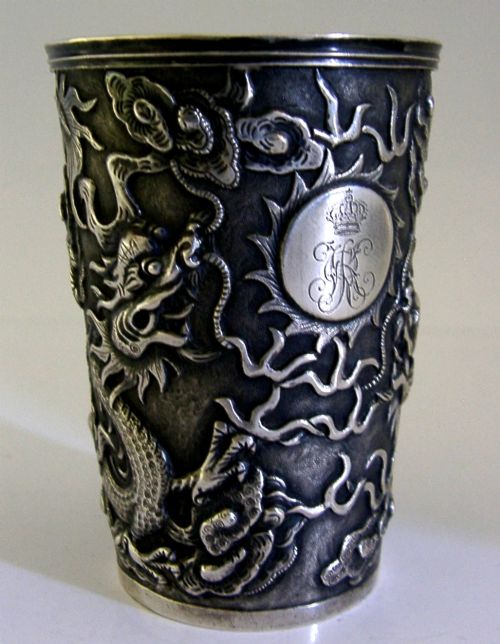
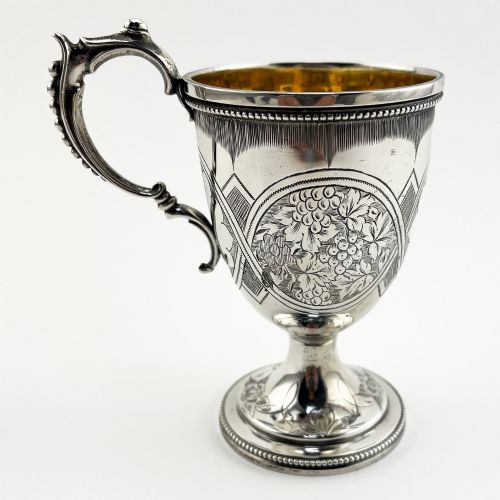
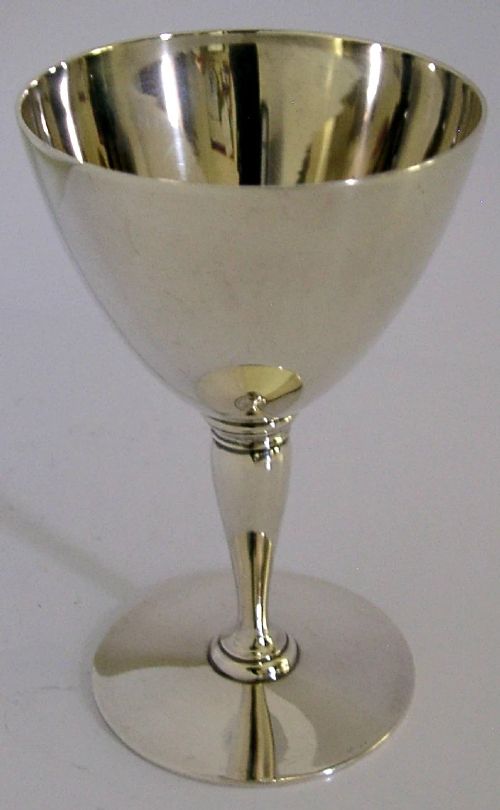
Metal items utilise sterling silver or silver plate, shaped into form and decorated with chased or engraved cyphers and crests.
Wooden treen examples demonstrate precision woodturning using fruitwood, lignum vitae, or yew wood to create solid pedestal bases.
Listings feature lead glass, clear glass, sterling silver, white enamel, and various woods such as lignum vitae and fruitwood.
Assessing the Pieces
Quality rests upon the crispness of the glass engraving, the complexity of internal stem structures such as air twists or opaque twists, and overall material clarity.
Proportion and weight dictate the calibre of metal and wooden vessels, where balanced turned profiles and crisp hallmarks elevate the object.
Condition plays a part, distinguishing pristine surfaces and untouched feet from heavy wear or later alterations.
TIFFANY & Co
The Antique Drinking Goblet Glossary
- Balustroid
- A stem style echoing architectural balusters, featuring nodes and swells popular in eighteenth-century glassware. It provides a heavy, stable grip for the drinker.
- Opaque twist
- A stem formation enclosing white or coloured enamel threads spun within the clear glass. This technique creates complex ribbon or gauze patterns inside the rod.
- Rummer
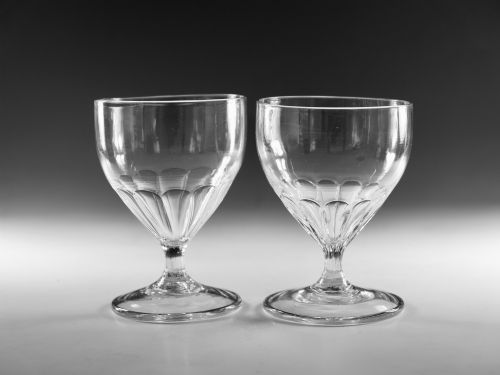
- A capacious, heavy-stemmed drinking glass originating in the Georgian period and continuing through the Victorian era. It was typically utilised for ale, wine, or punch.
- Treen
- Small handmade wooden household objects turned on a lathe. Common materials include fruitwood and lignum vitae.
- Wrythen
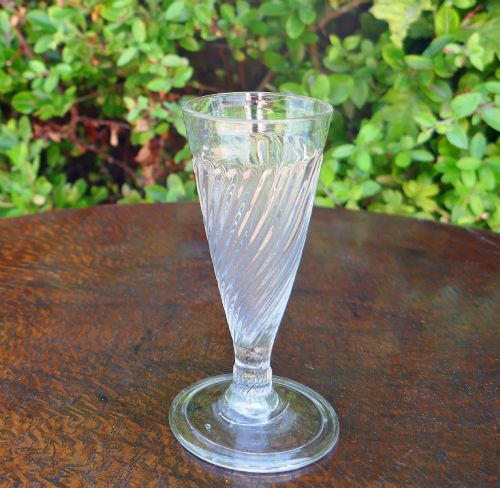
- A decorative spiral pattern moulded into the surface of glassware. It gives the vessel a subtle optic twist effect when rotated in the light.
Antique Drinking Goblet: Frequently Asked Questions
What is an antique drinking goblet used for?
These vessels served various beverages depending on their form, ranging from ale and wine to commemorative toasts and christening ceremonies.
Heavier rummers handled robust ales and punch, while delicate twist-stem glasses held wines and sweetmeats.
How do I date an eighteenth-century wine glass?
Dating relies on observing stem construction, bowl shape, and foot characteristics such as folded rims or pontil marks.
Air twists and opaque twists point towards specific decades of the seventeen-hundreds, while balustroid forms suggest earlier periods.
Can I use an antique goblet for daily drinks?
Most antique glass and silver pieces are structurally sound enough for careful handling, though many collectors prefer display.
Wooden treen and fragile enamelled glass require gentle maintenance and hand washing without soaking.
What is the difference between a rummer and a wine glass?
Rummers are noticeably larger, heavier, and broader in the bowl, designed for hearty consumption in taverns or homes.
Wine glasses feature slender stems and refined bowls suited for smaller quantities of fine drink.