

Antique Dressing Table Washstand
An antique dressing table washstand brings functional nineteenth-century craftsmanship into a modern room, combining basin support and personal grooming space.
Antique Dressing Table Washstand
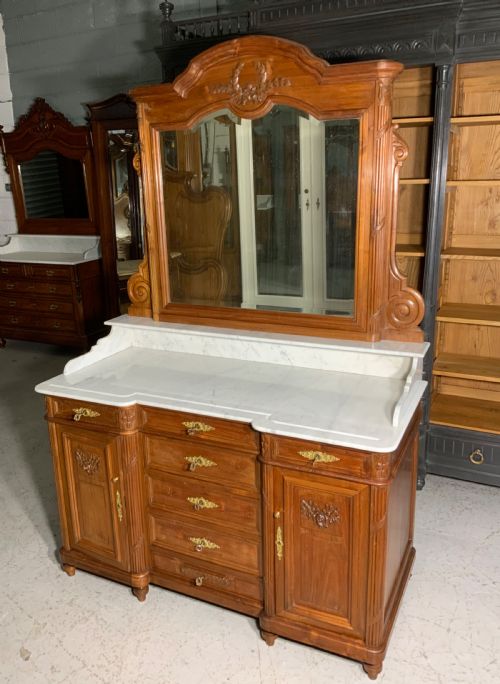
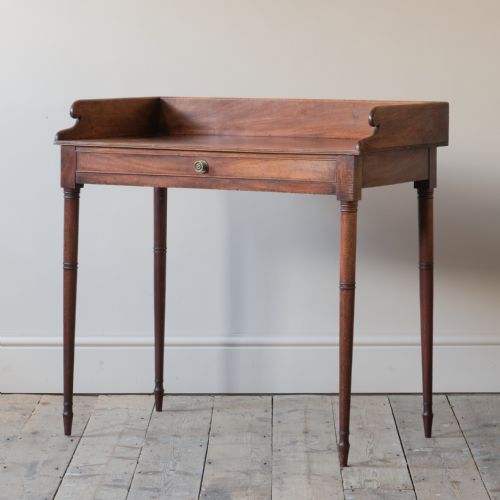
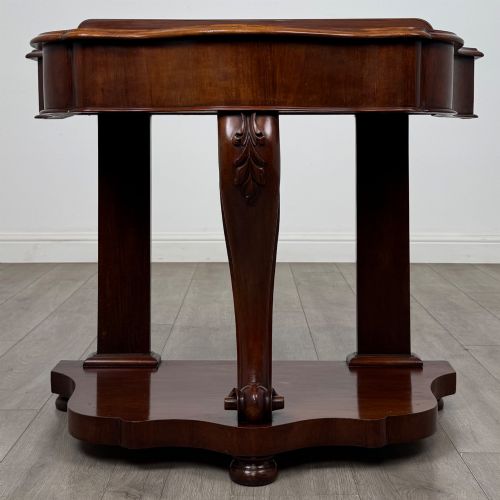
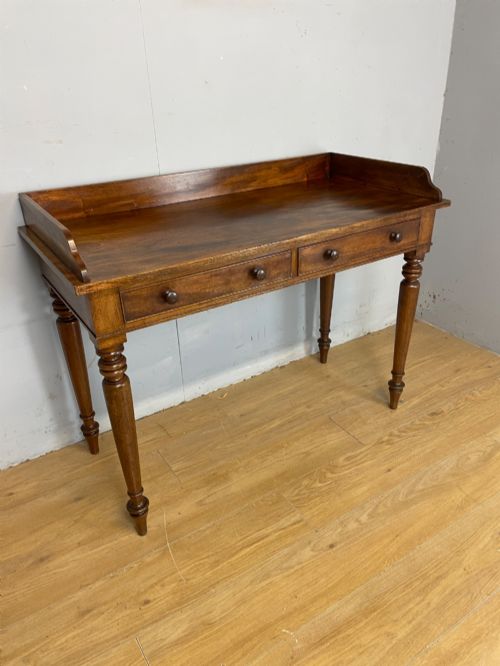
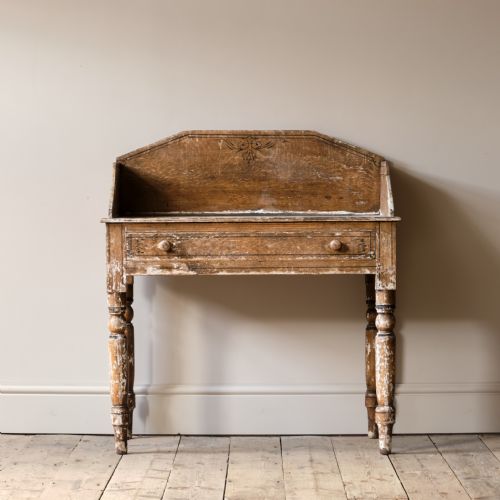
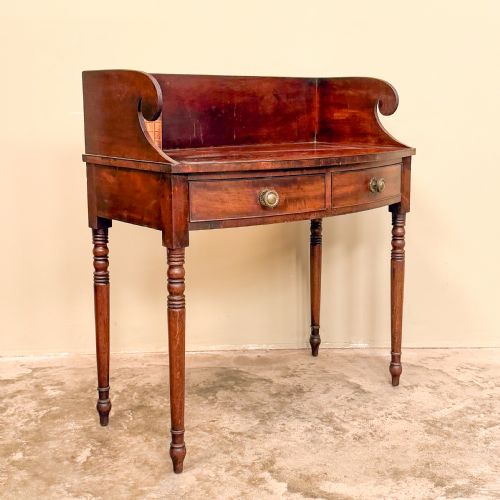
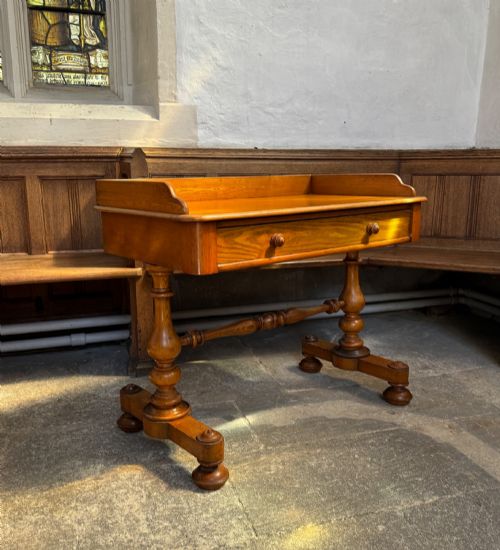
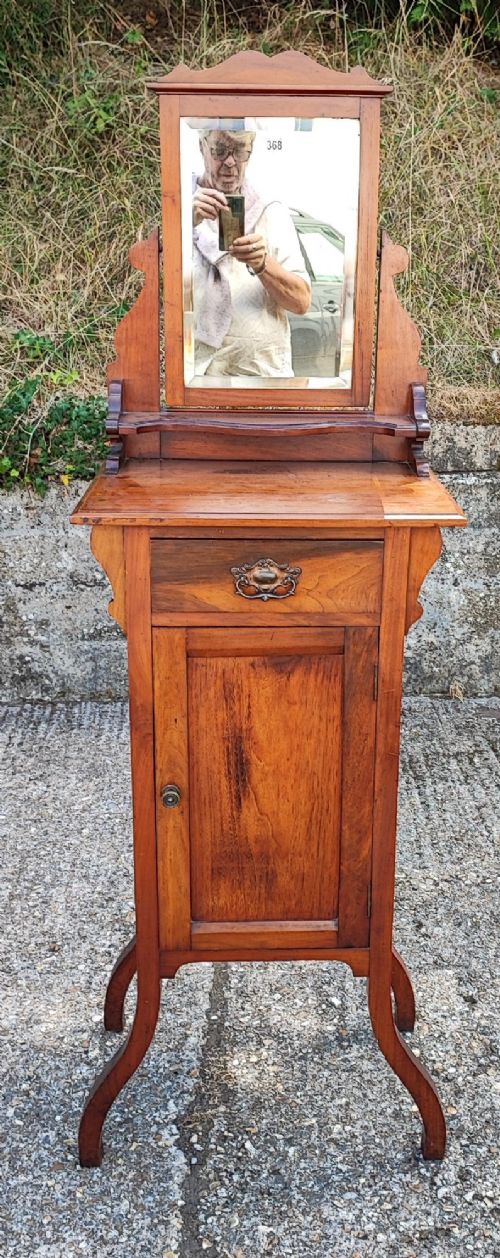
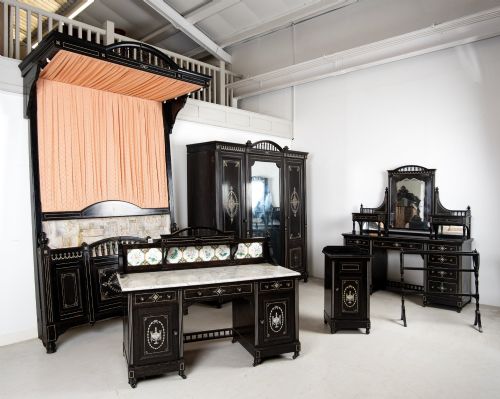
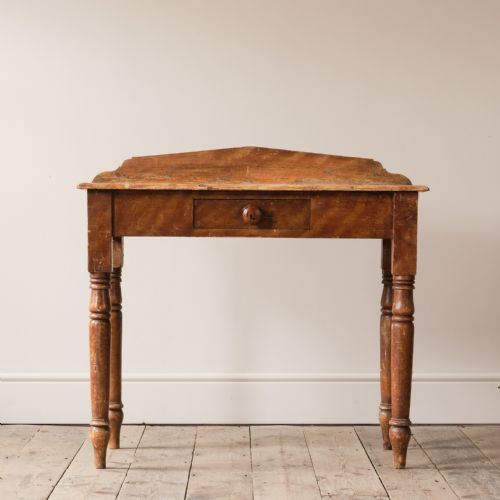
An antique dressing table washstand brings together dual purposes from the Georgian, Victorian, and Edwardian eras. Pieces on this page range from simple pine washstands to fitted mahogany gentleman's dressing tables and marble-topped variants.
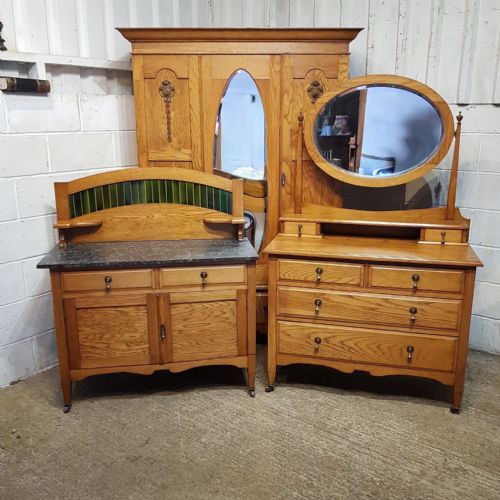
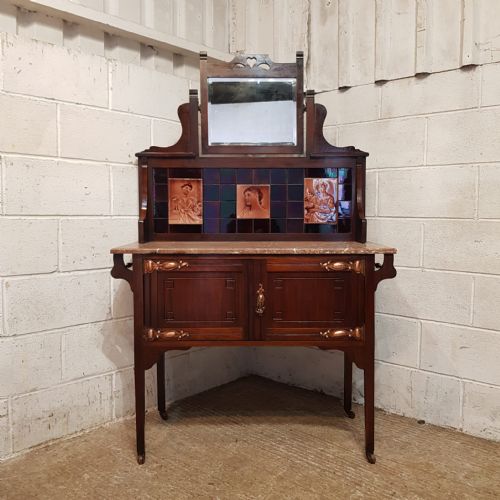
The version you meet most often is the nineteenth-century Victorian or Edwardian washstand, frequently rendered in mahogany, walnut, or pine. Many examples incorporate ceramic tiles, marble tops, or integrated mirrors designed for daily ablutions and grooming.
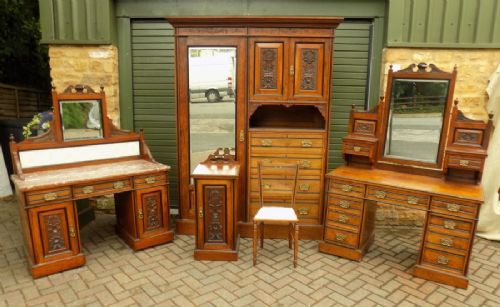
Makers and workshops constructed these objects as standalone bedroom furniture, sometimes as part of larger suites alongside wardrobes and chests of drawers. They bridge the gap between utilitarian bathroom fixtures and polished bedroom cabinetry.
How they were made
Cabinetmakers built these items using dense timbers such as mahogany, walnut, oak, and pine, often incorporating flame mahogany veneers or bird's-eye maple. Structural stability relied on traditional joinery, dovetail drawers, and turned or carved legs.
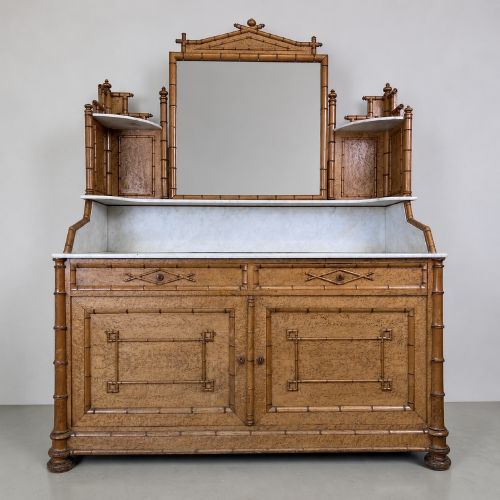
Surfaces frequently feature inset white marble slabs or ceramic tiles designed to withstand water splashes during washing. Brass hardware, swing mirrors, and glass elements complete the construction of surviving examples from the nineteenth and early twentieth centuries.
Listings feature pieces spanning the Georgian, Regency, Victorian, and Edwardian periods, constructed in mahogany, pine, marble, and ceramic.
What varies in quality
The distinction between ordinary utility items and finer pieces lies in timber selection, decorative carving, and original hardware. Pieces utilising figured mahogany, satinwood inlay, or integrated marble tops indicate higher workshop standards.
Condition and intact original elements dictate the standing of a piece within its period. Examples retaining matching tiles, unblemished marble, and untouched polished surfaces demonstrate superior survival through the decades.
Harrods·James Shoolbred·Maples
The Antique Dressing Table Washstand Glossary
- Washstand
- A piece of bedroom furniture designed to hold a basin, ewer, and washing accessories. They often include marble tops or tiled splashbacks to protect surrounding walls.
- Gentleman's Dressing Table
- A specialised vanity unit tailored for male grooming, frequently equipped with compartments for razors, mirrors, and washing gear. George III and Edwardian examples show this specific form.
- Duchesse Dressing Table
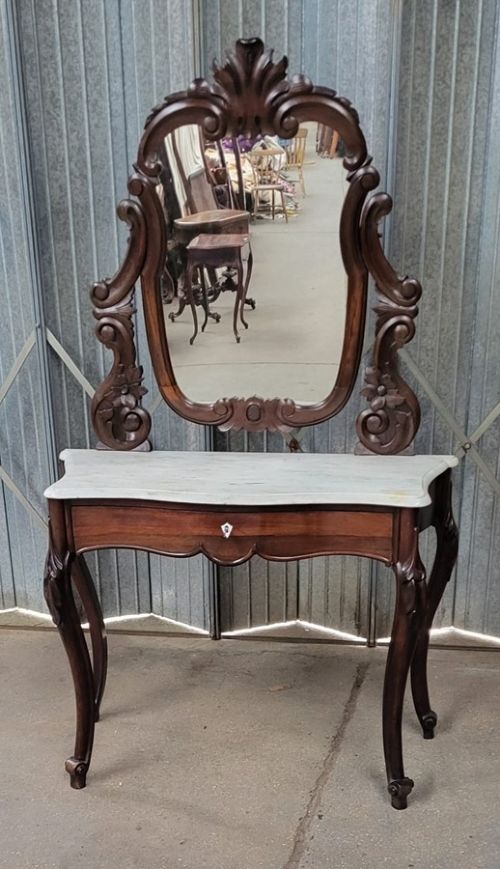
- A large Victorian vanity style featuring an attached mirror, sometimes paired directly with matching washstands in bedroom suites. They represent heavier nineteenth-century aesthetic preferences.
- Faux Bamboo
- A decorative technique where hardwood such as beech or maple is carved and painted to resemble bamboo stalks. This style gained popularity during the late nineteenth century.
- Splashback
- A vertical panel rising behind a washstand basin to catch water drops. They are frequently constructed from marble or decorated ceramic tiles.
Antique Dressing Table Washstand: Frequently Asked Questions
What is an antique dressing table washstand?
These items are nineteenth-century bedroom furnishings combining washing facilities with personal grooming areas. They typically feature wooden frames with specialised tops for basins and mirrors.
Craftsmen built them during the Georgian, Victorian, and Edwardian periods as essential domestic furniture before plumbed bathrooms became standard in houses.
How were washstands used originally?
Users placed porcelain washbowls, pitchers, and soap dishes on the upper surface for morning routines. The integrated shelves or cupboards below stored chamber pots and washing jugs.
Gentlemen utilised specialised variants for shaving and dressing, while larger Victorian versions accommodated elaborate bedroom suites with matching wardrobes.
How do I style a washstand today?
You can place these pieces in a hallway, bedroom, or modern bathroom as a functional surface with historical character. Marble tops and wooden ledges provide practical space for contemporary toiletries or decorative objects.
Pairing the timber tone with surrounding decor helps integrate the piece into modern interiors while retaining its period presence.
How do I date an antique washstand?
Dating relies on observing timber choices, construction methods, and stylistic cues from specific eras like Regency, Victorian, or Arts and Crafts. Georgian examples display simpler, elegant lines in mahogany, while Edwardian versions often feature lighter satinwood inlay.
Hardware details, dovetail construction, and secondary woods like pine further indicate whether a piece originates from the early nineteenth century or later.