
Antique Drawer Cabinet
An antique drawer cabinet brings period craftsmanship into daily storage, uniting formal cabinetry with practical compartmentalisation.
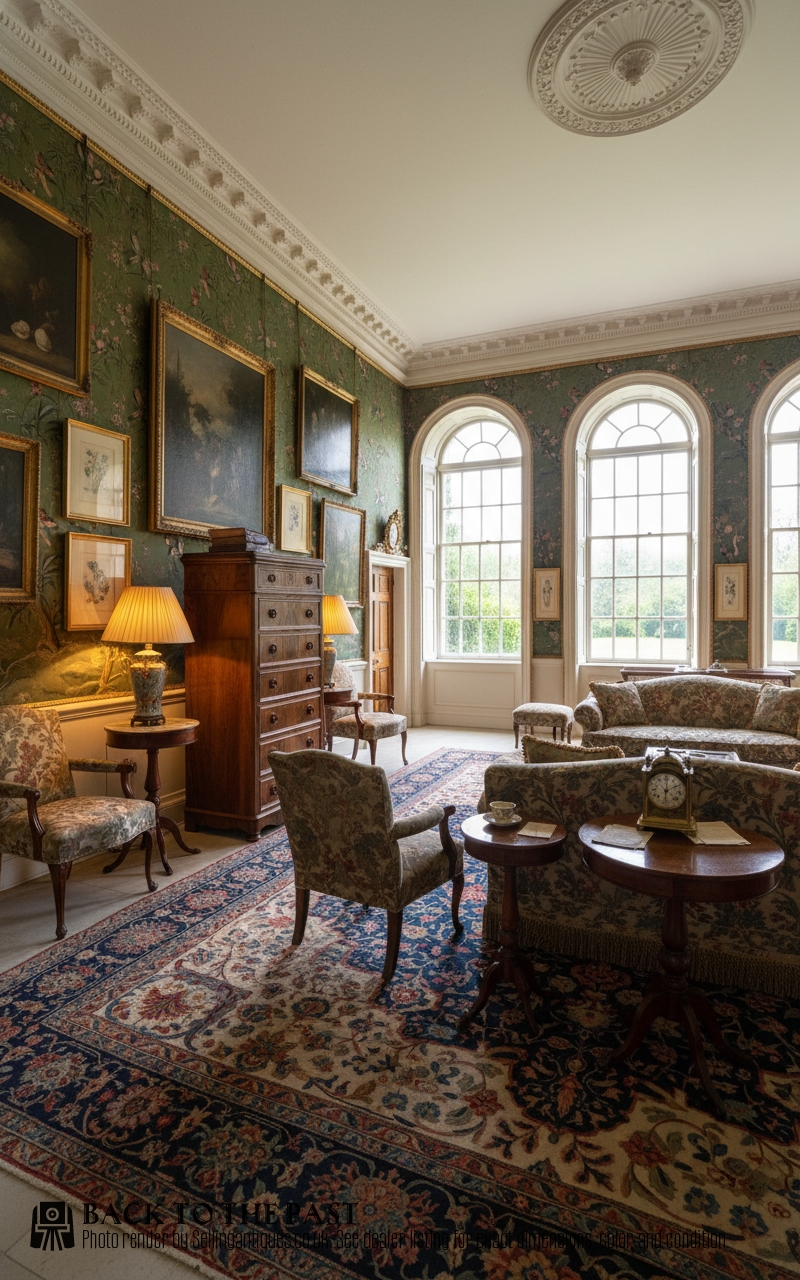
Forms and Origins
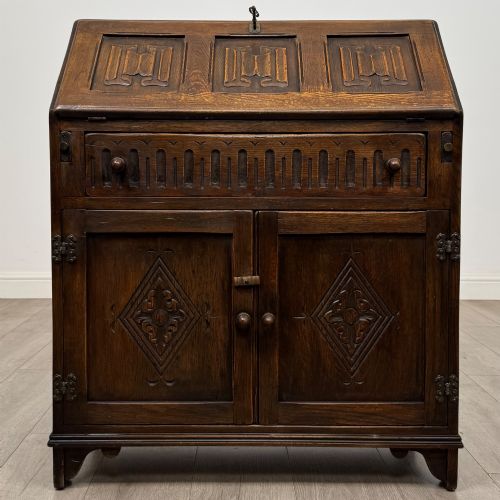
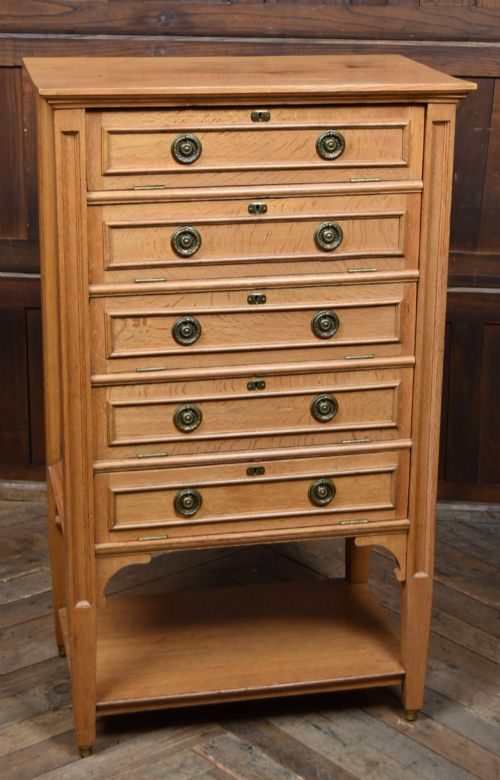
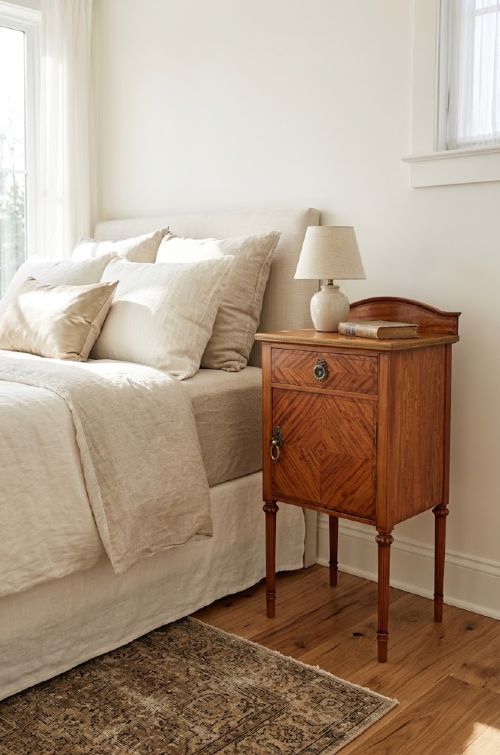
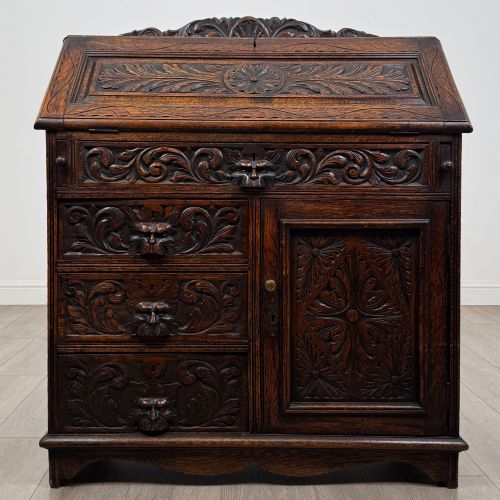
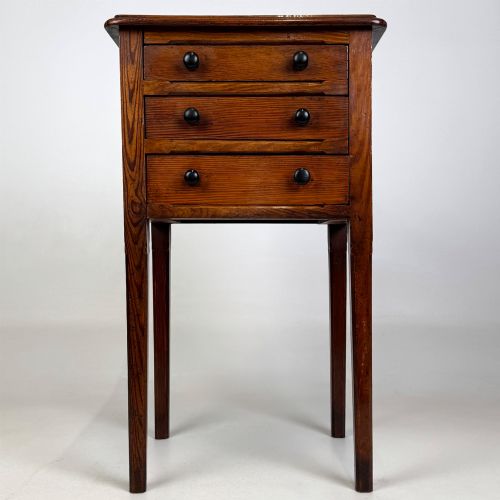
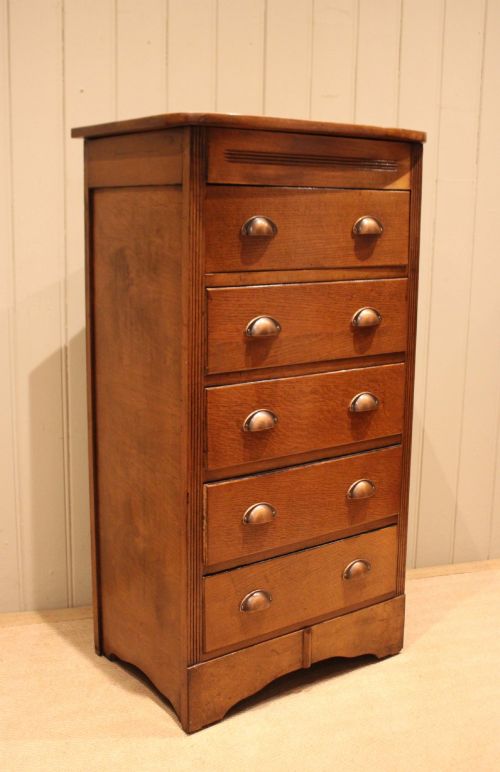
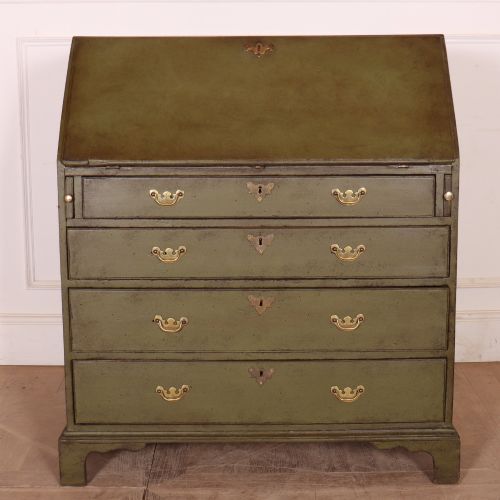
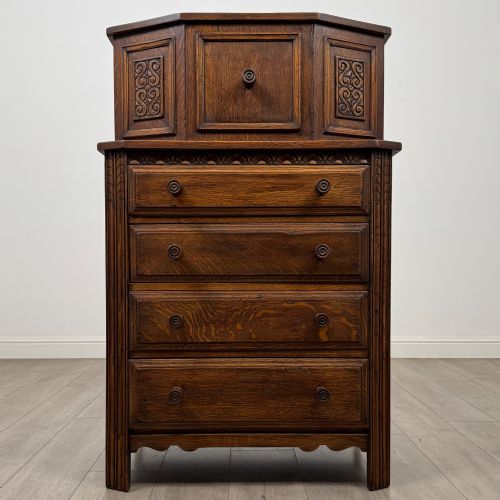
The antique drawer cabinet encompasses diverse functional forms, ranging from compact bedside units and music sheet chests to towering collectors cabinets, filing drawers and apothecary storage. These pieces emerge across extended historical periods including the seventeenth century, the Georgian era, the Victorian epoch and into the early twentieth century.
Indicators of Quality
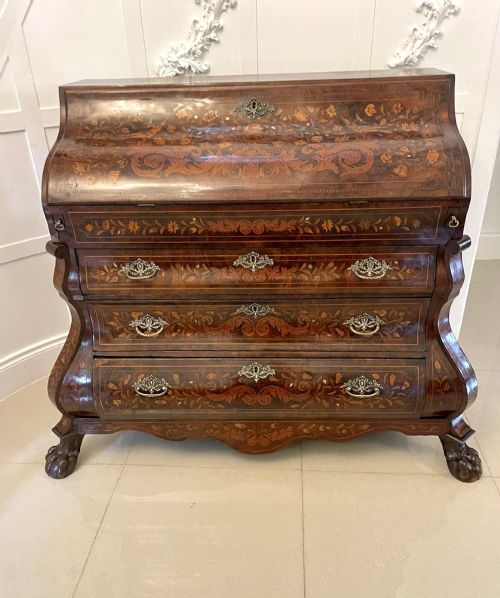
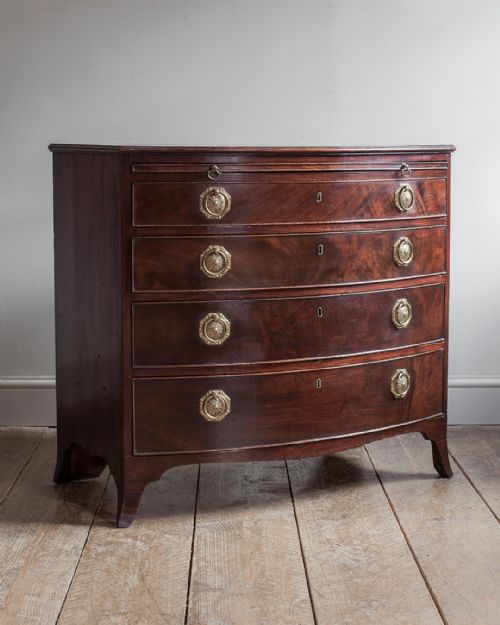
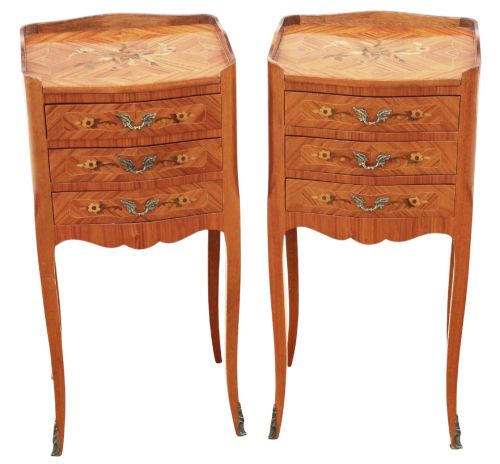
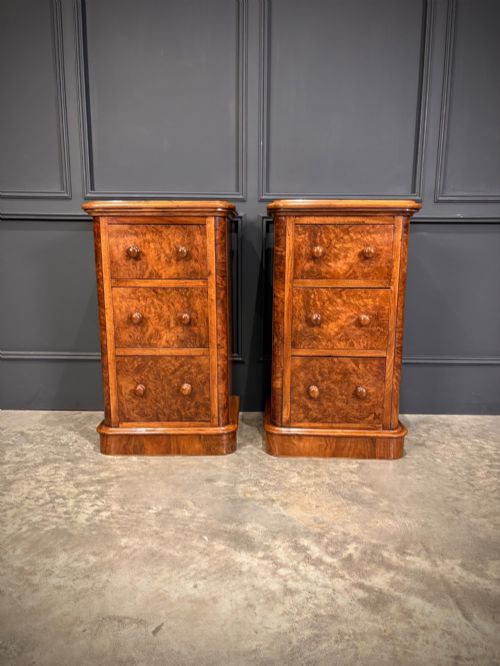
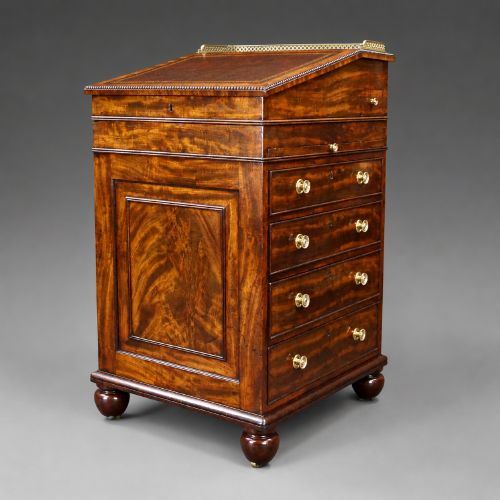
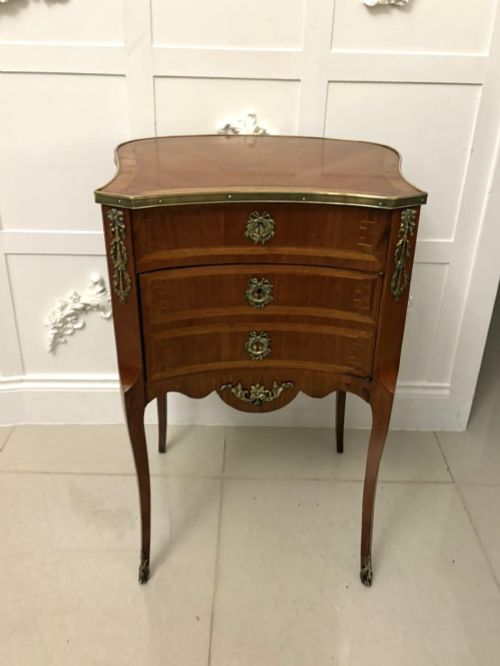
Distinction across the range rests upon the selection and matching of timber veneers, such as flame mahogany or burr walnut, alongside the intricacy of decorative marquetry inlay. Superior examples display meticulous attention to internal drawer construction and smooth mechanical operation.
Provenance and documented authorship elevate specific collectors cabinets, while the integration of high-grade brass hardware and specialised locking mechanisms differentiate standard utility storage from exceptional cabinetmaking.
Retail Price Guide 2026
Typical UK retail prices for drawer cabinet, calculated from the Sellingantiques database of over a million retail prices indexed since 2003. This retail price guide relies exclusively on Sellingantiques data; no external sources or auction records are used, so the figures do not describe the wider market.
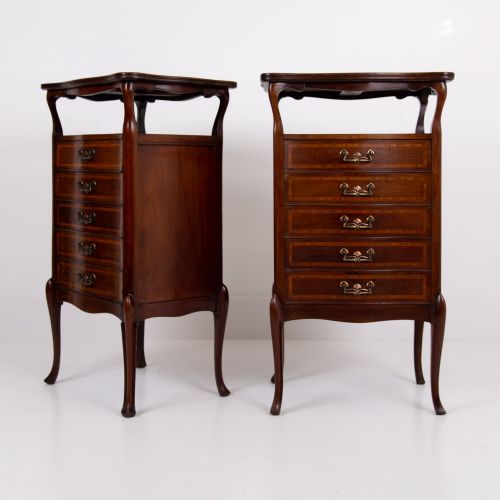
Music sheet cabinets feature ingenious drop-front drawers designed to prevent delicate paper scores from curling when stored.
Charles William Schofield·William John Burchall·Gill & Reigate
The Antique Drawer Cabinet Glossary
- Collectors cabinet
- A specialised storage unit containing numerous shallow drawers intended for housing specimens, coins or natural history artefacts. These pieces often incorporate secure locking doors and fine internal joinery.
- Marquetry
- Decorative inlay technique using thin pieces of wood veneer to create floral or geometric pictorial patterns on furniture surfaces. The resulting patterns adorn primary display panels and drawer fronts.
- Escritoire
- A cabinet featuring a writing surface combined with drawer storage, often incorporating a fall-front desk compartment. This form bridges the function of a bureau and a tall chest.
- Filing cabinet
- A utilitarian office or commercial storage piece fitted with multiple deep drawers for organising documents. Examples utilise oak, metal, or steel alongside traditional timber framing.
Frequently Asked Questions
What is a Wellington chest?
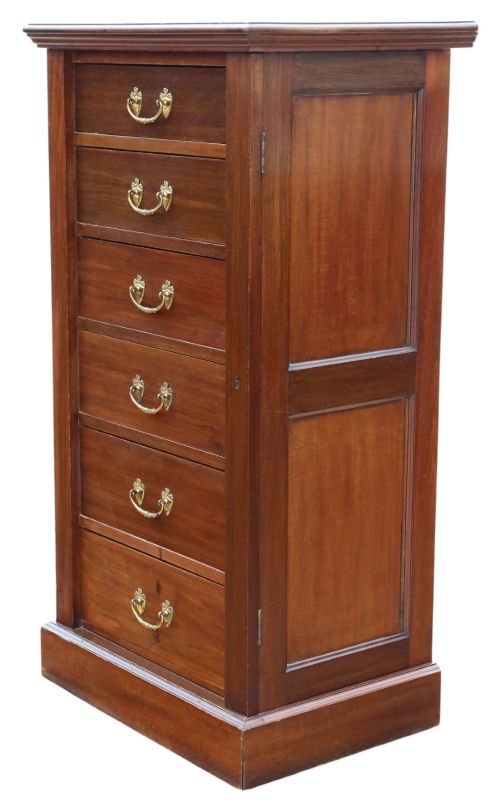
A Wellington chest is a tall, narrow set of drawers distinguished by a hinged vertical locking bar on one side. This bar secures all the drawers simultaneously when locked with a key.
Originally designed for gentleman's dressing rooms or secure storage, these pieces offer substantial vertical capacity while maintaining a compact footprint in modern rooms.
How do I use a collectors cabinet today?
Collectors cabinets provide exceptional compartmentalised storage for modern collections, jewellery, stationery, or dry goods. The numerous shallow drawers keep delicate items separated and organised.
Placing these units in studies, living rooms, or bedrooms allows them to function as feature furniture while protecting contents away from light and dust.
What timber was used in antique cabinets?
Cabinetmakers utilised a wide array of hardwoods and softwoods depending on the period and regional origin. Common choices include mahogany, Cuban mahogany, walnut, oak, fruitwood, ash, and pine.
High-end display pieces often feature decorative veneers like flame mahogany or burr walnut on primary surfaces, supported by secondary structural timbers inside.
How do I distinguish Georgian from Victorian pieces?
Georgian pieces, dating from the eighteenth and early nineteenth centuries, often exhibit restrained classical proportions, fine mahogany or walnut veneers, and understated brass hardware. Victorian items, produced later in the nineteenth century, frequently show heavier proportions, diverse revival styles, and specialised functional forms like apothecary or filing drawers.
Examining the internal drawer construction, timber types, and overall silhouette helps determine the manufacturing era.