

Antique Wood Tallboy
An antique wood tallboy brings vertical storage and timber grain into a bedroom without dominating the floor space.
Antique Wood Tallboy
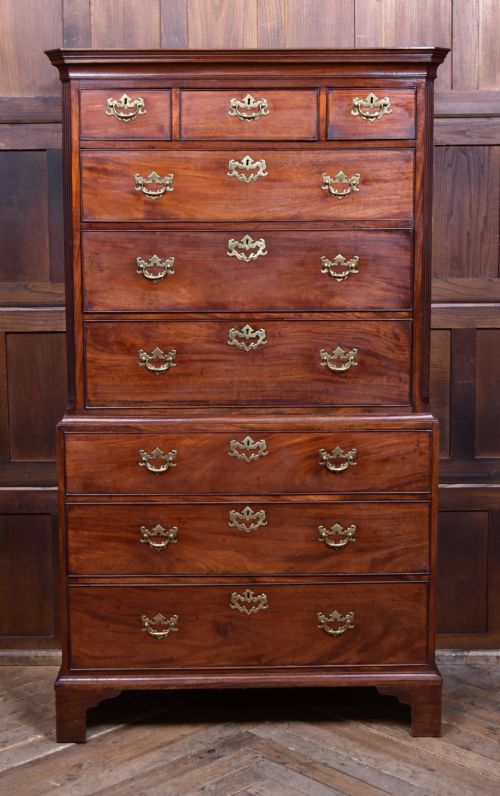
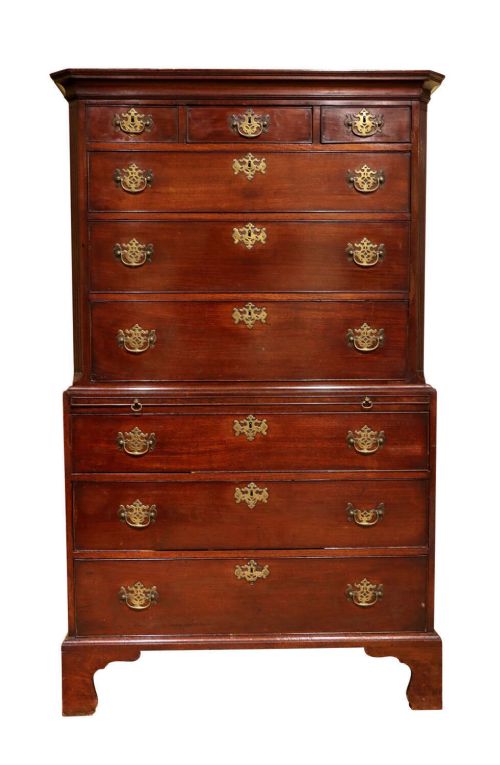
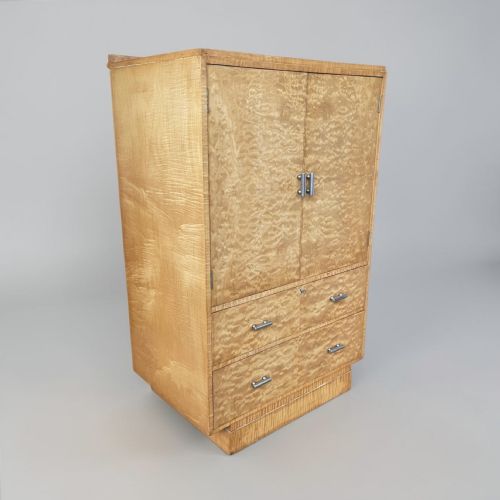
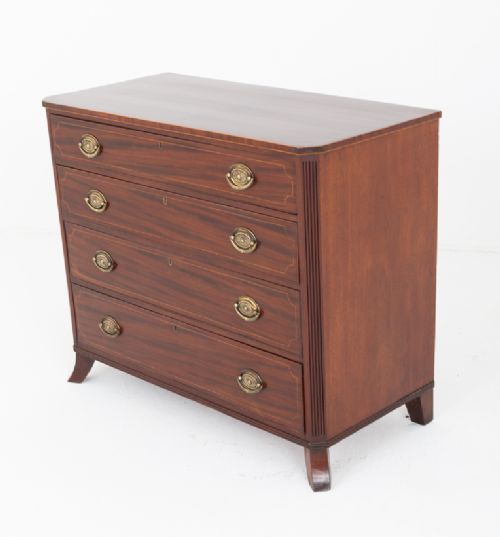
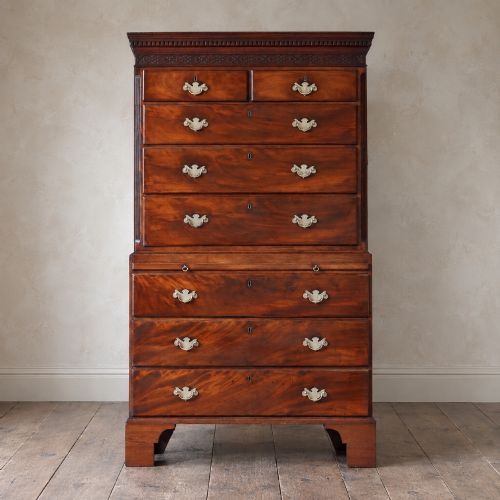
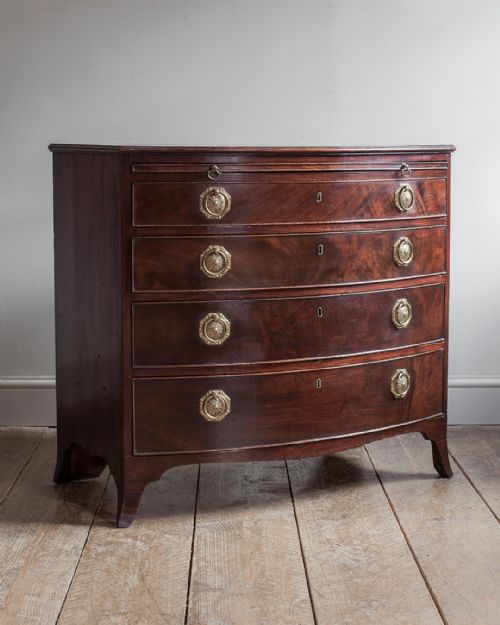
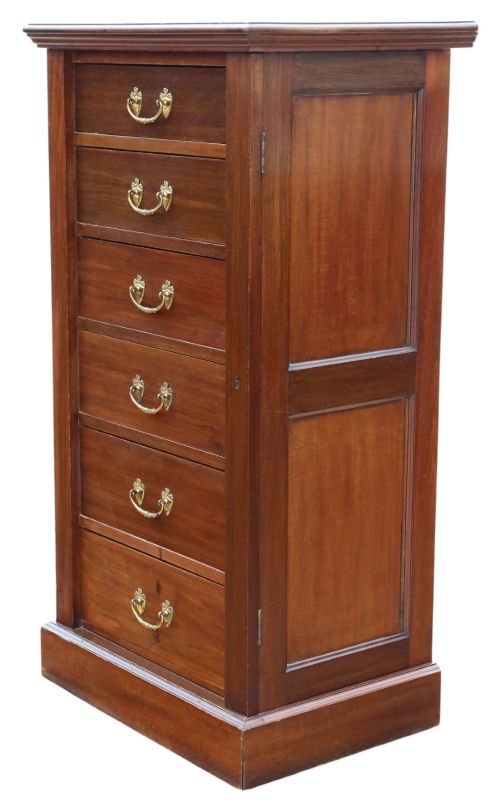
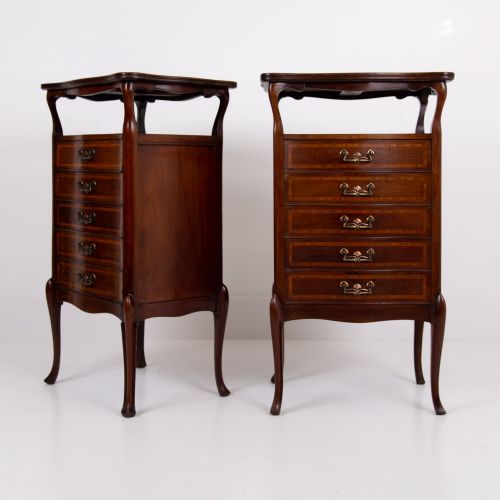
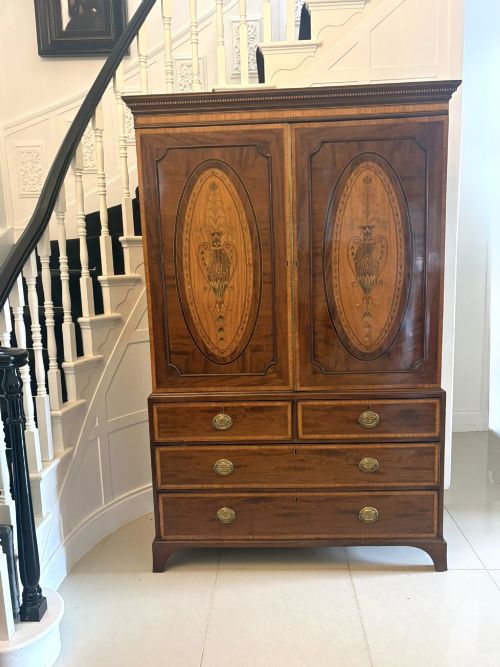
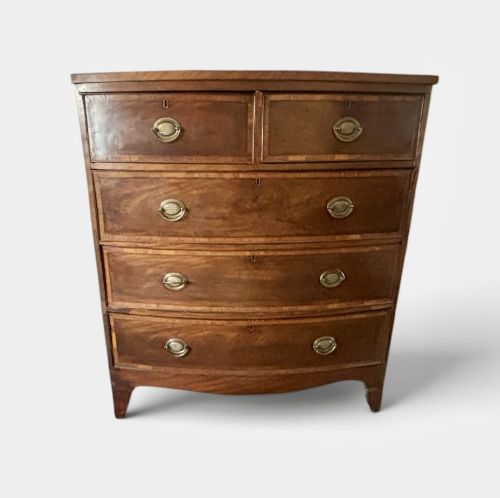
When buyers search for an antique wood tallboy, they encounter stacked storage forms originating from the eighteenth and nineteenth centuries. The selection spans George III chest on chest examples, tall Wellington chests, and linen presses designed to hold household textiles.
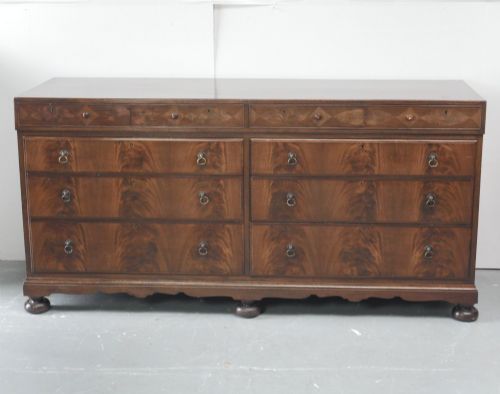
Mahogany dominates the available pieces, frequently figured or arranged with flame veneers, alongside oak, pine, and satinwood. Cabinetmakers built these pieces during the Georgian, Regency, Victorian, and Edwardian eras, matching the formal requirements of period interiors.
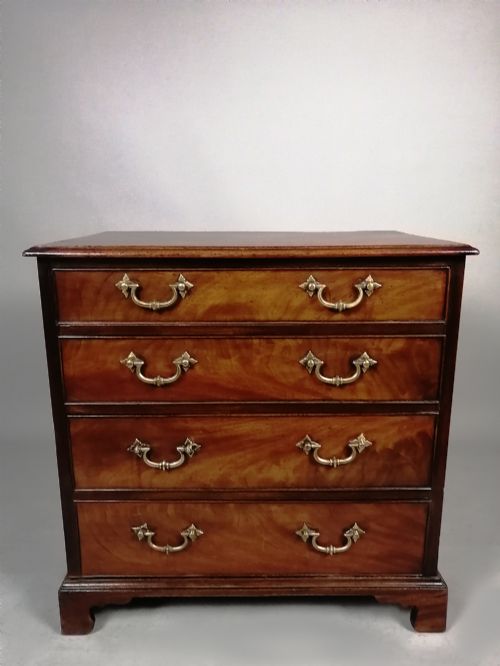
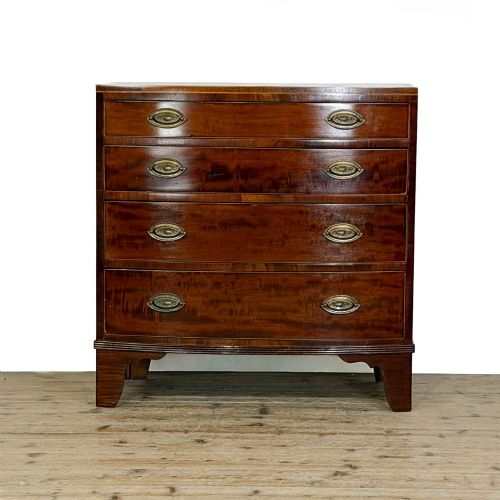
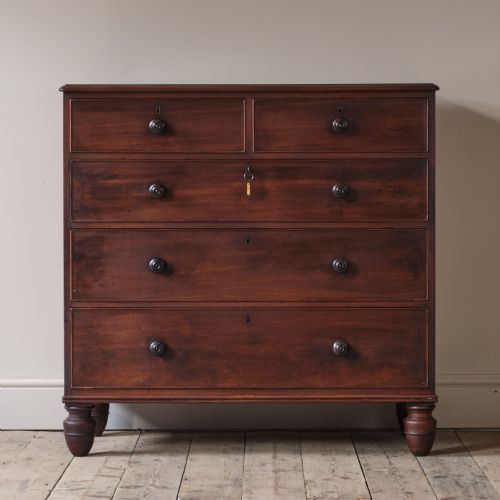
Variants range from narrow twentieth century iterations to substantial Georgian chests carrying brass handles and brushing slides. Buyers also find smaller configurations such as bedside chests and chests on stands.
Materials and construction methods
Carpenters constructed carcases primarily from solid oak and pine, applying mahogany, walnut, or satinwood veneers to primary surfaces. Flame mahogany and figured timber selections demonstrate deliberate grain alignment across multiple drawer fronts.
Joinery techniques involve hand-cut dovetails on drawer construction and internal framing designed to support heavy stacked sections. Brass hardware, including drop handles and escutcheons, secures primary functional points on Georgian and Victorian examples.
Listings span centuries from 1700 through 1930, incorporating oak, mahogany, satinwood, pine, and brass components.
Distinctions in construction and design quality
Quality separates pieces through the crispness of timber figure, the subtlety of wood banding or satinwood inlay, and the retention of original brass handles. Superior examples maintain smooth drawer operation within their carcases without excessive timber shrinkage.
Proportion and execution drive value, distinguishing standard regional items from refined London or provincial cabinetmaker output. Untouched drawer linings and original backboards indicate higher preservation standards across eighteenth and nineteenth-century pieces.
Whytock & Reid·T & G Seddon
The Antique Wood Tallboy Glossary
- Tallboy
- A tall chest of drawers, often constructed as one chest stacked upon another or as a single tall cabinet. These forms maximise storage capacity while utilising minimal floor area in domestic chambers.
- Chest on chest
- A two-part tall storage unit where a smaller upper chest sits directly upon a deeper lower chest. This configuration divides the weight for easier transport.
- Brushing slide
- A pull-out shelf integrated into the upper section of a chest, historically utilised for folding garments or writing correspondence. It operates on wooden runners beneath the top moulding.
- Wellington chest
- A tall, narrow chest of drawers secured by a hinged vertical locking sidebar on one side. The design locks all drawers simultaneously with a single key.
- Satinwood
- A durable, light yellow timber utilised for decorative crossbanding and inlay work on late eighteenth and nineteenth-century furniture. It contrasts richly against darker mahogany carcases.
Antique Wood Tallboy: Frequently Asked Questions
How do I fit a tallboy into a modern bedroom?
A tallboy offers substantial vertical storage while occupying a minimal footprint against a bedroom wall. Measure your ceiling height and clearance space before positioning the piece near wardrobes or bedside cabinets.
Ensure the tallboy is anchored to the wall if the room experiences heavy traffic or if drawers are heavily loaded. This protects the structure and prevents tipping.
What is the difference between a tallboy and a chest on chest?
A chest on chest consists of two distinct cabinet sections stacked vertically, where a narrower upper chest rests on a broader lower base. Traditional tallboys share a similar stacked silhouette but often incorporate wardrobe doors in the upper section.
Both forms provide high-capacity storage while maintaining classical proportions established during the Georgian and Victorian periods.
Can I use a tallboy for storing clothes today?
Tallboys serve as practical wardrobes and drawer units for modern apparel, offering deep drawers for garments and smaller upper drawers for accessories. Line the interior bases with acid-free tissue to protect delicate fabrics from older timber.
Check that the internal runners operate smoothly so the drawers glide without snagging modern clothing items.
How do I identify a Georgian tallboy from a Victorian one?
Georgian tallboys, particularly those from the eighteenth century, frequently feature figured mahogany, cockbeading around drawer edges, and bracket feet or ogee bracket feet. Timber patination tends to show deeper warmth and softer wax buildup over centuries.
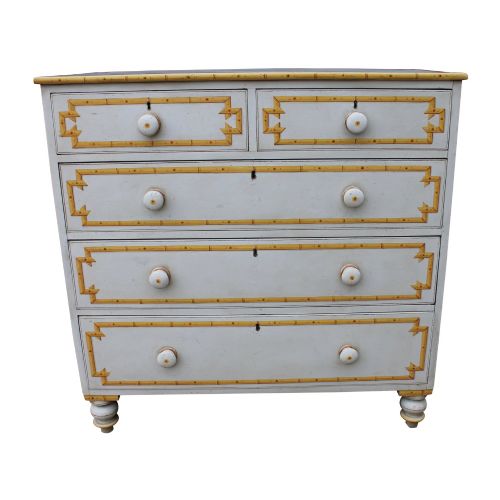
Victorian and Edwardian iterations often introduce bolder mouldings, pine secondary timbers, or machine-cut dovetail variations alongside darker finishes and applied decorative veneers.