


Antique Display Vitrine
An antique display vitrine houses precious objects behind glazed panels, bringing elegance and curated focus to any interior.
Antique Display Vitrine
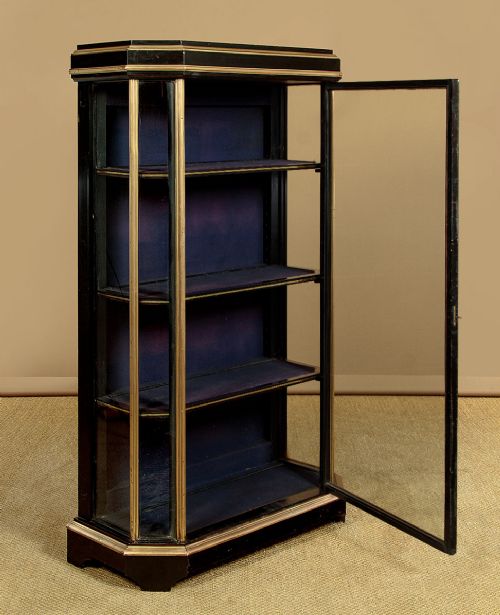
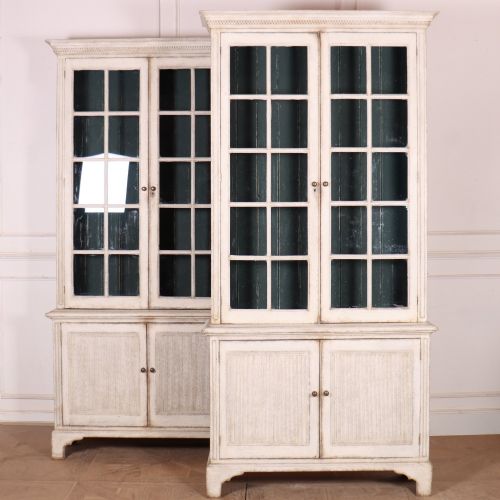
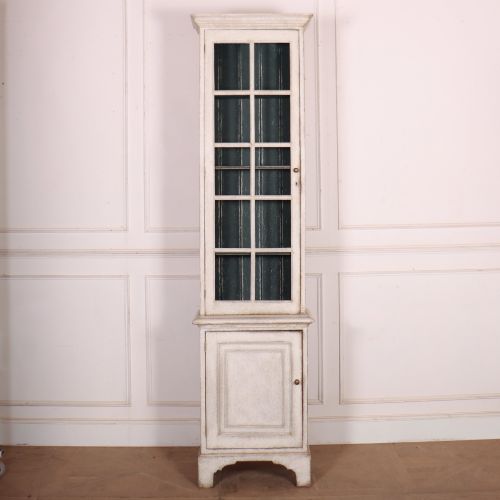
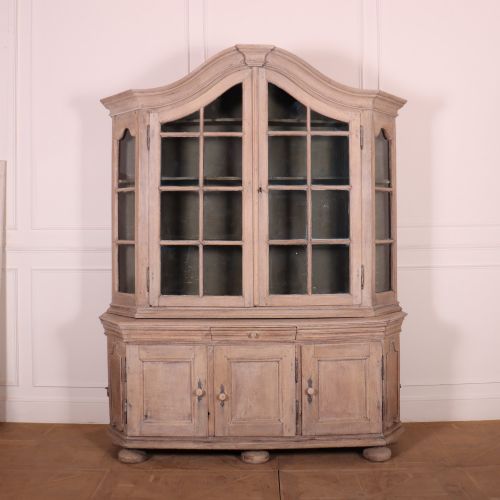
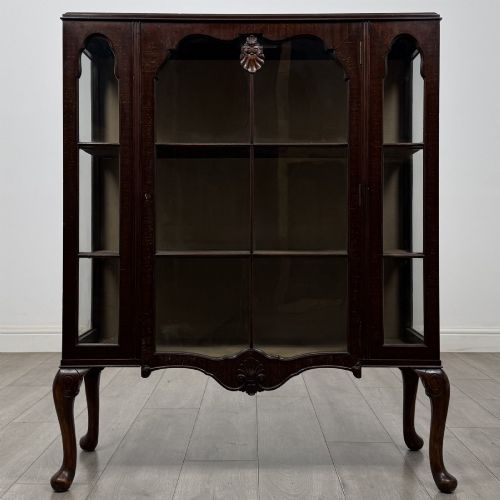
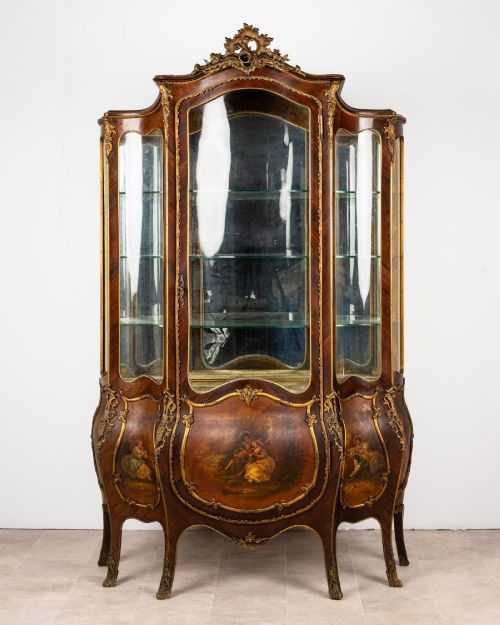
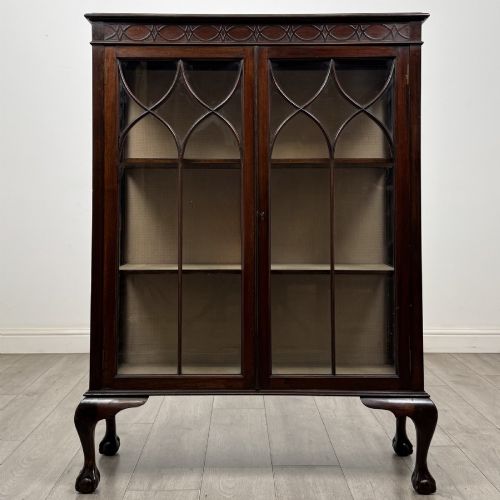
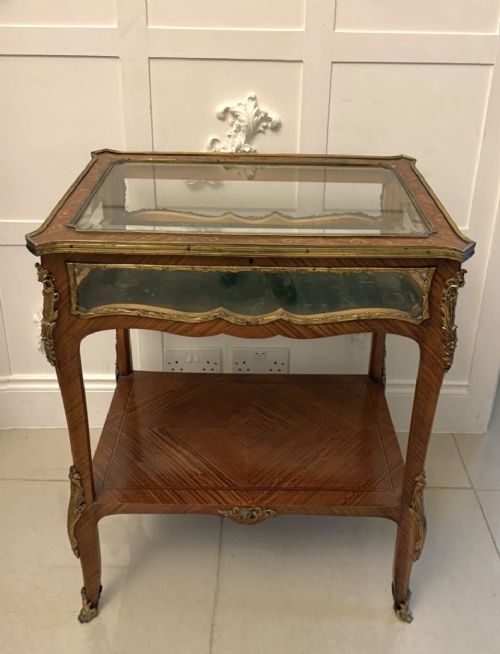
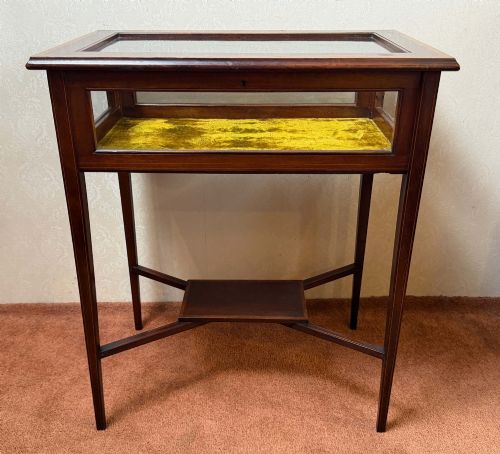
An antique display vitrine serves primarily to exhibit porcelain, glassware, and small curiosities while protecting them from dust. These pieces range from tall freestanding cabinets and corner units to low countertop cases and glazed bijouterie tables designed for tabletop viewing.
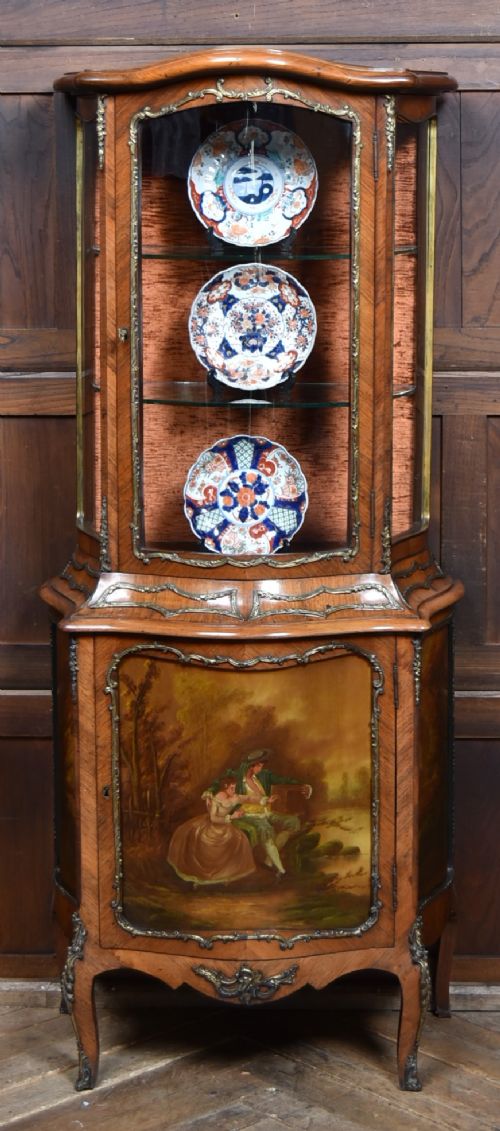
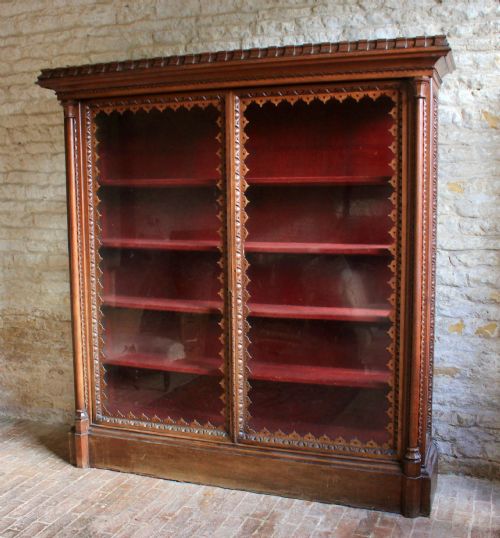
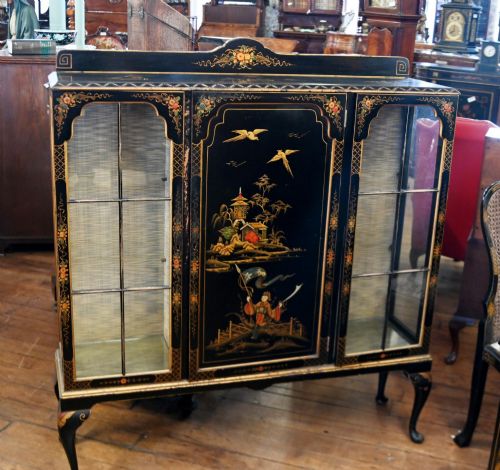
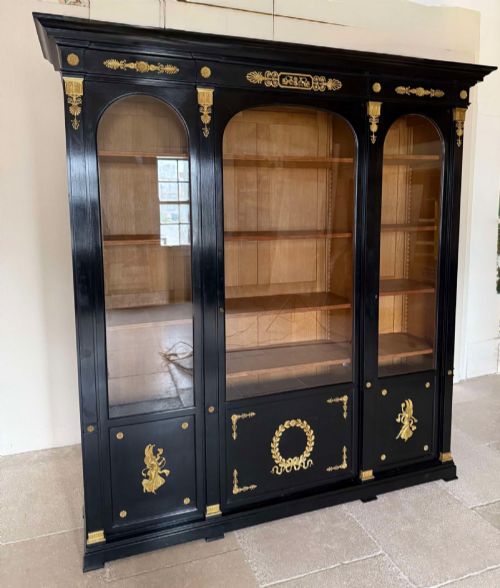
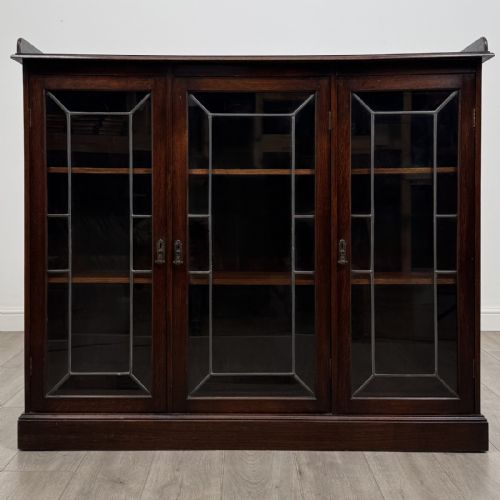
The selection encompasses diverse historical periods, drawing heavily on Victorian and Edwardian craftsmanship alongside French, Dutch, and English regional interpretations. Cabinets appear in formats such as breakfront bookcases, serpentine side units, and elaborate gilt-mounted cabinets.
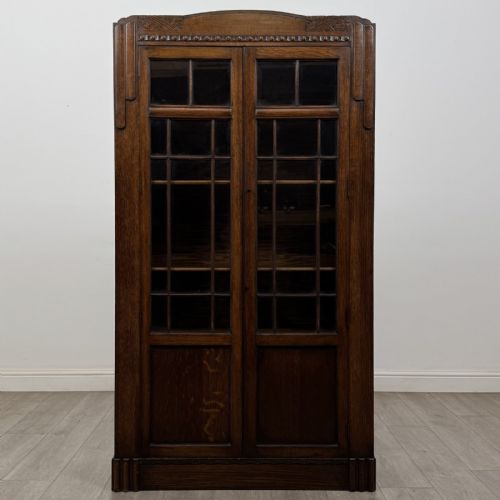
Formations vary from intimate single-door corner cupboards to imposing double-door breakfronts and French bombé shapes. Buyers encounter both utilitarian shop display pieces and highly decorative domestic furniture intended for formal reception rooms.
Materials and construction methods
Cabinet makers relied upon robust timber carcasses fashioned from mahogany, walnut, oak, and satinwood, frequently embellished with delicate marquetry, brass stringing, or kingwood veneers. French examples frequently integrate ormolu mounts, marble tops, and hand-painted Vernis Martin panels.
Glazing represents a core structural element, utilising leaded, astragal-framed, or curved glass panes to maximise internal light exposure. Interior linings typically consist of velvet, silk, or complementary fabric to create a contrasting backdrop for displayed items.
Antique Display Vitrine Retail Price Guide 2026
Typical asking prices for display vitrine among the pieces listed under this phrase on Sellingantiques today, from the lower quarter to the upper quarter. They describe what is for sale here now, not the wider market.
Countertop vitrines once tempted Victorian shoppers with glittering trinkets right beside the cash desk.
Distinctions in craftsmanship
Superior examples distinguish themselves through the precision of their timber selection, such as figured mahogany or meticulously matched burl walnut, paired with hand-carved ornamentation rather than cast substitutes. The fluidity of curved glass and the integration of fire-gilded ormolu mounts signal higher workshop standards.
Internal execution reveals the artisan's hand, seen in finely dovetailed drawer construction, original mirrored backs, and well-fitted locking mechanisms. Pieces bearing signatures or attributions to prominent makers command distinct appreciation for their documented provenance and design integrity.
Jas Shoolbred·Collinson & Lock·Hampton & Sons·Edwards & Roberts·F. Sage & Co
The Antique Display Vitrine Glossary
- Vitrine
- A glass-fronted cabinet designed specifically for displaying fine porcelain, curiosities, or art objects. The term originates from the French word for glass.
- Bijouterie table
- A glazed display table with a shallow compartment beneath the top, traditionally used for holding jewellery, medals, and small trinkets.
- Vernis Martin
- A type of decorative lacquer finish developed in eighteenth-century France, characterised by translucent painted scenes applied to furniture panels.
- Ormolu
- Gilt bronze mounts cast and chased to embellish furniture frames, corners, and legs, prevalent in fine French cabinet making.
- Astragal glazing
- Wooden or metal bars dividing a glass window or door into smaller panes, adding geometric structure to cabinet doors.
Antique Display Vitrine: Frequently Asked Questions
How do I choose the right size vitrine?
Measure your available floor space and ceiling height carefully before selecting a cabinet format. Tall breakfronts and narrow pier cabinets suit larger vertical spaces, while corner units and countertop models fit restricted layouts.
Consider the scale of the objects you plan to exhibit inside. Shallow bijouterie tables work well for flat items and jewellery, whereas multi-shelf bookcases accommodate taller ceramic collections.
Where should I place a display vitrine?
Position your cabinet away from direct sunlight to protect delicate interior fabrics and organic materials from fading. Stable interior temperatures help preserve antique timber and prevent warping.
Ensure the floor is level so that heavy glazed doors hang correctly and latch smoothly. Ambient room lighting can be supplemented with subtle internal illumination to highlight your displayed pieces.
How do I clean and maintain the glass?
Use a soft, lint-free cloth and a mild glass cleaner applied directly to the cloth rather than sprayed onto the cabinet. This prevents moisture from seeping into vulnerable wooden frames or painted surfaces.
Inspect brass hinges and locks periodically to ensure smooth operation without forcing tight mechanisms. Avoid abrasive materials that might scratch historic glass panels.
Can these cabinets support heavy porcelain?
Most antique vitrines feature adjustable or fixed wooden and glass shelving designed for normal decorative use. Heavy ceramic services should be distributed evenly across lower shelves to maintain balance.
Examine shelf supports and timber brackets to confirm structural stability before loading heavy items. Delicate glass shelves require particular care regarding weight distribution.