



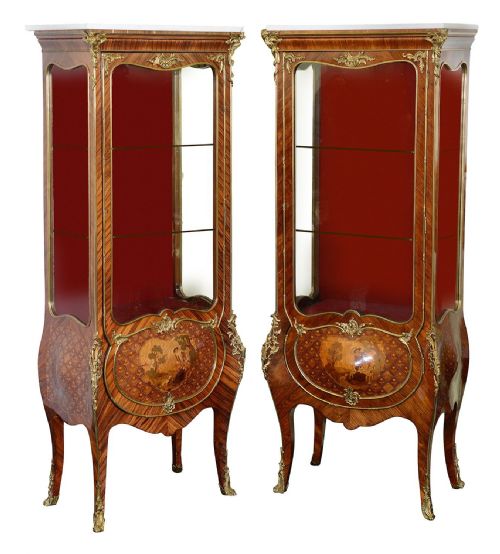

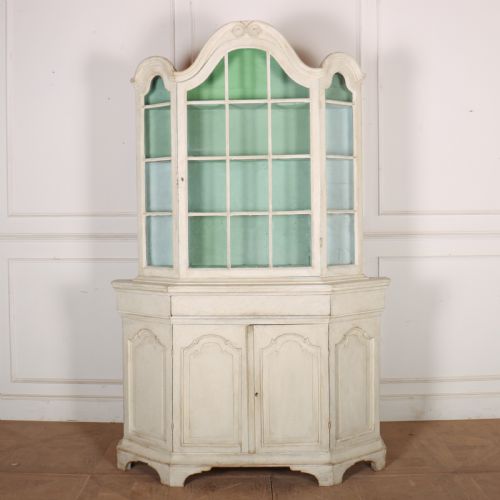


Rococo Style Vitrine
A rococo style vitrine brings opulent display and sweeping curves to a room, framing precious objects behind glazed panels.
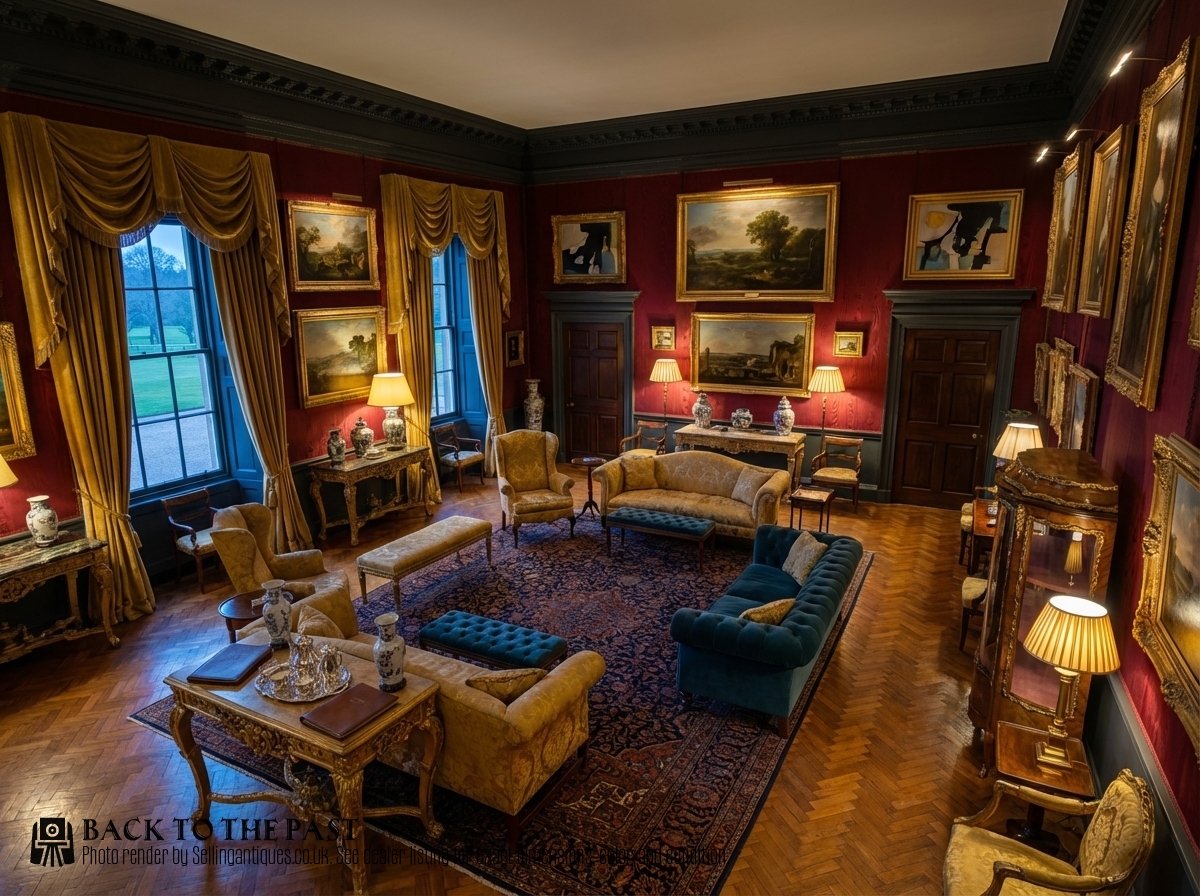
Rococo Style Vitrine
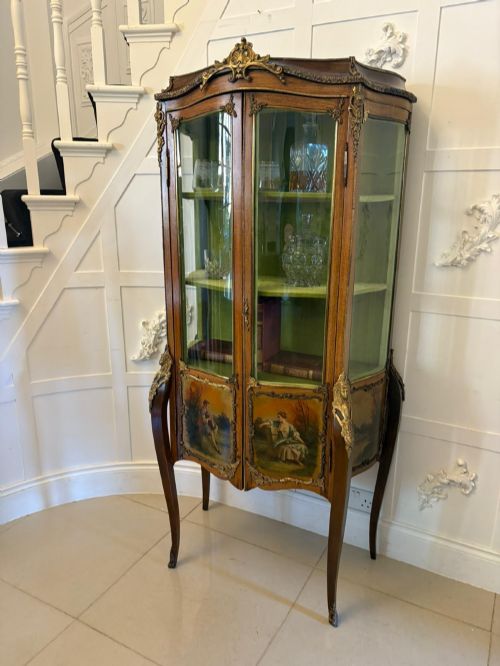
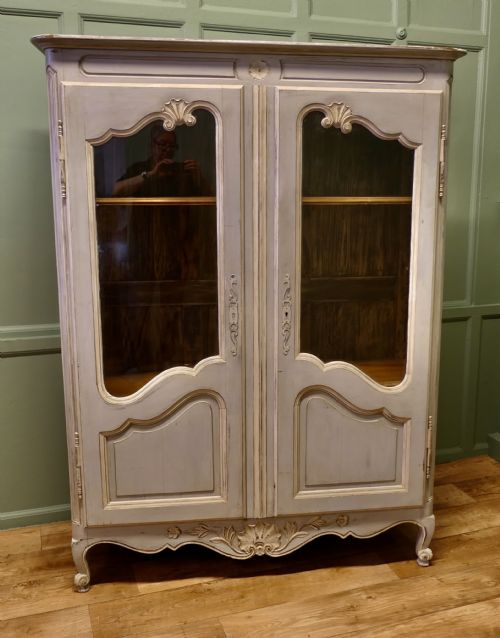
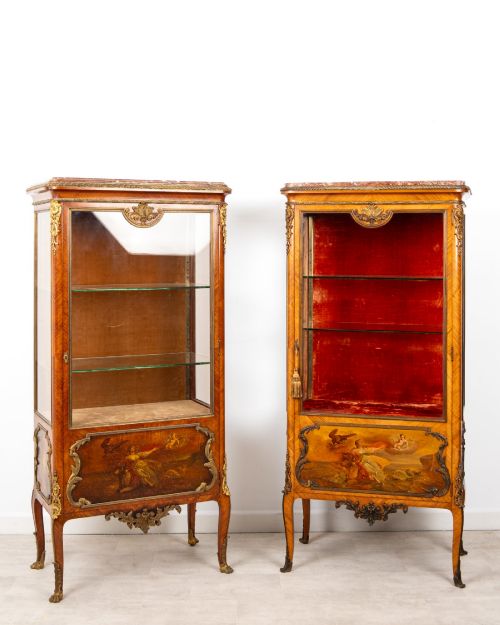
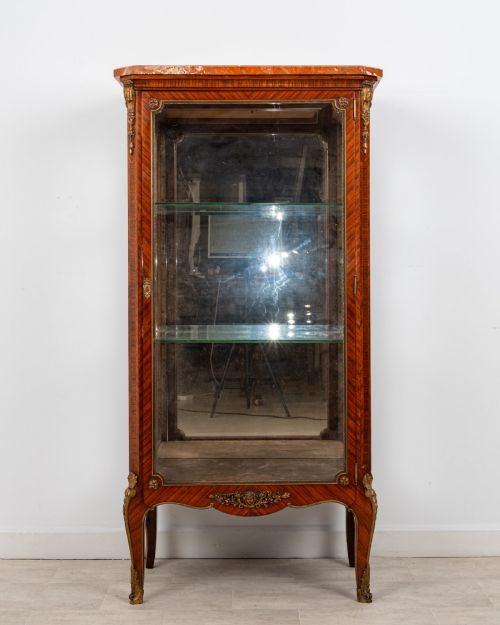
A rococo style vitrine is a glazed display cabinet built to showcase porcelain, silver and curiosities behind glass doors and sides. These pieces draw heavily on French design, channelling the curves and ornamental flourish of the eighteenth century into nineteenth-century revivals.
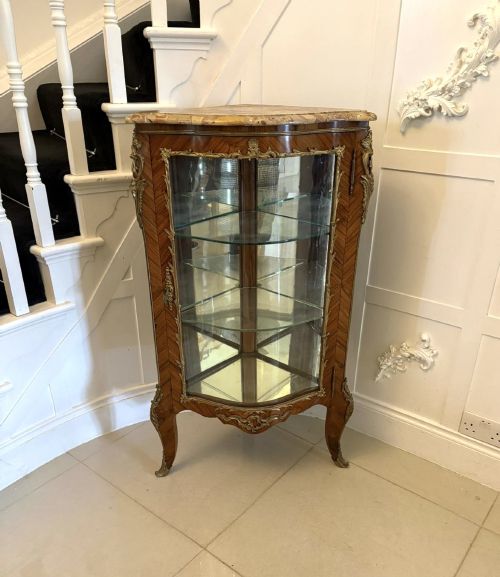
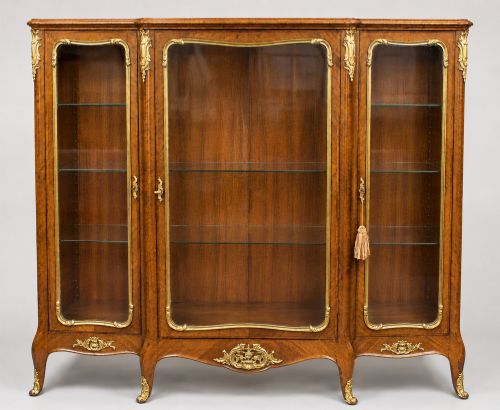
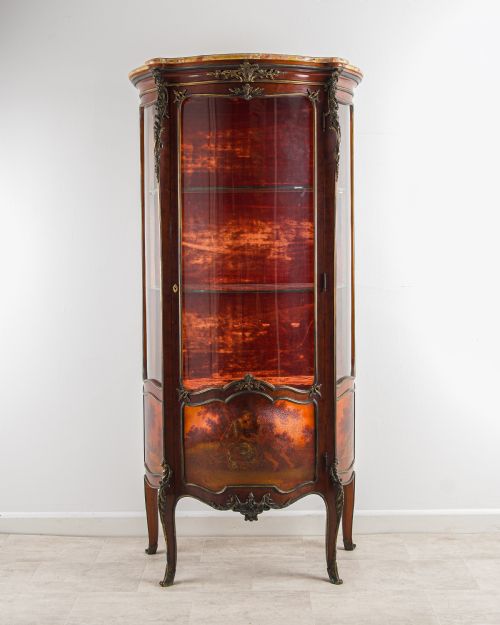
You will most frequently encounter nineteenth-century pieces on this page, spanning the Victorian and Edwardian eras alongside specific continental items. Forms range from serpentine freestanding cabinets and corner units to bijouterie tables and bombe silhouettes.
Makers and workshops of the period looked directly to Louis XV and Louis XVI aesthetics, pairing glass with rich timbers and gilt mounts. Whether you select a tall double-door cabinet or a compact corner vitrine, the core purpose remains the display of treasured possessions.
How they were made
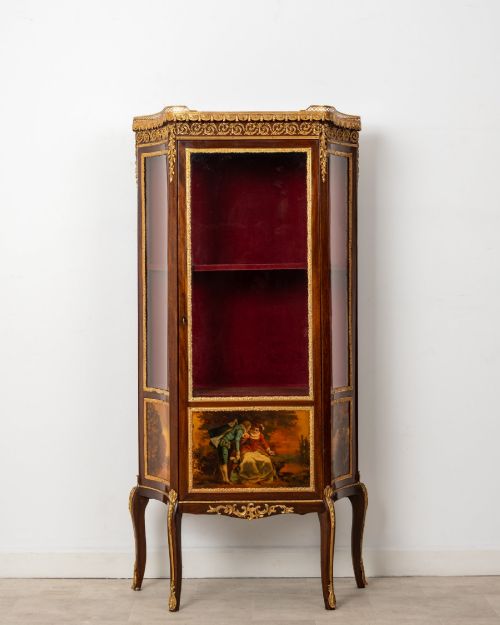
Cabinetmakers constructed these frames using core timbers such as kingwood, mahogany and rosewood, frequently applying intricate marquetry or painted Vernis Martin panels. Ormolu and gilt bronze mounts were cast and chased to accentuate the sweeping serpentine contours of the woodwork.
Gilded bronze or brass mounts frame the glazed doors and corners, while inset marble tops provide a durable and luxurious upper surface. Joinery relied on traditional techniques to support heavy glass panels and curved timber fronts without losing structural integrity.
Rococo Style Vitrine Retail Price Guide 2026
Typical asking prices for rococo style vitrine among the pieces listed under this phrase on Sellingantiques today, from the lower quarter to the upper quarter. They describe what is for sale here now, not the wider market.
Listings include items spanning the Victorian, Edwardian and Georgian periods, alongside nineteenth-century continental pieces.
What varies in quality
The standard of carving and the weight of the ormolu mounts distinguish the finer examples from simpler workshops. Crisp chiselling on the gilded bronze and the depth of the timber veneers indicate the level of craftsmanship invested in the piece.
Proportion and the handling of serpentine or bombe curves dictate the visual balance of the cabinet. Well-executed glazing bars, substantial marble slabs and signed bronze work separate standard production from exceptional furniture.
François Linke·Gouffel
The Rococo Style Vitrine Glossary
- Ormolu
- Gilded bronze used for decorative mounts and accents on furniture. This technique gives metallic highlights that complement rich timber veneers.
- Vernis Martin
- A type of decorative lacquer finish developed in France, often featuring painted pastoral scenes. It appears frequently on panels of nineteenth-century display cabinets.
- Serpentine
- A furniture front or top curving inward centrally and outward at the sides. This contour adds movement and depth to cabinet design.
- Bombe
- An outwardly bulging or swelling shape characteristic of continental furniture. It creates a pronounced rounded silhouette on the base or doors.
- Bijouterie table
- A glass-topped display table designed for holding small ornaments and jewellery. These low display pieces share stylistic traits with taller vitrines.
Rococo Style Vitrine: Frequently Asked Questions
What is a rococo style vitrine used for?
These cabinets were originally designed to protect and display delicate porcelain, silver and collectibles behind glass.
Today, they serve the same purpose in a home, offering an elevated way to exhibit objects while keeping them free from dust.
How do I identify a nineteenth-century piece?
Nineteenth-century pieces often combine revival styles like French Rococo with Victorian manufacturing methods and timber choices.
Look at the construction of the interior, the type of glass, and the mounting of the ormolu for clues to the period.
What timber is most common?
Kingwood and mahogany appear frequently across these listings, often paired with rosewood or marquetry details.
These dense woods provided a stable base for the elaborate curving veneers and polished finishes typical of the style.
Where should I place a corner vitrine?
Corner cabinets fit neatly into unused angles of a room, making efficient use of space while drawing the eye upward.
They work well in reception rooms or drawing rooms where floor space near flat walls is already occupied.