




Antique Display Hand
These antique display hand items span centuries of porcelain and cabinet making, offering distinctive decorative forms for the home.
Antique Display Hand
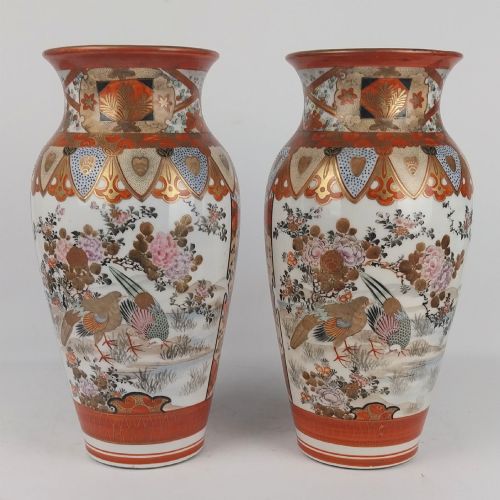
An antique display hand search gathers a diverse mix of decorative objects, furniture, and ceramics from periods ranging through the eighteenth, nineteenth, and early twentieth centuries. Buyers encounter items such as porcelain plates, large chargers, cabinets, vases, and étagères originating from English, French, Chinese, and Japanese makers.
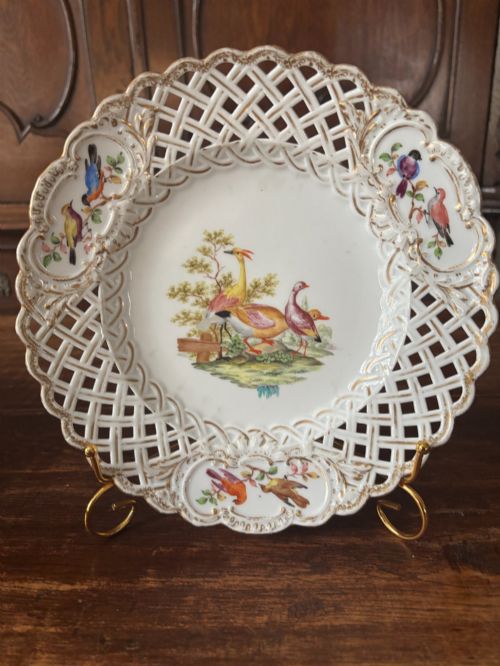
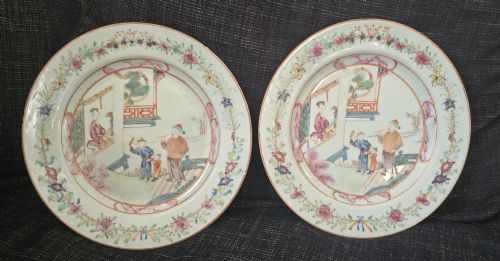
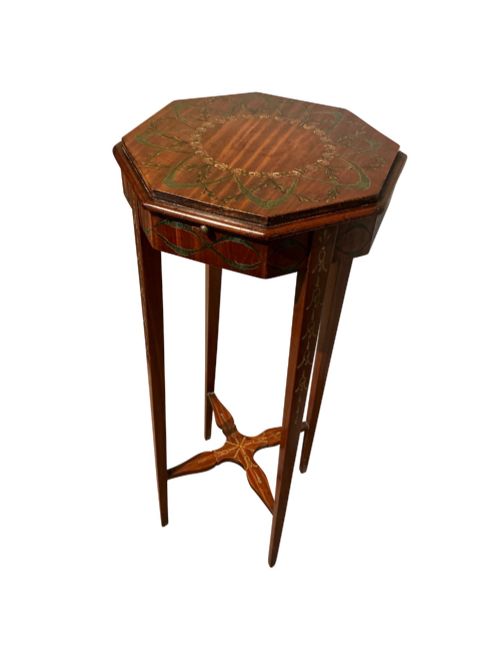
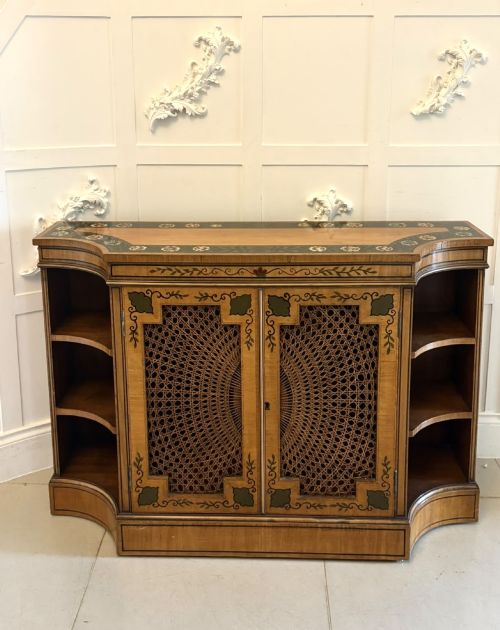
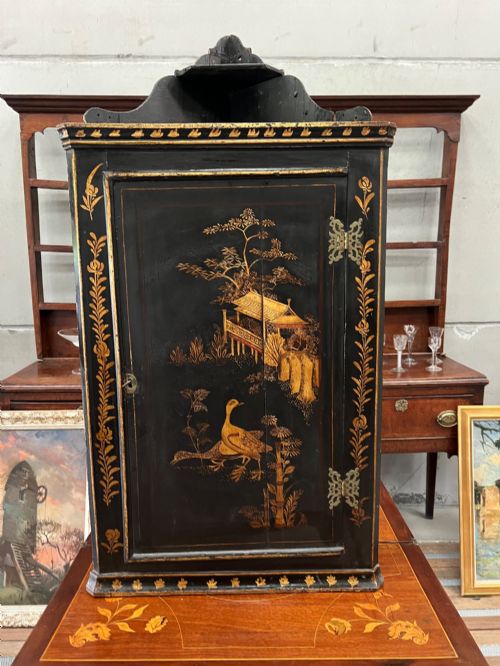
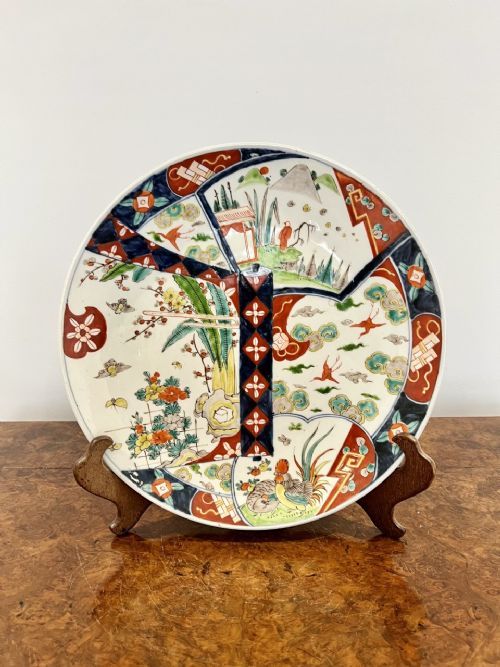
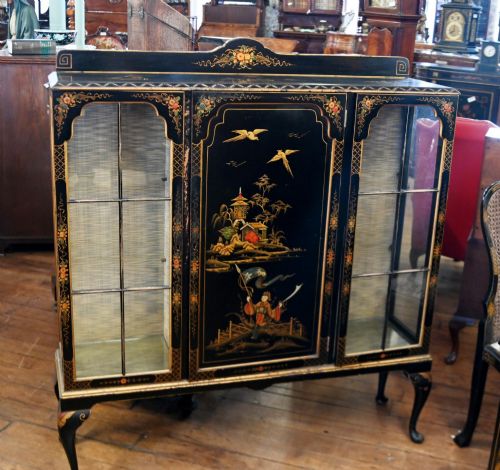
The selection on this page leans heavily toward ceramic plates, decorative chargers, and cabinets spanning the Georgian, Victorian, Edwardian, and Art Deco eras. Pieces display influences from Japanese Imari, Chinoiserie, and Meissen styles alongside practical furniture forms like red lacquered wedding cabinets and mahogany étagères.
How they were made
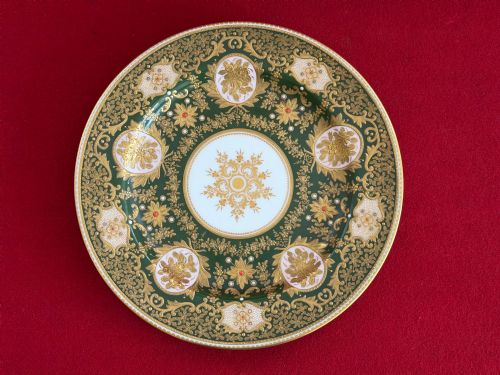
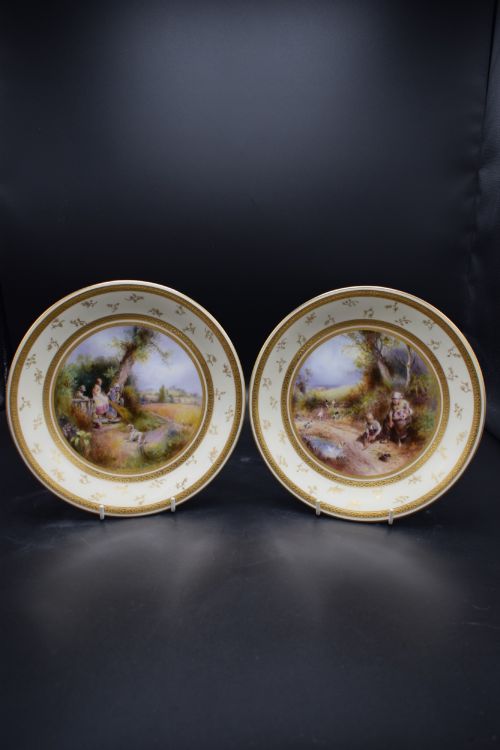
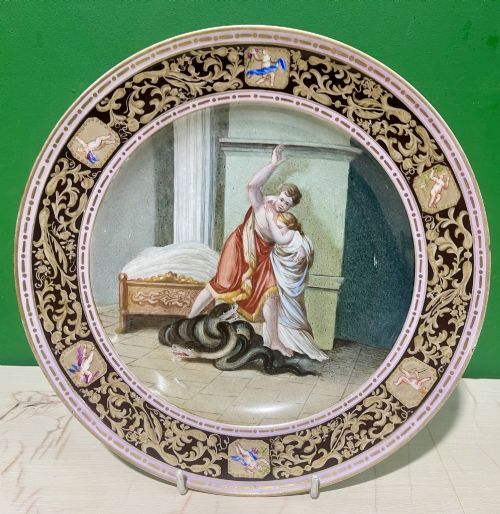
Porcelain and bone china items utilise detailed hand-painting, gilding, and gold leaf applications over fired ceramic bodies, as seen in English Worcester plates and Japanese Imari chargers. Cabinetry and display furniture employ hardwoods such as oak, mahogany, and satinwood, often finished with lacquer or vernis martin techniques.
Makers shaped ceramics through traditional throwing and moulding methods before applying complex surface decoration, while furniture pieces incorporate carved wooden elements, ormolu mounts, and marble tops.
Antique Display Hand Retail Price Guide 2026
Typical asking prices for display hand among the pieces listed under this phrase on Sellingantiques today, from the lower quarter to the upper quarter. They describe what is for sale here now, not the wider market.
Listings feature items from the eighteenth, nineteenth, and early twentieth centuries, spanning periods such as Georgian, Victorian, Edwardian, and Art Deco.
What varies in quality
Quality in these items depends on the precision of the hand-painted detail and the crispness of the gilding on ceramics, where superior examples exhibit clean brushwork and well-preserved enamels. Furniture quality rests on the depth of the lacquer finish, the selection of timber veneers, and the execution of decorative mounts.
Pieces from established kilns and workshops demonstrate greater refinement in form and decoration compared to standard commercial wares of their respective periods.
Barr, Flight and Barr·Royal Vienna·Moorcroft·H and R Daniel·Royal Worcester
The Antique Display Hand Glossary
- Imari
- A style of Japanese export porcelain characterised by underglaze blue and iron red, supplemented with gold. It gained popularity in Europe during the Edo period.
- Étagère
- A piece of furniture consisting of open shelves for displaying small objects or ornaments. These pieces typically feature multiple tiers supported by slender columns.
- Chinoiserie
- A European artistic style reflecting Chinese motifs and techniques. It appeared frequently in decorative arts and furniture throughout the eighteenth and nineteenth centuries.
- Vernis Martin
- A simulated Japanese lacquer technique developed in France. Artisans applied multiple layers of varnish to create a glossy, decorative surface on furniture and cabinets.
- Ormolu
- Gilded bronze mounts used to decorate furniture and porcelain objects. Craftsmen cast and gilded the bronze elements to add ornamental detail.
Antique Display Hand: Frequently Asked Questions
What periods do these items cover?
The listings include pieces spanning from the early eighteenth century through the Georgian, Victorian, and Edwardian eras up to the 1930s.
Each period brings distinct stylistic characteristics, from eighteenth-century Chinese porcelain to early twentieth-century Art Deco and lacquer work.
How are Japanese Imari pieces identified?
Japanese Imari items typically display a distinct palette of underglaze blue, iron red, and gold leaf highlights. These pieces include chargers, dishes, and bowls produced during the Meiji period and earlier.
The intricate patterns often combine floral and geometric motifs across porcelain surfaces.
What materials appear most frequently?
Porcelain, bone china, and earthenware form the majority of the ceramic listings, alongside glass and various decorated wares. Furniture pieces utilise woods such as mahogany, oak, and satinwood with lacquer and paint finishes.
Precious additions like gold leaf, gilding, and ormolu mounts enhance many of the decorative items.
How should antique cabinets be placed?
Cabinets, étagères, and pedestals serve as functional display surfaces for ceramics, vases, and decorative objects. Placing them away from direct sunlight protects delicate lacquer and painted wood finishes.
Ensure larger pieces like marriage cabinets or multi-tiered shelves have adequate floor stability.