
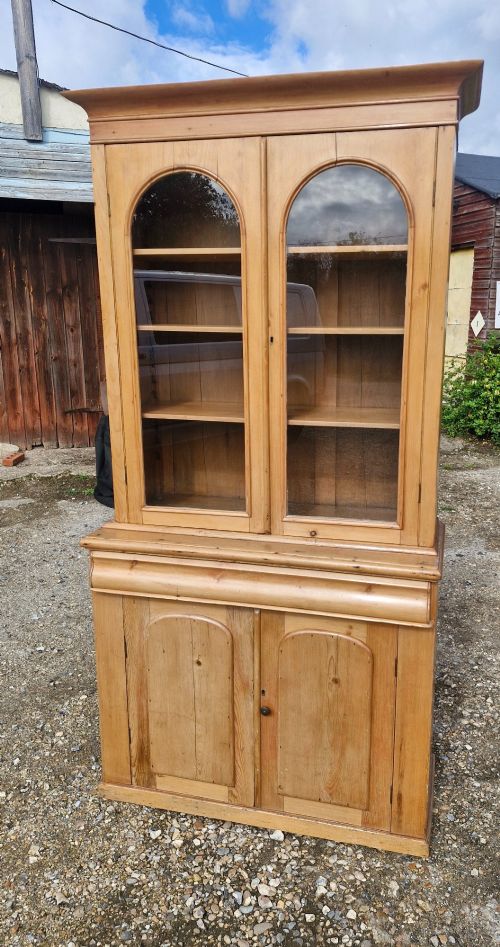
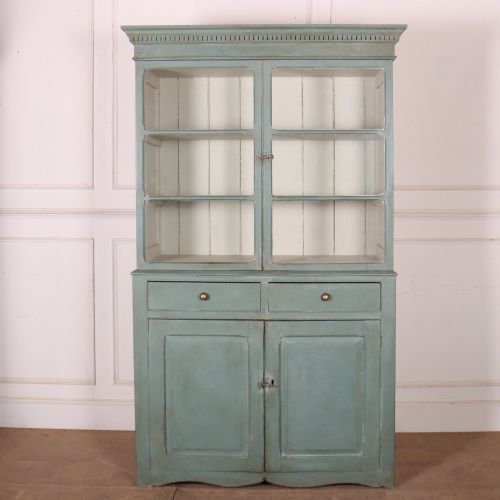
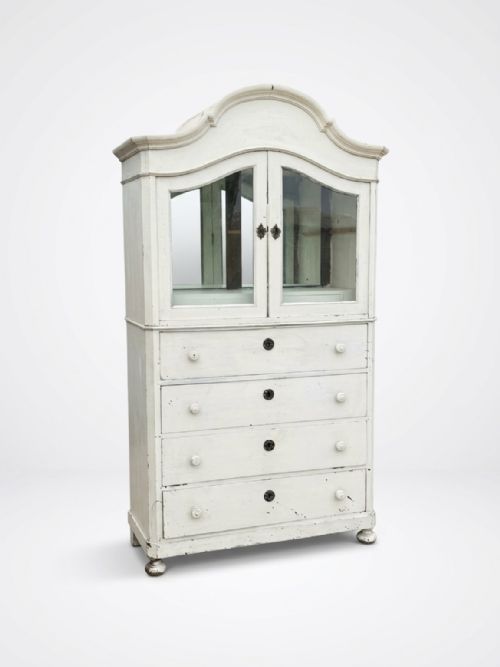
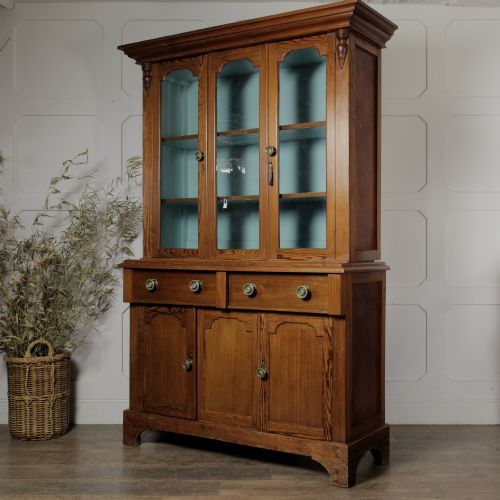
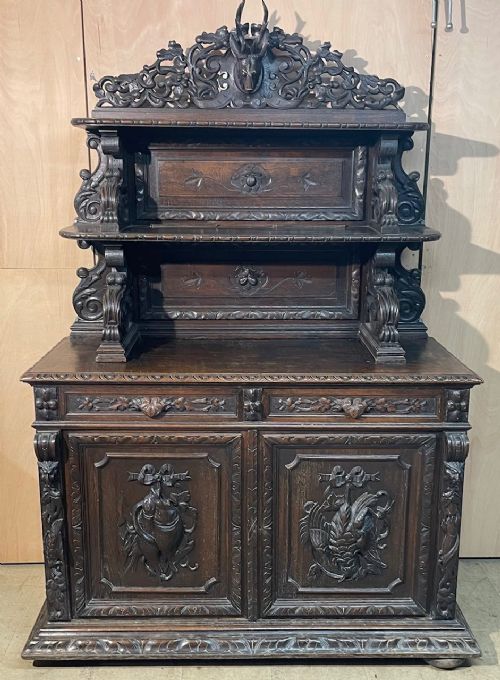
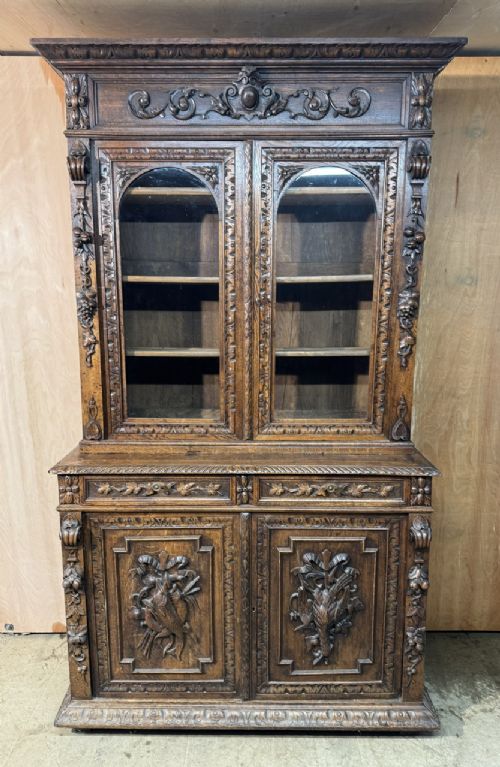
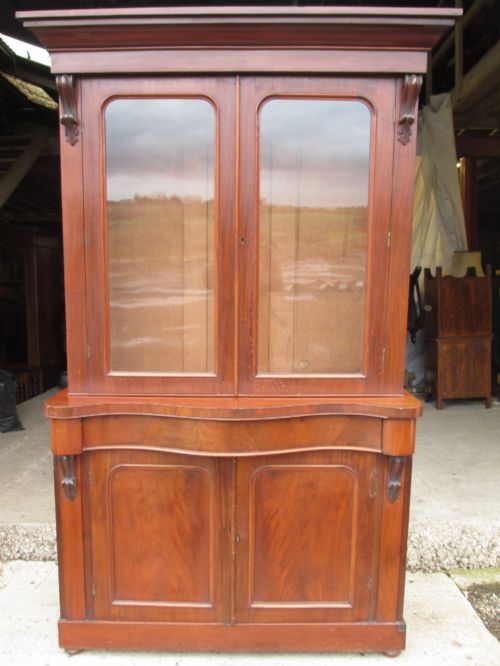
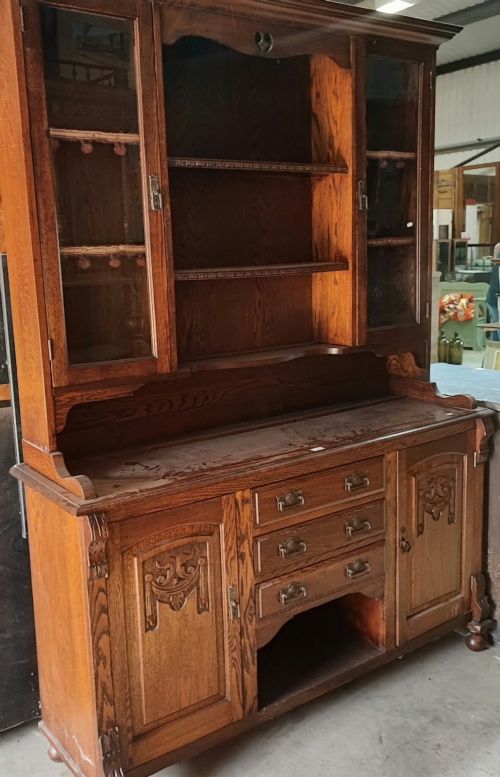
Antique Display Dresser
An antique display dresser combines the functional storage of a kitchen base with upper shelving or glazed cabinets to showcase ceramics and glassware.
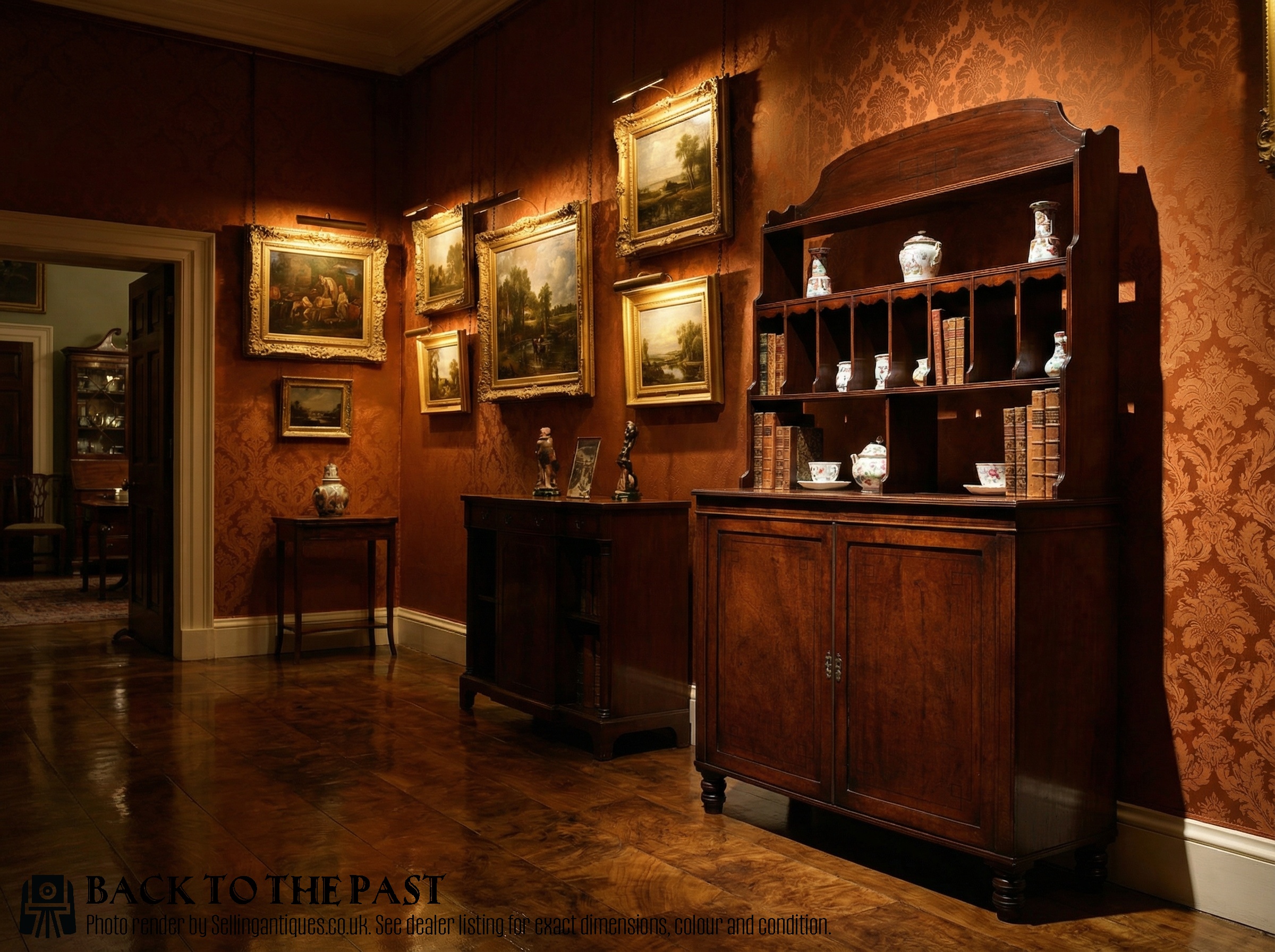
Antique Display Dresser
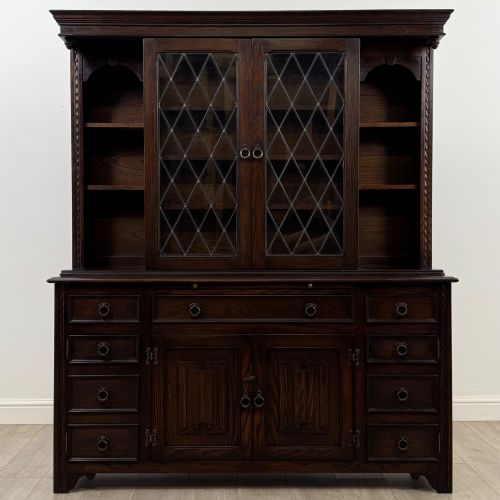
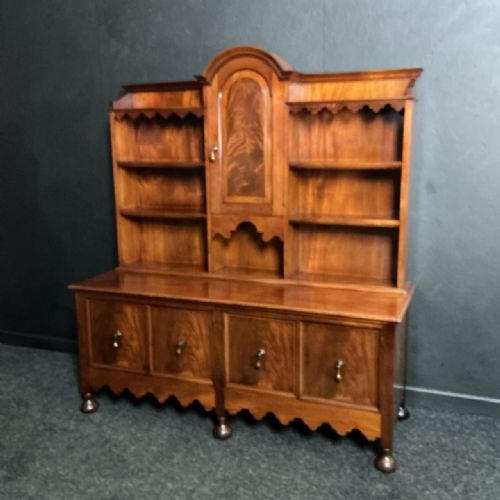
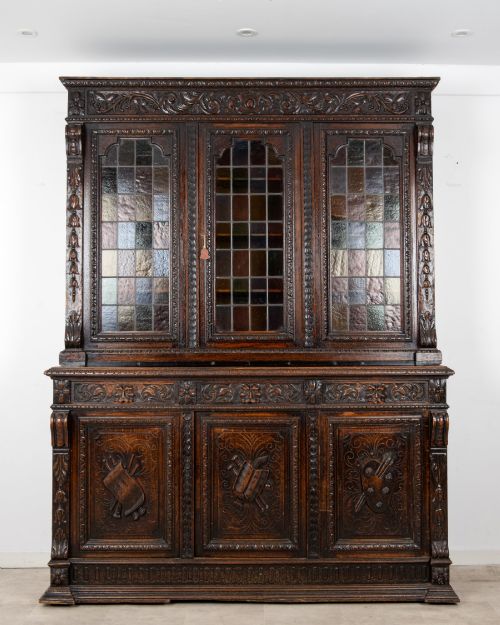
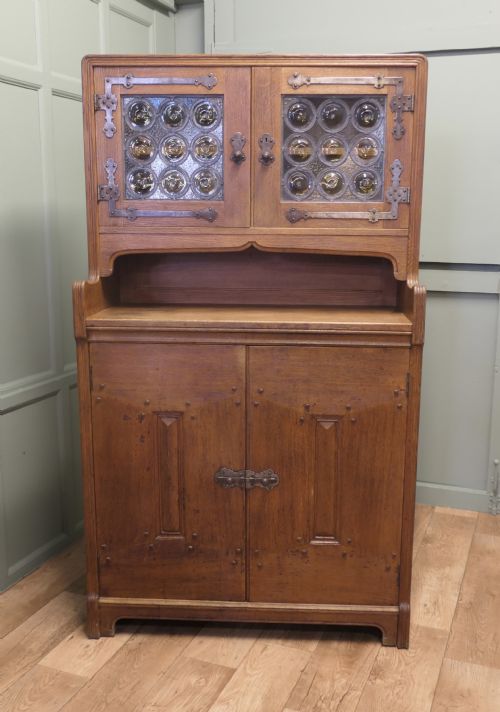
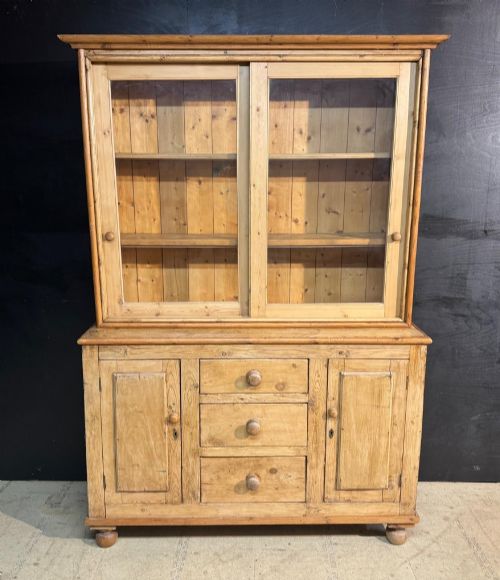
An antique display dresser is a substantial piece of furniture designed to hold and exhibit household objects. Buyers searching this phrase typically encounter two main forms: the traditional Welsh dresser featuring plate racks above a lower cupboard base, and the glazed display cabinet or bookcase.
The pieces on this page span several centuries, with particular strength in 18th-century Georgian and 19th-century Victorian examples. Regional variations include French provincial buffets, Scottish glazed kitchen cabinets, and English country pine pieces.
Makers and workshops utilised these dual-purpose units in kitchens, dining rooms, and parlours for everyday storage and public display.
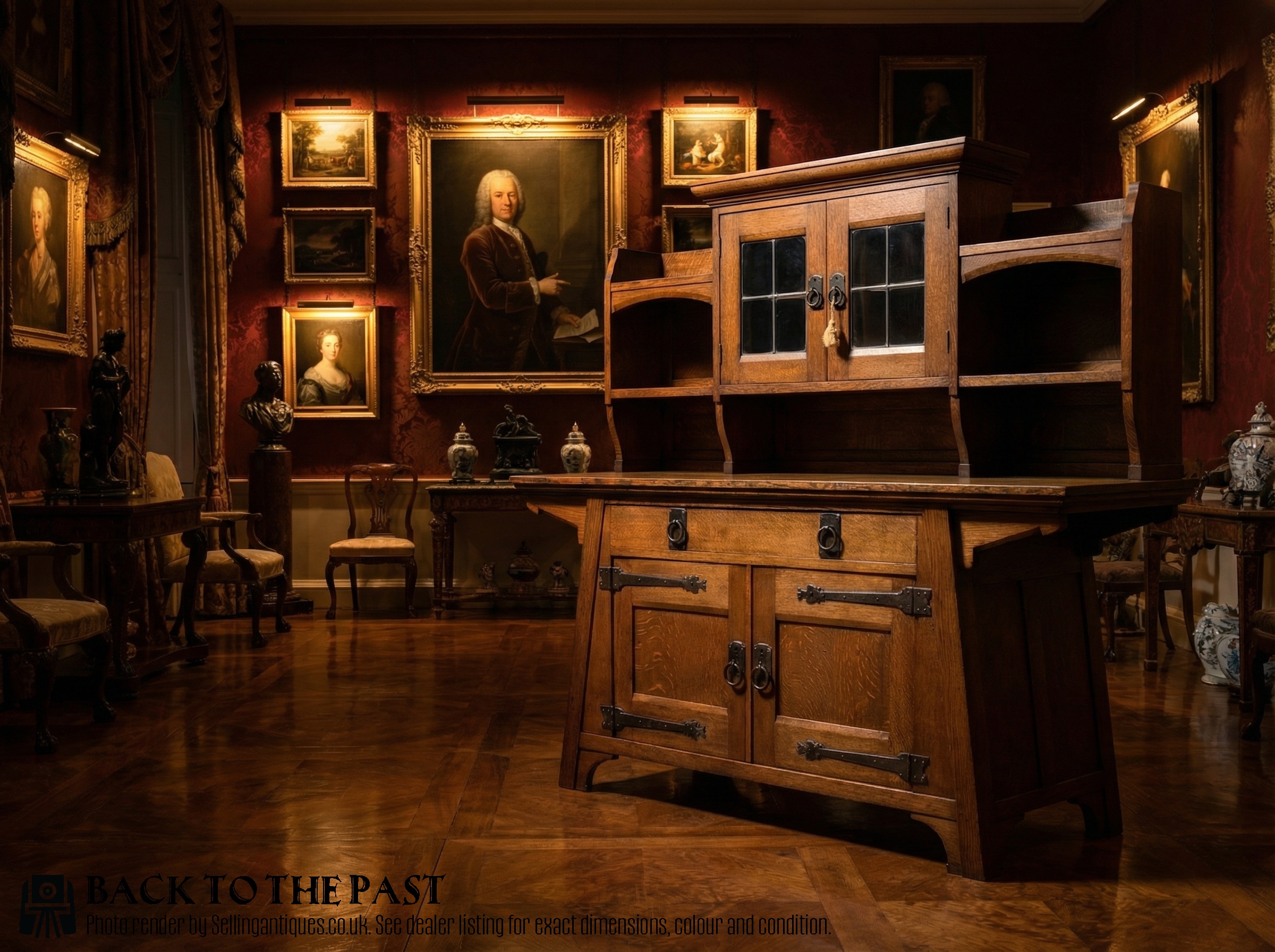
How They Were Made
Cabinet makers constructed these dressers primarily using native timbers such as oak, mahogany, pine, and pitch pine. Solid wood formed the structural frames, bases, and plate racks, while secondary softwoods often appeared in internal carcases and drawer linings.
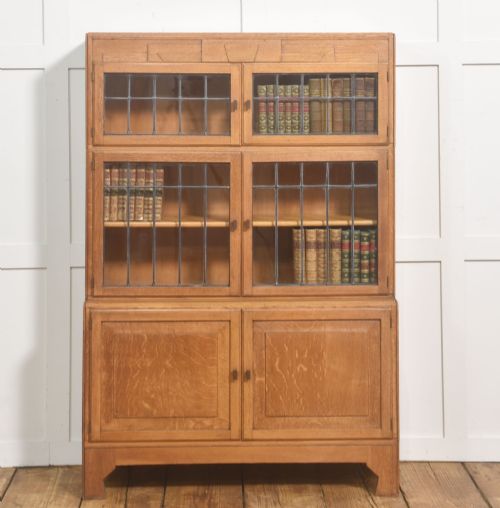
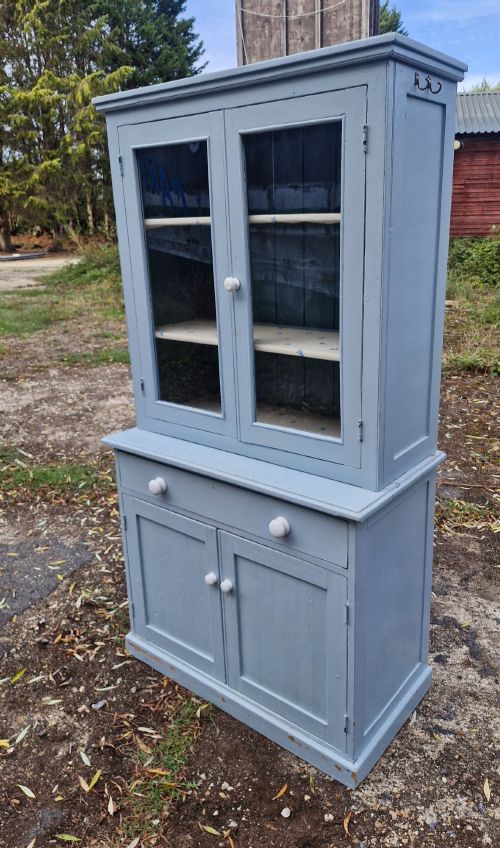
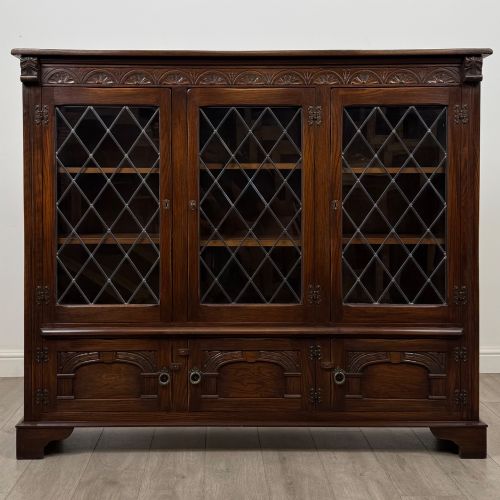
Glazing techniques incorporated clear, stained, or leaded glass panes held by timber or brass astragals within the upper doors. Surface finishes ranged from natural waxed and polished patinas to painted treatments and elaborate carved ornamentation.
Antique Display Dresser Retail Price Guide 2026
Typical asking prices for display dresser among the pieces listed under this phrase on Sellingantiques today, from the lower quarter to the upper quarter. They describe what is for sale here now, not the wider market.
Several pine dressers retain generations of kitchen grease beneath their layers of wax.
What Varies In Quality
The standard of a piece rests upon the selection of timber grain, the precision of joinery in the drawers and doors, and the preservation of original surfaces. Master carpenters executed tight dovetail joints and balanced proportions that distinguish fine vernacular work from basic utility furniture.
Original hardware, intact leaded or glazed glass panels, and undisturbed patinas elevate the integrity of a dresser. Alterations to plate racks or replaced cornices alter the original character established by the maker.
The Antique Display Dresser Glossary
- Plate rack
- Open wooden shelving integrated into the upper section of a dresser designed to stand plates upright. This feature allows ceramic collections to remain visible and secure.
- Buffet deux corps
- A heavy two-section storage unit comprising a lower cupboard base surmounted by an upper display cabinet. French makers frequently built these architectural pieces in oak or walnut.
- Astragal
- A narrow moulding used to hold panes of glass within a glazed cabinet door. These wooden bars create geometric grid patterns across the display area.
- Welsh dresser
- A traditional kitchen unit combining a base of drawers and cupboards with an open rack above. These items originated as working furniture for rural domestic spaces.
- Patina
- The deep surface sheen and colour developed by wood over decades of handling and polishing. This quality indicates age and consistent historical care.
Antique Display Dresser: Frequently Asked Questions
What is an antique display dresser?
An antique display dresser is a two-part furniture item featuring a lower storage base paired with upper open shelves or glazed cabinets. These units serve both practical storage needs and the presentation of china.
Craftsmen built them across the Georgian, Victorian, and Edwardian eras using woods like oak and pine.
Where were these dressers used?
Historically, households placed these pieces in kitchens, pantries, and dining rooms to store everyday tableware and display prized ceramics. The open racks and glass doors kept items accessible yet protected.
Today, they function similarly in domestic interiors for organising dinnerware or books.
How do I identify the period?
Dating relies on construction methods, timber choices, and stylistic details such as carved ornamentation or hardware. Georgian and 18th-century examples often display heavy oak framing and simple lines, while Victorian pieces incorporate glazed doors and darker finishes.
Edwardian items frequently show lighter oak or mahogany construction influenced by the Arts and Crafts movement.
Can I separate the top and bottom?
Most traditional dressers and two-body cabinets separate into an upper rack or display section and a lower base unit for ease of transport. The top portion typically rests upon or secures into the lower sideboard carcase.
Checking the internal joins confirms whether the two sections originally belonged together.