



Antique Dish Dome
When you search for an antique dish dome, you are looking at heavy plate and pottery covers made to keep food warm or cheese fresh at the table.
Antique Dish Dome
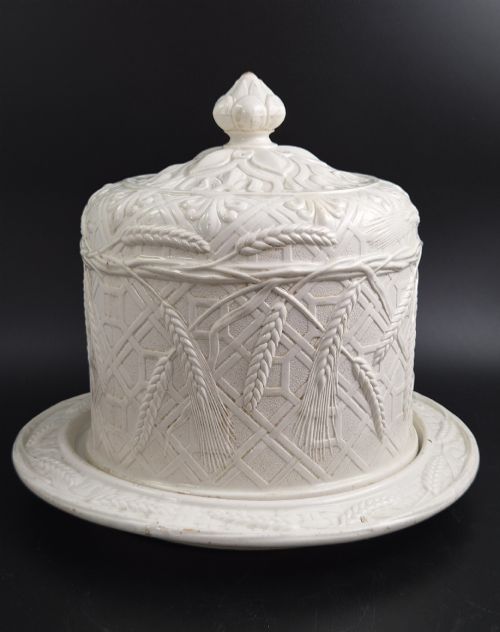
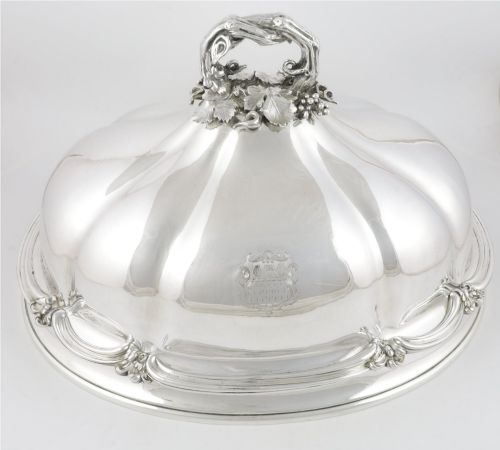
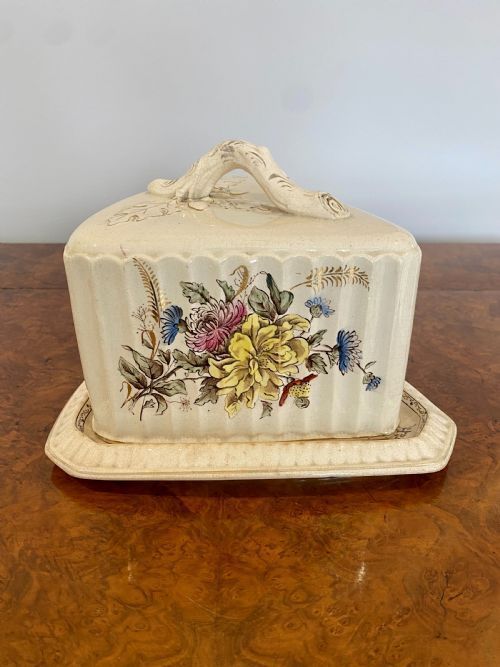
An antique dish dome covers food on the dining table, taking the form of large meat covers for joints or smaller bells and covers designed specifically for cheese and butter. The versions you meet most often on this page date from the nineteenth century into the Edwardian period, spanning Georgian beginnings up to nineteen twenty.
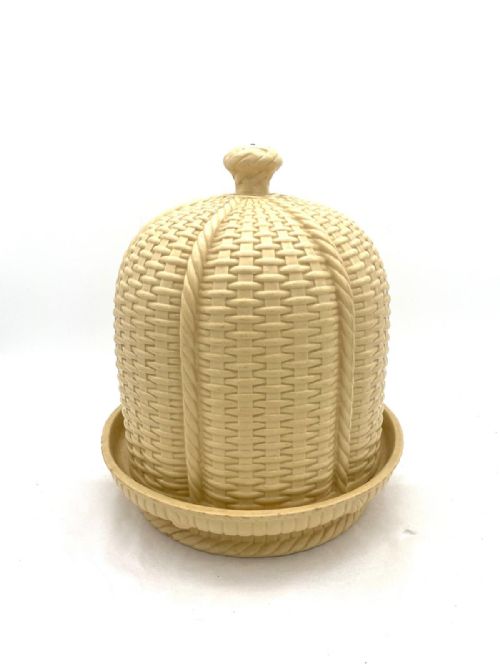
The materials split between gleaming metalwork in silver plate and Old Sheffield plate, and robust ceramics including white ironstone, earthenware, glazed ceramic, and colourful Majolica. Makers range from large potteries like Wedgwood and Copeland to specialist silversmiths, producing serving dishes, cloches, and stands that often include matching trays.
How they were made
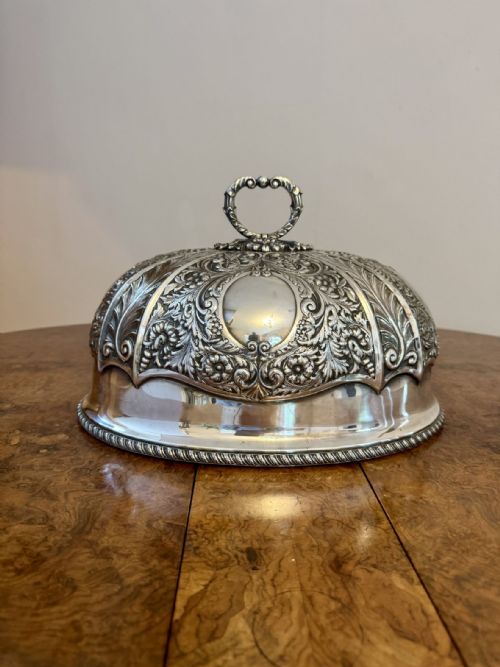
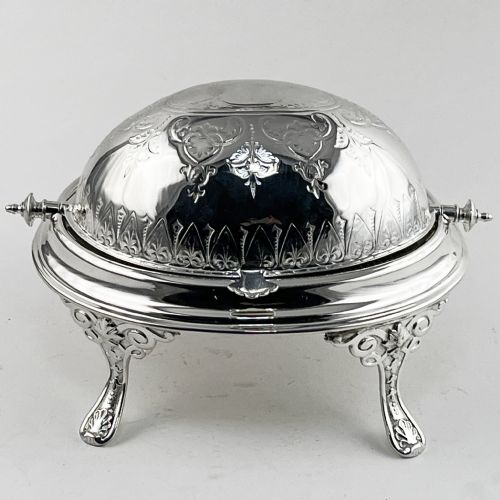
Metal domes rely on heavy silver plating over a base metal, or the earlier Old Sheffield plate method where a thin layer of silver is fused to copper. Silversmiths formed these large covers by hammering or pressing the metal, often adding cast handles and engraved crests.
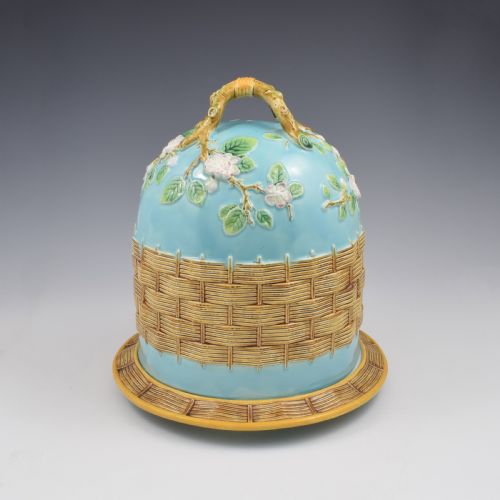
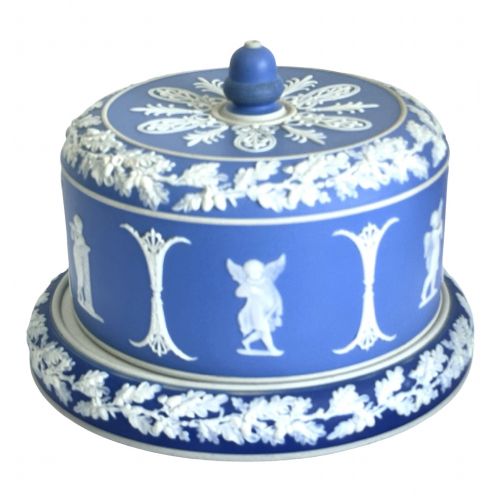
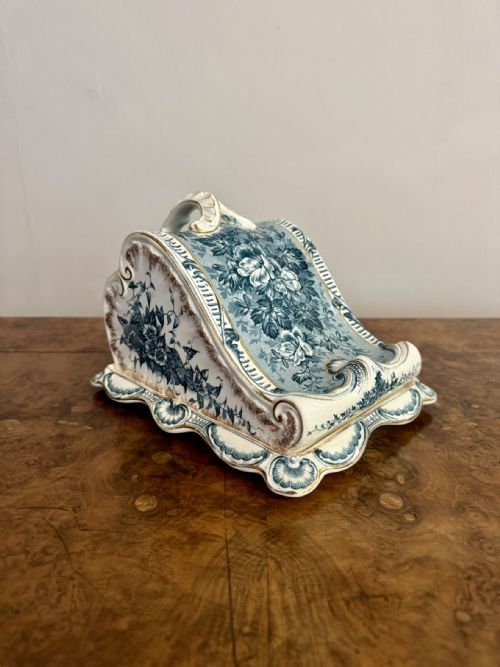
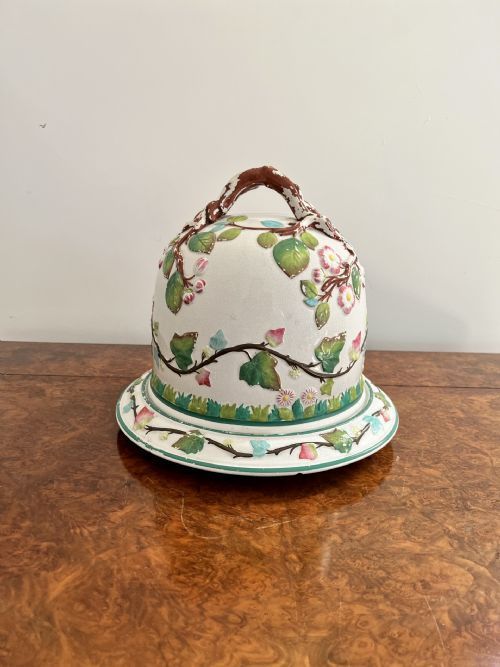
Ceramic domes draw on earthenware, ironstone, and jasperware, shaped in moulds and fired before receiving glazes or transfer-printed decoration such as the Pagoda pattern. Majolica pieces required specialised lead glazes over moulded relief designs, capturing natural forms like apple blossom and basket weave.
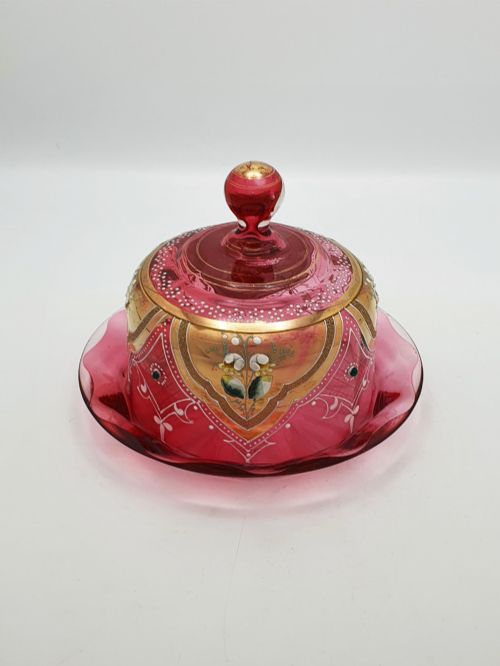
Materials represented include silver plate, Old Sheffield plate, ironstone, earthenware, cranberry glass, and Majolica glaze.
What varies in quality
Quality rests on the weight of the metal and the crispness of the ceramic moulding. Heavy silver plate and thick Old Sheffield plate retain their plating better over large expanses and resist dents, whereas lighter metals feel flimsy when lifted.
Ceramic quality shows in the depth of the glaze and the precision of the detail on relief work like basket weave or apple blossom. Finer pieces maintain sharp lines across the body and stand straight, while simpler versions lack the same sculptural depth.
Roberts Cadman·George Jones·Wedgwood·Henry Wilkinson·James Dudson·Mappin and Webb·Boulton·Copeland·Atkin Brothers
The Antique Dish Dome Glossary
- Old Sheffield plate
- An early method of fusing a thin sheet of silver to a copper core before shaping. It is often identified by the subtle gleam of copper showing through where the silver has worn thin over decades of polishing.
- Ironstone
- A heavy, durable type of earthenware patented in the nineteenth century for utilitarian tableware. It provides a strong, opaque white body well suited to large cheese domes.
- Majolica
- A type of earthenware coated with colourful lead glazes that pool in relief details. Victorian makers used this technique to create vibrant, textured cheese bells and stands.
- Jasperware
- A fine stoneware developed by Wedgwood, notable for its matte surface and contrasting white cameo reliefs. It frequently appears on nineteenth-century cheese dishes.
- Cloche
- A bell-shaped cover designed to protect food or retain heat on a dish. The term applies to both glass and silver plated variants.
Antique Dish Dome: Frequently Asked Questions
What is the difference between a meat dome and a cheese dome?
Meat domes are large, deep covers fashioned from silver plate or Old Sheffield plate, designed to fit over roasting joints on platters and keep them warm before carving.
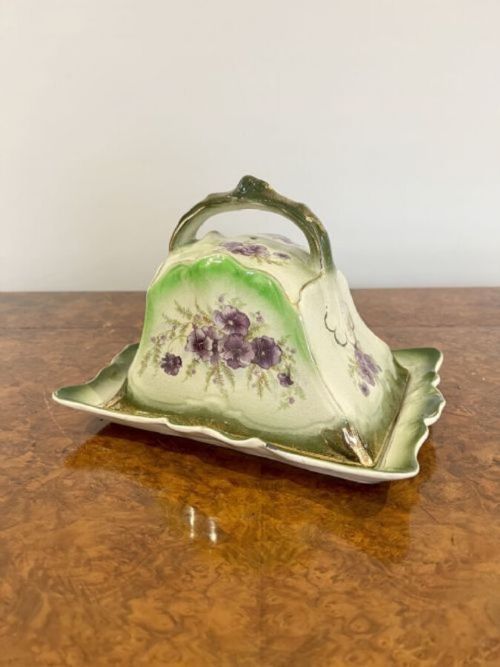
Cheese domes are typically smaller, made from ceramic or glass with a matching base, and intended for presenting Stilton or cheddar at the end of a meal.
How do I care for silver plated dish domes?
Silver plate requires gentle washing in warm soapy water with a soft cloth to avoid scratching the surface. Regular polishing with a mild, non-abrasive silver cream maintains the shine without wearing through the plating.
Avoid using harsh chemical dips, which can strip the vintage patina from the metal.
Can I use an antique ceramic cheese dome for everyday dining?
Ceramic cheese domes from the nineteenth century are robust enough for regular use if handled carefully. Hand washing is essential, as dishwashers can craze the old glaze or damage transfer-printed patterns.
Keep in mind that these pieces are heavy, particularly when combined with their original stands.
How can I tell Old Sheffield plate from later silver plate?
Old Sheffield plate reveals subtle traces of copper peeking through the silver layer along high points and edges where years of use have worn the surface down. Later silver plate uses an electroplated process over a nickel or Britannia metal base that wears to a dull grey rather than warm copper.