
Antique Dining Side Table
An antique dining side table brings adaptable scale and period character into a modern room, moving effortlessly between intimate meals and larger gatherings.
Antique Dining Side Table
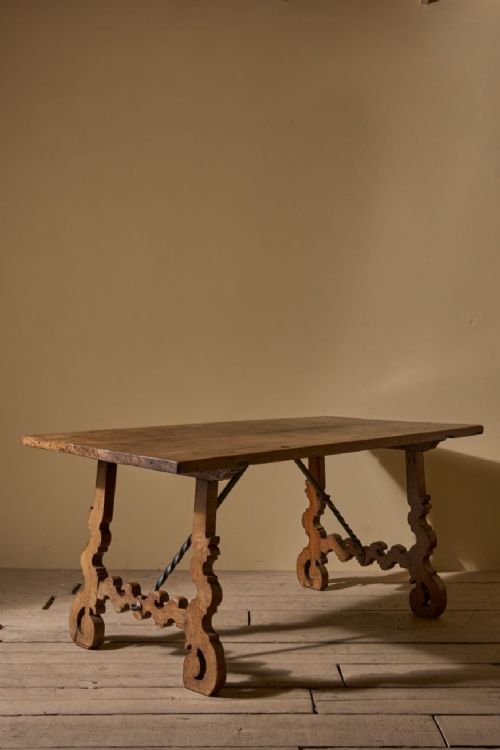
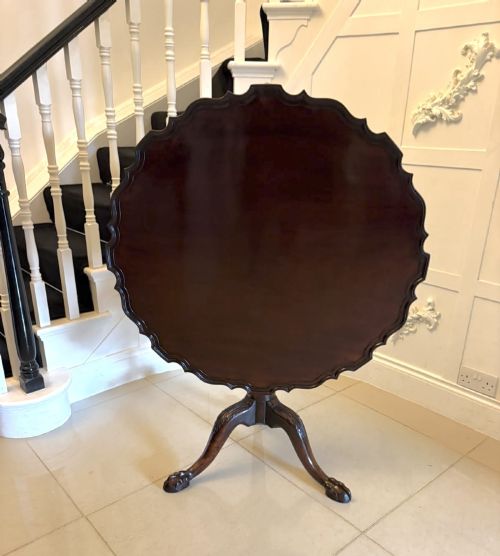
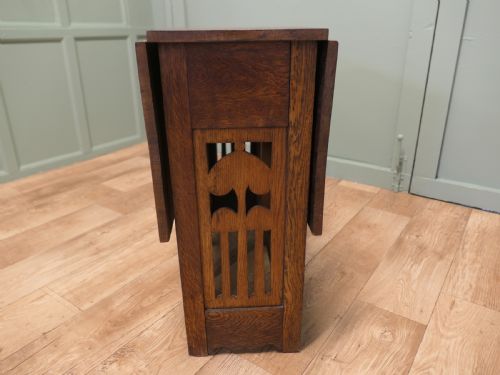
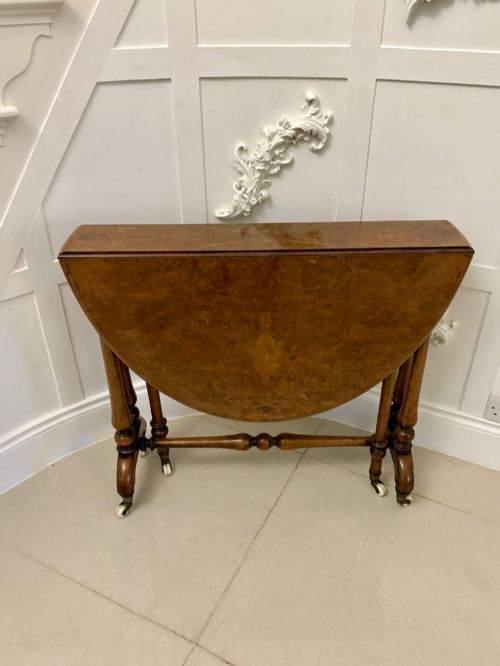
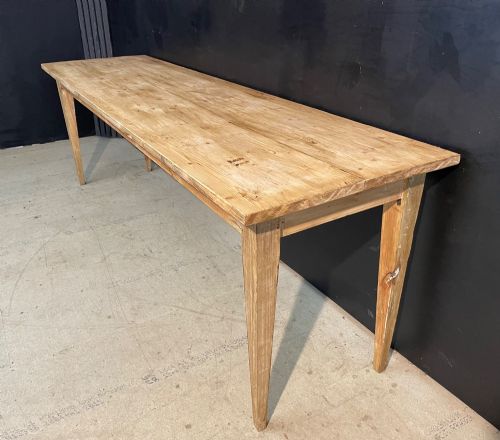
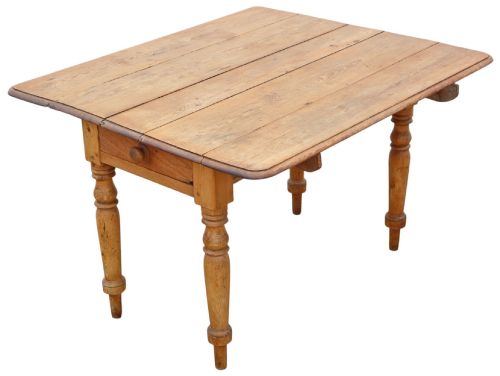
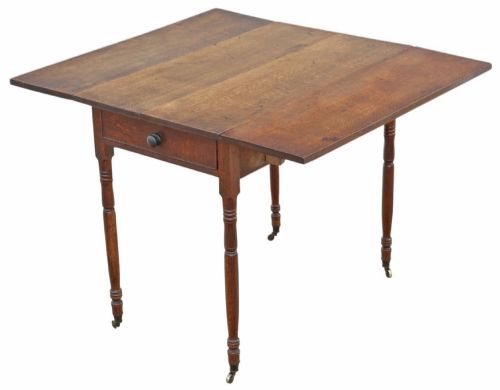
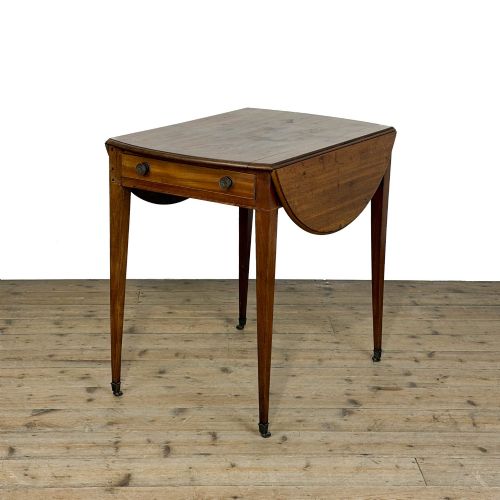
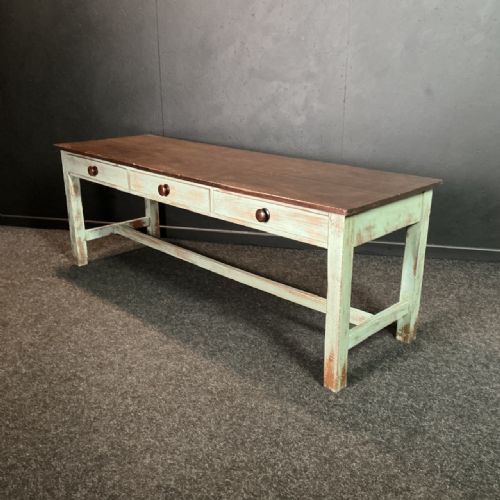
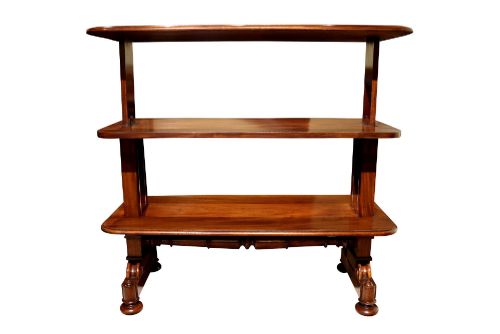
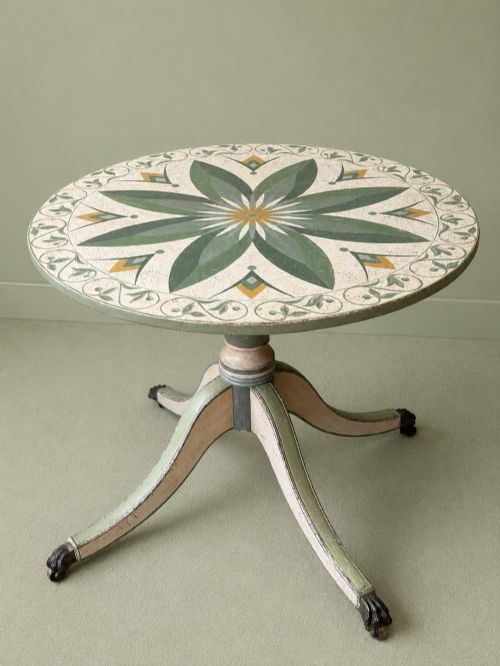
When searching for an antique dining side table, you encounter a crossover of forms designed to expand or adapt to company. The selection ranges from compact gateleg tables and Pembroke drop-leaf designs to refectory boards and console pieces that bridge the gap between auxiliary surface and primary dining.
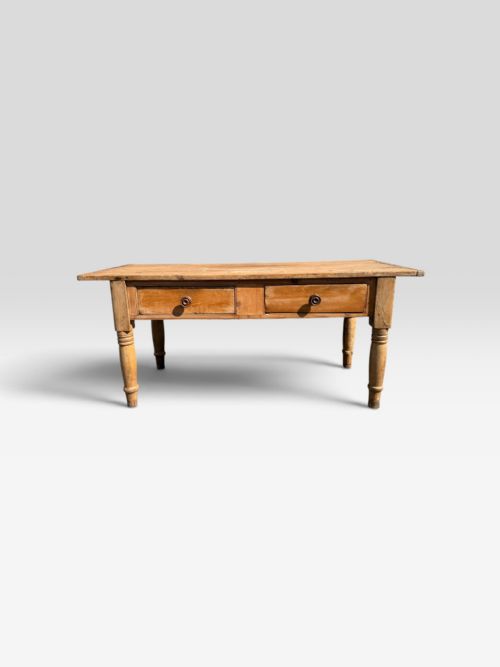
The material record spans centuries of cabinetmaking, with solid oak appearing from the seventeenth and eighteenth centuries, followed by rich mahogany and walnut through the Georgian and Victorian eras. Pine and fruitwood also feature prominently in country and farmhouse contexts.
These tables served diverse functions in period homes, functioning as tea tables, card tables, serving surfaces, or everyday dining boards. Their enduring appeal lies in this functional flexibility combined with the warmth of aged timber.
How they were made
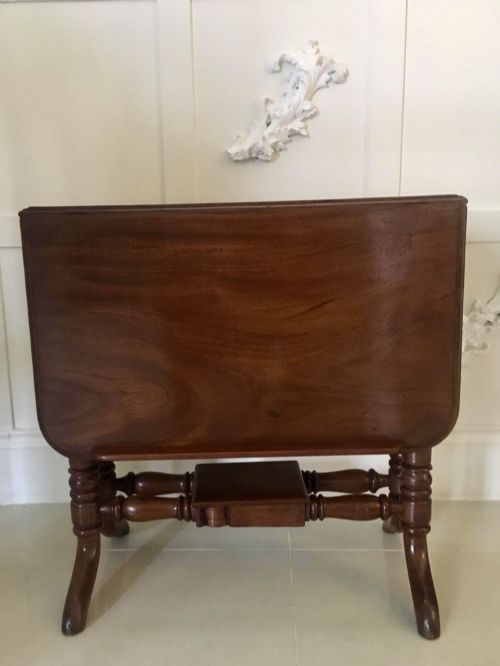
Makers relied primarily on native and imported timbers, selecting oak for early gateleg and refectory forms, and fine-grained mahogany or burr walnut for later Georgian and Victorian Pembroke and Sutherland tables. Secondary woods like pine appear in drawer linings and farmhouse underframes.
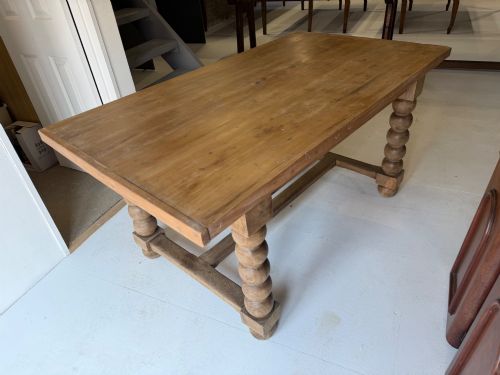
Construction techniques evolved from heavy boarded joints and pegged frames in seventeenth-century oak to sophisticated rule joints on drop leaves and delicate inlay work on Regency pieces. Turned legs - ranging from bobbin and barley twist to slender cabriole and reeded supports - define the structural integrity and aesthetic of each period.
Several tables retain their original folding leaves and drop-in mechanisms, ready to accommodate unexpected guests after more than two hundred years.
What varies in quality
Quality rests heavily on the integrity of the timber selection, the crispness of carved or turned details, and the survival of original hardware such as hinges and brass castors. Grain matching in walnut veneers and the depth of natural patina accumulated over centuries separate superior examples from standard workshop production.
Structural stability in folding mechanisms and drop-leaf supports indicates the original precision of the joinery. Tables that retain their original finish and show minimal timber replacement command greater appreciation among collectors.
The Antique Dining Side Table Glossary
- Gateleg table
- A table with hinged leaves supported by swing legs that pivot out from the frame. This form allowed large dining surfaces to fold away compactly against a wall.
- Pembroke table
- A small rectangular table featuring two folding flaps on opposite sides and usually a single drawer. It originated in the eighteenth century as a versatile breakfast or occasional piece.
- Patina
- The surface sheen and mellow colour developed by wood over years of use, polishing, and exposure to light. It is a key indicator of age and authenticity.
- Rule joint
- A moulded joint connecting a drop leaf to the main table top, designed to conceal the gap and hinge mechanism when the leaf is raised.
- Barley twist
- A spiral turning technique used on table legs and stretchers, popular in seventeenth-century furniture and revived during the late nineteenth century.
Antique Dining Side Table: Frequently Asked Questions
What is an antique dining side table used for?
These versatile tables served multiple purposes in period homes, functioning as breakfast tables, card tables, or auxiliary serving surfaces.
Today, their flexible drop-leaf or gateleg designs make them ideal for modern dining spaces where floor space is limited.
How do I identify the period of a wooden table?
Period identification relies on examining the timber species, joint construction, and turning styles. Seventeenth-century pieces typically feature heavy oak with pegged framing and bobbin legs.
Later Georgian and Victorian examples display refined mahogany or walnut veneers, slender legs, and more complex mechanical joints.
Are drop-leaf tables stable enough for daily dining?
Traditional drop-leaf and gateleg tables were engineered to bear weight through pivoting legs and sturdy swing brackets.
When the support gates are fully extended and locked into position, these tables provide a remarkably solid surface for everyday meals.
How should I care for antique timber surfaces?
Antique timber benefits from minimal intervention, requiring only occasional dusting with a soft, dry cloth and sparing applications of traditional beeswax.
Direct sunlight and extreme changes in room temperature should be avoided to prevent the timber from drying out or splitting.