


Antique Dining Armchairs
Antique dining armchairs bring substance to a room, offering sturdy seating and traditional craftsmanship from past centuries.
What these pieces are
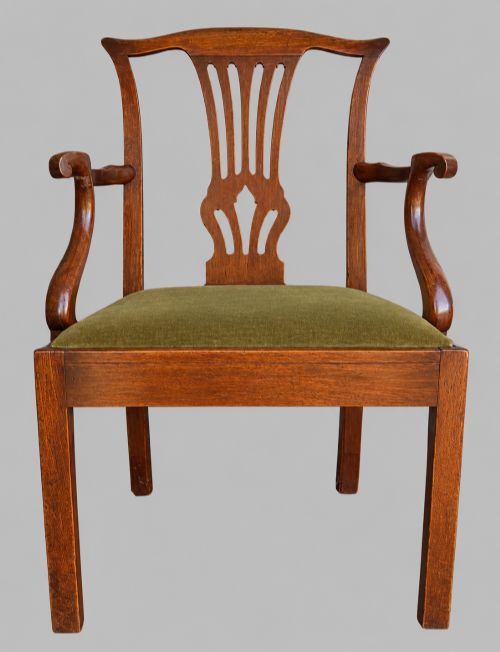
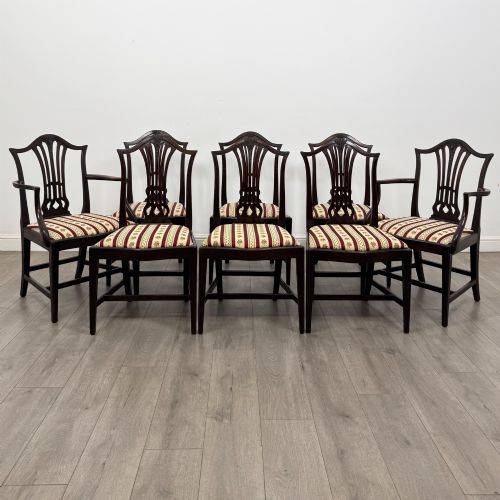
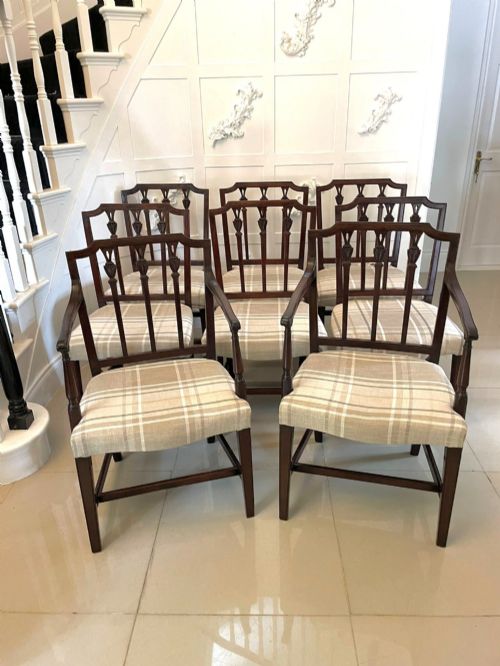
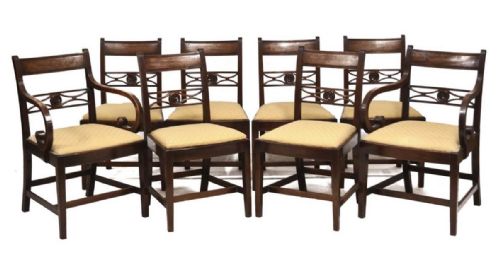
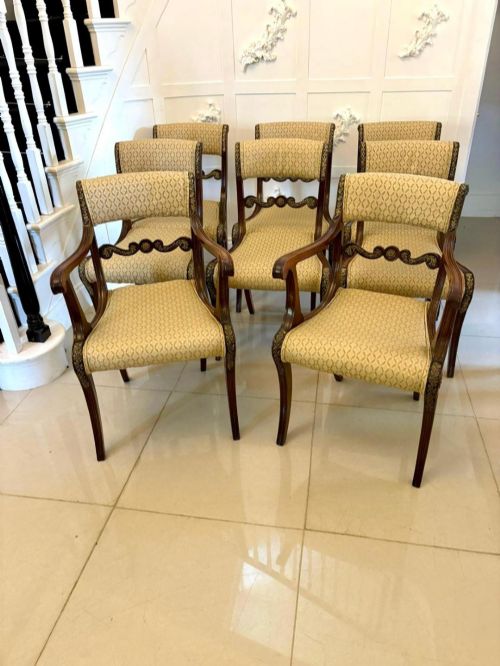
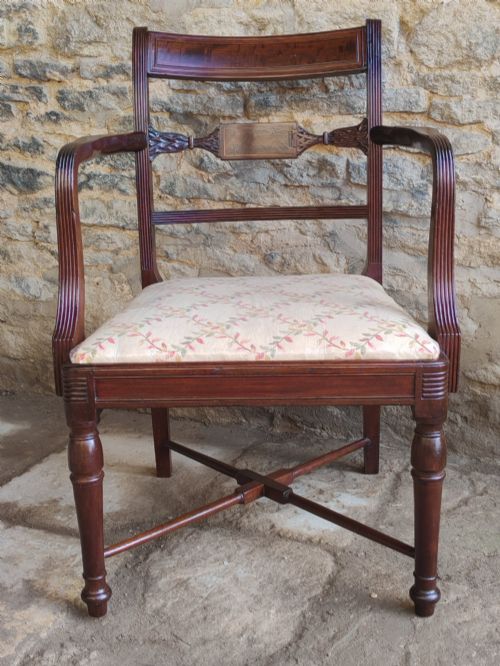
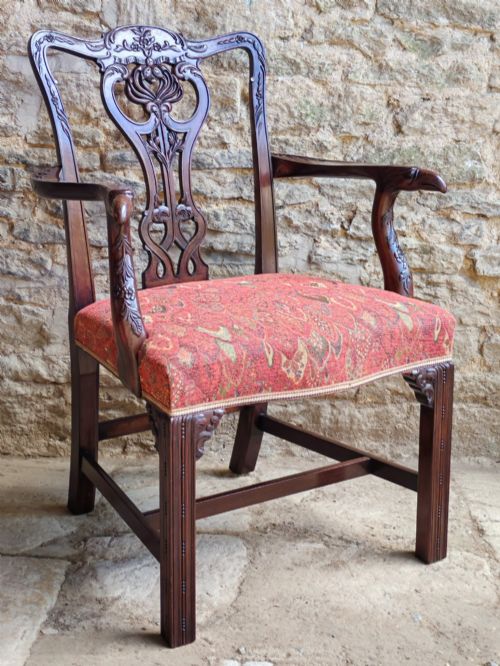
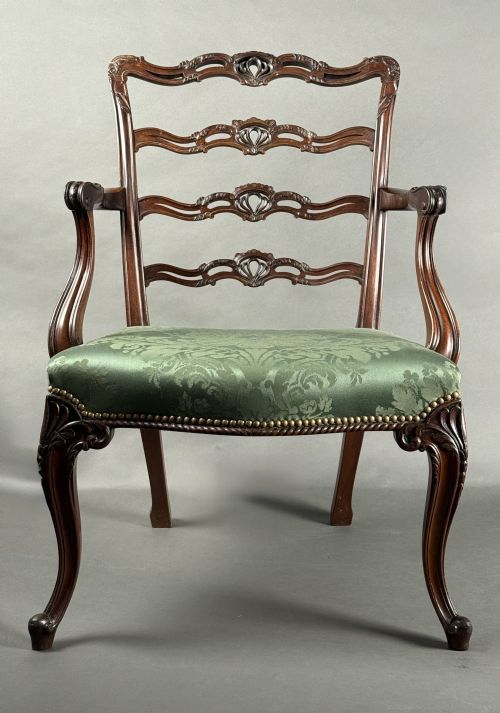
When searching for antique dining armchairs, you find seating designed to sit at the head of a table or to match a set of side chairs. The selections here include carver chairs, elbow chairs, and library desks chairs.
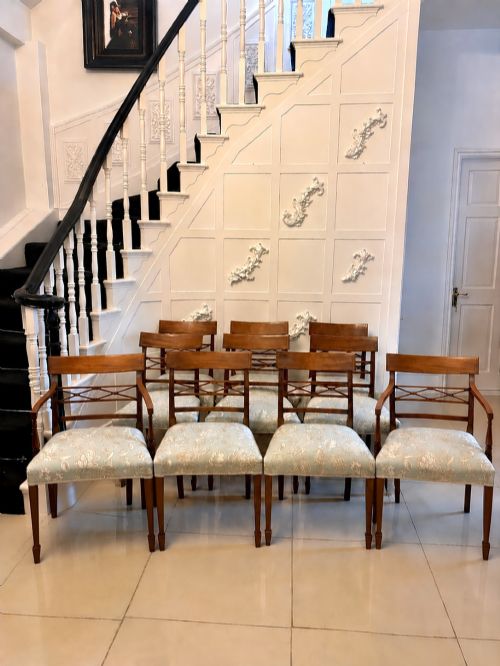
The pieces on this page span the nineteenth century, Regency period, Victorian era, and nineteen-twenty, alongside Revival styles. They appear most frequently as pairs rather than large sets.
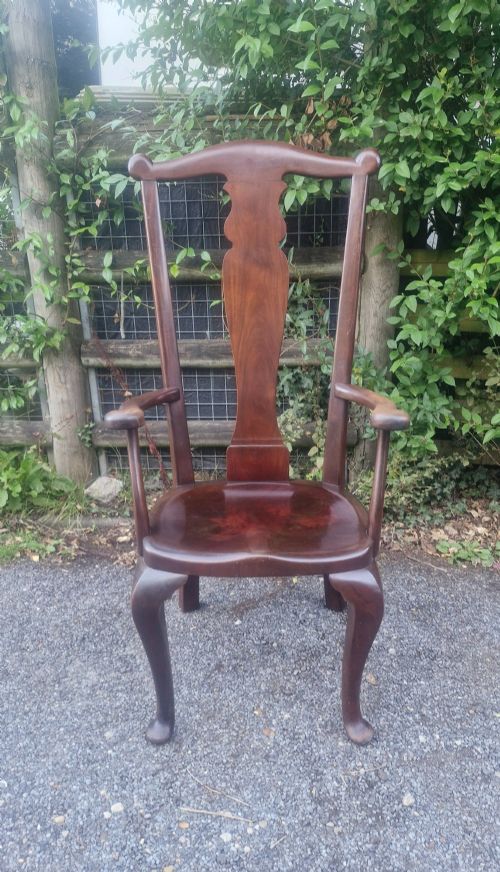
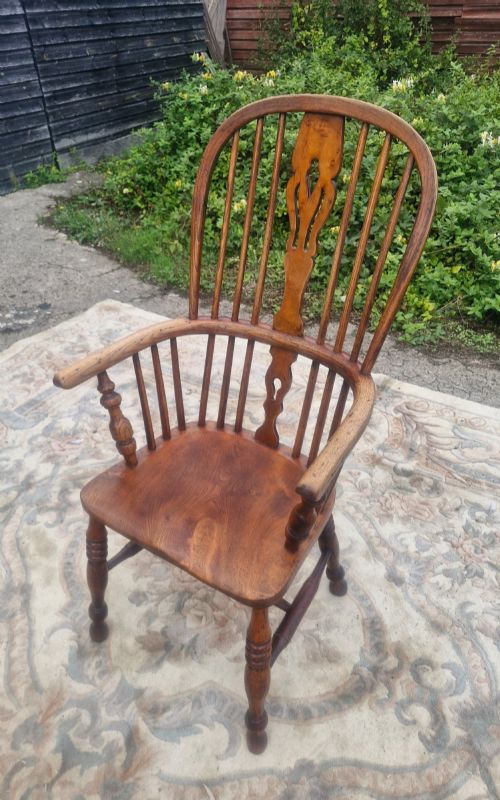
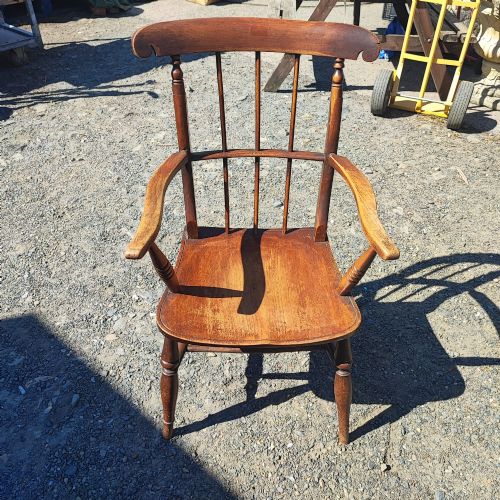
Originating in English workshops and country houses, these chairs display forms ranging from formal Regency carvers to spindle back farmhouse seating.
How they were made
Cabinet makers constructed these dining armchairs using timbers such as mahogany, walnut, oak, ash, and elm. Elements like brass fittings, cane panels, rush seating, and wool or leather upholstery complete the construction.
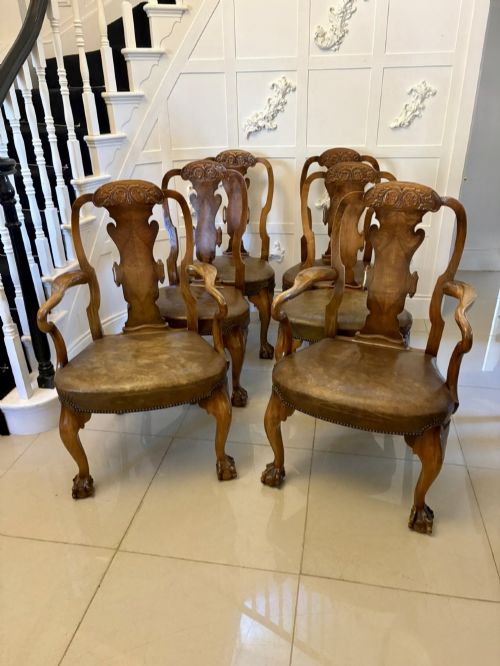
Construction techniques include carved details, barley twist turnings, spindle backs, and saddleback profiles. Upholstered seats frequently feature studwork securing leather or fabric coverings.
Retail Price Guide 2026
Typical UK retail prices for dining armchairs, calculated from the Sellingantiques database of over a million retail prices indexed since 2003. This retail price guide relies exclusively on Sellingantiques data; no external sources or auction records are used, so the figures do not describe the wider market.
Several armchairs arrive with leather seats held by rows of tiny metal studs that have watched countless dinners pass.
What varies in quality
The distinction between standard examples and the finest pieces lies in the crispness of the carving and the selection of figured timber. Superior grain matching and detailed joinery elevate certain chairs above utility items.
Proportion and presence separate formal library and desk chairs from country farmhouse seating. Original upholstery methods and well-preserved surface patination contribute further to a piece's standing.
The Antique Dining Armchairs Glossary
- Carver chair
- An armchair designed specifically for use at a dining table, often matching a set of smaller side chairs. These typically feature open arms to accommodate dining attire.
- Bergere
- An enclosed upholstered armchair with a cane or wicker back and sides. This French style appeared in English dining and library contexts during the Regency period.
- Saddleback
- A chair back shaped to resemble a riding saddle profile. This contour provides ergonomic support for the user.
- Elbow chair
- An alternative term for an armchair with low armrests intended for dining or desk use. The arms terminate near the elbow level of the sitter.
Frequently Asked Questions
How do I use them daily?
Antique dining armchairs function well at a dining table, a desk, or as occasional seating in a study. Their sturdy wooden frames and upholstered seats handle regular use when treated with care.
Positioning them away from direct sunlight and heat sources helps preserve the timber and fabric over time.
Are they sold in sets?
While dining seating historically occurred in large matching sets, the pieces available now appear mostly as pairs. This reflects how many survive together from larger dining suites.
Pairs work effectively as host chairs or accent seating within a room.
How do I identify periods?
Period identification relies on structural characteristics, timber choices, and decorative motifs specific to eras like the Regency or Victorian periods. Regency pieces often show classical lines and mahogany grain, whereas later revival styles copy earlier eighteenth-century designs.
Examining the joinery and underneath construction reveals clues about the manufacturing date.