
Antique Dessert Dish
An antique dessert dish brings the colour and craft of eighteenth and nineteenth-century dining tables directly into a modern home.
Antique Dessert Dish
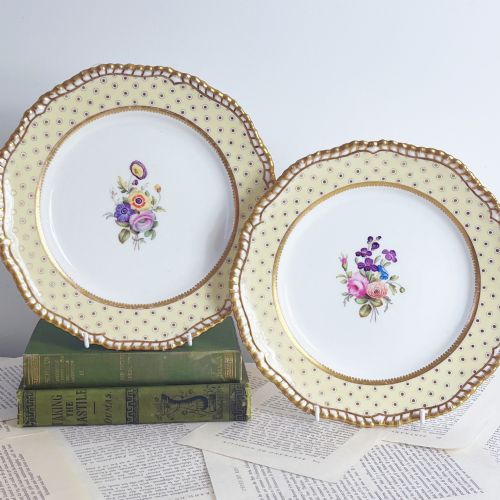
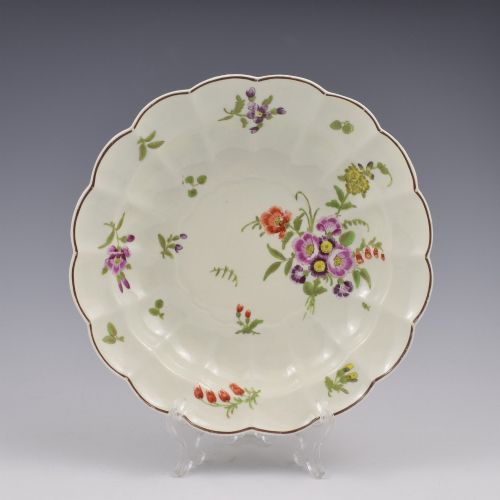
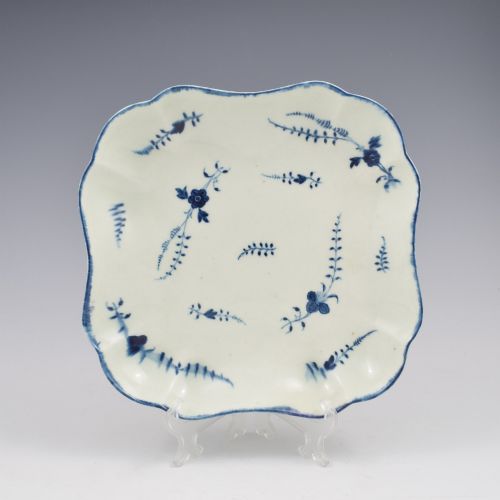
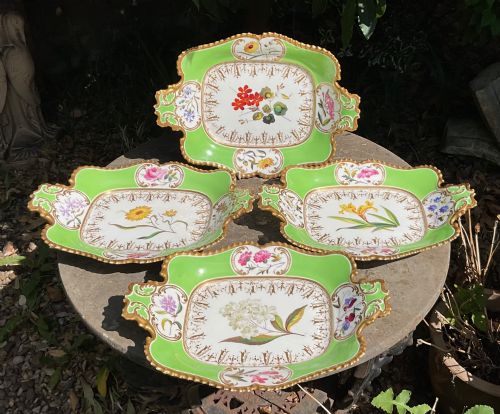
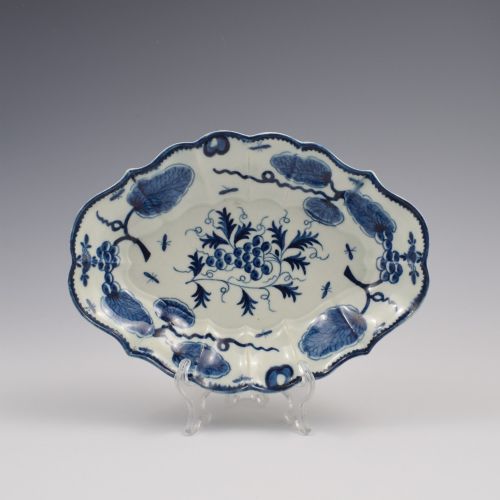
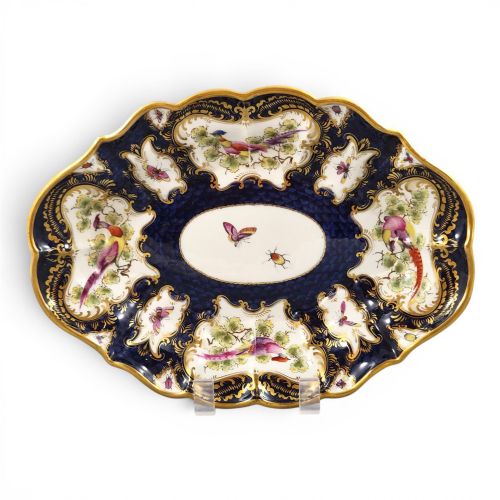
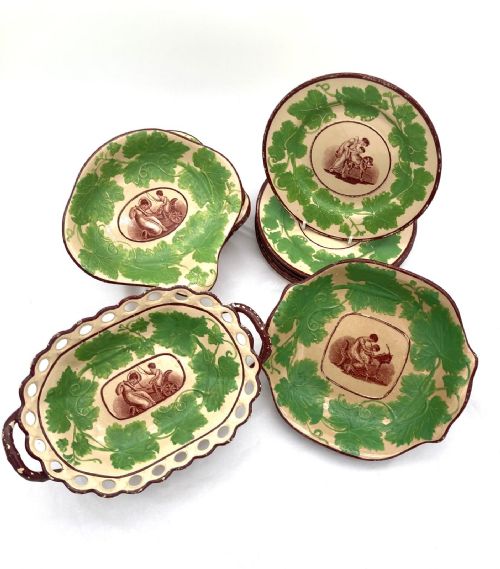
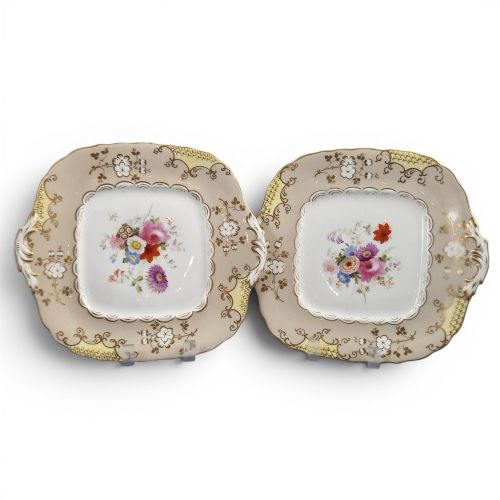
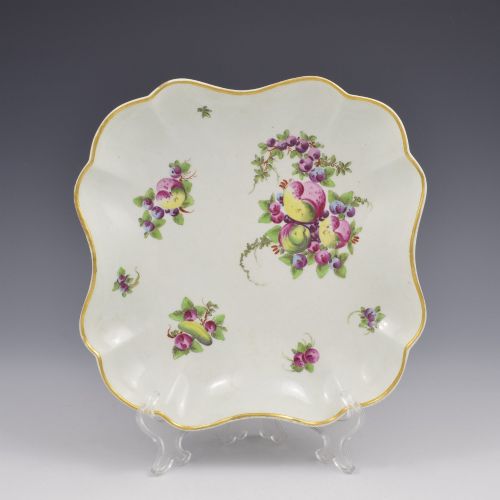
An antique dessert dish serves as a refined vessel for fruit, sweetmeats, or confectionery at the conclusion of a formal meal. These pieces range from lobed plates and square dishes to basketweave forms and specialist cream tureens.
The selections encountered on this page span the Georgian, Regency, and Victorian eras, alongside Edwardian examples and eighteenth-century porcelain. Most pieces originate from historic English factories such as Worcester, Derby, Coalport, and Minton.
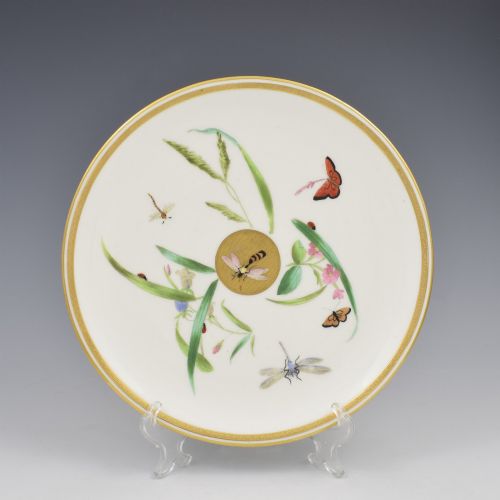
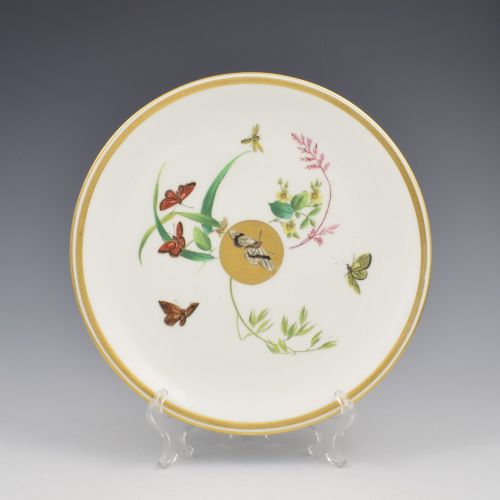
Makers shaped these items in porcelain, bone china, glass, and soft-paste porcelain, frequently decorated with hand-painted botanicals, armorial crests, and topographical views. Buyers will discover single plates, paired serving vessels, and portions of larger dessert services.
How they were made
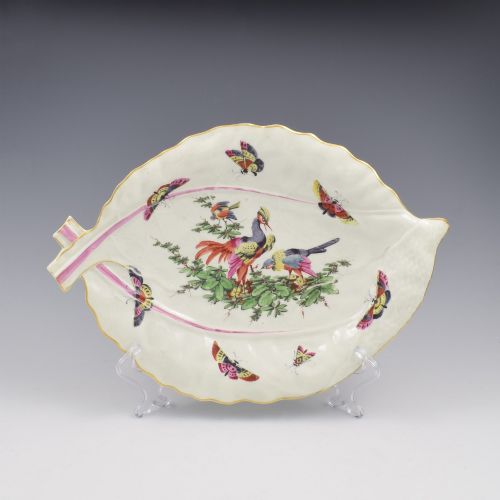
Potters shaped fine clays and porcelain bodies on wheels or pressed them into moulds, creating intricate leaf shapes, fluted edges, and basketweave textures. Artisans then applied enamels, cobalt blue scales, and gilding before firing the pieces in kilns.
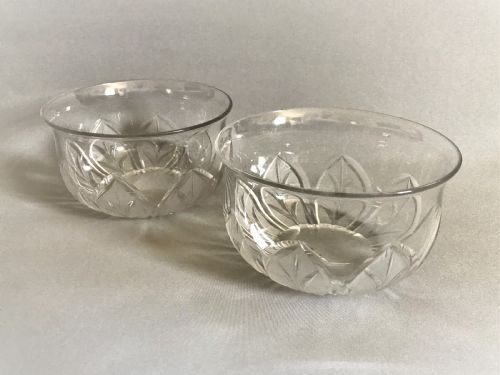
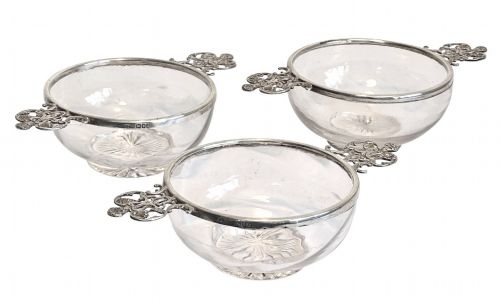
Glassmakers produced bowls and finger vessels using cutting, frosting, and silver mounting techniques. Silversmiths complemented these ceramics with plated stands, pierced spoons, and fitted frames.
Listings feature porcelain, glass, and silver plate across Georgian, Regency, and Victorian periods.
What varies in quality
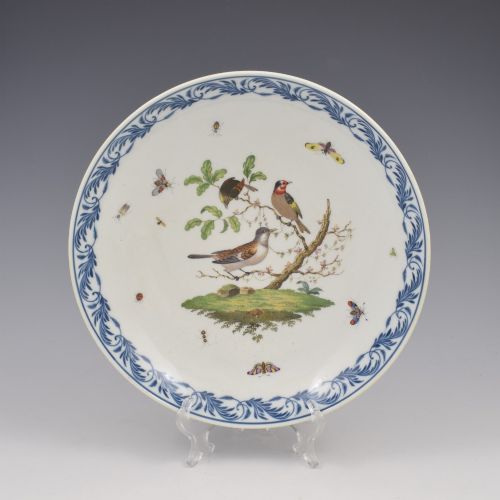
The skill of the hand-painting dictates much of the distinction between standard production and top-tier execution. Botanical studies, ornithological subjects, and armorial crests rendered by named artists command greater attention.
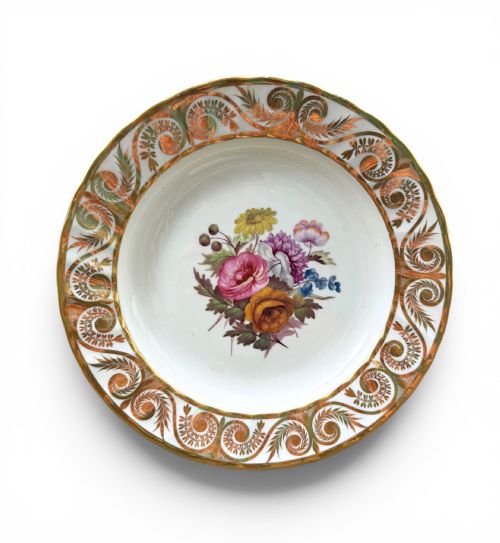
The crispness of moulded details, such as leaf veins, gadrooned edges, and basketweave relief, reveals the wear of the original ceramic moulds. Rich application of gold leaf, enamel saturation, and the translucency of the porcelain body further separate ordinary tableware from exhibition pieces.
Spode·Chamberlains Worcester·Derby·Minton·William Comyns·Royal Worcester·Coalport·Daniel Arter·Copeland and Garrett·Cauldon Ltd·Walker and Hall·Doulton Burslem·Bloor Derby·John Ridgway·Rockingham Pottery·Flight Barr and Barr·Davenport
The Antique Dessert Dish Glossary
- Soft-paste porcelain
- An artificial ceramic body fired at lower temperatures than hard-paste porcelain, producing a warm, creamy tone. It absorbs glazes deeply, characteristic of eighteenth-century English factories.
- Armorial
- Decoration featuring a family coat of arms or crest. These bespoke commissions were painted for landed gentry and nobility.
- Gilding
- The application of gold leaf or gold paint to ceramic edges and motifs. Higher quality pieces employ burnished gold that catches the light.
- Sweetmeat
- A small confection such as candied fruit or nuts served after dinner. Specialist dishes and stands were made specifically for these delicacies.
- Bone china
- A ceramic paste containing bone ash, invented to increase strength and whiteness. It became a staple of nineteenth-century English dinner services.
Antique Dessert Dish: Frequently Asked Questions
How were antique dessert dishes used?
These dishes held the final course of a formal meal, which typically consisted of fresh fruit, nuts, cheeses, and sweetmeats. They occupied the centre of the table or sat at individual places depending on the scale of the service.
Wealthy households utilised matching sets to display botanical illustrations, topographical scenes, or family coats of arms while guests dined.
Can I use them for serving food today?
Most antique porcelain and glass pieces are suitable for serving dry foods, fruit, or confectionery at a modern table. Hand washing in warm soapy water keeps the historic glazes and gilding intact.
Sudden temperature changes and modern dishwashers should be avoided to protect the fragile ceramic bodies and nineteenth-century enamels.
How do I identify eighteenth-century porcelain?
Early porcelain often shows unglazed foot rims, subtle glaze pooling, and hand-painted underglaze blue decorations characteristic of early factories. The weight feels lighter and the paste warmer than later Victorian wares.
Factory marks, when present, help confirm the period, though many early pieces rely on paste characteristics and decorative style for dating.
What is an armorial dessert plate?
An armorial plate displays the painted coat of arms or crest belonging to the original commissioning family. These were custom-ordered as part of large dessert and dining services.
Such plates carry significant historical interest because the heraldry often links the porcelain to specific Regency or Georgian nobility.