

Antique Desktop Accessories
Antique desktop accessories bring practical elegance to a workspace through items like silver inkwells, walnut book slides and brass calendars.
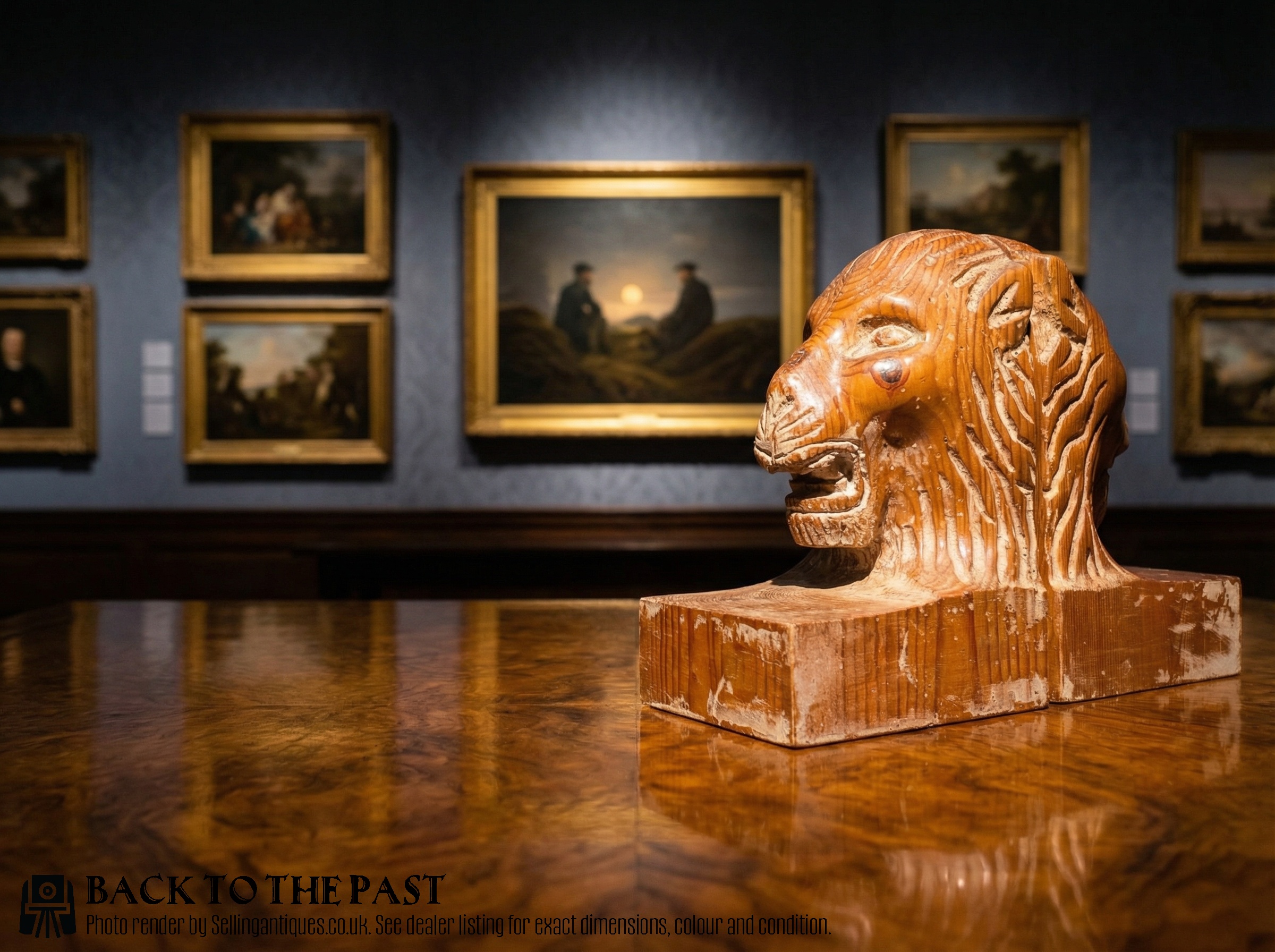
Antique Desktop Accessories
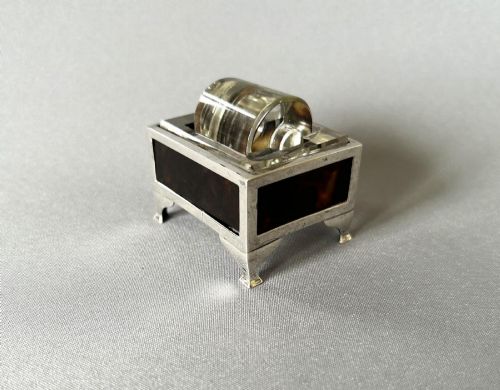
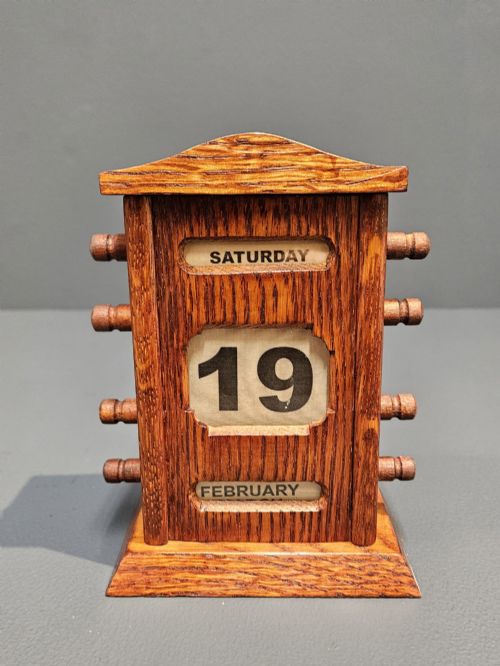
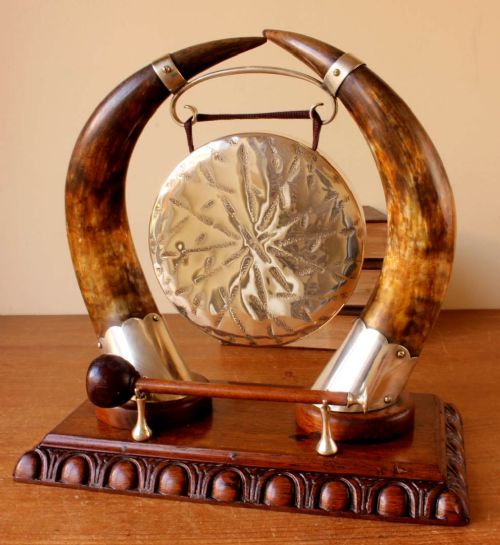
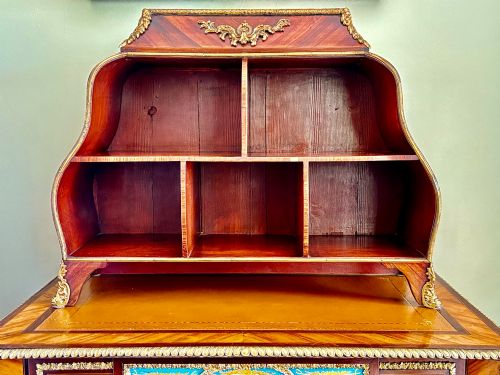
These pieces encompass the functional items used to organise and equip a desk in past centuries, ranging from writing implements to smoking cabinets. When searching for antique desktop accessories, a buyer encounters a diverse array of forms designed for correspondence, reading and organisation. The selection on this page frequently includes inkwells, perpetual calendars, book slides and letter boxes spanning the Victorian, Edwardian and Art Deco periods.
The utility of these objects dictated their design, with makers crafting specific receptacles for ink, pens, stamps and documents. Wooden book stands and expanding book slides appear regularly, alongside silver inkstands and mounted match strikers. Materials such as mahogany, walnut, brass and sterling silver dominate the selection, reflecting the high standards of nineteenth and early twentieth-century manufacture.
How they were made
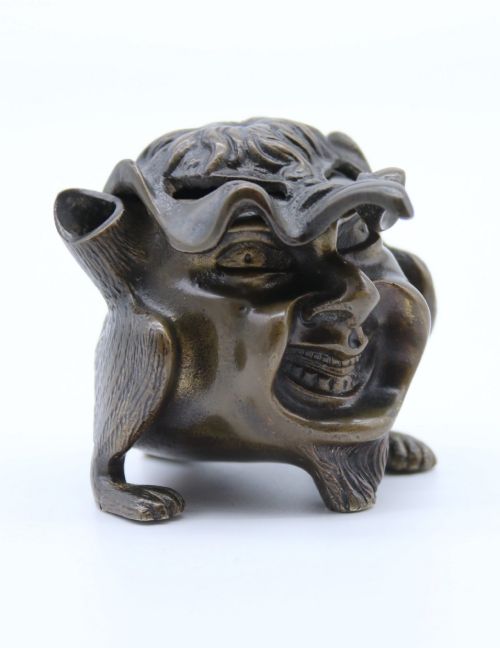
Cabinet makers utilised dense hardwoods like walnut, mahogany and rosewood to construct stationary boxes, letter racks and book trays, often mounting them with brass hinges and handles. Tunbridge ware and papier-mâché examples demonstrate specialised decorative techniques applied to wooden foundations. Metal workers cast bronze, brass and silver into intricate shapes, producing capstan inkwells, bell inkwells and novelty pin cushions.
Antique Desktop Accessories Retail Price Guide 2026
Typical asking prices for desktop accessories among the pieces listed under this phrase on Sellingantiques today, from the lower quarter to the upper quarter. They describe what is for sale here now, not the wider market.
What varies in quality
The distinction between standard and superior pieces rests on the integrity of the materials and the precision of the assembly. Finer items display unsparing attention to detail in their joinery, such as tightly fitted locking mechanisms on cigar cabinets and smooth gliding action on extending book slides.
Makers' marks, full silver hallmarks and labelled pieces elevate an object's standing, indicating specific workshops or retailers. Superior quality is further evident in the depth of cast ornamentation on bronzes and the crispness of tooling on leather and wood.
Hermes Paris·Arthur Simpson·William Tonks of Birmingham·Franz Gruber
The Antique Desktop Accessories Glossary
- Inkstand
- A fitted tray or stand holding one or more inkwells and accessory pots for sand and wafers. These were central writing desk items in the Victorian and Edwardian periods.
- Pounce pot
- A small shaker used to sprinkle resin powder onto rough paper to prepare the surface for ink. They often resemble miniature pepper shakers with perforated lids.
- Book slide
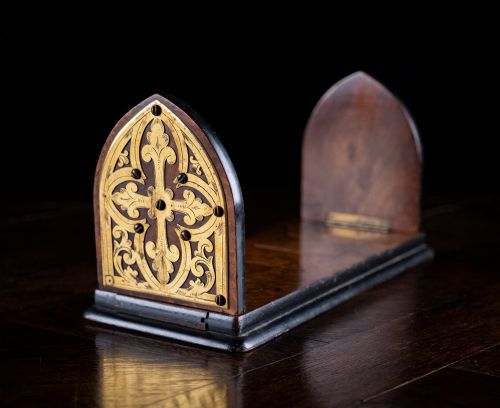
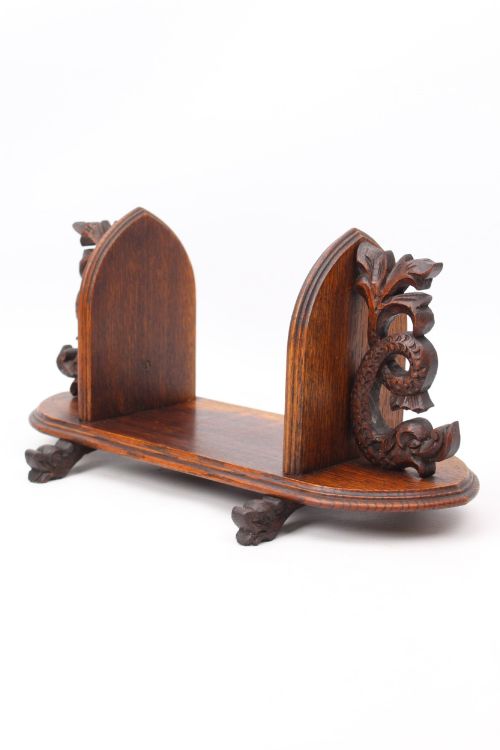
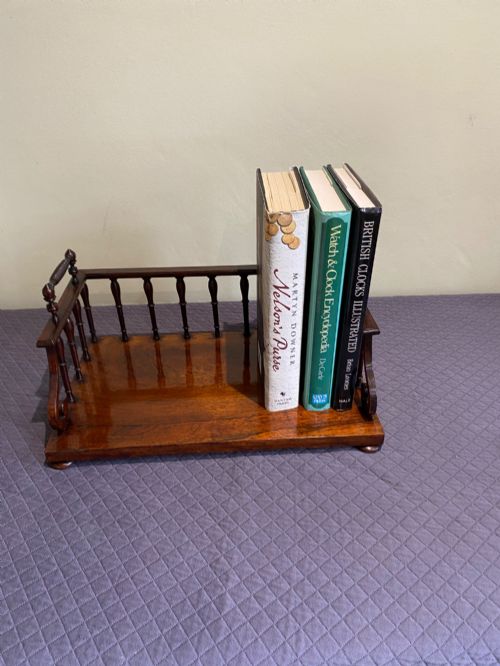
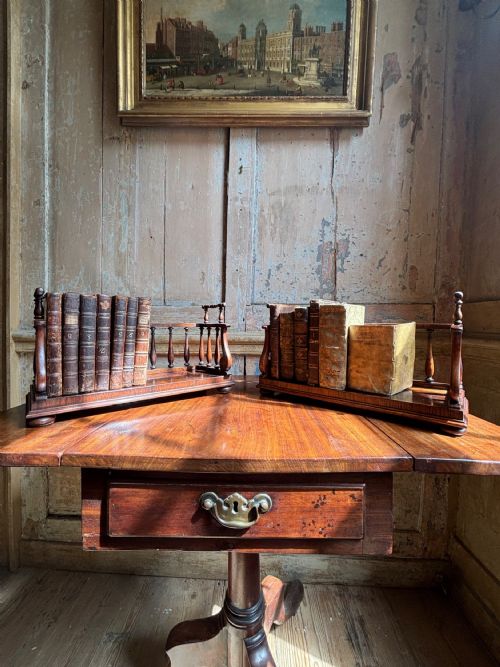
- An extendable rack designed to hold a row of books upright on a desk or table. Many examples feature hinged or sliding wooden sections with decorative brass mounts.
- Capstan inkwell
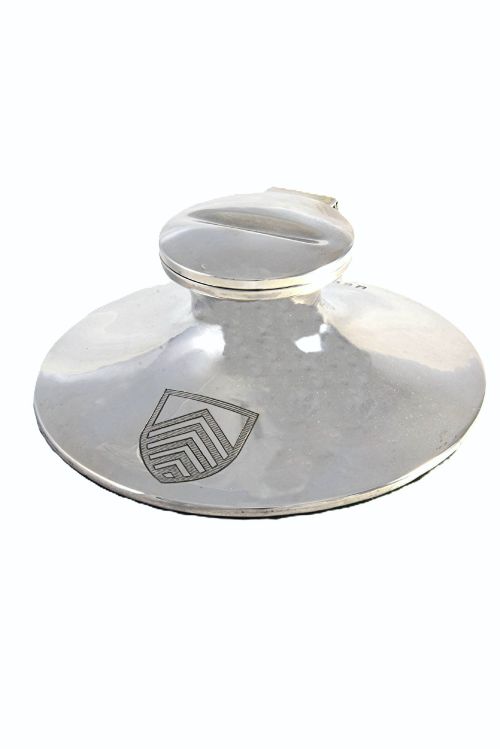
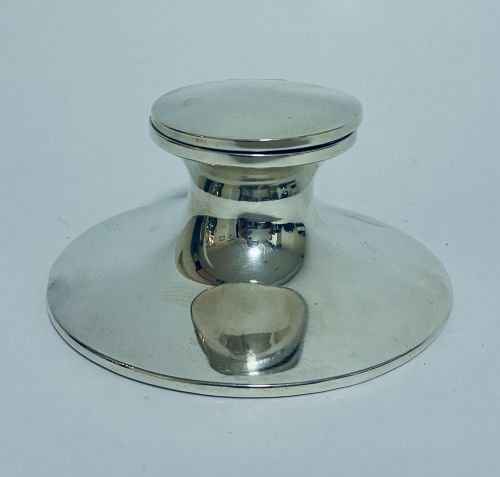
- An inkwell shaped like a ship's capstan, featuring a wide circular base tapering upwards to a hinged lid. This low centre of gravity prevented accidental tipping.
- Stationary box
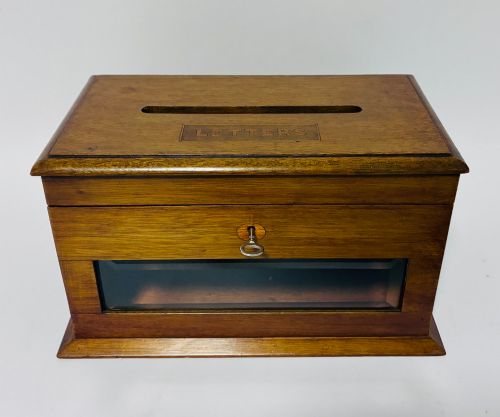
- A desk box fitted with tiered compartments and dividers to organise writing paper and envelopes. Elaborate versions incorporated locking doors and sloping drop fronts.
Antique Desktop Accessories: Frequently Asked Questions
What is a pounce pot used for?
A pounce pot held fine powder derived from cuttlefish bone or sand, which writers sprinkled onto paper before writing. This absorbed excess oils and smoothed the surface so the ink would not feather.
Over time, blotting paper replaced this function, turning surviving pounce pots into decorative desk collectibles.
How do I identify an Edwardian inkstand?
Edwardian inkstands typically feature silver mounts, cut glass inkwells and silver-plated trays produced in the early twentieth century. Their designs often lean towards lighter, neoclassical or revival styles compared to heavier Victorian pieces.
Silver components frequently bear hallmarks indicating the assay office and year of manufacture.
Are perpetual calendars still functional?
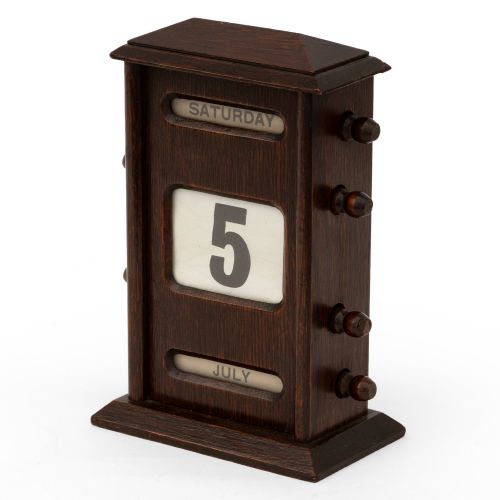
Many perpetual calendars found on antique desks remain fully operational. They rely on rotating drums, sliding panels or interchangeable cards to adjust the days and months.
Buyers can easily set the correct dates for modern use by aligning the mechanical indicators.
What distinguishes a book slide from bookends?
A book slide consists of an expanding wooden base with upright ends that move inward or outward to secure a variable number of books. Bookends are two separate, freestanding heavy objects placed at either end of a row.
Extending book slides were particularly popular on Victorian and Edwardian desks to keep working volumes tidy.