


Georgian Yew Wood
Georgian yew wood brings together rich timber and country craftsmanship in seating, tables and small decorative boxes.
Georgian Yew Wood
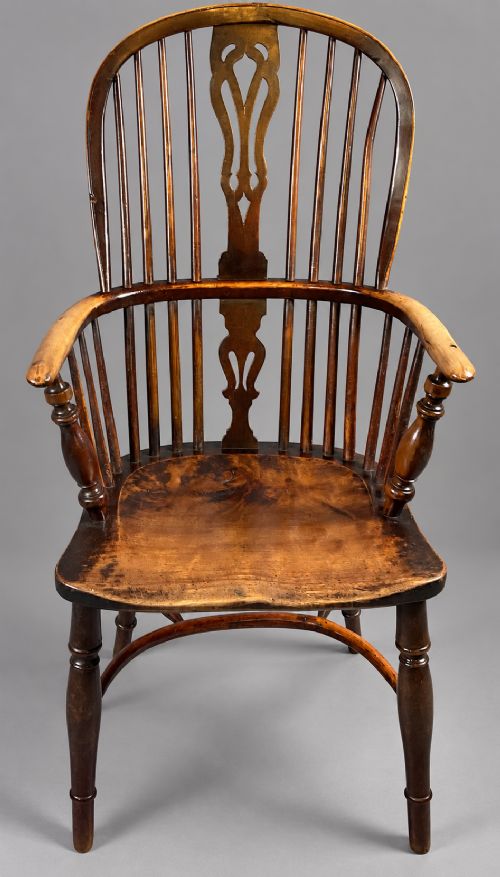
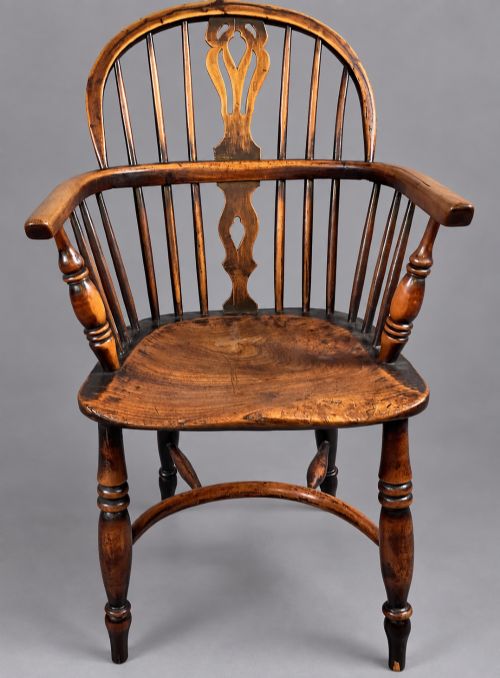
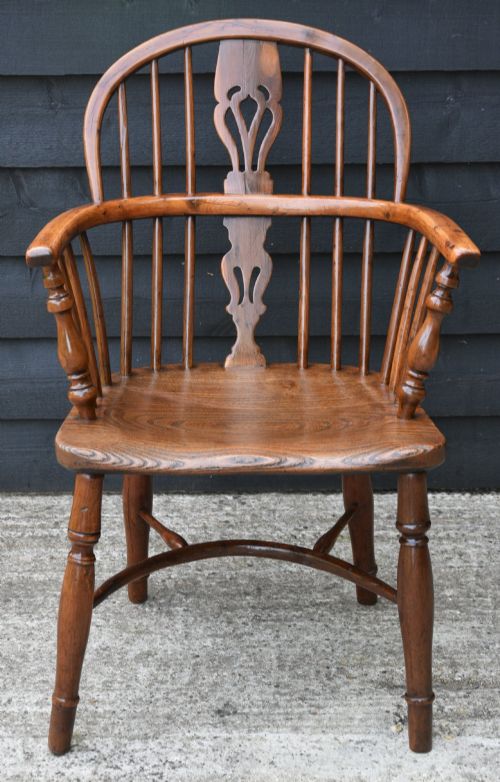
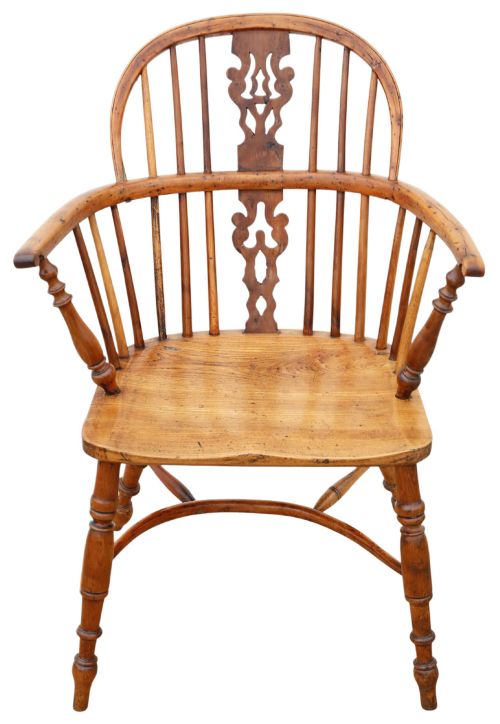
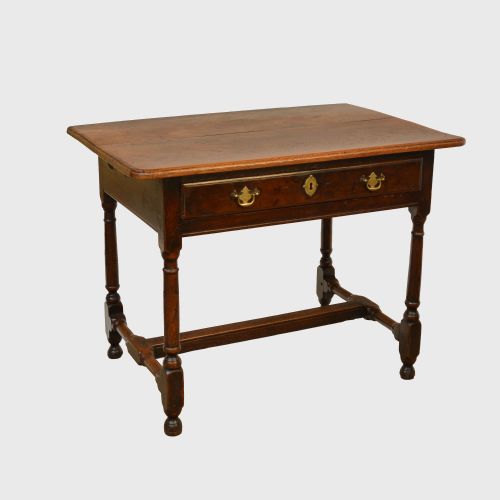
When buyers search for georgian yew wood, they encounter objects made from a native timber prized for its distinctive grain and warm tone. The selection spans robust seating like Windsor armchairs alongside smaller occasional furniture and desktop items.
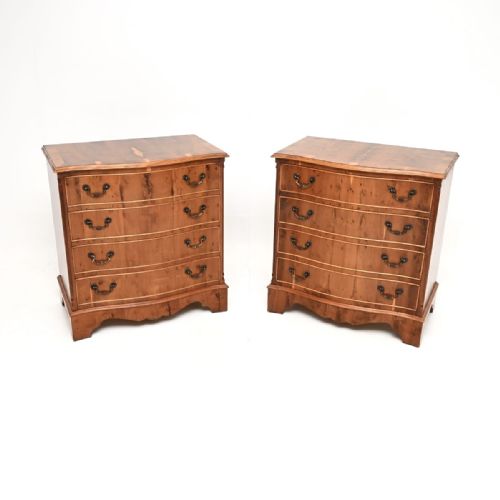
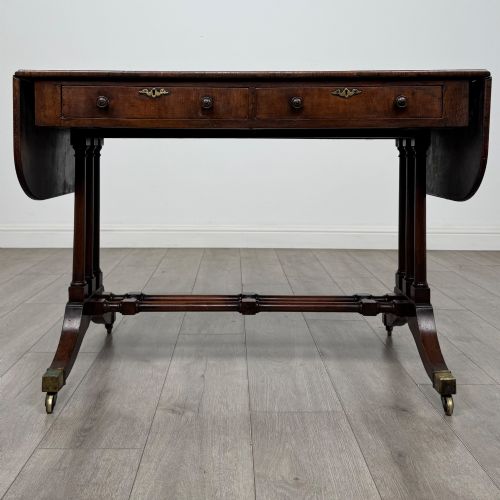
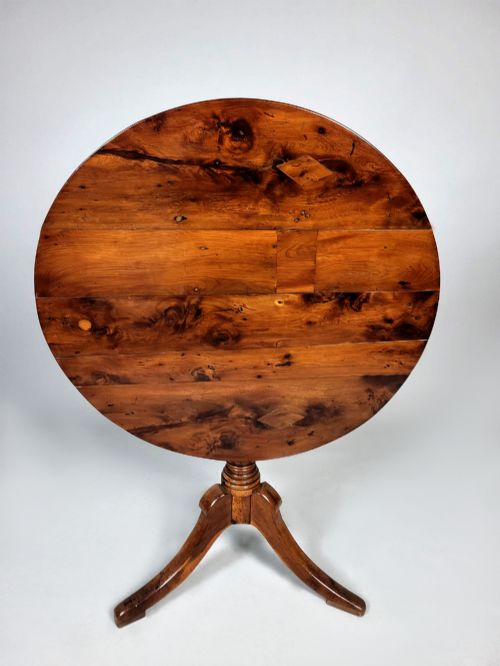
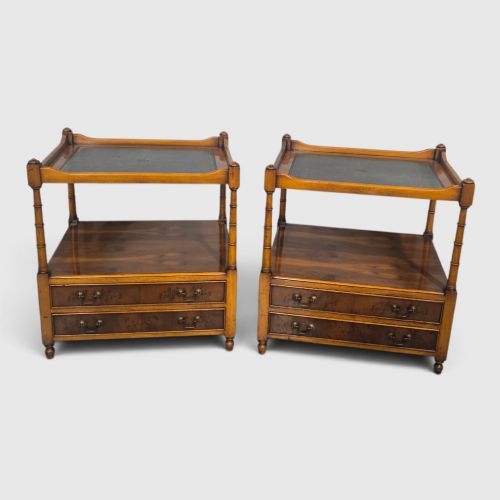
Seating forms frequently combine yew with elm, ash or beech, particularly in country vernacular pieces from the Thames Valley. Cabinet furniture and smaller decorative boxes often utilise burr yew veneer to display intricate patterns across flat surfaces.
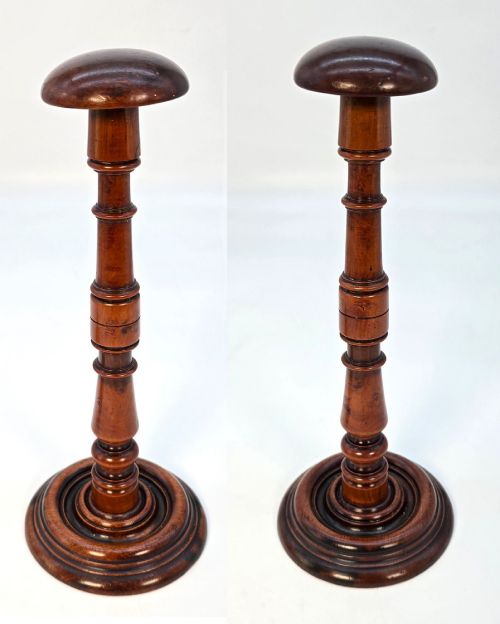
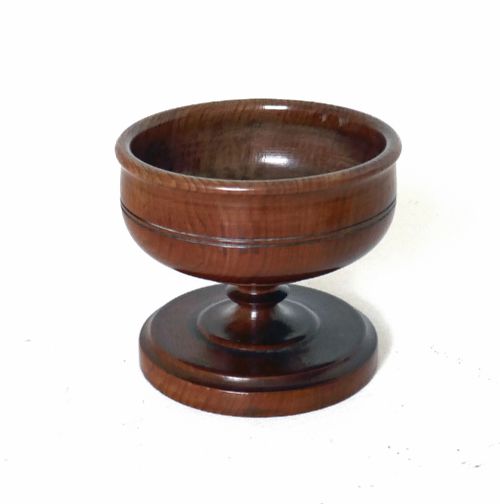
Smaller decorative objects such as tea caddies, salt cellars and candlesticks demonstrate how cabinetmakers applied fine timbers to domestic accessories. These items reflect the periods spanning the eighteenth and nineteenth centuries, alongside later revivals.
How they were made
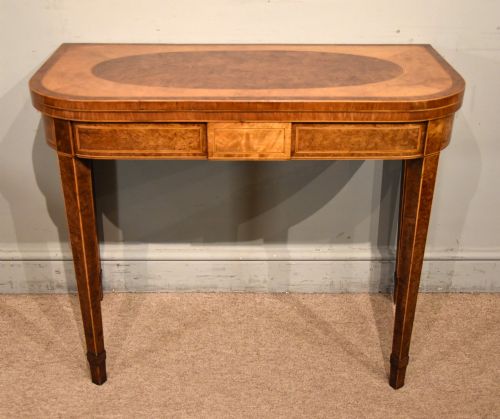
Makers utilised solid timber for turned components and framing, while selecting figured burr sections for decorative veneers on surfaces such as tea caddies and card tables. Secondary woods like oak, elm and beech provided structural strength within chair seats and underframes.
Constructive techniques combined traditional joinery with steam-bending for the distinctive hoops and bows of Windsor armchairs. Surface finishing relied on polishes that enhanced the natural colour and varied figures of the timber without obscuring the grain.
Listings feature 18th century and Georgian pieces alongside 19th century interpretations and Edwardian examples.
What varies in quality
The visual appeal of the material itself establishes much of the distinction between standard examples and exceptional ones. High quality pieces display dense, highly figured burr patterns or rich, untouched colour across the timber.
Proportion and structural integrity separate workshop output, particularly in vernacular seating where balanced spindle turning and well-shaped comb backs elevate an object. Original surface patination and retention of contemporary brass hardware further distinguish finer examples.
The Georgian Yew Wood Glossary
- Burr yew
- A growth deformity in the tree that produces highly twisted, knotty grain patterns used for decorative veneers on fine cabinet furniture.
- Windsor armchair
- A wooden seating form featuring a solid saddle-shaped seat into which the legs and back spindles are wedged directly.
- Lowboy
- A small side table or dressing table fitted with one or more rows of drawers, typically raised on slender cabriole or straight legs.
- Crinoline stretcher
- An arched underframe connecting the legs of a Windsor chair to provide rigidity and support for the feet.
- Treen
- Small handmade wooden household objects and domestic utensils shaped by turning or carving.
- Tea caddy
- A small box constructed to store loose tea leaves securely, often fitted with internal compartments and a lock.
Georgian Yew Wood: Frequently Asked Questions
What is burr yew wood?
Burr yew refers to timber taken from growths on the tree where numerous dormant buds cluster together. This creates a dense, swirling grain pattern highly prized for veneering small boxes and tabletops.
Cabinetmakers selected these figured sections for prominent surfaces to create striking visual contrast against plain solid woods.
How do I identify a Windsor chair?
Windsor chairs are built with a thick solid wood seat that acts as the central anchor for all other components. The legs and back spindles fit directly into bored holes in this seat rather than into a separate frame.
Regional variations often include comb backs or hoop backs supported by additional curved pieces and arm rests.
How should I care for yew furniture?
Wooden surfaces benefit from consistent indoor humidity levels away from direct heat sources and strong sunlight. Regular application of suitable wax helps maintain the lustre and protects the timber grain.
Avoiding excessive moisture prevents the splits and warping that can affect older veneered and solid surfaces.