




Georgian Wooden Decor
Georgian wooden decor brings warmth and historical character to a room through practical items and artworks fashioned from oak, mahogany, pine, and yew.
Georgian Wooden Decor
The objects combine practical purpose with aesthetic appeal, often showing the marks of daily use and age. Collectors seek these pieces to add authenticity and texture to period interiors and modern spaces alike.
Materials and construction
Makers utilised solid native and imported timbers, selecting oak, mahogany, pine, boxwood, and yew for their specific qualities and grain patterns. Brass and glass appear frequently as complementary materials on scientific instruments, candlesticks, and boxes.
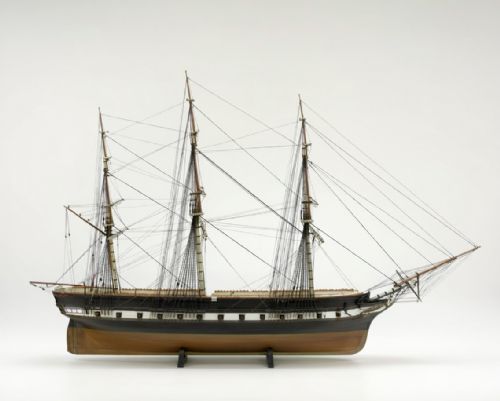
Construction methods rely on traditional joinery techniques suited to each object type, from scratch-built model ships to carved plaques and turned candlesticks. Surfaces often retain traces of early paint, oil, or polished timber finishes applied by hand.
Assessing quality and authenticity
Quality rests in the integrity of the material and the crispness of the hand-carving or joinery. Pieces that retain their original unblemished timber surfaces and early structural components stand above those with extensive later alterations.
Artistic execution and proportion separate standard domestic items from superior examples. Signed works, documented makers, and sophisticated coastal or scientific models display a higher degree of precision and finish.
John Constable·W Williams·James Ferguson·Watkins & Hill
The Georgian Wooden Decor Glossary
- Pine
- A softwood commonly used for utility items, country furniture, and panel paintings during the eighteenth century. It takes paint well and was frequently decorated or grained.
- Yew
- A dense, hard timber with a striking contrasting grain, utilised for smaller decorative items and bookends. It demands skill to work due to its irregular growth and knots.
- Thermoscope
- An early scientific instrument designed to indicate relative temperature changes rather than exact measurements. Examples often feature turned boxwood housings.
- Dummy board
- A painted wooden figure cut out to life-size scale, designed to deceive the eye as a decorative room ornament. These flat panels date back to the eighteenth and nineteenth centuries.
- Plumbago
- A drawing executed in graphite, taking its name from the Latin for lead ore. Artists used this medium for detailed miniature portraits in the eighteenth century.
Georgian Wooden Decor: Frequently Asked Questions
How do I identify genuine Georgian wood?
Authentic pieces show the tool marks, patination, and timber shrinkage consistent with eighteenth and early nineteenth-century hand woodworking. Examining the underside or interior reveals the use of period construction methods and older fixings.
Secondary woods and historical repairs also help confirm the age of an object. Familiarity with the weight, grain, and colour of timbers like oak, mahogany, and pine aids correct attribution.
Were these items purely decorative?
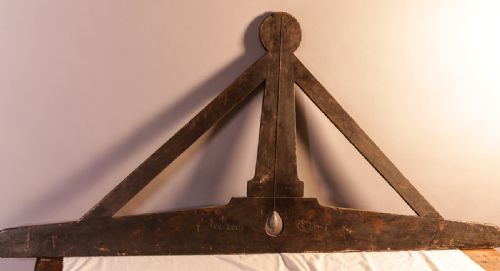
Many objects started life as functional tools, scientific equipment, or storage containers before becoming decorative items for modern interiors. Candle boxes, knife sharpeners, and architects' levels served practical domestic and professional roles.
Over time, their craftsmanship and material beauty led to them being collected and displayed purely for their aesthetic value.
How should I care for wooden antiques?
Keep wooden pieces away from direct heat sources and sudden humidity changes to prevent the timber from splitting or warping. Dust them gently with a dry, soft cloth rather than using modern chemical sprays.
Occasional application of traditional wax helps nourish the antique finish without building up a heavy, cloudy residue.
What is naive folk art?
Naive folk art refers to items created by self-taught makers or craftsmen outside the formal academic art traditions. These pieces include scratch-built model ships, naive painted wall plaques, and carved wooden horses.
Their charm lies in their direct interpretation of the subject and inventive use of available materials rather than strict adherence to classical proportions.