

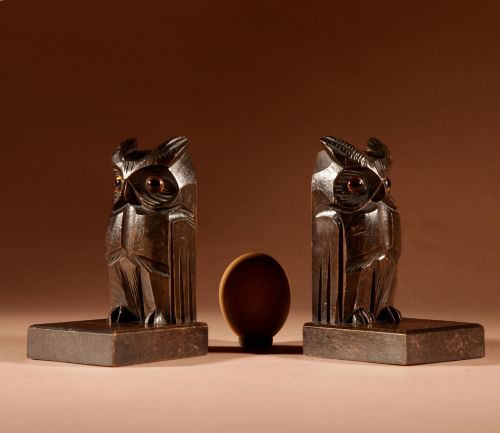
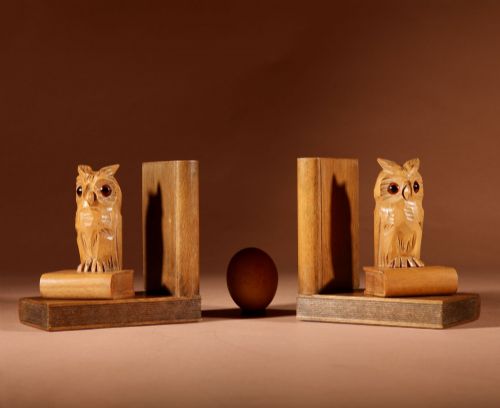


Brown Wooden Bookends
Brown wooden bookends bring sturdy timber and carved detail to any library, holding heavy volumes upright with period character.
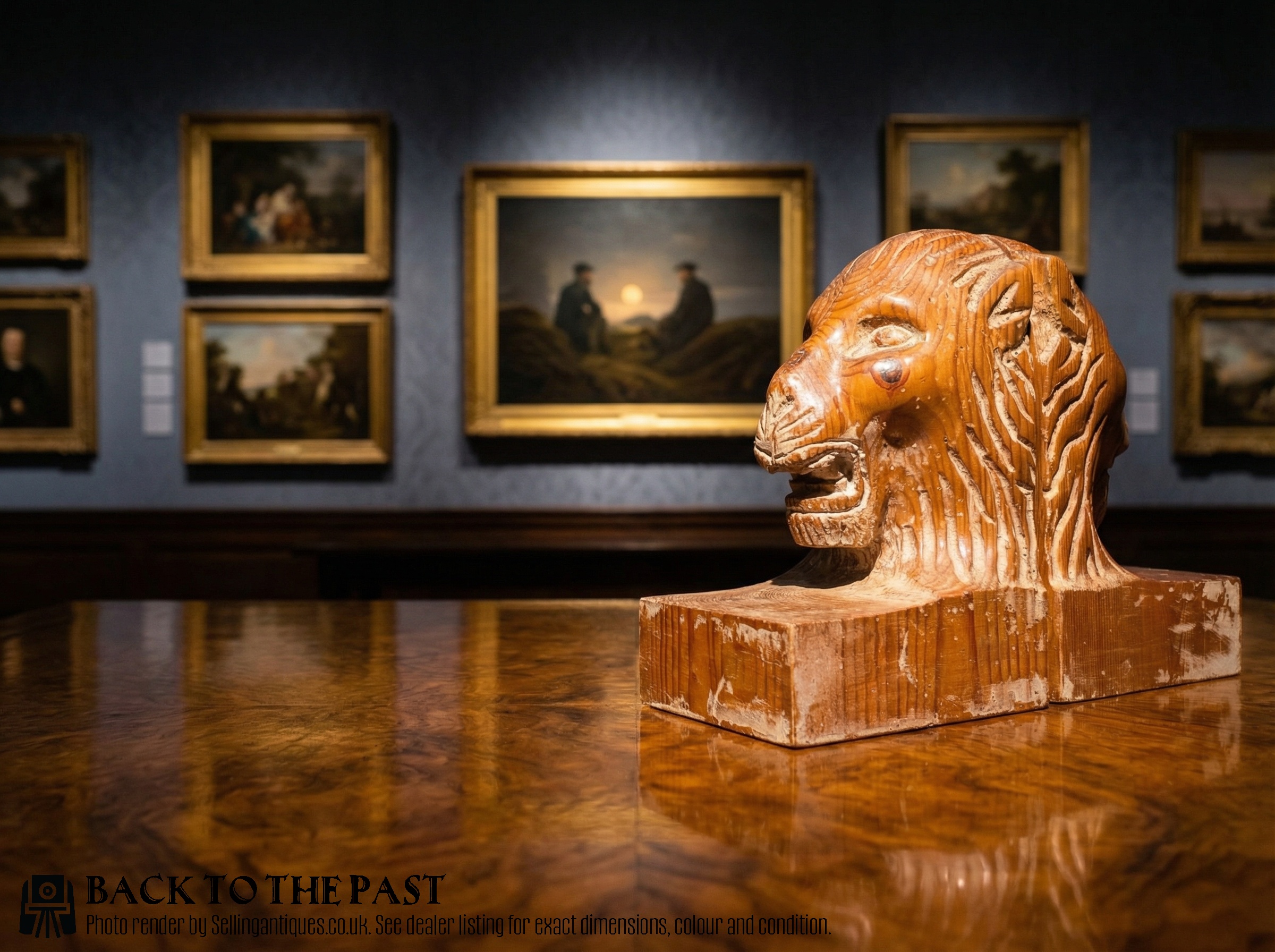
Brown Wooden Bookends
When searching for brown wooden bookends, collectors encounter a diverse range of carved forms and functional book supports. These pieces span from the nineteenth century through the Art Deco era, encompassing Victorian and Edwardian examples.
How they were made
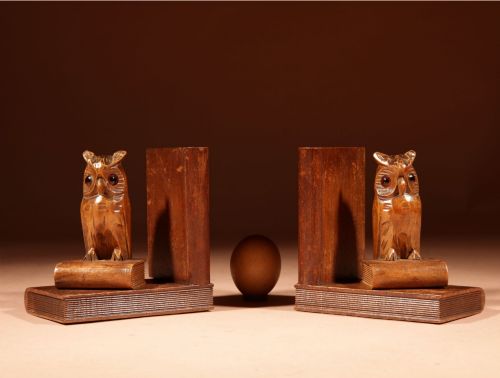
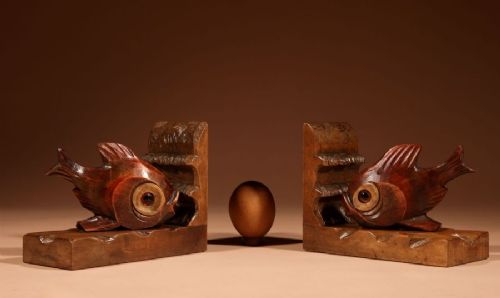
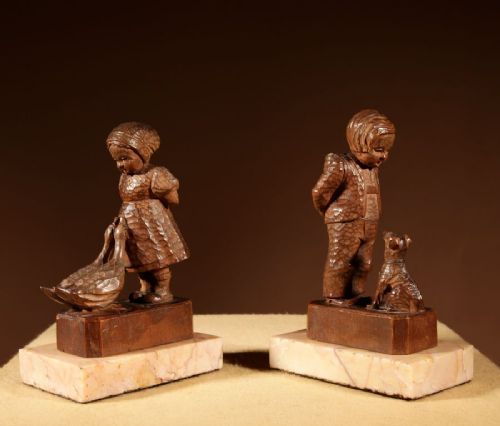
Craftsmen shaped these items using linden wood, oak, hardwood, and pine, often employing hand-carving techniques to bring out animal and figural details. Some pieces incorporate glass inserts or marble bases to provide extra weight for holding heavy books.
Surface treatment varied from natural wood finishes to penwork in the chinoiserie style. Artisans also worked with bamboo and applied carved reliefs to plinths and book troughs.
Brown Wooden Bookends Retail Price Guide 2026
Typical asking prices for brown wooden bookends among the pieces listed under this phrase on Sellingantiques today, from the lower quarter to the upper quarter. They describe what is for sale here now, not the wider market.
Periods represented span from the nineteenth century through Victorian, Edwardian, Arts and Crafts, and Art Deco movements.
What varies in quality
The distinction between standard examples and superior pieces lies in the depth and expression of the carving. Naturalistic animal forms with crisp detailing and balanced proportions command greater attention from buyers.
Integrity of the timber and the retention of original surface patination also determine the standing of each pair. Retaining original mounting plinths and signed signatures elevates certain hardwood sculptures.
Gordon Russell·V Ramirez Bolivia
The Brown Wooden Bookends Glossary
- Black Forest
- A style of wood carving originating from central Europe, known for realistic representations of animals such as bears and owls. These pieces date predominantly to the late nineteenth and early twentieth centuries.
- Book slide
- An expanding wooden trough designed to hold a variable number of volumes between two upright ends. This form allows the shelf space to adjust according to the collection.
- Chinoiserie
- European decorative style reflecting Chinese artistic traditions, often applied through surface penwork on wood. It appears on mid-nineteenth century items.
- Gothic Revival
- An architectural and decorative style drawing inspiration from medieval forms. Pieces in this tradition often display heavy timber construction and ecclesiastical motifs.
Brown Wooden Bookends: Frequently Asked Questions
What periods do these bookends cover?
The available pieces span from the nineteenth century through the Edwardian period and into the Art Deco era of the 1920s and 1930s.
Examples include Victorian animal rests alongside later twentieth-century hardwood sculptures.
How were these wooden supports used?
Owners placed them on desks, mantelpieces, and bookshelves to keep rows of volumes vertical and organised. Certain variations functioned simultaneously as letter stands or expanding book slides.
They served both a domestic utilitarian purpose and a decorative display function in home libraries.
Which woods appear most frequently?
Carpenters utilised linden wood, oak, pine, and general hardwoods for durability and carving clarity. Bamboo and carved wood composites also feature among the selection.
Heavier materials like marble occasionally form the base plinths to improve stability.
How do styles differ across regions?
Black Forest workshops specialised in expressive animal carvings featuring bears, owls, and dogs with deep relief work. English pieces often leaned towards Georgian Revival lions or architectural motifs.
Other regional influences include Kashmiri book slides and Anglo-Indian designs.