




Antique Desk Top Mirror
An antique desk top mirror sits upon a larger surface, reflecting a tradition of fine grooming and writing.
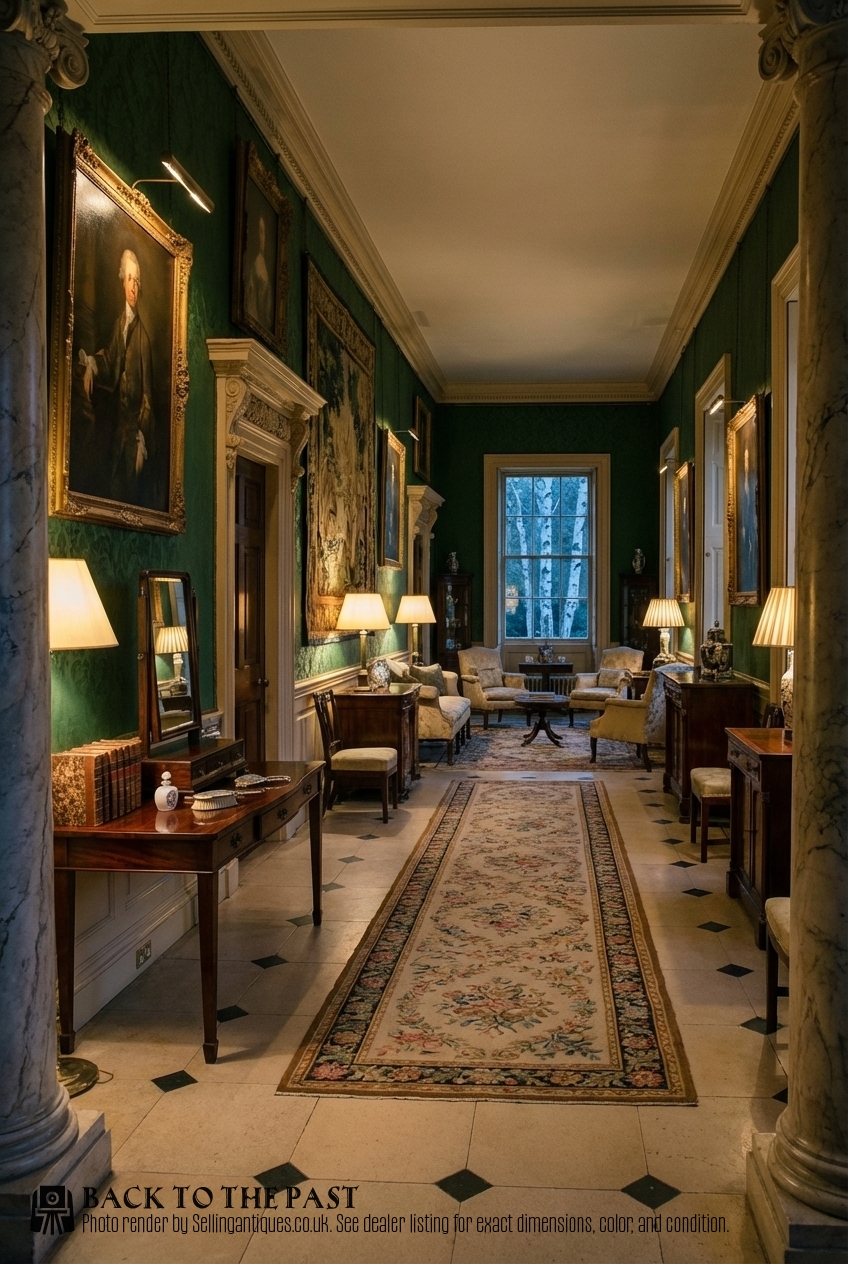
Antique Desk Top Mirror
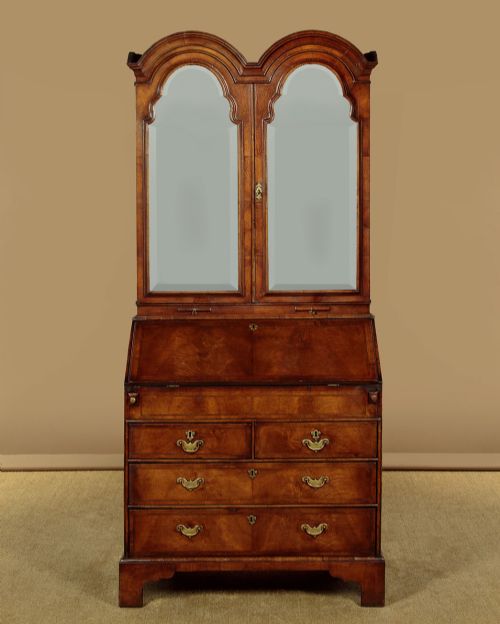
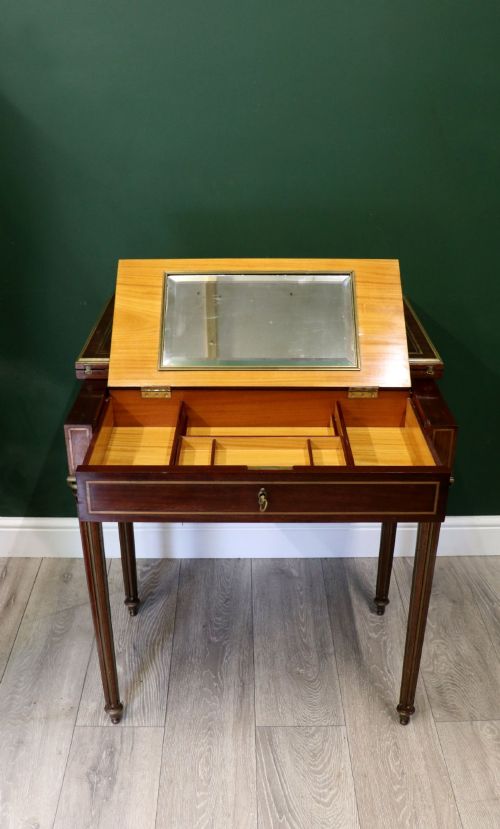
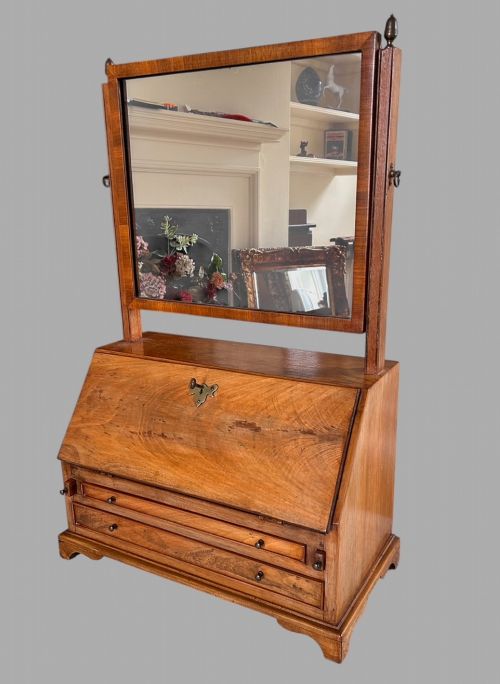
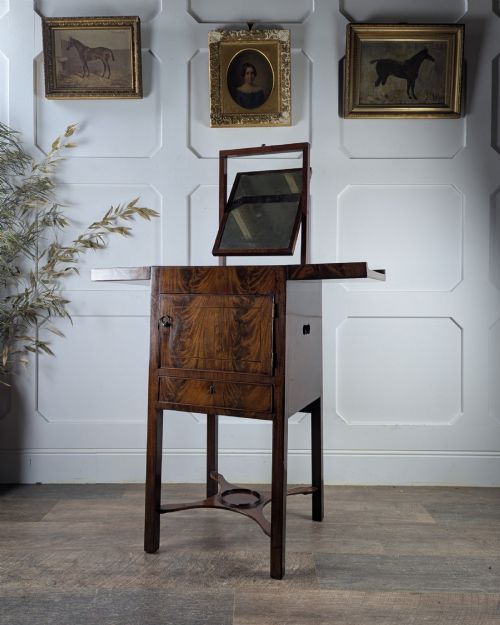
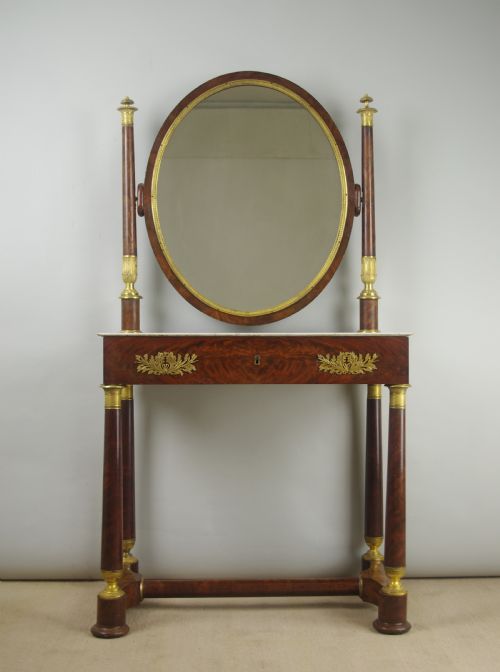
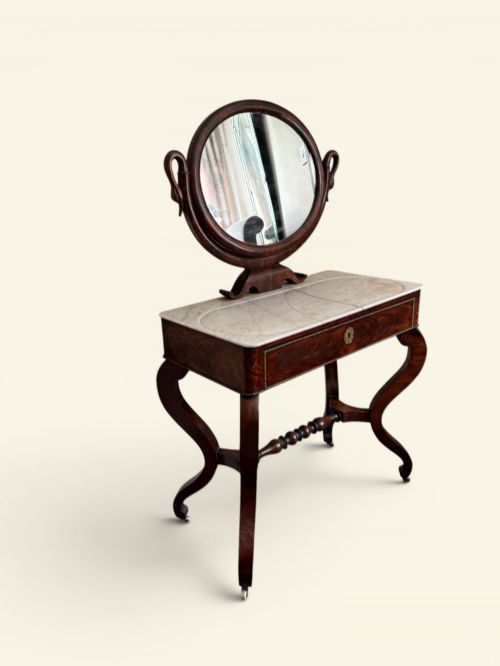
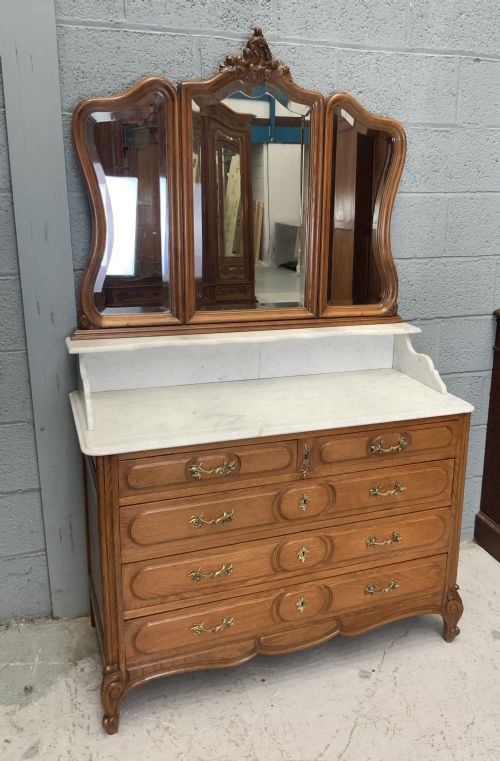
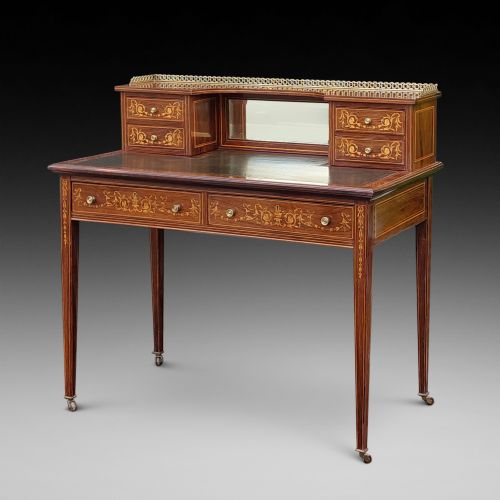
When you search for an antique desk top mirror, you look at compact glass plates designed to rest upon tables, bureaux, and chests rather than stand alone on the floor. These pieces frequently appear in Georgian, Victorian, and Edwardian guises, often incorporating small drawers beneath the glass frame.
The selection here encompasses table-top bureau variants alongside dedicated dressing mirrors from the eighteenth century onward. Walnut, mahogany, and satinwood dominate the construction, reflecting the prevailing cabinet-making timbers of their respective eras.
Many examples channel earlier aesthetics, such as Queen Anne or French provincial styles, executed in solid woods and detailed veneers. You encounter pieces that integrate writing surfaces with mirror plates, uniting two distinct domestic functions into one portable object.
Materials and construction
Cabinet makers utilised dense hardwoods like mahogany, walnut, and oak to build the structural frames and miniature drawer carcases. Satinwood and rosewood frequently appear as decorative veneers, adding patterned grain to the principal surfaces.
Brass fittings, including adjustable pivot screws and small drawer pulls, secure the mirror frame to its upright supports and provide functional hardware. Glass plates, silvered by hand or via early industrial processes, sit within rebated wooden frames.
Joinery techniques such as dovetailed drawer construction ensure durability in these smaller scaled items. Carved details and inlaid stringing further distinguish the execution of the timber components.
Antique Desk Top Mirror Retail Price Guide 2026
Typical asking prices for desk top mirror among the pieces listed under this phrase on Sellingantiques today, from the lower quarter to the upper quarter. They describe what is for sale here now, not the wider market.
Listings feature items spanning the Georgian, Victorian, and Edwardian periods, utilising mahogany, walnut, oak, and satinwood.
Factors influencing quality
The grade of timber selection and the precision of veneer matching dictate the initial visual appeal of the piece. Fine figuring in mahogany or walnut and neat dovetailing on internal drawers indicate careful workshop production.
The retention of original mirror glass and authentic brass pivot hardware preserves the integrity of the object. Subtlety in carved ornamentation or restrained inlay work separates superior cabinet work from plainer utilitarian examples.
Maple & Co·Jas Shoolbred
The Antique Desk Top Mirror Glossary
- Bureau
- A sloping desk with a hinged flap covering pigeonholes and small drawers. It often forms the base component for desk top mirrors and combination cabinets.
- Veneer
- A thin layer of finely figured wood applied over a secondary timber base. This technique allows makers to display decorative grain patterns economically.
- Pivots
- Metal pins or screws set into the side arms of a dressing mirror. They allow the glass frame to tilt back and forth at various angles.
- Dovetail
- A joint formed by interlocking wedge-shaped fingers. It provides strong tensile resistance in drawer construction.
- Stringing
- Narrow inlaid lines of contrasting wood used to edge panels and drawers. It creates a refined linear border on mahogany and satinwood surfaces.
Antique Desk Top Mirror: Frequently Asked Questions
How do I date an antique desk top mirror?
Dating relies upon examining the timber species, secondary woods used in internal framing, and the construction methods of the drawers. Hand-cut dovetails and older mirror glass indicate earlier eighteenth-century or Georgian origins.
Later Victorian and Edwardian pieces often display machine-sawn elements and standardised hardware alongside distinct revival styles such as Queen Anne or French influences.
Are the mirror plates usually original?
Many surviving pieces retain their original glass, which may exhibit minor foxing, light oxidation, or distortion due to age. Such characteristics confirm the historical authenticity of the plate.
Replacement glass frequently occurs in pieces that have seen heavy domestic use over the centuries. A clear, unblemished reflection on an eighteenth-century frame often points to a modern restoration.
Where should I place a desk top mirror in my home?
These mirrors suit placement on top of chests of drawers, sideboards, or partner desks where their adjustable frames can catch and reflect natural light. Their compact footprints allow them to occupy smaller spaces without overwhelming a room.
Ensure the supporting surface is stable and level to protect the antique wood and prevent the pivoting frame from straining its brass fittings.
What is the difference between a dressing mirror and a bureau mirror?
A dressing mirror focuses solely on a swiveling glass plate mounted on a small plinth or box base containing one or more drawers. These were primarily designed for grooming and personal use.
A bureau mirror or table-top bureau combines the tilting glass with a sloping writing flap and internal stationery compartments, serving a dual purpose for correspondence and dressing.