

Antique Desk Bookends
These antique desk bookends steady heavy volumes with solid weight and character, drawing the eye across a study with cast metal, carved wood, and polished stone.
Antique Desk Bookends
When you search for antique desk bookends, you encounter desktop accessories designed to keep rows of books upright on a library table or writing surface. The selection spans the Victorian period through the Art Deco era, featuring both dedicated paired bookends and extending book slides.
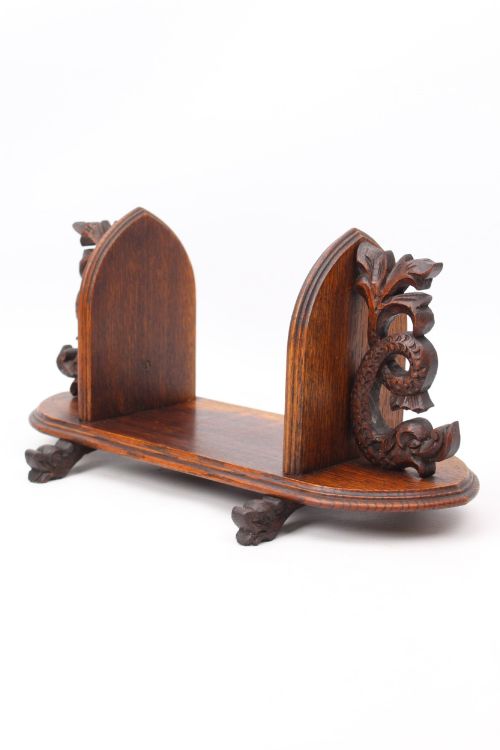
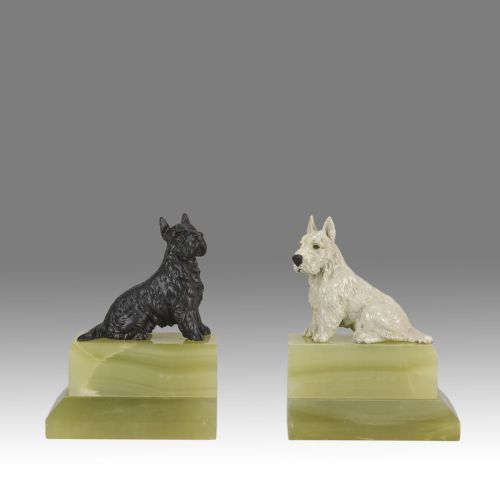
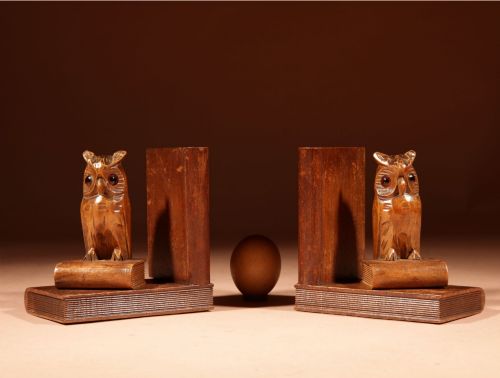
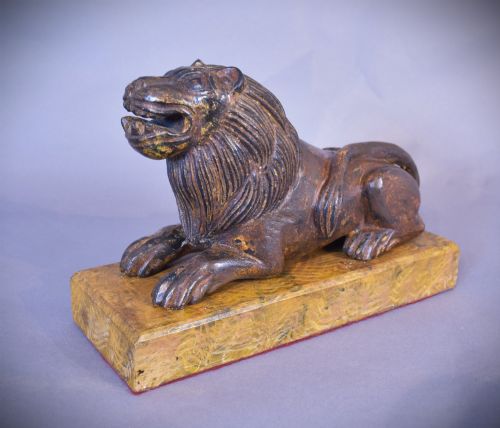
The most common versions met on this page are cast metal figures mounted on heavy bases, alongside hand-carved wooden animals from the Black Forest. These items reflect the practical needs of home libraries and writing desks during the nineteenth and early twentieth centuries.
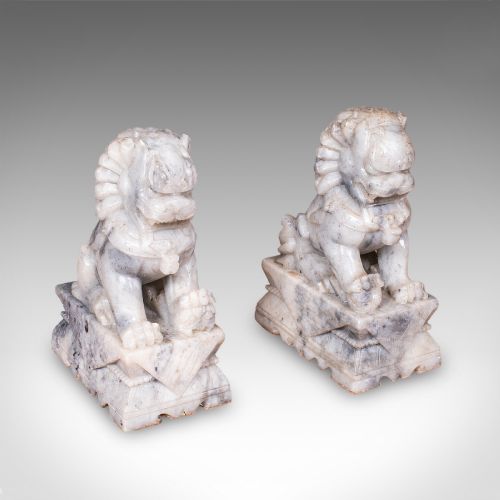
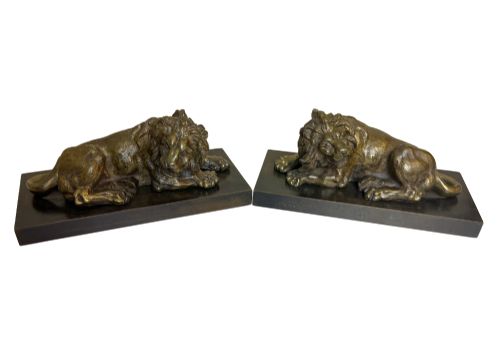
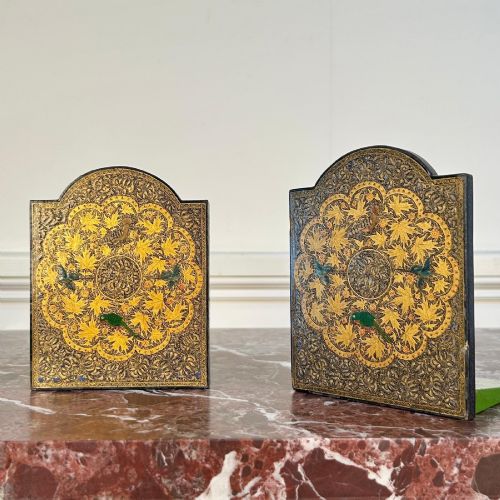
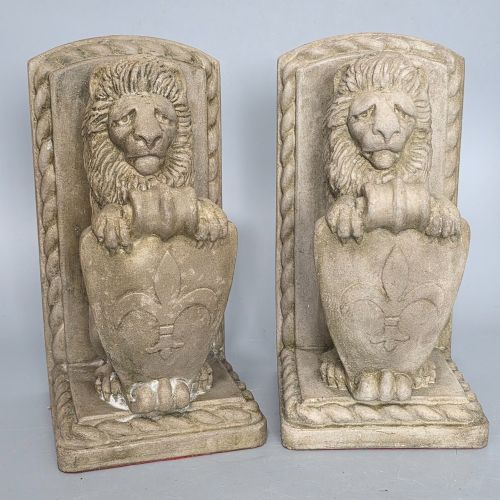
Makers utilised various materials to anchor texts, ranging from solid marble and bronze to carved oak and walnut. Many pieces incorporate decorative motifs, including grand tour lions, domestic dogs, and exotic wildlife carved in exotic woods.
Materials and construction
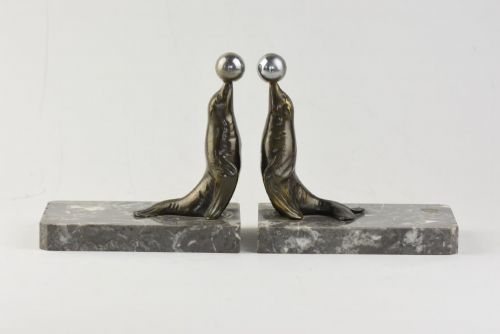
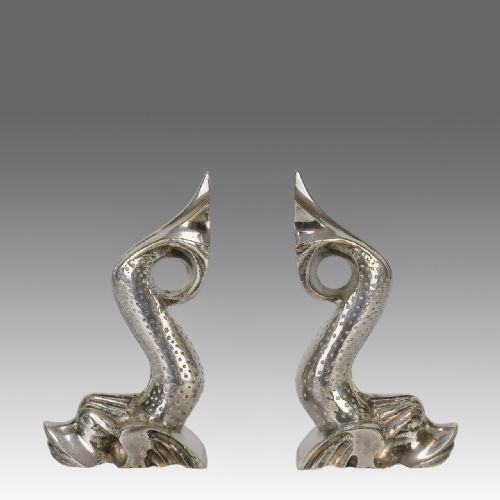
Foundry casting accounts for the metal examples, utilising bronze, brass, and silvered metals shaped into animals, architectural elements, and classical figures. These metal subjects are frequently secured to heavy marble or wooden plinths to provide the necessary traction for supporting heavy volumes.
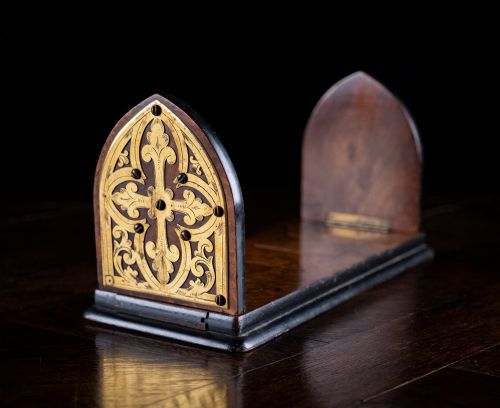
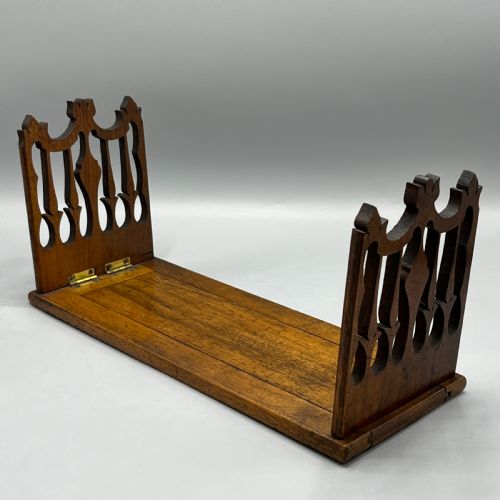
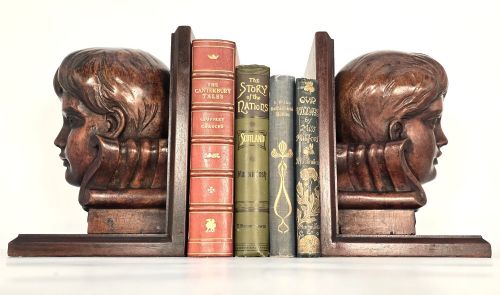
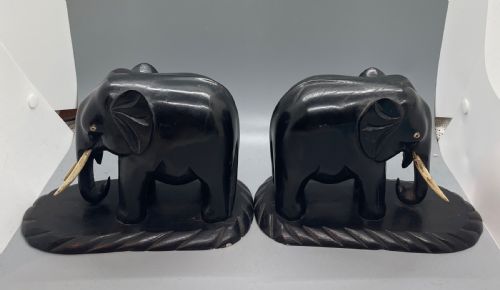
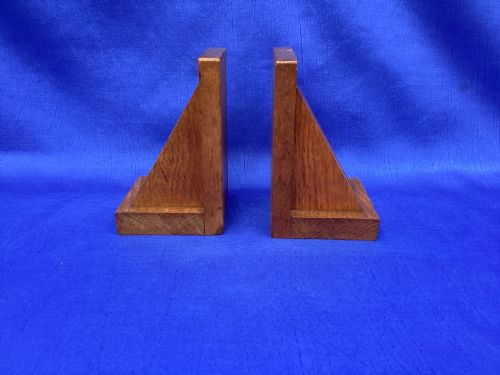
Carved timber pieces rely on traditional woodworking techniques applied to oak, walnut, olive wood, and ebony. Black Forest carvers utilised regional softwoods and hardwoods to produce detailed animal studies, while cabinetmakers constructed extending book slides with brass mounts and sliding mechanisms.
Antique Desk Bookends Retail Price Guide 2026
Typical asking prices for desk bookends among the pieces listed under this phrase on Sellingantiques today, from the lower quarter to the upper quarter. They describe what is for sale here now, not the wider market.
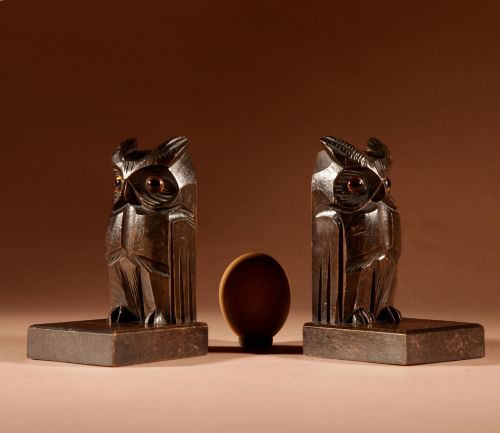
Several Victorian workshops produced playful pairs of carved wooden owls and bamboo-perched dogs to guard serious library volumes.
Judging quality in desk supports
For wooden varieties, quality shows in the selection of timber, such as figured walnut or dense olive wood, and the stability of any extending mechanisms. Hand-carved specimens demonstrate superior craftsmanship through naturalistic animal proportions and undamaged fine details.
F Abella And Sons·Tiffany Studios New York·Franz Gruber·Thornton Smith Co
The Antique Desk Bookends Glossary
- Book slide
- An extending desktop rack with sliding ends designed to hold a varying number of volumes upright between two supports.
- Grand Tour
- A term describing souvenir objects, such as bronze lions, brought back by travellers from nineteenth-century journeys through continental Europe.
- Black Forest carving
- Woodwork originating from central Europe, typically depicting realistic animals like owls, bears, and dogs carved from lime or walnut.
- Patina
- The surface sheen and colour developed on metals and woods through age, handling, and oxidation over decades.
- Tunbridge ware
- Small wooden items decorated with precise mosaic patterns formed from thousands of tiny tinted wood blocks.
Antique Desk Bookends: Frequently Asked Questions
What is the difference between bookends and book slides?
Bookends are typically a matched pair of heavy objects used to clamp a row of books between them on a flat surface. Book slides feature an adjustable wooden base with expanding sides that hold texts securely without needing a wall or separate end supports.
Slides often incorporate brass tracking and folding mechanisms, making them adaptable for changing numbers of volumes on a writing table.
How do I date an antique book slide?
Dating relies on timber selection, brass mounts, and construction methods visible on the underside and extending mechanism. Victorian examples frequently employ walnut with substantial brass mounts, whereas later twentieth-century pieces utilise simpler oak frameworks or modernist silhouettes.
Examining the screw heads, hinges, and wood joints helps determine whether a piece belongs to the nineteenth-century revival periods or the later Art Deco era.
Were these items meant only for libraries?
These accessories served working spaces throughout the home, including writing desks, parlour tables, and office ledgers. Their robust construction allowed them to support heavy bound volumes, encyclopaedias, and ledgers in addition to ordinary reading books.
Many designs reflected personal interests, featuring sporting motifs, domestic animals, or classical subjects suited to the owner's study.
How should I clean bronze and brass bookends?
Dusting with a dry, soft cloth preserves the natural surface patination and prevents accumulation in recessed details. Avoid using chemical metal polishes, which strip away historical ageing and brighten the surface unnaturally.
For wooden bases, occasional treatment with appropriate wax maintains the condition of the timber without harming adjacent metal or stone elements.