


Victorian Ceramic Desk Accessories
Victorian ceramic desk accessories bring desk spaces alive with character, offering collectors practical history and decorative charm in equal measure.
Victorian Ceramic Desk Accessories
Victorian ceramic desk accessories comprise inkwells, inkstands, quill holders, bookends, and tile calendars made during the nineteenth century and the Edwardian period. Buyers searching for victorian ceramic desk accessories encounter practical writing equipment fashioned from earthenware, porcelain, and stoneware.
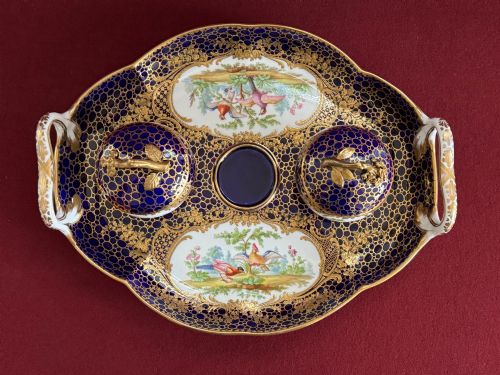
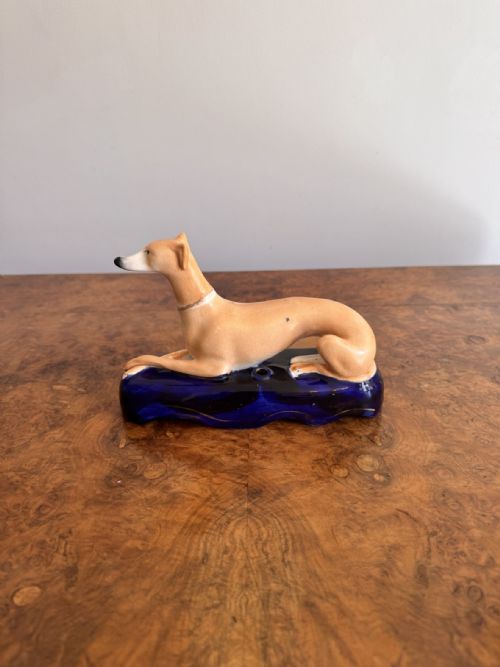
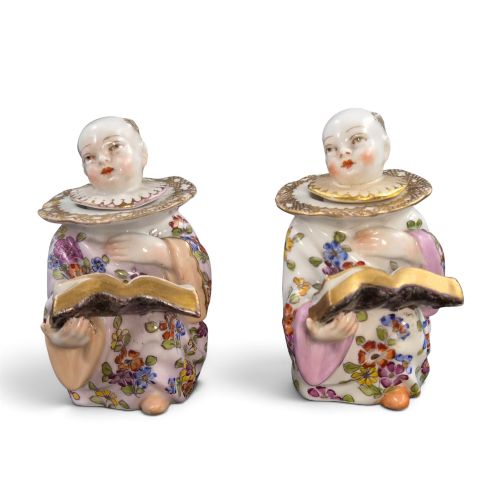
Figural pieces featuring dogs such as whippets, greyhounds, dalmatians, and spaniels dominate the selection alongside continental porcelain inkwells and blue and white ceramic designs. These items served functional writing needs on nineteenth-century desks while providing ornamental appeal through modelled animal forms and painted glazes.
Materials and construction methods
Potters utilised earthenware, stoneware, and porcelain to form the bodies of these desk items, often finishing them with coloured glazes, enamel, and gold leaf. Moulded ceramic forms frequently incorporated secondary materials like brass bases to provide stability and decorative contrast.
Decoration ranged from hand-painted blue and white Delft faience and Chinoiserie motifs to Sèvres-style porcelain painting and moulded Staffordshire animal figures. Tin-glazed earthenware and specialised ceramic bodies reflect the diverse manufacturing techniques employed across English and continental workshops.
Staffordshire whippets and rugby balls guard the ink.
Distinctions in quality and execution
Quality in these desk pieces rests upon the crispness of the ceramic moulding and the precision of the hand-painted or enamelled decoration. Finer examples display meticulous attention to anatomical detail in animal figures and superior control over glaze application and gold leaf detailing.
The integration of mixed materials, such as well-fitted brass mounts and intact ceramic components, separates standard production items from superior artistic works. Pieces bearing identifiable maker marks or sophisticated stylistic references like Rococo Revival or Chinoiserie generally command greater attention.
Edmé Samson·Minton Hollins·Minton Porcelain
The Victorian Ceramic Desk Accessories Glossary
- Inkwell
- A small pot or reservoir for holding liquid ink, designed for use on a writing desk.
- Inkstand
- A tray or stand incorporating one or more inkwells along with places for pens and other writing utensils.
- Quill Holder
- A ceramic support or figural piece specifically shaped to hold feather quills or pens when not in use.
- Faience
- Tin-glazed earthenware, often decorated with blue pigments in imitation of Chinese porcelain.
- Staffordshire Pottery
- Earthenware produced by various potteries in the Staffordshire region, famous for figural animals and chimney ornaments.
Victorian Ceramic Desk Accessories: Frequently Asked Questions
What are Victorian ceramic desk accessories?
Victorian ceramic desk accessories are functional desk items made from materials like earthenware and porcelain during the nineteenth century. They include inkwells, quill holders, and bookends designed to assist with writing tasks.
Many pieces take the form of modelled animals, such as greyhounds and dalmatians, reflecting popular domestic themes of the period. These objects combined everyday utility with decorative appeal for the Victorian desk.
How were ceramic inkwells used?
Ceramic inkwells held liquid ink for dip pens used in correspondence and record-keeping before the widespread adoption of fountain pens. Writers dipped their quills directly into the central reservoir.
Many inkwells formed part of larger desk stands that included spaces for sanders, pen trays, and matching quill holders. They sat permanently on writing tables in studies and offices.
How do I date ceramic desk pieces?
Dating these pieces involves examining the ceramic body, glaze type, stylistic influences, and any maker marks or registration numbers present. Victorian items often display characteristics of specific revivals like Rococo or Chinoiserie.
Figurative styles, modelling techniques, and materials such as stoneware or soft-paste porcelain also provide clues to whether a piece originates from the mid-nineteenth century or the Edwardian era.
Are desk accessories fragile?
Ceramic and porcelain desk accessories require careful handling because glazed earthenware and fine porcelain can chip or crack upon impact. Metal components like brass bases provide some structural support but the ceramic bodies remain vulnerable.
Displaying them away from busy table edges and cleaning them gently without harsh abrasives preserves their surface decoration and gold leaf details.