
Antique Derby Ceramics
Antique derby ceramics are historical porcelain pieces ranging from delicate figures to serving dishes produced in England across Georgian, Victorian, and Edwardian periods.
Antique Derby Ceramics
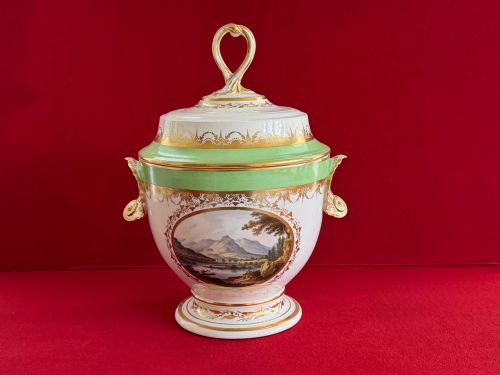
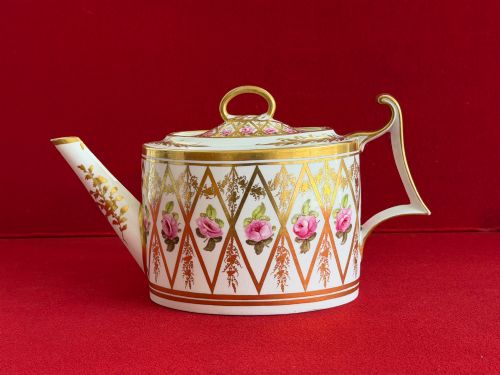
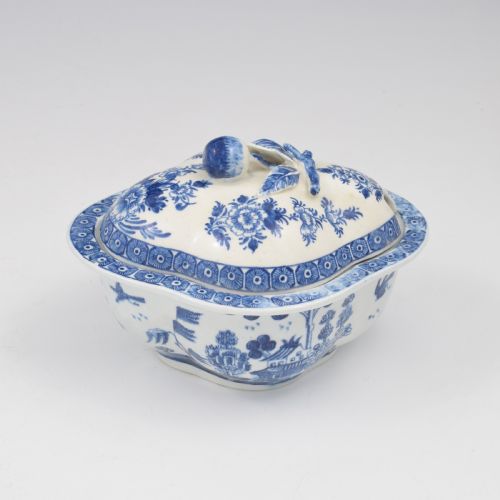
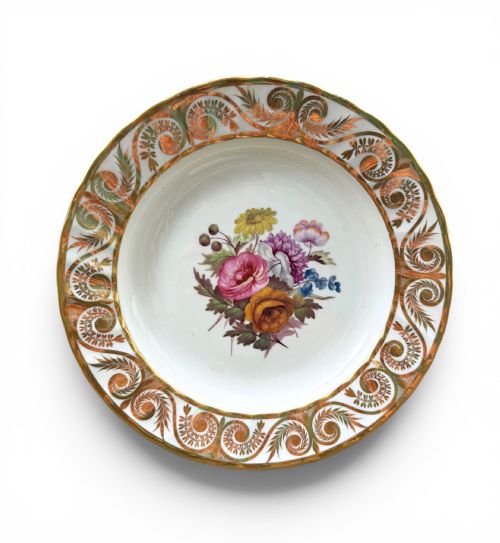
Antique derby ceramics comprise a diverse range of functional tableware and decorative objects, including plates, vases, tureens, and intricate porcelain figures. When exploring this selection, buyers frequently encounter Georgian-era tea wares, Regency botanical dessert plates, and detailed nineteenth-century figurines.
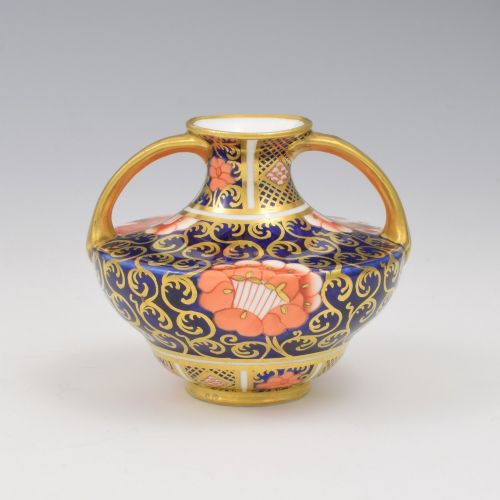
The objects span multiple stylistic movements, encompassing Rococo curves, Neoclassical restraint, and vibrant Imari patterns. Pieces trace the evolution of English porcelain manufacture from early soft-paste experiments through to robust bone china bodies.
How they were made
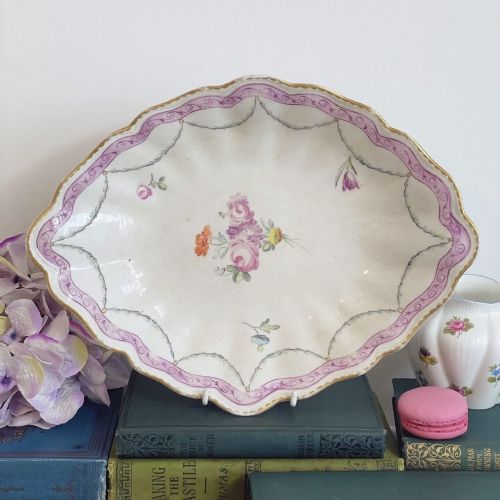
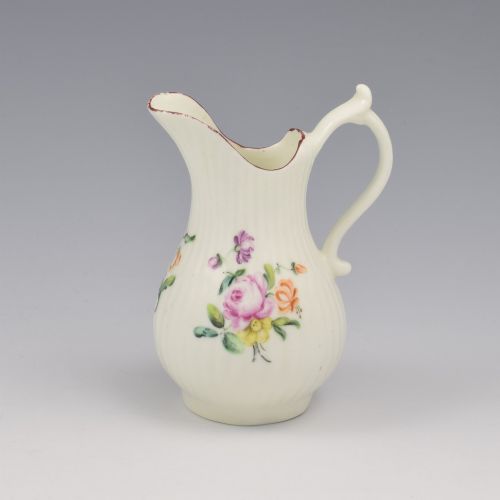
Early works utilise soft-paste porcelain and unglazed biscuit porcelain, while later production incorporates bone china and hard paste. Potters shaped these materials into fluted baluster jugs, scalloped dishes, and hollow figures using skilled moulding techniques.
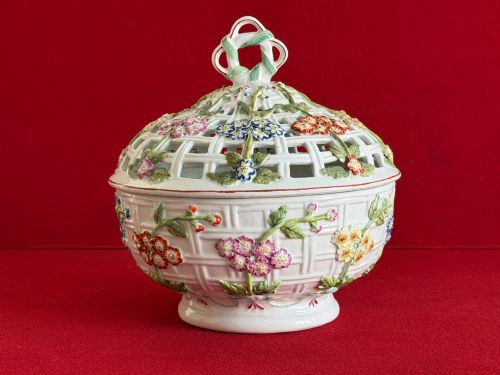
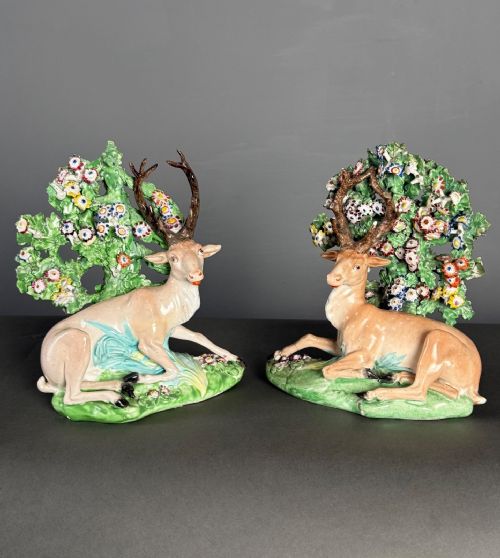
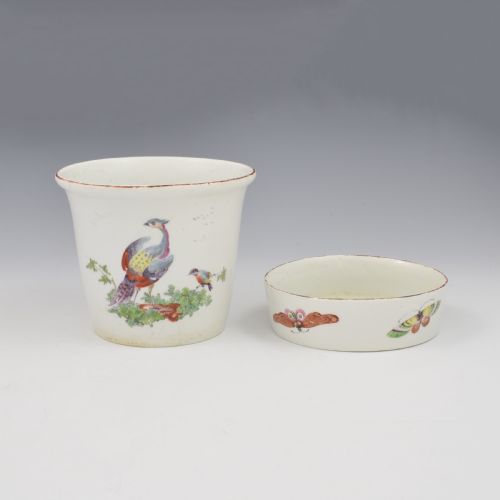
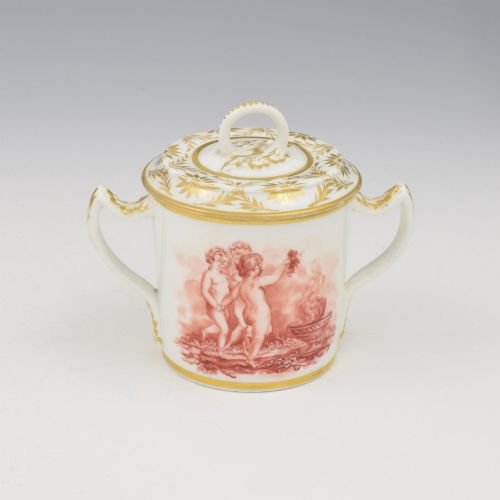
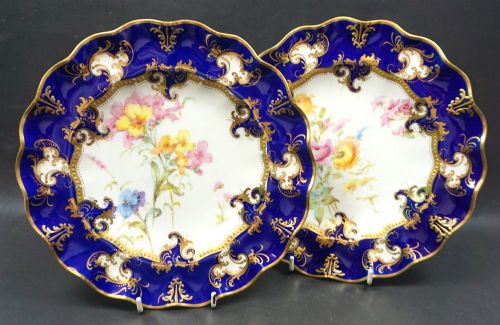
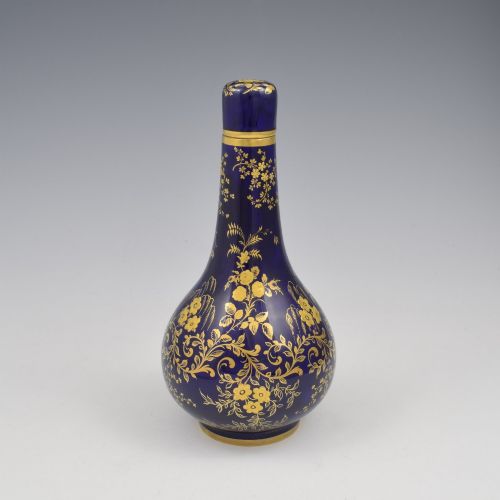
Decoration relied on handpainted polychrome enamels, sepia washes, and applied gold leaf gilding. Artisans enhanced surfaces with sculptural elements like floral bocage backgrounds and detailed underglaze blue marks.
Even eighteenth-century stags needed floral foliage, as evidenced by recumbent deer surrounded by porcelain bocage leaves.
What varies in quality
The standard of antique derby ceramics depends heavily on the precision of the handpainted details and the crispness of the porcelain moulding. Superior examples display refined brushwork by named decorators, balanced polychrome palettes, and intact delicate elements like leaves and fingers on figures.
Early soft-paste pieces with characteristic glaze pooling sit alongside later mass-produced bone china services. Quality is further defined by the complexity of the form, such as pierced serving trays or elaborate rococo candlesticks compared to plain utilitarian vessels.
George Robertson·Moses Webster·Duesbury and Kean·John Ford
The Antique Derby Ceramics Glossary
- Bocage
- An intricate background of applied porcelain leaves and branches often found behind eighteenth-century figures. This foliage provides a naturalistic setting for pastoral scenes and wildlife.
- Soft-paste porcelain
- A glassy porcelain composition fired at lower temperatures than hard paste, common in early English factories. It produces a warm creamy tone and interacts distinctively with glazes.
- Imari
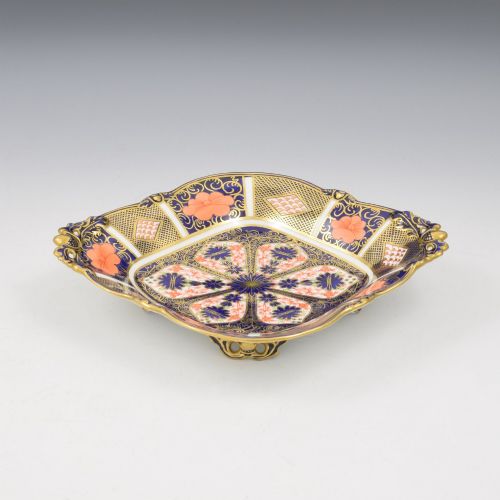
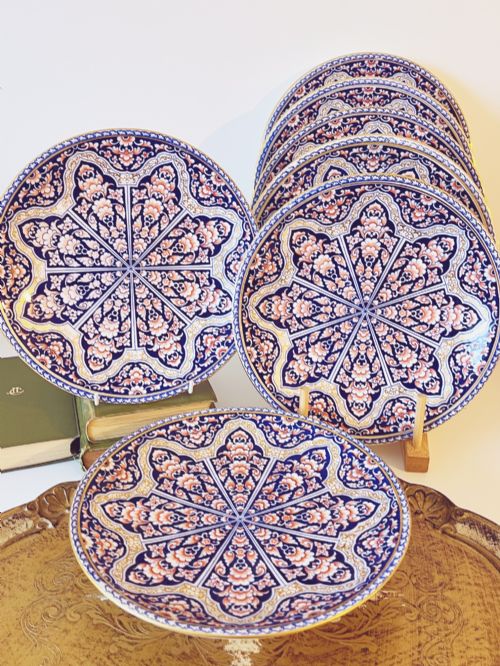
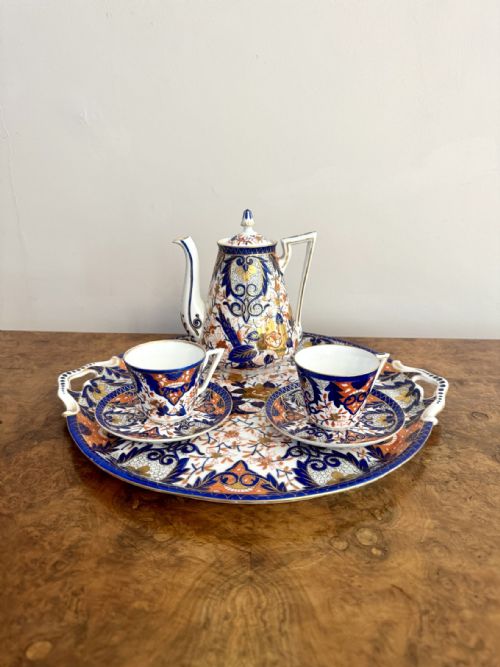
- A decorative style featuring dense iron red, cobalt blue, and gold leaf patterns inspired by Japanese exports. This palette recurs across various eras of production.
- Biscuit
- Unglazed fired porcelain that has a matte, tactile surface resembling marble. It was frequently utilised for sculptural figures to highlight facial expressions and drapery.
- Armorial
- A crest or coat of arms handpainted onto ceramic surfaces to denote the commissioning family. These bespoke services represent high-status domestic commissions.
Antique Derby Ceramics: Frequently Asked Questions
What periods do these pieces span?
The items cover Georgian, Regency, Victorian, and Edwardian eras, reflecting changing British tastes from the eighteenth century into the twentieth.
Early pieces originate from the foundational decades of English porcelain, while later examples showcase the revived production methods of the nineteenth and early twentieth centuries.
How were these ceramics used?
Tableware such as tureens, plates, and dessert services served dining and entertaining functions in affluent households.
Figurines, candlesticks, and decorative vases fulfilled purely ornamental roles on mantelpieces and cabinets.
What is biscuit porcelain?
Biscuit porcelain is fired ceramic material left unglazed to produce a fine matte finish. It gained popularity for portrait busts and detailed figures.
This finish allowed sculptors to display crisp details without the softening effect of a glossy glaze layer.
How do I identify Imari patterns?
Imari patterns are characterised by a distinct colour palette combining underglaze blue, iron red, and gilding. These designs draw direct inspiration from traditional Japanese export wares.
They appear on serving dishes, plates, and ornamental vessels across multiple production periods.