



Antique Delftware Vase
An antique delftware vase brings tin-glazed earthenware and cobalt pigment together, offering the historic charm of Dutch and English potteries to any room.
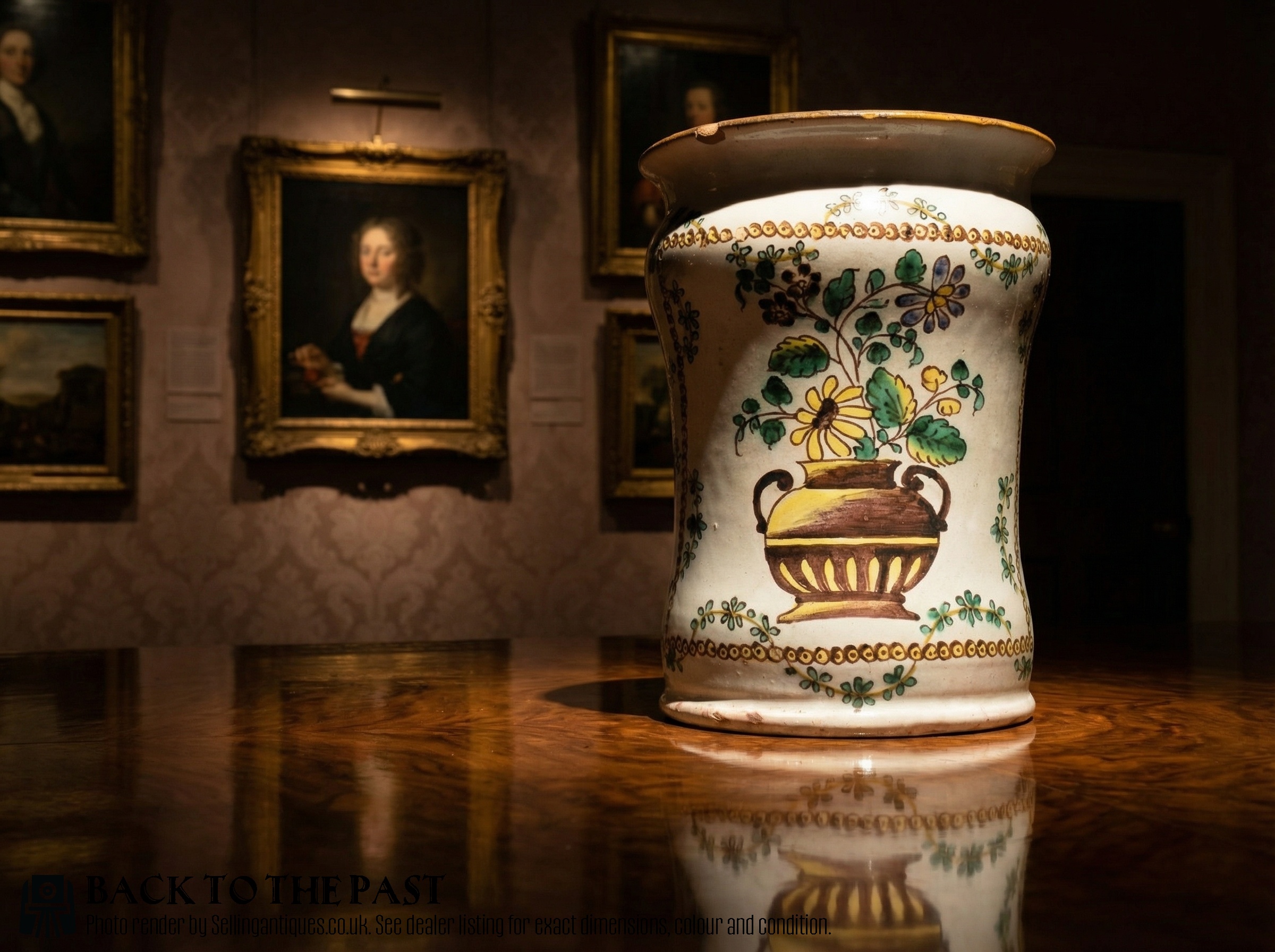
Antique Delftware Vase
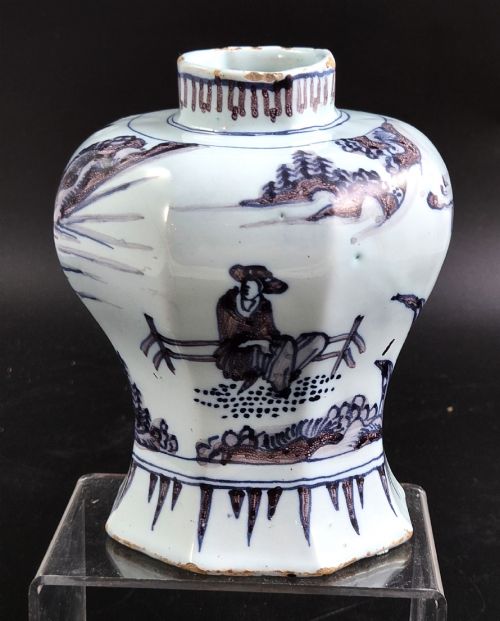
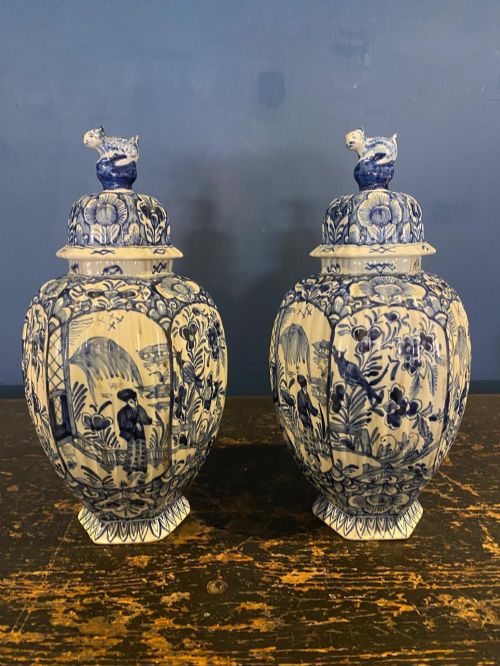
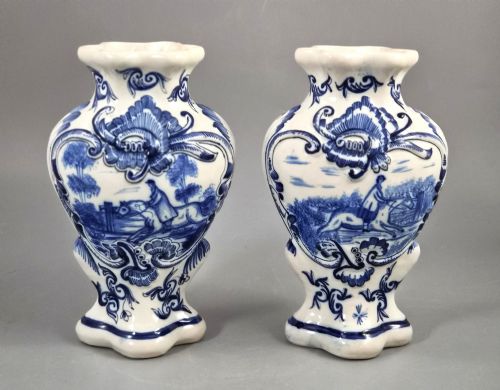
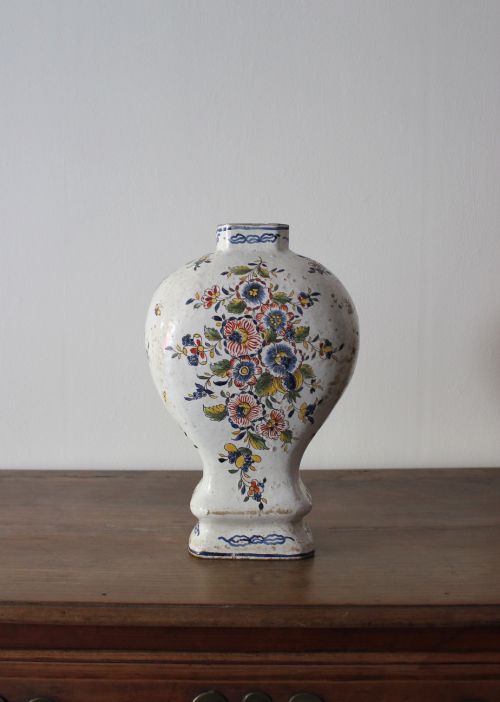
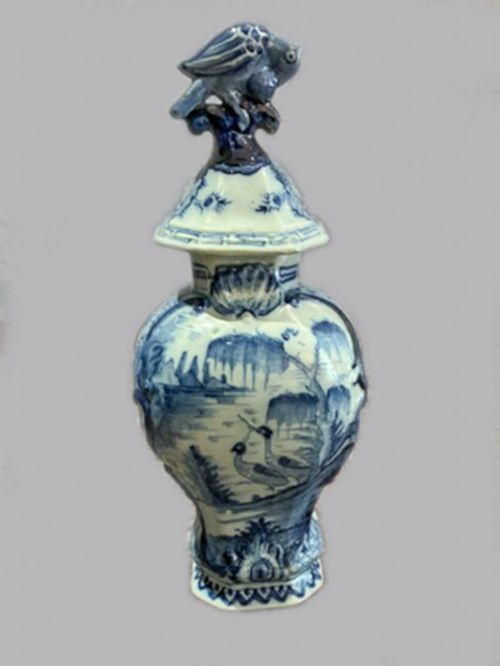
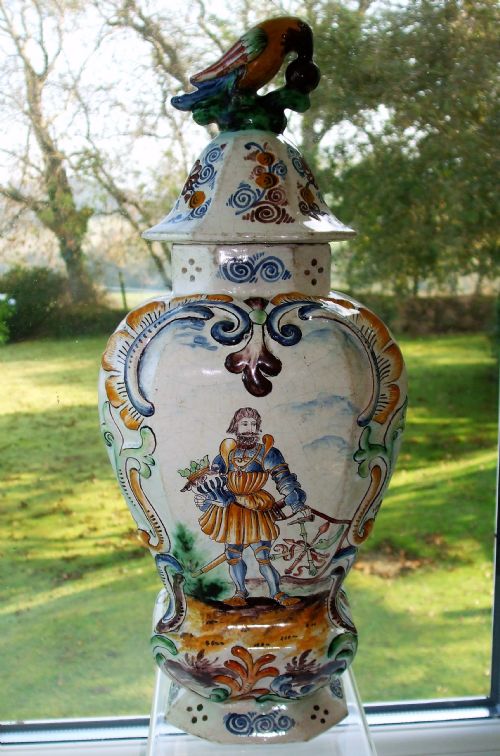
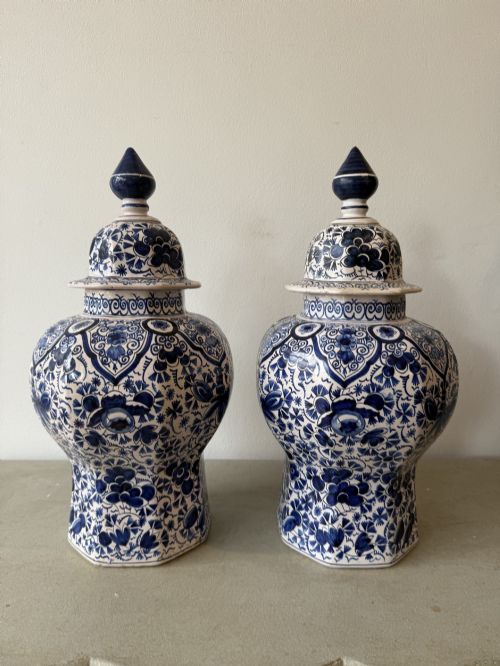
When searching for an antique delftware vase, you encounter earthenware pieces spanning from the seventeenth century through to the nineteenth century. The selection includes baluster shapes, lidded vessels, beaker vases, and garden urns alongside table lamps converted from earlier vessels.
Most examples originate from Dutch or English workshops, though French faience makers also produced notable blue and white interpretations. Forms range from simple jars to large handled urns decorated with traditional motifs.
The material displays the characteristic tin-glazed surface that defines the medium, often paired with cobalt pigment or polychrome decoration. Pieces frequently reflect Dutch Baroque, Chinoiserie, or Rococo Revival styles depending on their exact period of manufacture.

Materials and construction methods
Potters shaped earthenware bodies before applying an opaque white tin glaze that provided a smooth canvas for subsequent painting. Artisans then hand-painted designs onto this unfired or partially fired glaze using cobalt pigment for traditional blue and white schemes.
Firing took place in traditional kilns where the tin glaze fused with the clay body, creating the characteristic glossy surface finish. Some pieces also incorporated brass fittings or later electrical wiring when converted into lamps in subsequent centuries.
Antique Delftware Vase Retail Price Guide 2026
Typical asking prices for delftware vase among the pieces listed under this phrase on Sellingantiques today, from the lower quarter to the upper quarter. They describe what is for sale here now, not the wider market.
Listings feature earthenware vessels spanning the seventeenth, eighteenth, and nineteenth centuries, utilising tin glaze, cobalt pigment, and brass.
Assessing quality in tin-glazed pottery
Quality rests upon the crispness of the hand-painted cobalt pigment against the tin glaze, where finer examples display precise brushwork and balanced Chinoiserie or floral motifs. The smoothness and consistency of the white tin glaze itself also distinguish superior items.
Structural complexity marks the upper tier, particularly in lidded vessels, ribbed beaker vases, and large garden urns that demand greater skill from the potter. Well-preserved glazes with minimal flaking retain both their decorative impact and historical integrity.
Fourmaintraux-Courquin·3 BELLS Drie klokken Factory·Louis Victor
The Antique Delftware Vase Glossary
- Tin-Glaze
- A ceramic glaze made opaque with tin oxide, providing the white background typical of delftware. This surface accepts painted pigments before the final kiln firing.
- Baluster
- A vase form characterised by a swollen lower portion that tapers towards a narrow neck. This classic shape appears frequently among seventeenth and eighteenth-century examples.
- Chinoiserie
- European artistic styles reflecting Chinese motifs and landscapes, popular on many early delftware pieces. Painters rendered these fantastical scenes in cobalt blue upon the white glaze.
- Faience
- European tin-glazed earthenware produced in France and other regions outside the Netherlands. French makers such as those at Desvres created notable pieces in this tradition.
- Polychrome
- Decoration utilising multiple colours rather than blue alone, often combining orange, green, and red hues. These multi-coloured examples stand alongside the more common blue and white wares.
Antique Delftware Vase: Frequently Asked Questions
How do I clean an antique delftware vase?
Dust the surface gently with a soft, dry cloth to remove everyday particles without disturbing the tin glaze.
Avoid using water, chemical cleaners, or immersion, as historic tin-glazed earthenware remains porous and vulnerable to moisture damage.
Were these vases always used for flowers?
Many vessels served as decorative items, storage jars, or lidded containers rather than holding water for fresh stems.
Their delicate tin glaze and porous earthenware body meant that holding water could damage the fabric over extended periods.
How can I tell English delftware from Dutch?
English potteries, such as those in Lambeth, often developed distinct clay bodies and glaze characteristics influenced by local production methods.
Comparing the blue pigment application, potting weight, and decorative motifs helps differentiate between the primary European production centres.
Why are some vases fitted for electricity?
Numerous nineteenth and twentieth-century owners converted decorative vessels into table lamps to adapt them for modern domestic lighting.
This standard practice utilised the height and visual appeal of larger jars and baluster vases while altering their original function.