




Antique Delftware Pot
An antique delftware pot brings tangible history into a room, combining tin-glazed earthenware with hand-painted blue, manganese, and polychrome palettes.
Antique Delftware Pot
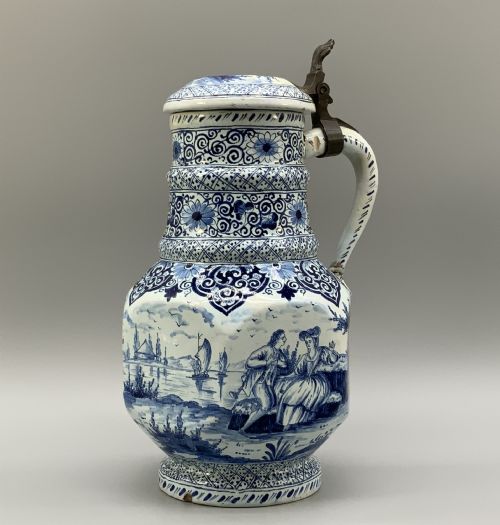
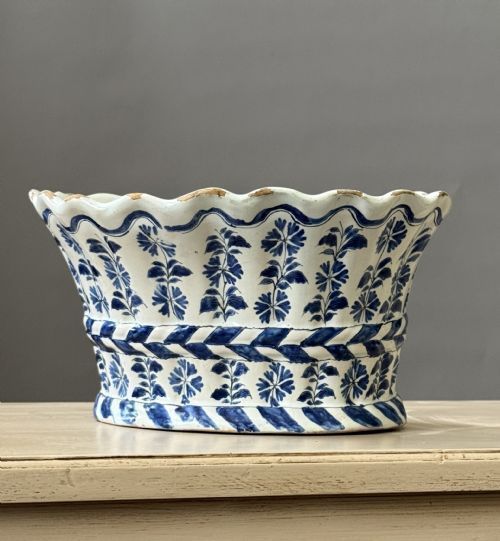
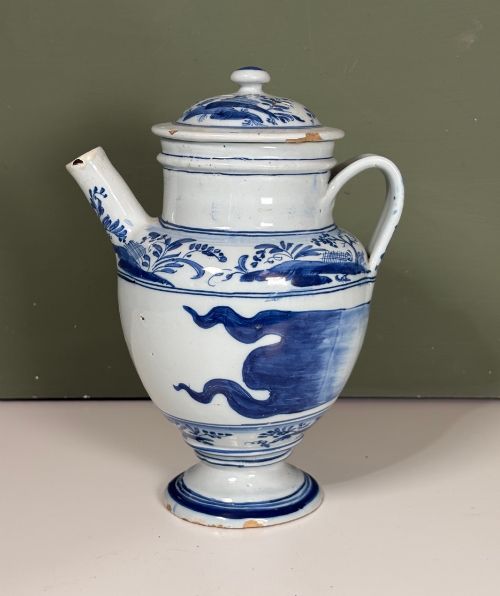
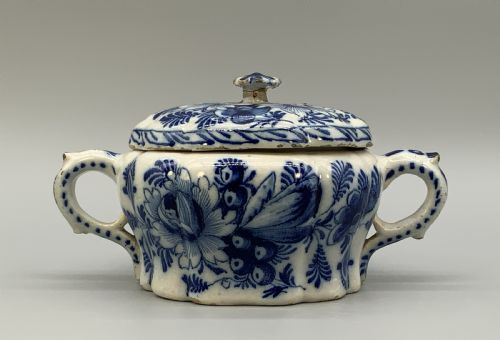
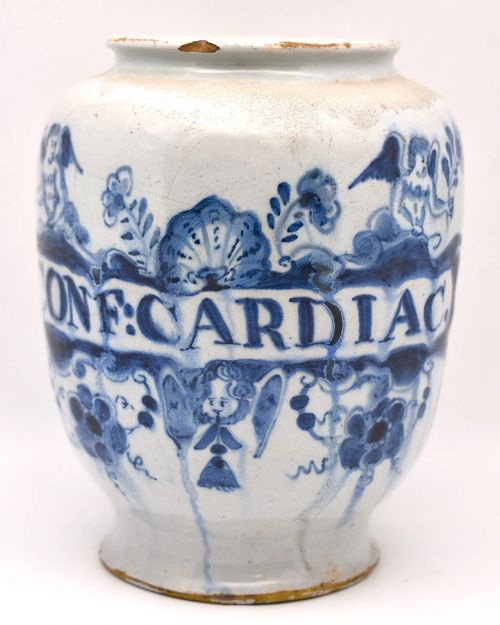
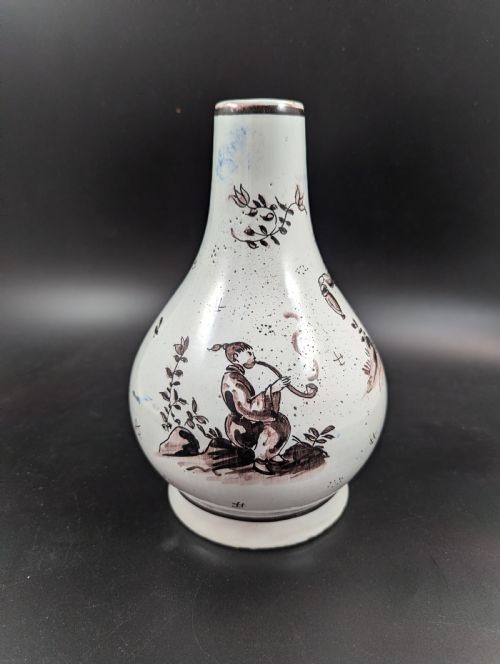
When you search for an antique delftware pot, you encounter items shaped for utility and display across the seventeenth and eighteenth centuries. These pieces encompass apothecary jars, drug jars, posset pots, bough pots, tobacco jars, and lidded jugs.
The objects derive primarily from English and Dutch workshops, bearing the distinctive tin glaze that defines the category. Forms range from utilitarian pharmacy vessels fitted with pewter lids to decorative garden urns and sweetmeat presentiers.
Examples frequently display cobalt pigment or polychrome decoration over the white glaze surface. The variety spans simple blue and white floral designs to inscribed apothecary labels intended for medical ingredients.
Evaluating quality and execution
Quality rests upon the crispness of the hand-painted decoration and the stability of the tin glaze over the earthenware body. Pieces with detailed polychrome brushwork or clear cobalt pigment display superior artisan control compared to blurred or hasty painting.
The survival of original elements, such as matching pewter lids on jugs and apothecary jars, elevates an example. Condition matters significantly, as the soft tin glaze tends to chip along the rims and footrings over centuries of handling.
Object forms include apothecary jars, posset pots, bough pots, garden urns, sweetmeat presentiers, and lidded jugs originating from English, Dutch, and Italian traditions.
The Antique Delftware Pot Glossary
- Tin-Glazed Earthenware
- Pottery covered with a lead glaze made opaque by the addition of tin oxide. This coating produces the smooth white surface characteristic of delftware.
- Albarello
- A cylindrical earthenware jar used in pharmacies for storing ointments and drugs. Many surviving examples feature painted labels denoting specific contents.
- Posset Pot
- A vessel with handles and often a spout, designed for serving a hot spiced milk and wine drink. Seventeenth-century English specimens are particularly prized by collectors.
- Bough Pot
- A decorative vessel pierced or shaped to hold cut branches and flowers for interior decoration. These containers typically date to the eighteenth century.
- Polychrome
- Decoration employing multiple colours rather than a single pigment. On delftware, this usually involves a palette of blues, greens, yellows, and manganese purple.
Antique Delftware Pot: Frequently Asked Questions
How do I clean an antique delftware pot?
Clean these pieces using a dry or barely damp soft cloth to protect the fragile tin glaze. Avoid immersing them in water, as moisture can penetrate old earthenware through chips in the glaze.
Harsh detergents and scrubbing brushes will damage the hand-painted pigments permanently. Treat the surface with gentle care to preserve the original finish.
Were apothecary jars used for medicine?
Apothecary jars held dried herbs, ointments, and liquid medicines in seventeenth and eighteenth-century shops. Pharmacists labelled each jar to identify the contents for daily medical use.
Over time, many of these utilitarian vessels transitioned into decorative objects. Collectors value them for their historical inscriptions and graphic painted decoration.
How do I distinguish English from Dutch delftware?
English pieces often feature a slightly pinker earthenware body and softer glaze characteristics. Dutch items frequently display crisper blue painting and distinct glaze formulations on the base.
Examining the footring and glaze pooling helps determine the likely kiln origin. Workshops in both regions shared similar techniques but maintained subtle regional differences.
Why do these pots have chips on the edges?
The tin glaze applied to earthenware is relatively brittle and prone to flaking along exposed rims. Centuries of everyday handling, washing, and relocation naturally cause minor losses.
Such edge wear is typical for utilitarian ceramics of this age. Collectors generally accept minor glaze chips as evidence of genuine period use.
Can I use a posset pot for serving food?
Using antique pottery for consumption is generally discouraged due to the porous nature of the earthenware body. Old glaze compositions may also contain lead that can leach into consumable liquids.
Display these vessels safely on surfaces away from heavy traffic or moisture. Enjoy them as historical display pieces rather than functional tableware.