


English Faience Pottery
English faience pottery encompasses tin-glazed earthenware and ceramic pieces ranging from seventeenth-century posset pots to late nineteenth-century vases, prized for their historical glaze and pigment techniques.
English Faience Pottery
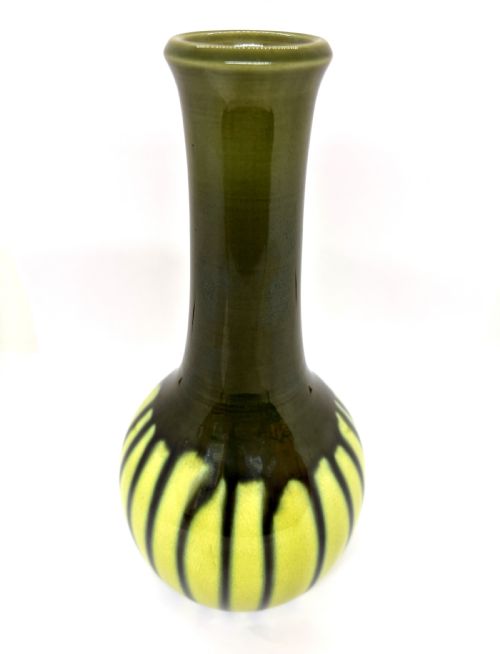
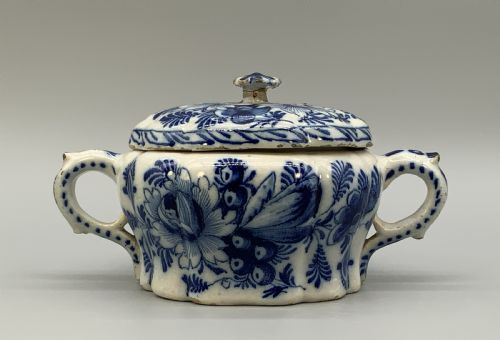
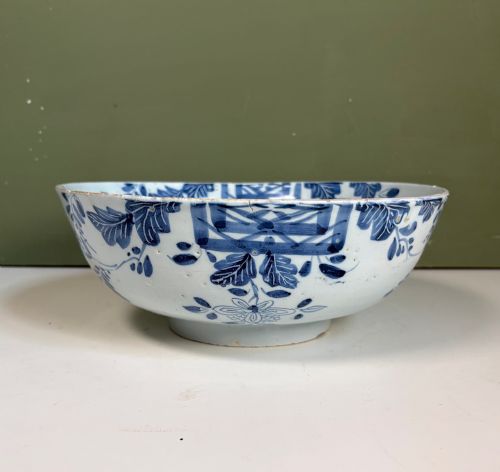
English faience pottery brings together tin-glazed earthenware and ceramic forms spanning several centuries of domestic and decorative production. When exploring english faience pottery, buyers encounter items ranging from seventeenth-century posset pots and eighteenth-century plates and bowls to late nineteenth-century stick stands and vases.
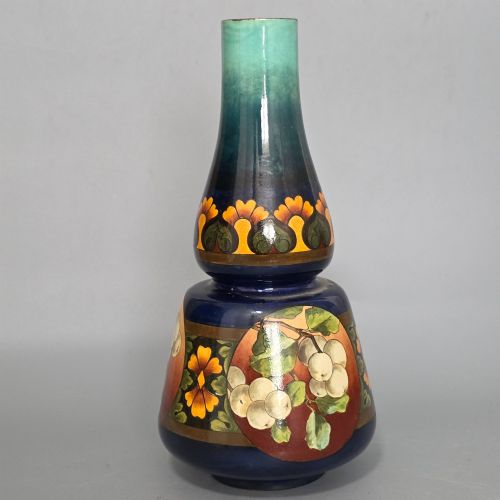
The earlier material on this page consists primarily of seventeenth and eighteenth-century tin-glazed earthenware, often referred to through related terms like delftware. Later examples shift into the late nineteenth century, reflecting the Arts and Crafts aesthetic through factories such as Burmantofts and Doulton Lambeth.
Materials and Making
Makers formed these pieces using earthenware bodies before applying a distinctive tin glaze to create a pale, opaque surface. Artisans then painted details directly onto this unfired or partially fired surface using cobalt pigment and other mineral oxides.
The firing process bonded the metallic pigments into the opaque glaze, resulting in the characteristic smooth finish seen across seventeenth-century vessels and later nineteenth-century art pottery. Potters utilised traditional throwing and moulding techniques depending on whether the object was a functional bowl, a decorative plate, or a tall stick stand.
Listings span from the seventeenth century through to 1900, incorporating both early tin-glazed earthenware and late nineteenth-century Arts and Crafts ceramics.
Assessing Quality
Quality in these ceramics rests on the control of the tin glaze and the execution of the painted decoration. Earlier pieces reveal distinct brushwork and pigment depth, whereas later Arts and Crafts examples demonstrate technical precision in slip and glaze application by named artists.
The overall crispness of form and the stability of the glaze define the standing of each piece. Superior examples maintain clarity in their cobalt pigment and structural integrity across rims and footrings without distracting surface disruption.
Burmantoft's Pottery·Doulton Lambeth·Alice Euphemia Thatcher
The English Faience Pottery Glossary
- Tin Glaze
- An opaque white glaze made by adding tin oxide to a lead glaze, providing a smooth surface for painted decoration. This technique forms the foundation of historic faience and delftware production.
- Cobalt Pigment
- A metallic blue colouring agent used extensively under the glaze to create deep blue floral and geometric motifs. It withstands high firing temperatures without losing intensity.
- Earthenware
- Porous pottery fired at lower temperatures than stoneware or porcelain. It requires a glaze, such as tin glaze, to hold liquids effectively.
- Arts and Crafts
- A late nineteenth-century design movement promoting handcraftsmanship and traditional techniques. Potteries like Burmantofts and Doulton Lambeth embraced this ethos in their faience production.
English Faience Pottery: Frequently Asked Questions
What is english faience pottery?
English faience pottery refers to tin-glazed earthenware and ceramic items produced in England from the seventeenth century through to the late nineteenth century. The category includes utilitarian vessels, decorative plates, and studio art pottery.
The term frequently overlaps with English delftware and later Arts and Crafts art pottery, united by the use of an opaque tin glaze and painted surface decoration.
How do I date an antique plate?
Dating involves examining the clay body, the characteristics of the tin glaze, and the style of the painted pigment. Seventeenth and eighteenth-century pieces often show coarser bodies and softer glaze textures compared to later Victorian items.
Maker attribution and stylistic markers, such as seventeenth-century floral motifs or late nineteenth-century Arts and Crafts forms, further clarify the period of manufacture.
How were these ceramic vessels used?
Early pieces like posset pots served communal domestic functions during social gatherings and celebrations. Plates and bowls were made for display or table use.
Later nineteenth-century items, including tall vases and stick stands, functioned primarily as decorative interior furnishings for homes of the period.
How do I care for tin-glazed pottery?
Tin-glazed earthenware requires gentle handling because the historic glaze and ceramic body can be sensitive to moisture and sudden impacts. Keep pieces in stable indoor environments away from direct sources of heat.
Clean them only with a dry or very lightly dampened soft cloth, avoiding abrasive cleaning agents or prolonged immersion in water.