




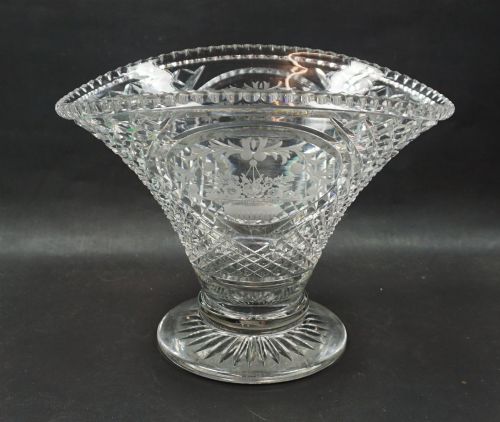
Antique Decorative Urn
When you search for an antique decorative urn, you enter a world of classical proportions, patinated metals and ceramic forms shaped by centuries of design.
Antique Decorative Urn
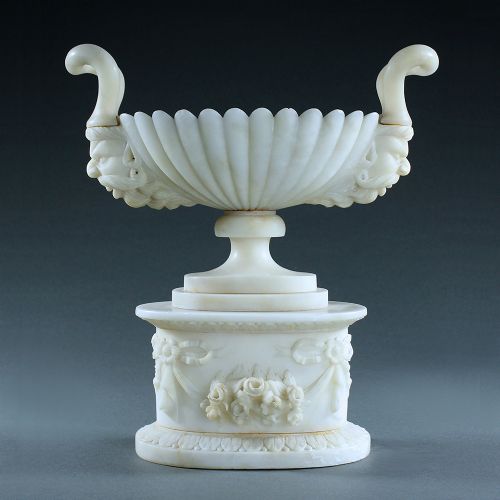
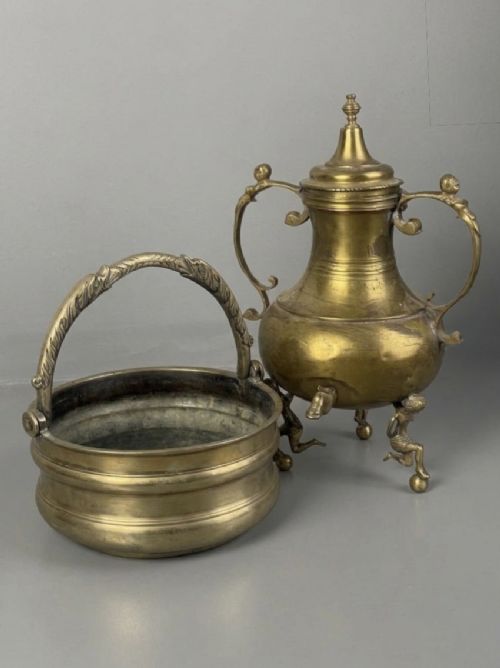
An antique decorative urn bridges the gap between classical sculpture and functional vessel, drawing heavily on neoclassical design principles. These objects include cast iron garden urns, porcelain display pieces, and bronze or marble vessels designed for interior display.
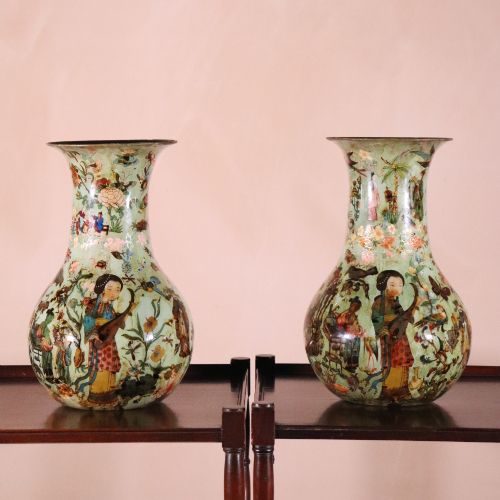
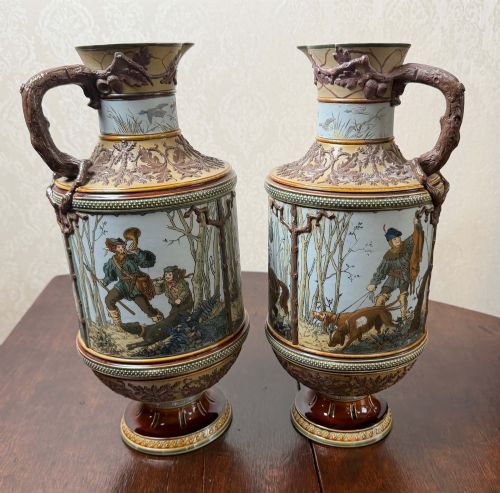
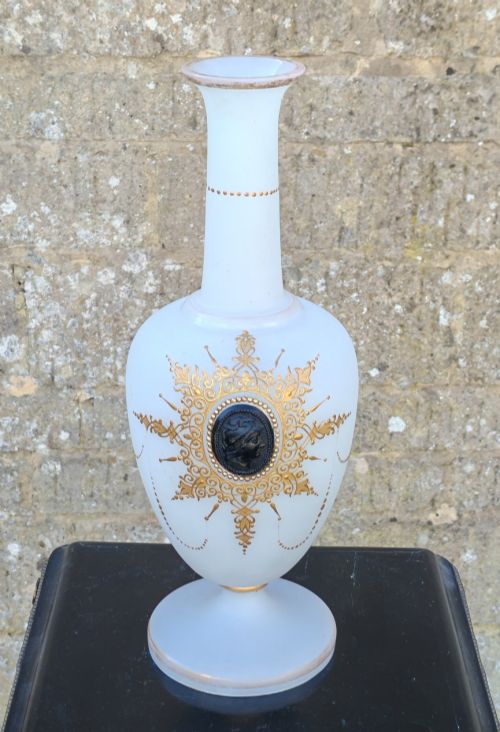
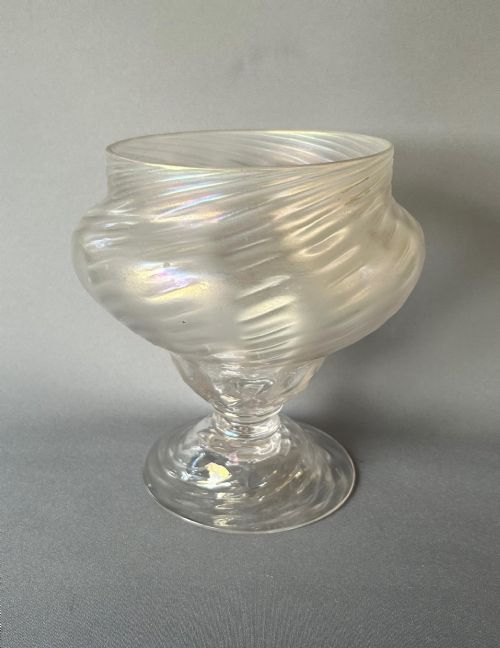
The pieces on this page span from the nineteenth century into the early twentieth century, incorporating French Empire, Art Nouveau, and Japanese Meiji period aesthetics. Many examples survive as matched pairs, originally intended for mantelpieces, pedestals, or architectural garden settings.
Makers and potteries from England, France, Italy, Austria, and Japan adapted traditional shapes like the Campagna urn, amphora, and baluster vase into purely decorative statements. Their forms rely on classical symmetry, handles, pedestal bases, and relief ornament.
Materials and Construction
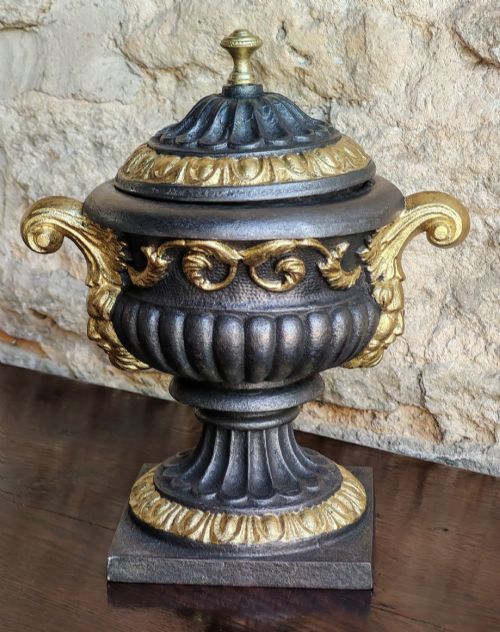
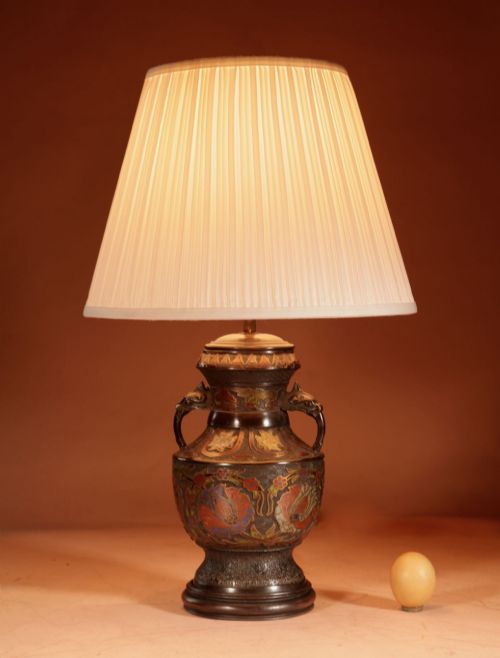
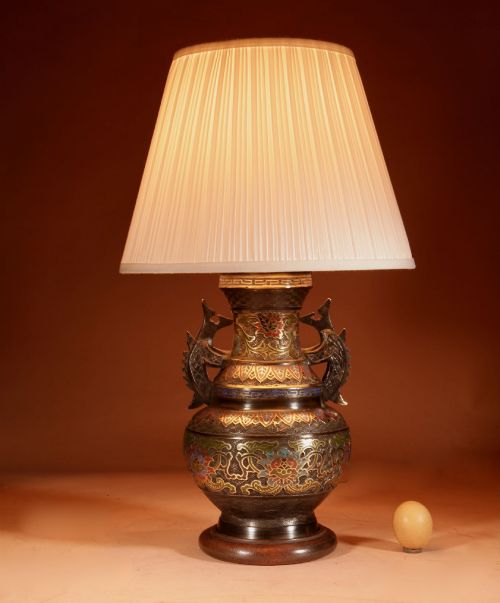
The manufacture of these objects combines foundry work, ceramic production, and fine stonework, utilising bronze, cast iron, copper-alloy, and spelter mounted on marble bases. Metal urns frequently employ lost-wax casting or detailed chasing, while others feature applied champlevé enamel or gilt bronze trim.
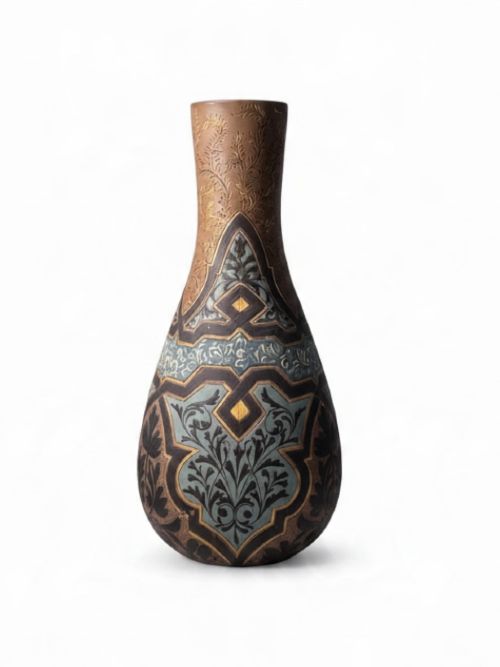
Ceramic examples demonstrate considerable technical variety, encompassing soft-paste and hard-paste porcelain, earthenware, majolica, faience, and stoneware. Potters applied hand-painted glazes, transfer printing, pâte-sur-pâte, and silver or bronze mounts to enrich the finished silhouette.
Antique Decorative Urn Retail Price Guide 2026
Typical asking prices for decorative urn among the pieces listed under this phrase on Sellingantiques today, from the lower quarter to the upper quarter. They describe what is for sale here now, not the wider market.
Listings feature porcelain, earthenware, and stoneware alongside cast iron, bronze, and marble, representing nineteenth-century European and Japanese production.
Assessing Quality and Execution
Quality in these pieces is dictated by the crispness of the casting in metals and the definition of hand-painted detail or relief work in ceramics. Superior examples display balanced proportions, integrated mounts that fit the body precisely, and careful hand-finishing.
Signatures, factory marks, and artist ciphers often indicate higher-tier production from established potteries and foundries. The weight of the material, the complexity of glazes, and the preservation of original gilding or patination further separate standard decorative objects from exceptional works.
The Antique Decorative Urn Glossary
- Campagna urn
- A bell-shaped vessel with a flared rim and footed base, heavily utilised in classical garden architecture and decorative metalwork.
- Cloisonné
- A metalwork technique where thin wire partitions form compartments filled with enamel paste and fired.
- Majolica
- A type of earthenware decorated with opaque coloured glazes, popular in Italian and European ceramic traditions.
- Pâte-sur-pâte
- A ceramic method where liquid clay is built up in successive layers on a contrasting body to create a low-relief cameo effect.
- Spelter
- A zinc alloy commonly cast as a cost-effective alternative to bronze and finished with a metallic patination.
Antique Decorative Urn: Frequently Asked Questions
Where should I place a decorative urn at home?
Large cast iron or bronze urns suit garden terraces, entrance halls, and architectural pedestals, while smaller porcelain and ceramic versions sit comfortably on mantelpieces, console tables, and bookshelves.
Pairs of urns work well when balanced symmetrically to frame a doorway, mirror, or fireplace opening.
How do I clean antique bronze and ceramic urns?
Dust metal and ceramic surfaces gently with a soft, dry cloth to prevent the accumulation of dirt within recessed details and relief work. Avoid using harsh chemical polishes or water on patinated bronze and delicate hand-painted glazes to preserve the historic finish.
Consult a conservator if an object requires deeper cleaning or repair to structural mounts and bases.
How can I tell a nineteenth-century urn from a later copy?
Examine the construction methods, such as hand-chased surface details on metals, natural wear on bases, and period-specific factory marks or registration ciphers on ceramics. Cast metal objects from the nineteenth century often feature heavier construction and distinct patination not found in modern reproductions.
Differences in glaze chemistry and mounting techniques also provide reliable clues to a piece's true age.
Were these urns originally meant to hold flowers?
Some forms, such as stem vases, tazzas, and specific posy vessels, were designed to hold cut flowers or water, while others served purely as architectural ornaments or decorative mantel garnitures. Many ceramic and metal urns feature sealed bases or lids intended solely for visual display.
Checking the interior of the vessel helps determine its original intended function.