



Antique Decorative Table Bowl
An antique decorative table bowl anchors a room, bringing together period craftsmanship and ornament in brass, glass, silver and ceramic.
Antique Decorative Table Bowl
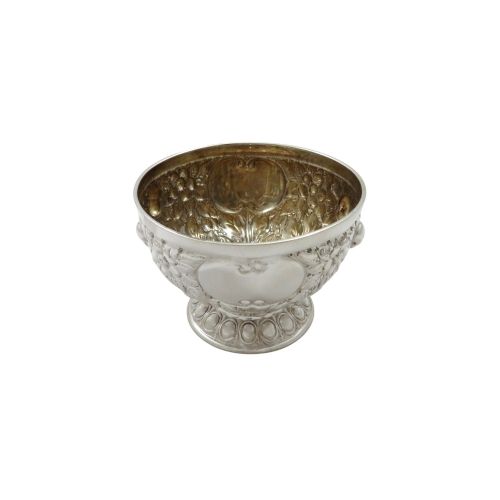
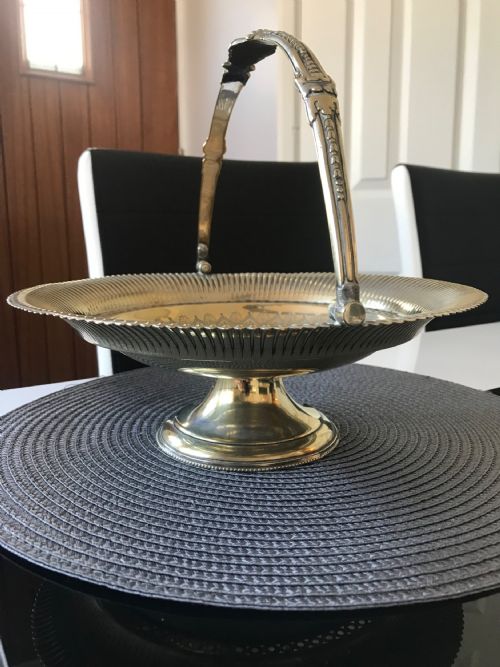
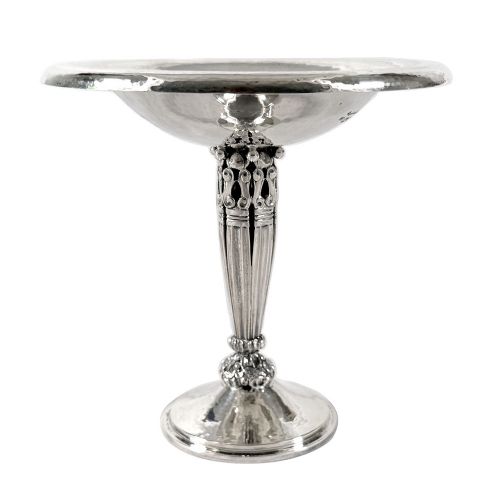
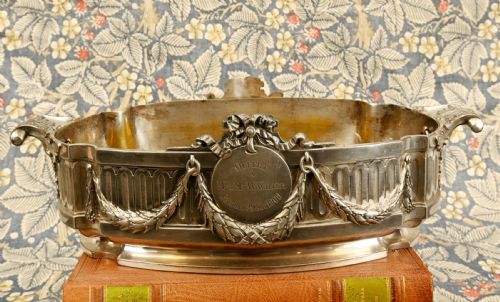
An antique decorative table bowl serves as a centrepiece, tazza, comport or fruit basket designed to draw the eye on a dining table or sideboard. These items emerge from the nineteenth and early twentieth centuries, spanning Victorian, Edwardian, Art Nouveau and Art Deco tastes.
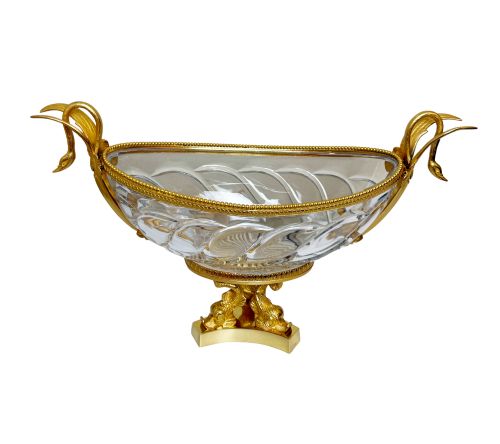
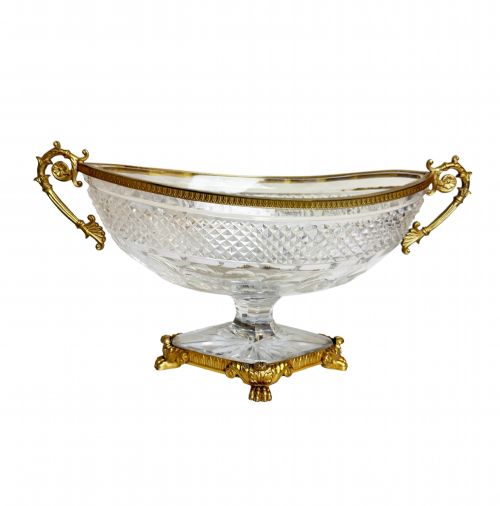
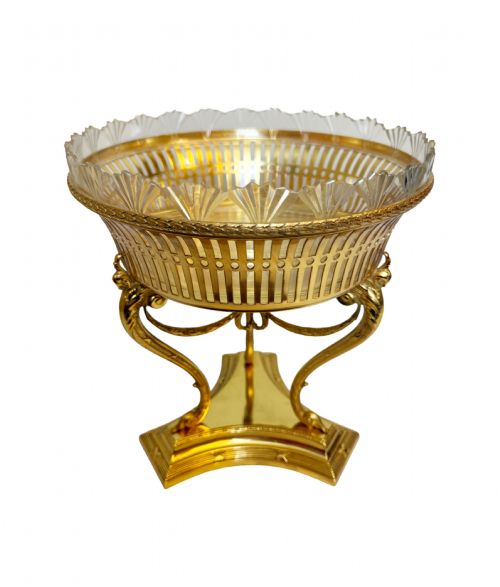
The most common examples on this page are silver, silver-plated or crystal vessels mounted in gilt bronze or ormolu, often enriched with figural supports, handles or enamel work. Forms range from heavy sterling presentation pieces to delicate glass and porcelain dishes intended purely for display.
Origins stretch from British workshops to French studios and continental porcelain houses, reflecting varied dining rituals and interior fashions from eighteen-eighty to nineteen-thirty.
Materials and methods of construction
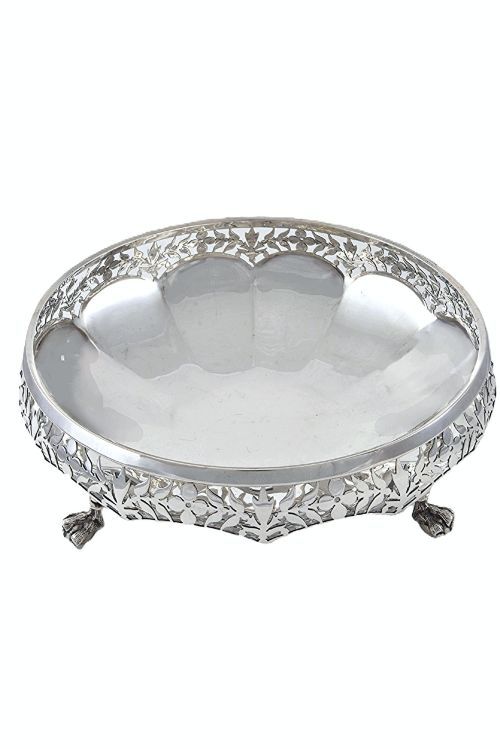
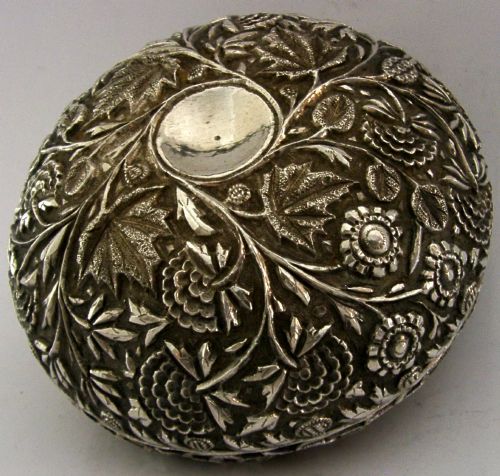
Metals dominate the selection, utilising sterling silver, silver plate, gilt bronze, ormolu and solid brass, shaped through casting, hammering and repoussé decoration. Makers combined heavy cast mounts with pierced galleries and applied cast feet.
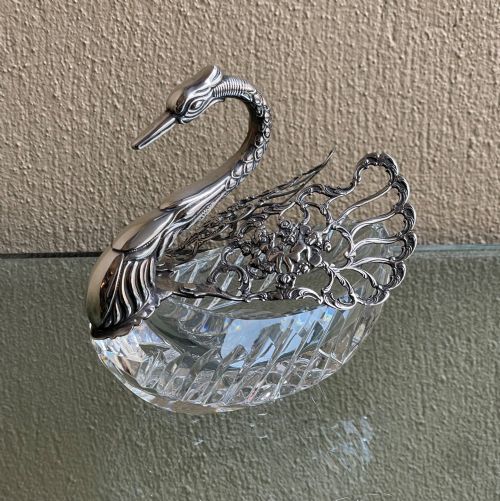
Glass vessels rely on crystal, cut glass or coloured glass inserts, frequently paired with metal stands or swing handles. Ceramics encompass fine porcelain bodies decorated with hand-painting, enamel, or transfer printing.
Composites are standard, bringing together onyx bases, champlevé enamel panels and bronze figures of cherubs or mermen to support the central bowl.
Listings feature sterling silver, silver plate, porcelain, enamel, glass, gilt bronze, gold leaf and cut glass across multiple periods.
Distinctions in execution and design
Quality rests upon the crispness of the casting and the depth of hand-chasing in metalwork, separating mass-produced stamped plated items from finely finished bronze or silver pieces. Heavier gauge metals and intricate pierced work indicate superior workshop standards.
Artistry in the materials themselves distinguishes the range, such as heavy hand-cut crystal, superior enamel work, or porcelain painted by known factories rather than simple commercial output. The integration of the bowl with its mount determines the success of the composition.
Charles Boyton·Val St. Lambert·William Comyns·Elkington & Co·Royal Doulton·Doulton Burslem·Royal Dux·Royal Worcester·Tiffany & Co
The Antique Decorative Table Bowl Glossary
- Tazza
- A shallow bowl or dish mounted on a foot and stem. This form originates from Renaissance presentation pieces and appears frequently in silver and glass.
- Comport
- A decorative stand or pedestal dish used for serving fruit or sweets at table. They sit higher than standard bowls to create tiered table displays.
- Ormolu
- Finely ground high-carat gold applied to bronze through a mercury amalgamation process. This technique gives French centrepieces their characteristic warm metallic lustre.
- Champlevé
- An enamelling technique where troughs are dug into a metal surface and filled with vitreous enamel before firing. It creates vibrant coloured patterns within a metal framework.
- Epergne
- A large ornamental centrepiece featuring a central dish surrounded by smaller hanging baskets or arms. They dominate formal dining tables from the Victorian and Edwardian periods.
Antique Decorative Table Bowl: Frequently Asked Questions
How were silver bowls used?
Silver bowls served multiple domestic functions, from holding fruit and flowers to acting as presentation pieces for civic or personal milestones.
Many heavier examples were designed purely for display, demonstrating the wealth and taste of the household during formal dinners.
How do I identify Art Nouveau bowls?
Art Nouveau bowls typically feature organic, flowing lines inspired by natural forms such as stems, flower petals and female figures. Look for whiplash curves and stylised floral motifs common in pieces from nineteen-hundred to nineteen-ten.
Makers often employed soft patinas on silver or bronze to complement these sinuous designs.
Can I use antique glass bowls daily?
Antique glass and crystal bowls can be utilised carefully for serving dry foods or fruit, though hand washing is essential to protect the surface. Avoid thermal shock from hot liquids, as older crystal and glass can fracture easily.
Displaying them empty or with potpourri preserves their fragile cut or engraved decoration.