



Blue White Transferware Bowl
A blue white transferware bowl brings crisp cobalt scenes to the table, offering durable earthenware forms decorated with printed landscapes and historic views.
Blue White Transferware Bowl
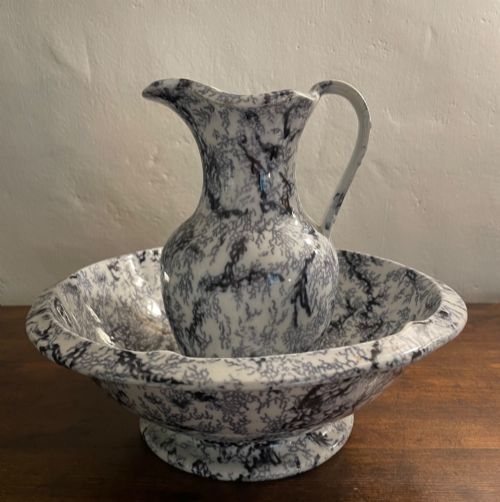
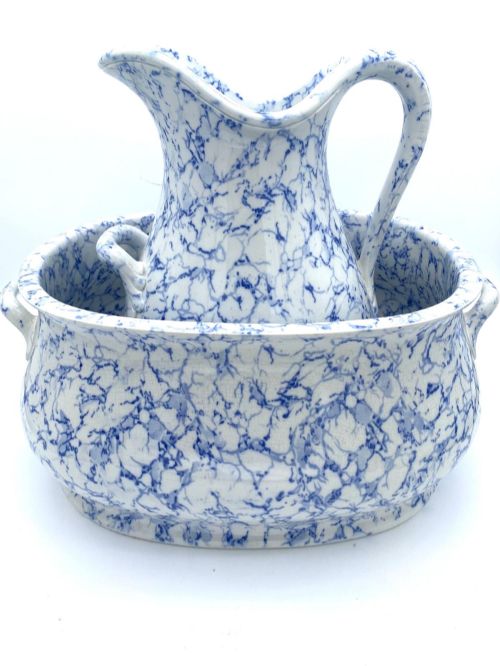
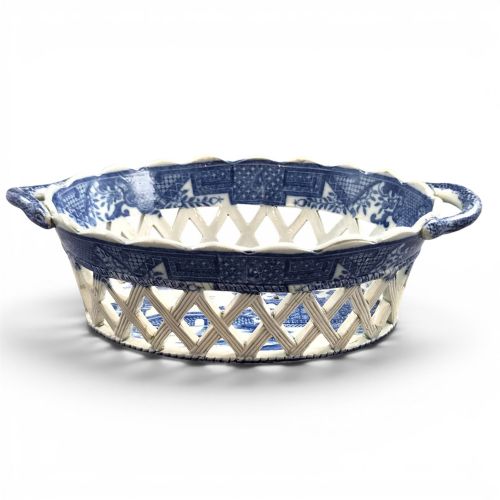
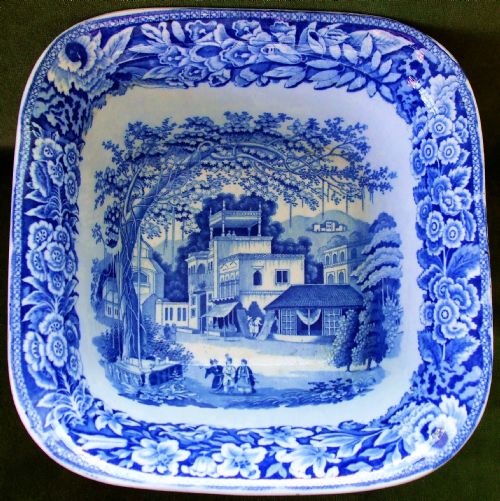
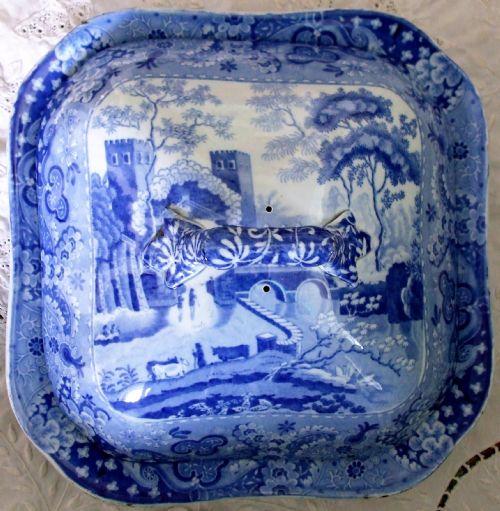
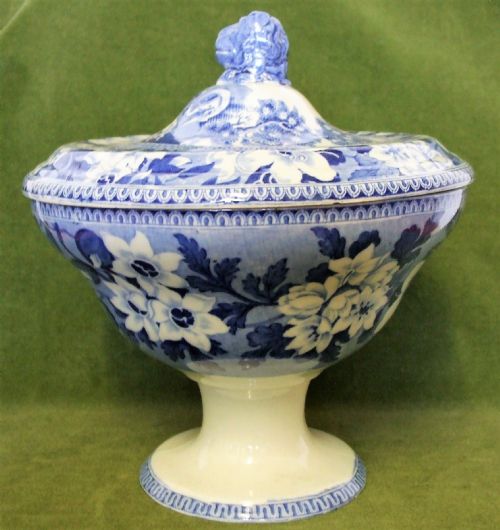
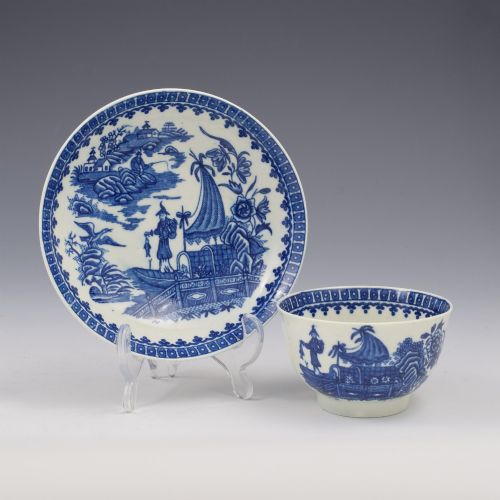
A blue white transferware bowl takes several practical forms across the selection, ranging from deep footed vessels and fruit basins to handled chestnut baskets and lidded tureens. These pieces emerge predominantly from the Georgian and Victorian periods, carrying printed cobalt imagery across ceramic bodies.
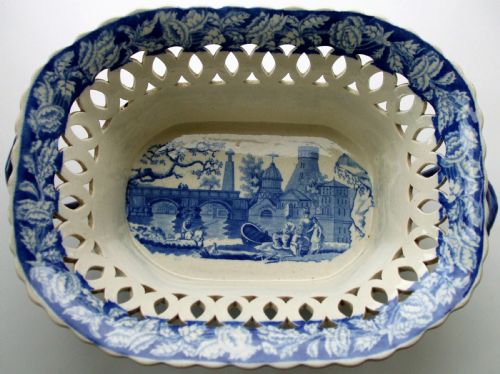
The most common examples date through the nineteenth century, showcasing scenic transfer prints depicting river views, castles, and Eastern street scenes. Makers apply cobalt oxide patterns onto earthenware, pearlware, and porcelain surfaces before glazing and firing the vessels.
Collectors encounter both utilitarian tablewares and decorative presentation pieces, each displaying characteristic blue transfer patterns derived from engraved copper plates. The assortment bridges everyday dining accessories and ornamental Victorian bathroom sets.
Distinctions in quality and execution
Quality rests upon the clarity of the transfer print and the crispness of the engraved lines, where sharper cobalt details distinguish superior vessels from blurred impressions. The refinement of the ceramic body itself, whether a delicate pearlware or a heavier earthenware, dictates the overall elegance of the piece.
The precision of the glaze finish and the evenness of the kiln firing separate standard utility wares from finely potted display bowls. Maker attribution and pattern complexity further elevate the standing of individual pieces within the tradition.
The listings span earthenware, pearlware, and porcelain, featuring forms from tea bowls to large footed wash basins.
Minton·Spode·J. & R. Clews·J. & R. Riley·John Rogers & Son·Ridgway·Doulton Burslem·James Wallace & Co.·Copeland and Garrett
The Blue White Transferware Bowl Glossary
- Transferware
- Pottery decorated by printing a design from an engraved copper plate onto tissue paper, which is then transferred onto the clay body. This technique allowed potteries to produce detailed pictorial scenes consistently across large production runs.
- Pearlware
- A refined earthenware developed in the late eighteenth century featuring a subtle bluish glaze that pooled slightly in crevices. This material served as a popular canvas for early cobalt blue transfer prints.
- Chestnut basket
- An openwork or reticulated ceramic vessel designed for serving chestnuts or fruit at the table. These pieces often include matching undertrays and intricate pierced rims.
- Comport
- A footed dish or bowl raised above the table surface for serving fruit or sweets. They appear frequently in nineteenth-century dining arrangements.
- Flow blue
- A style of transferware where the cobalt pigment intentionally blurred into the surrounding white glaze during firing. This technique created a soft, hazy aesthetic highly favored by Victorian manufacturers.
Blue White Transferware Bowl: Frequently Asked Questions
How do I date a blue white transferware bowl?
Dating relies on examining the ceramic body, glaze characteristics, and maker marks stamped or printed on the base. Pearlware bodies and specific scenic patterns typically point toward the late eighteenth or early nineteenth century.
Heavier earthenware vessels and hazy flow blue styles generally indicate mid to late nineteenth-century manufacture. Comparing the printed border motifs with known factory patterns helps narrow the production window further.
What is the difference between earthenware and pearlware?
Pearlware is a refined, whiter earthenware developed to mimic Chinese porcelain, utilising a glaze with a slight blue tint in the pooling areas. Standard earthenware bodies tend toward creamier or buff tones beneath the glaze.
Early transferware pieces often utilised pearlware before standard white earthenware dominated Victorian production. The underlying body weight and glaze colour remain the primary visual indicators between the two.
Were these bowls used for dining or display?
Many examples served practical dining functions, such as serving vegetables, fruit, or sauces at the table. Lidded tureens and large footed bowls were central components of historic dinner services.
Other forms, like reticulated chestnut baskets and decorative comports, were reserved for specialised course presentations. Their survival in good condition suggests many transitioned to display roles over time.
Why does the blue colour sometimes blur?
The blurring is usually an intentional aesthetic effect known as flow blue, achieved by introducing volatile chlorides into the kiln atmosphere during firing. This caused the cobalt pigment to bleed softly into the white glaze.
While some pieces exhibit blurring from firing inconsistencies, specialised flow blue wares were intentionally designed to create a hazy, atmospheric appearance. This style became particularly popular during the Victorian era.