

Antique Decorative Stoneware
Antique decorative stoneware brings dense, salt-glazed and heavy-fired bodies to a room, offering tactile pattern and deep colour.
Antique Decorative Stoneware
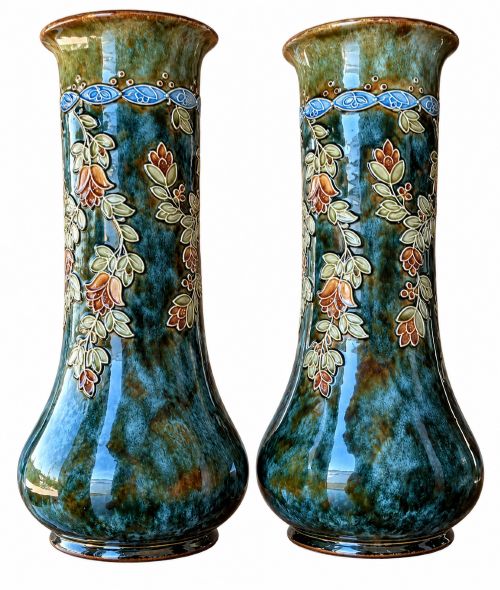
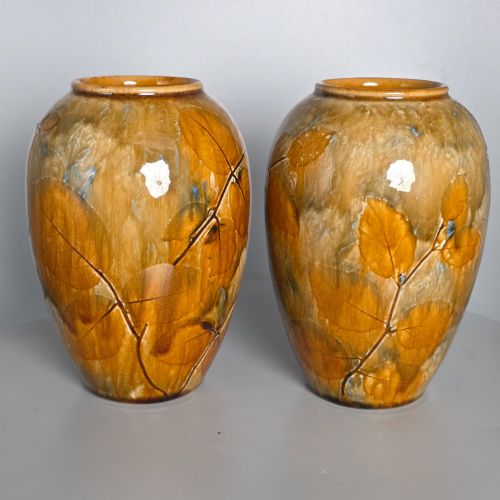
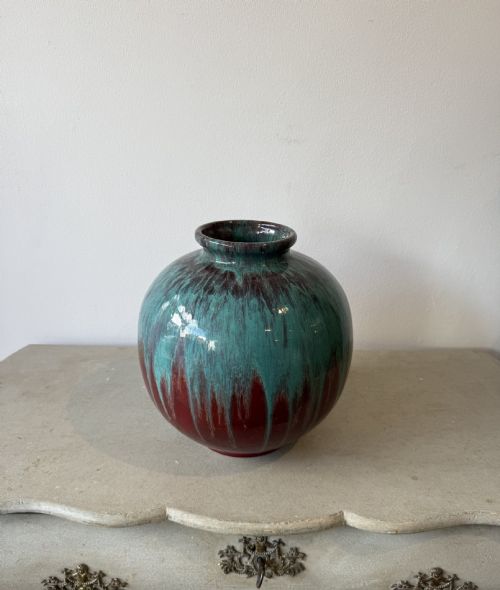
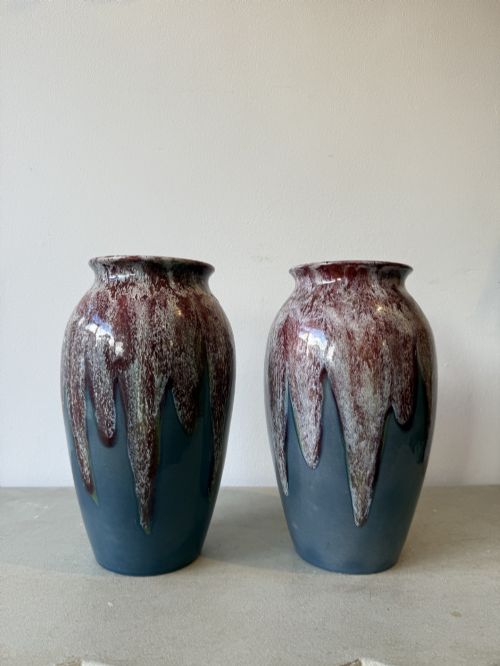
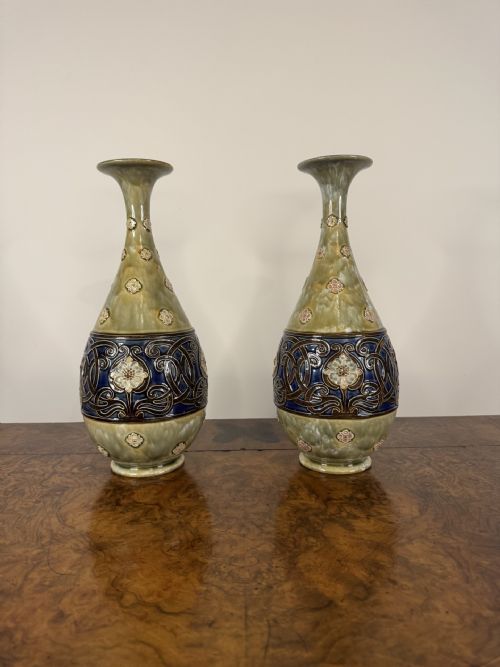
Antique decorative stoneware encompasses utilitarian vessels and display objects shaped from high-fired ceramic bodies. The selections here draw heavily from Victorian and early twentieth-century production, particularly English workshops.
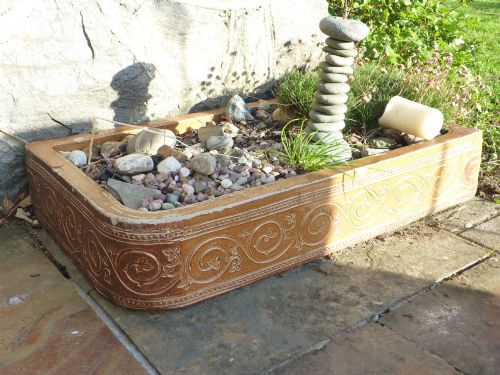
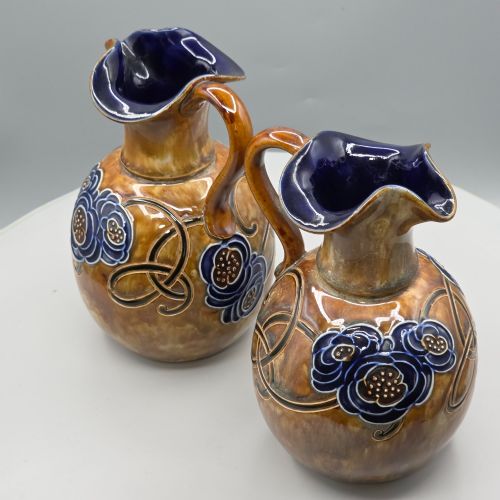
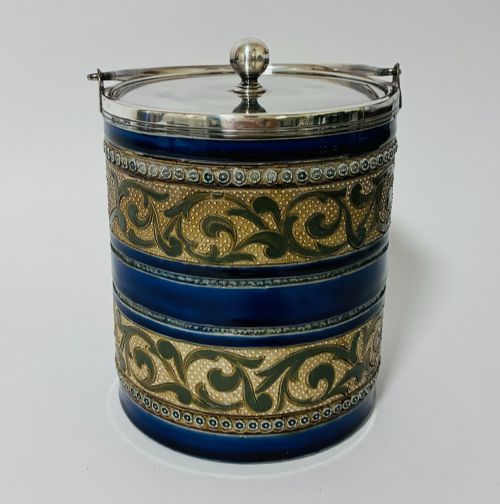
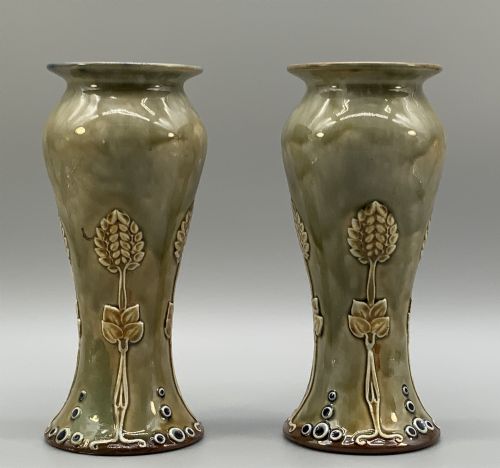
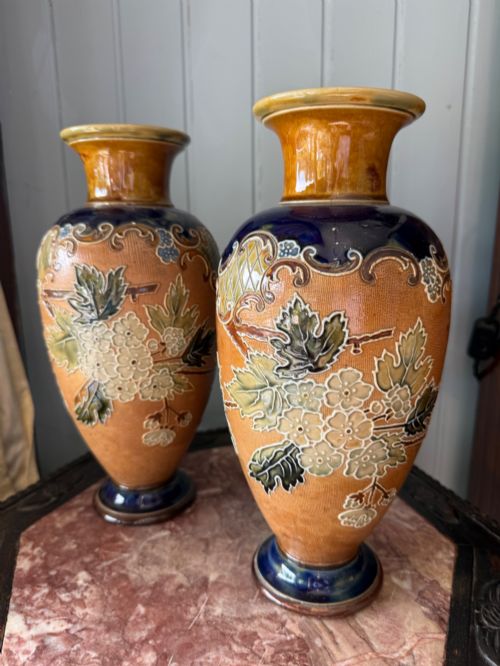
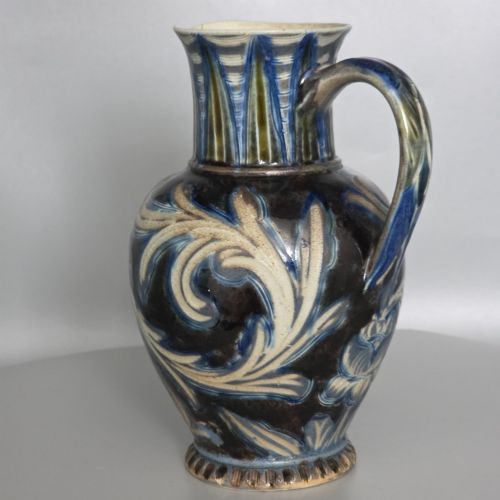
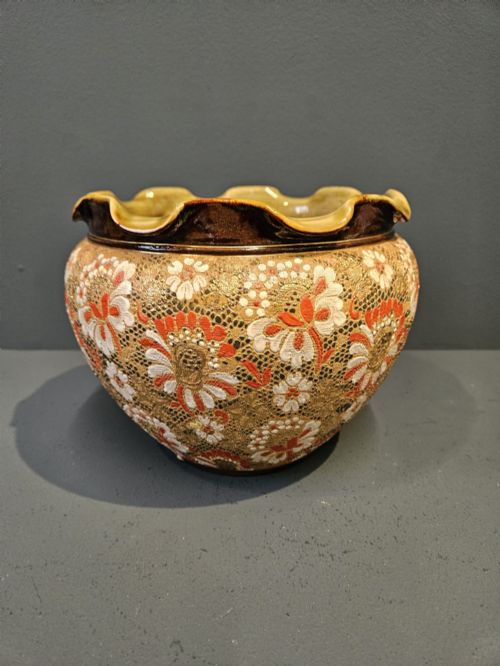
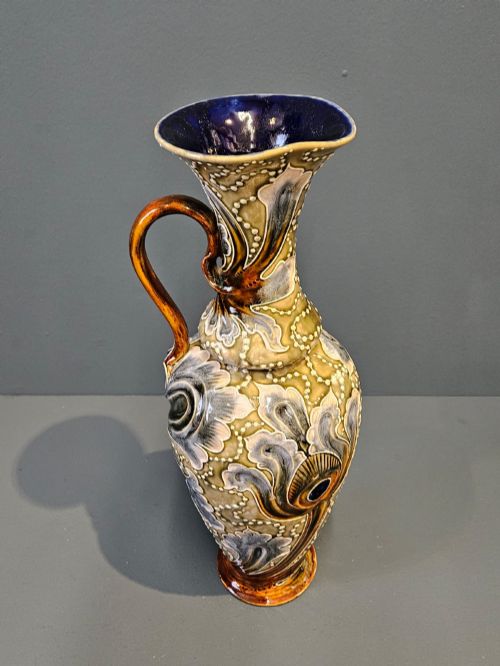
Vases, jardinieres, jugs, and biscuit barrels form the primary inventory on this page. These functional items transitioned into ornamental display pieces through elaborate surface decoration and applied relief.
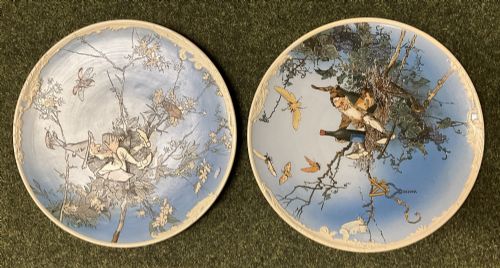
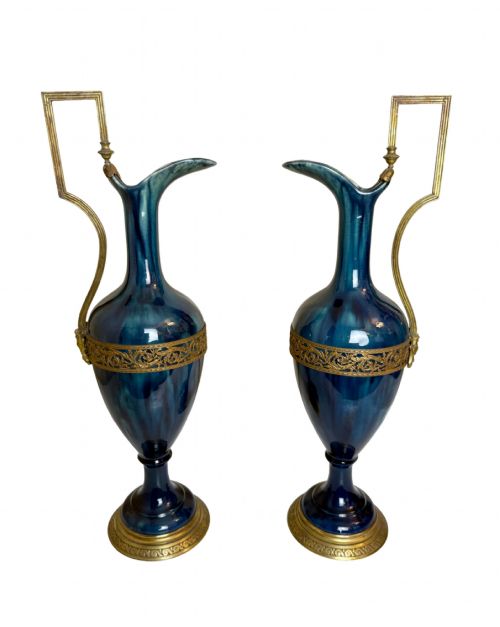
English output dominates, led by Doulton Lambeth alongside continental European plaques and vases. Pieces range from small cabinet vessels to large garden planters and ewers.
How they were made
Makers utilised dense ceramic bodies fired at high temperatures to achieve vitrification, ensuring durability and a non-porous finish. Salt glazing introduced a pitted, orange-peel texture directly onto the clay during the kiln firing.
Surface ornamentation relied on applied enamel, gold leaf, and impressed or incised patterns. Artisans also integrated silver-plated mounts and bronze trim onto ceramic bodies to elevate the final composition.
A set of fourteen portrait medallions proves that someone once needed an entire wall dedicated to tiny ceramic faces.
What varies in quality
The standard of an antique decorative stoneware piece rests on the crispness of its incised or moulded relief and the control shown in the glaze application. Hand-executed patterns by named artists exhibit greater depth and individuality than standard factory repetition.
Condition of the ceramic body and any metal mounts dictates desirability. Intact glaze surfaces without hairline fractures or restoration preserve the integrity of the original manufacture.
Royal Doulton·Doulton Lambeth·Mettlach Pottery·Wedgwood·John Ridgway
The Antique Decorative Stoneware Glossary
- Stoneware
- A robust, vitrified ceramic body fired at high temperatures until impervious to liquid. It accepts glazes and salt finishes readily.
- Jardiniere
- An ornamental ceramic pot or stand designed to hold a live plant or floral arrangement. These sit on interior tables or heavy floor pedestals.
- Slaters Patent
- A decorative technique involving lace pressed into damp clay to create textured background patterns. This method was widely utilised by Doulton.
- Jasperware
- A fine-grained, unglazed stoneware developed with contrasting applied white classical bas-relief figures. It appears in blue and other solid body colours.
Antique Decorative Stoneware: Frequently Asked Questions
How do I display antique stoneware?
Place heavy vessels on stable wooden surfaces where their dense weight and tactile glazes can be appreciated up close. Large jardinieres suit floor placements or substantial plant stands.
Keep pieces away from direct, high-traffic edges due to their considerable weight and brittle nature. Grouping matched pairs creates visual balance on sideboards and mantels.
Can these vessels hold water?
Most antique decorative stoneware remains fully vitrified and capable of holding water for fresh cut flowers. However, older pieces with hairline fractures or porous earthenware elements require interior glass liners.
Inspect the interior base for historical glaze coverage before filling. Avoid submerging items that feature applied metal mounts or delicate silver plating.
How do I date these pieces?
Examine the base for impressed factory stamps, patent numbers, and artist monograms. Stylistic markers such as Art Nouveau floral motifs or Victorian classical reliefs help narrow the decade of production.
Compare the glazing style and manufacturing technique against known factory timelines. Reference marks from specific periods to confirm the era of origin.