



Relief Decorated Pottery
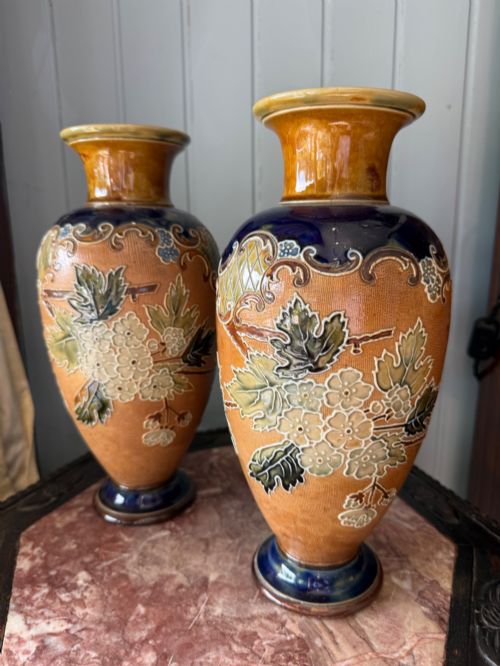
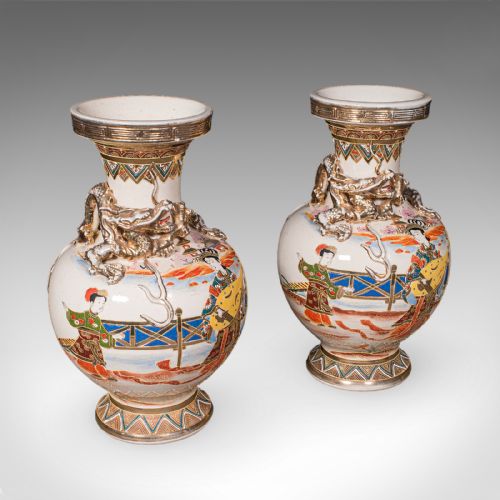
Relief decorated pottery brings tactile depth to your collection through raised motifs moulded directly into the ceramic body.
Relief Decorated Pottery
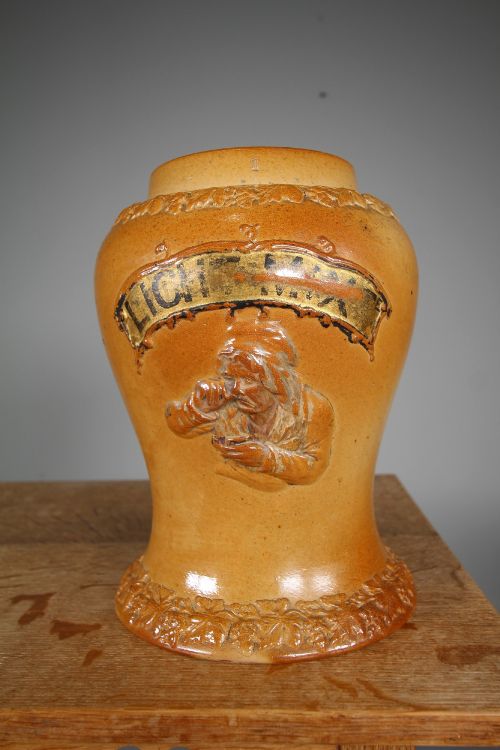
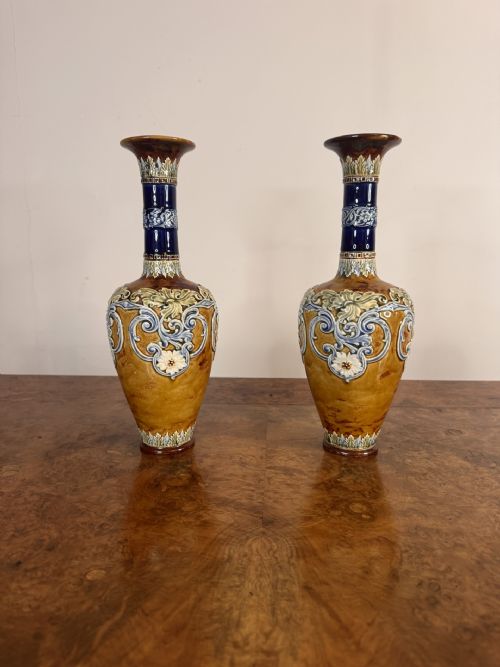
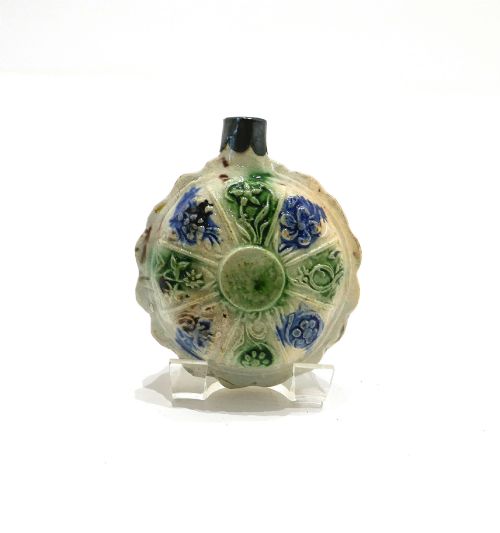
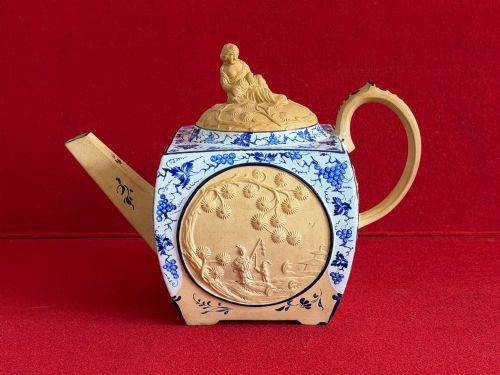
Relief decorated pottery encompasses vessels featuring raised surface ornamentation, ranging from Georgian teapots to Victorian stoneware jugs and Japanese ceramic vases. When exploring relief decorated pottery, you will frequently encounter robust stoneware and earthenware forms designed for both display and daily service.
The selection spans various periods including the eighteenth and nineteenth centuries, featuring styles from Georgian and Victorian to Art Nouveau and Japanese Meiji. Common functional and decorative forms include vases, jugs, teapots, flasks, steins, and candlesticks.
Production methods and materials
Potters utilised durable stoneware, earthenware, and bisque porcelain to construct the body of each piece. Moulds shaped the raised decorative motifs, which were then applied to the wet or leather-hard clay before firing.
Surface finish was achieved through lead glazes, enamel colours, and underglaze oxides to accentuate the moulded details. Silver rims were occasionally added to finished vessels to complete the mount.
Relief Decorated Pottery Retail Price Guide 2026
Typical asking prices for relief decorated pottery among the pieces listed under this phrase on Sellingantiques today, from the lower quarter to the upper quarter. They describe what is for sale here now, not the wider market.
Some nineteenth-century puzzle jugs were cleverly engineered to spill wine down your sleeve unless you covered the hidden holes correctly.
Judging the quality of the pieces
Quality rests primarily on the crispness of the moulded relief and the skill of the artist in applying glazes or oxides. Pieces showing sharp detail and careful hand-finishing distinguish themselves from simpler production wares.
The reputation of the maker and the balance of the form also dictate standing within the field. Well-executed handles, secure silver mounts, and even colour distribution elevate an object's appeal.
Doulton Lambeth·Spode·Royal Doulton·Emma Shute·Bernhard Bloch·Enoch Wood & Sons·Burmantofts Faience·Copeland Spode·Adams
The Relief Decorated Pottery Glossary
- Stoneware
- A heavy, dense ceramic fired at high temperatures until vitrified and completely non-porous. It provides a sturdy canvas for crisp relief decoration.
- Parian ware
- A type of fine biscuit porcelain resembling white marble, developed in the nineteenth century. It is frequently utilised for figures and highly detailed relief jugs.
- Caneware
- A fine stoneware body with a warm, buff-coloured tone resembling the colour of unbleached cane. Spode produced notable examples with moulded relief ornamentation.
- Underglaze oxides
- Mineral pigments applied beneath the glaze layer before firing to create stable, enduring colouration on ceramic bodies. They react to heat by pooling in recessed areas to define relief details.
Relief Decorated Pottery: Frequently Asked Questions
What is relief decorated pottery?
Relief decorated pottery consists of ceramic vessels featuring raised designs moulded or applied onto the surface. These raised elements create a tactile, three-dimensional effect that catches the light and highlights the contours of the form.
Potters achieved this effect using various techniques across different periods, resulting in everything from crisp stoneware harvest jugs to delicate porcelain wares. The style spans multiple centuries, incorporating techniques from Georgian tea wares to Victorian art pottery.
How were these pieces used?
Many of these items served practical household functions such as pouring liquids, serving tea, or cooling wine. Jugs, teapots, and steins were intended for daily dining and entertaining.
Other forms like vases, candlesticks, and decorative flasks were primarily ornamental. They added colour, texture, and formal elegance to nineteenth-century domestic interiors.
How do I care for relief pottery?
Handle glazed stoneware and earthenware with care to protect raised surface details from chipping or abrasion. Wash pieces gently by hand in warm water rather than placing them in a dishwasher.
Avoid harsh cleaning agents that might damage delicate enamel colours or nineteenth-century silver rims. Display vessels away from areas prone to heavy vibration or extreme temperature fluctuations.
How can I tell the period?
Examine the clay body, glaze type, and stylistic motifs to determine the era of manufacture. Georgian pieces often display refined neoclassicism or simple caneware bodies, while Victorian items frequently incorporate dense ornamentation or Art Nouveau fluid lines.
Maker marks, factory stamps, and artist signatures stamped into the base provide definitive clues for dating. Comparing the weight and colour palette to known period examples helps confirm authenticity.