
Antique Dark Oak Frame
An antique dark oak frame holds centuries of craftsmanship, offering a rich, enduring border for mirrors, paintings, and prints.
Antique Dark Oak Frame
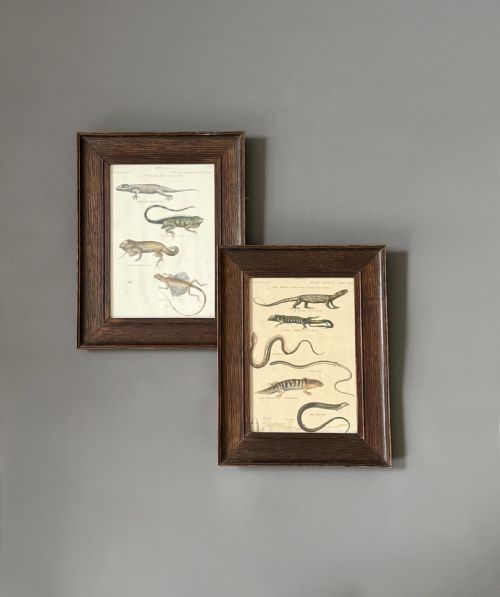
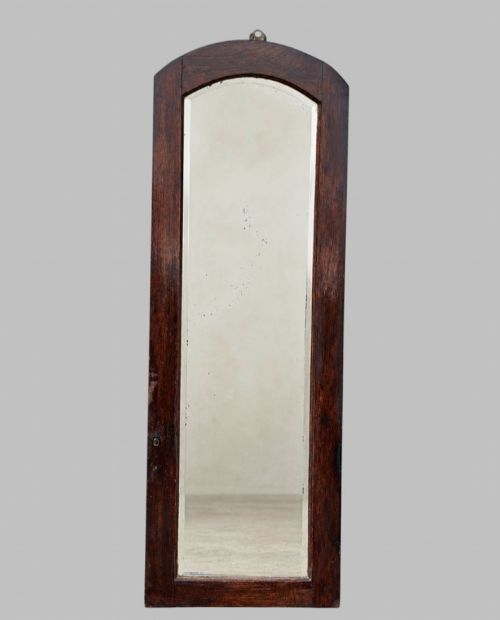
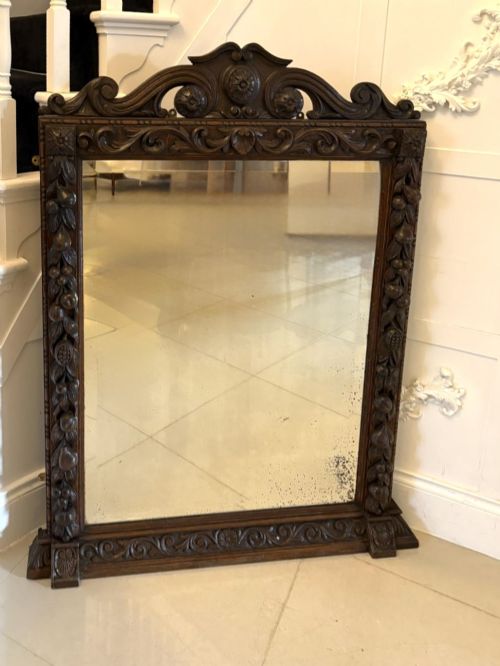
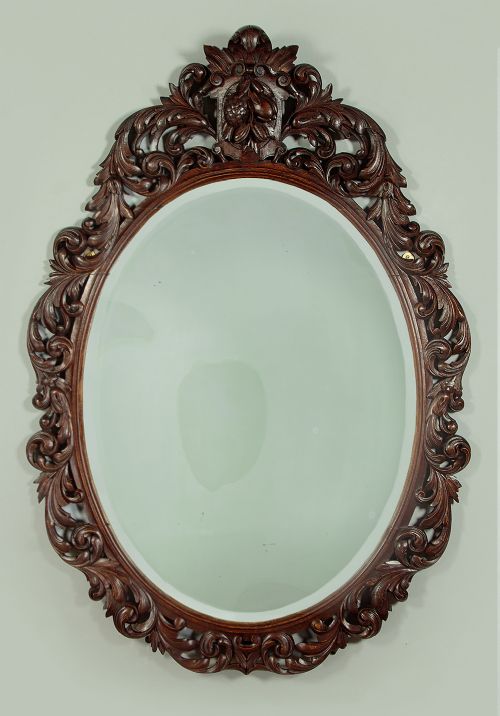
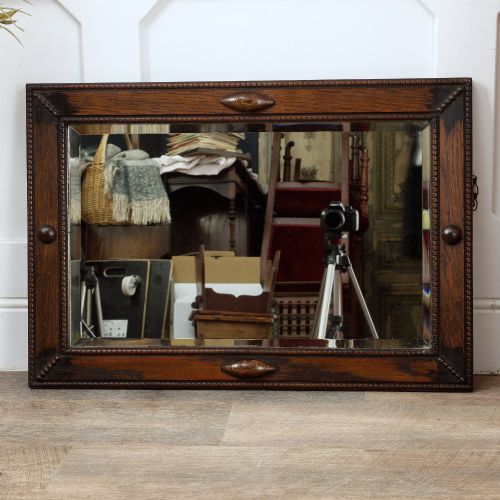
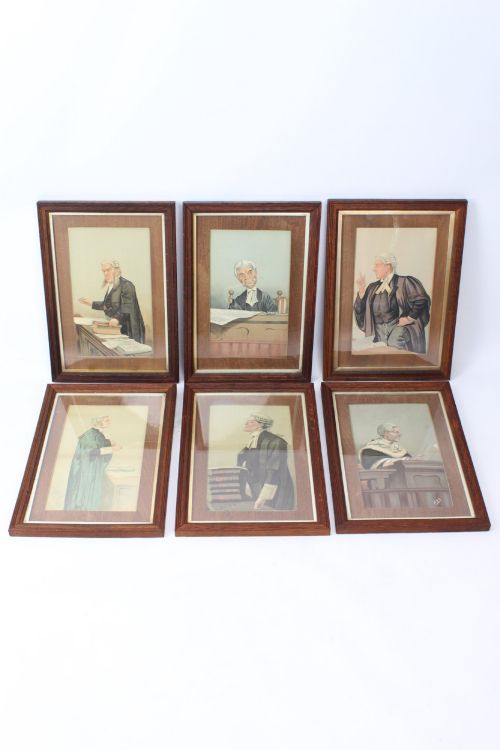
An antique dark oak frame encompasses a variety of heavily timbered surrounds, often found on wall mirrors, oil paintings, and framed prints from the nineteenth and early twentieth centuries. Buyers seeking an antique dark oak frame typically encounter sturdy wall mirrors and structural surrounds originating from Victorian, Edwardian, and revival periods.
The selection ranges from large overmantle mirror surrounds to smaller domestic picture housings, frequently displaying deep patination and distinct grain patterns. These pieces emerge from periods spanning the seventeenth century through to the 1930s, though Victorian and Edwardian interpretations dominate the available selection.
How they were made
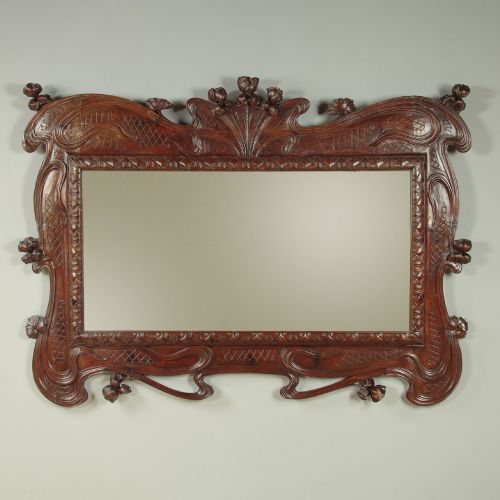
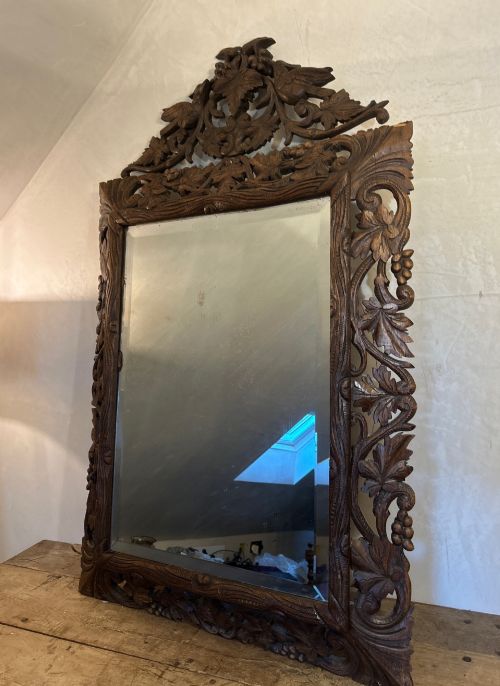
Makers utilised solid oak timber, carving the dense wood directly to create geometric, floral, or linenfold motifs often seen in Gothic and Jacobean revival pieces. Structural joins relied upon traditional methods such as mortise and tenon, ensuring the heavy timber frames remained rigid over centuries.
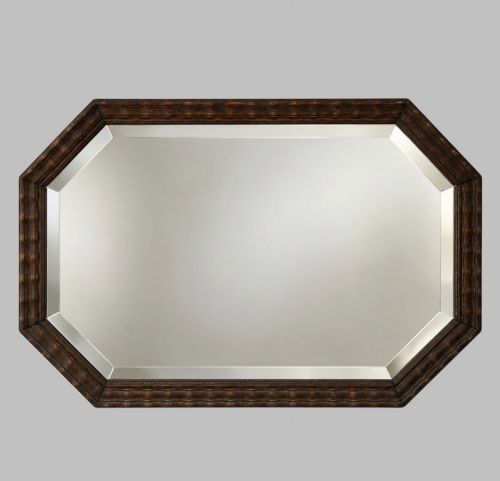
Surfaces were frequently finished with wax or dark polish to accentuate the natural medullary rays of the oak. Additional materials such as bevelled glass, brass fixings, and carved wood elements were integrated to complete wall mirrors and framed artwork.
Listings feature oak frames spanning the Victorian and Edwardian eras, incorporating carved wood, brass, and bevelled glass.
What varies in quality
The depth and crispness of the hand carving distinguish superior examples from plain or mechanically finished production. Deeply undercut foliage, balanced proportions, and well-preserved original timber patination indicate a higher standard of workshop output.
The structural integrity of the corners and the retention of period components, such as original mirror plates or mounting brackets, determine the overall execution. Finer examples maintain crisp joins and substantial timber thickness without excessive modern intervention.
Waring and Gillow
The Antique Dark Oak Frame Glossary
- Bevelled glass
- Glass with an angled edge ground and polished to a specific width, catching the light attractively within antique mirror frames.
- Gothic Revival
- An architectural and decorative style popular during the nineteenth century, characterised by pointed arches, tracery, and heavy carved oak details.
- Overmantle
- A large mirror or framed piece specifically designed to be hung directly above a fireplace mantelpiece.
- Medullary rays
- Natural ribbon-like flecks visible in quarter-sawn oak timber that indicate quality and traditional cutting methods.
Antique Dark Oak Frame: Frequently Asked Questions
How do I hang a heavy oak frame?
Heavy antique dark oak frames require secure wall fixings, ideally anchored directly into wall studs or masonry using appropriate heavy-duty brackets.
Because the timber and glass combination carries considerable weight, professional hanging hardware ensures the piece remains safely supported over time.
How should I clean dark oak wood?
Dust the timber regularly with a soft, dry cloth to prevent particulate buildup in the carved recesses of the grain.
Apply a microcrystalline wax sparingly once or twice a year to nourish the antique wood without leaving a sticky residue.
Can I date a frame by its joinery?
Hand-cut joinery and visible pegging often point towards earlier craftsmanship, whereas later twentieth-century pieces utilise more uniform industrial assembly methods.
Examining the backboards, nails, and tool marks helps determine whether a frame belongs to the Victorian era or a later revival period.
Are original mirror plates common?
Many nineteenth-century frames retain their original glass, which can exhibit light foxing or small age spots.
These subtle surface imperfections confirm the age and authenticity of the mirror without detracting from its decorative appeal.