


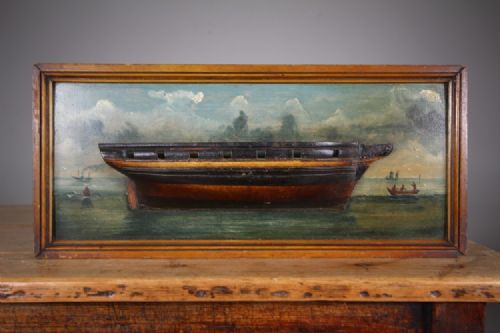
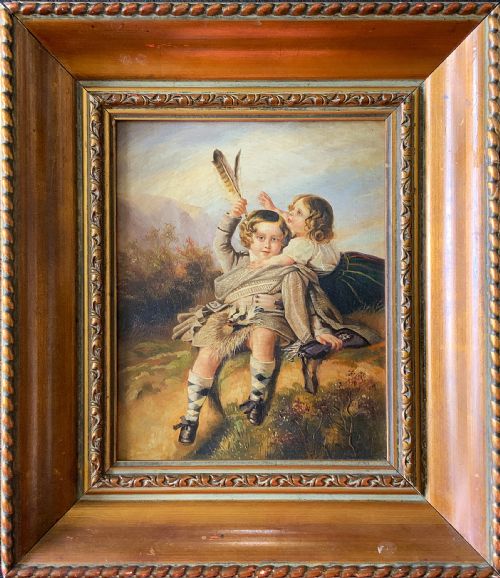
Carved Wooden Frame Art
These pieces of carved wooden frame art bring together centuries of joinery and decoration to house mirrors, paintings and panels.
Carved Wooden Frame Art
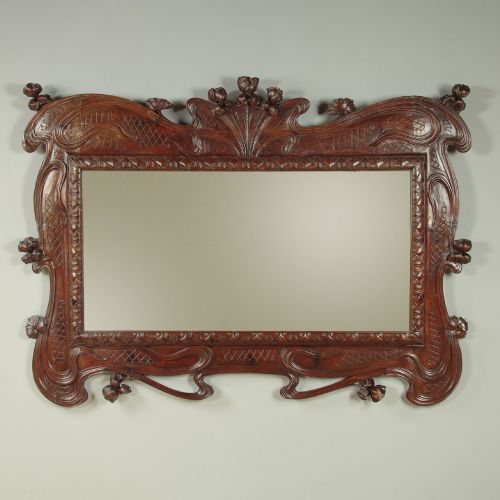
Carved wooden frame art encompasses functional surrounds and decorative panels originating from the eighteenth, nineteenth and early twentieth centuries. Buyers seeking these items encounter wall mirrors, picture frames, oil paintings and architectural elements created across periods spanning the Georgian era to the Art Deco movement.
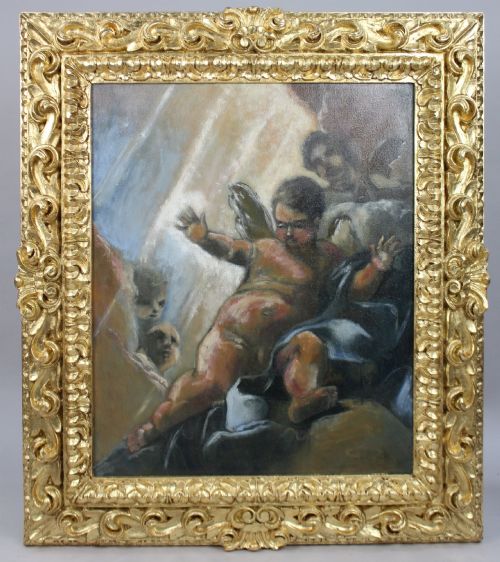
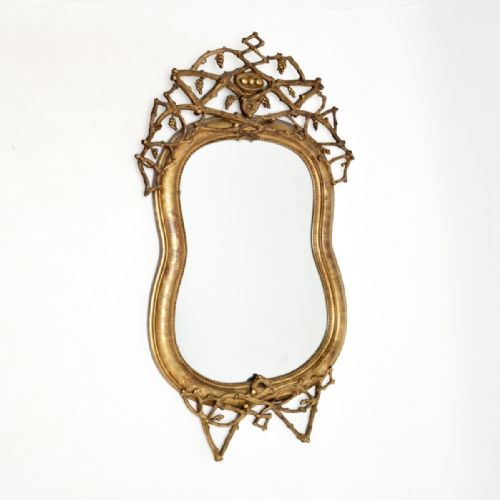
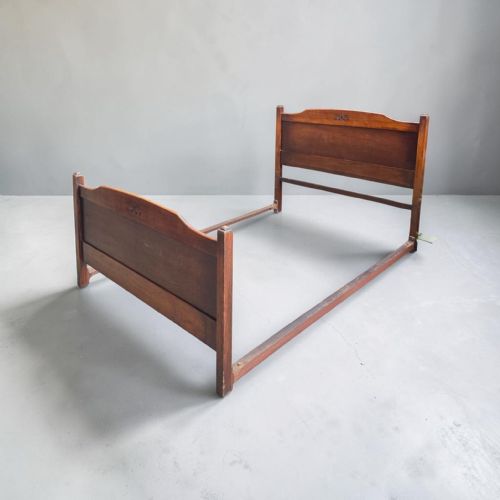
The selection frequently includes oak wall mirrors, carved giltwood picture frames and hardwood panels alongside beds and architectural salvage featuring detailed woodwork. Pieces emerge from diverse stylistic traditions including Victorian, Edwardian, Arts and Crafts, Art Nouveau and Gothic Revival.
Originating from English, French, Italian, Spanish and Asian workshops, these items serve primarily as wall decoration or structural framing for canvas, paper and glass. Each object reflects the prevailing decorative tastes of its specific decade of production.
Materials and Construction
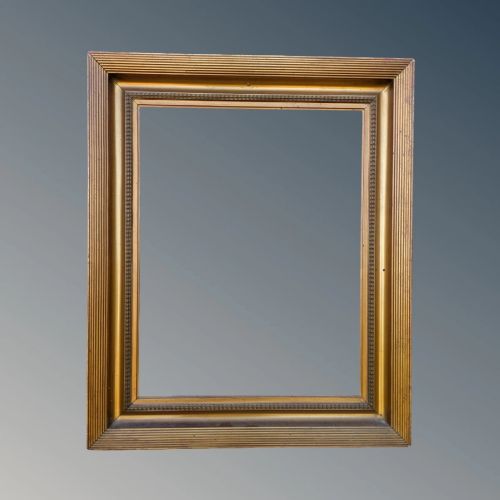
Makers utilised solid timbers such as oak, fruitwood, beech, pine, satinwood and walnut, often shaping them through hand-carving and joinery techniques. Surfaces frequently received gilding, gesso, paint or lacquering to enhance the visual depth of the carved motifs.
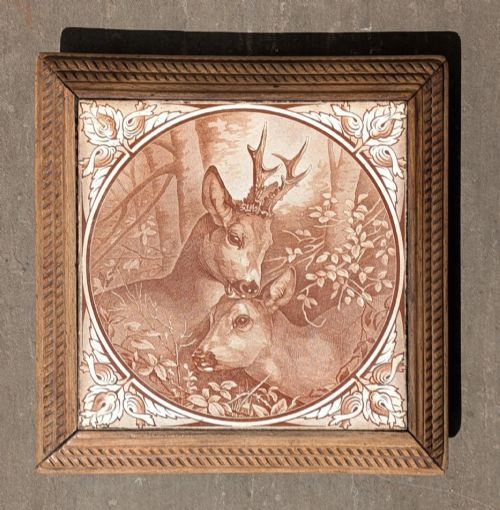
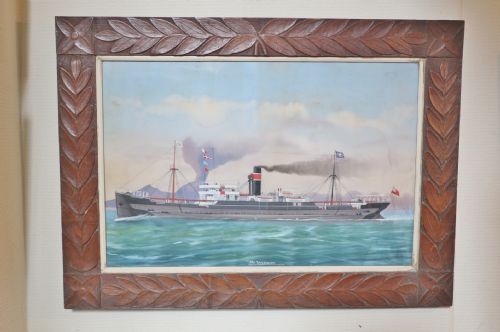
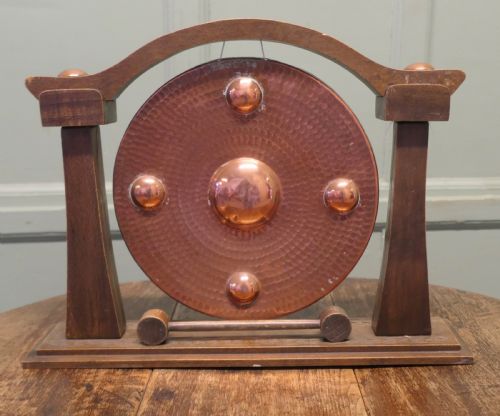
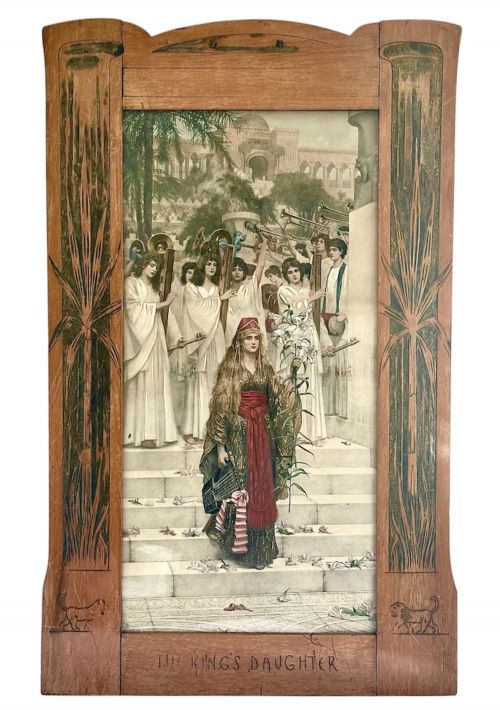
Many items incorporate glass mirrors, canvas oil paintings, paper photogravures or gouache paintings set securely within rebated wooden mouldings. Structural elements occasionally combine iron supports or copper decorative additions with the primary wooden framework.
Listings feature items dated from the eighteenth, nineteenth and twentieth centuries, spanning the Victorian, Edwardian, Arts and Crafts and Art Deco periods.
Assessing Quality and Execution
Quality rests upon the crispness and depth of the hand-carved detail within the wood, distinguishing skilful artisanal work from mechanical or shallow replication. The integration between the carved frame and its original mirror glass, canvas or panel indicates superior craftsmanship.
The integrity of the timber, the retention of original surface treatments such as gilding or paint, and the balance of proportions determine the standing of each piece. Finer examples display meticulous attention to joint construction and harmonious stylistic execution across the entire object.
Oliver Morel·Rowley Gallery·Van Rijckevorsel and Verheijen·Herbert Gustave Schmaltz
The Carved Wooden Frame Art Glossary
- Giltwood
- Wood that has been coated with gold leaf or gilt powder over a prepared gesso ground. This finish is commonly found on ornate picture frames and mirrors.
- Rebate
- The recessed groove cut into the back inner edge of a frame to hold glass, canvas or a panel securely in place.
- Gesso
- A plaster mixture applied to wood surfaces as a smooth base for painting or gilding. It allows for intricate moulded relief details.
- Fretwork
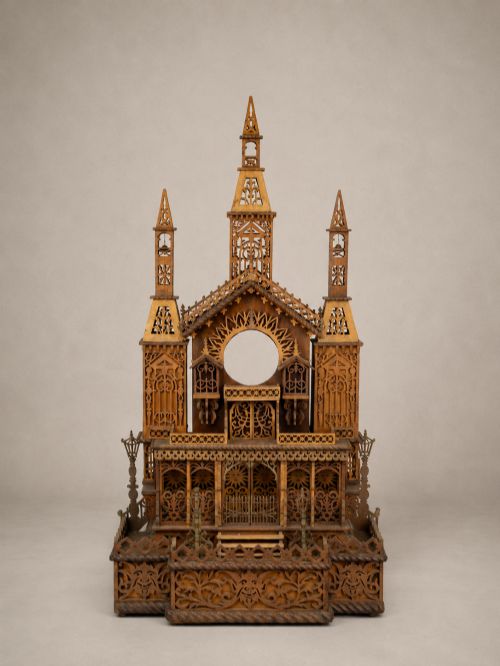
- Ornamental design created by cutting patterns through wood using a scroll saw or piercing technique. It appears frequently on architectural clock cases and panels.
- Cartouche
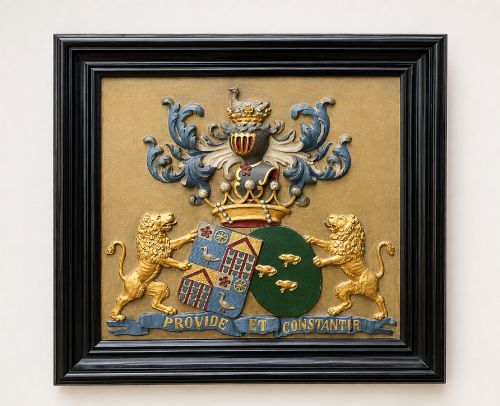
- An ornamental tablet or panel resembling a scroll or unrolled sheet of parchment, often bearing carved inscriptions or heraldic motifs.
Carved Wooden Frame Art: Frequently Asked Questions
How do I hang a heavy carved wooden frame safely?
Heavy carved wooden frames and mirrors require secure wall fixings suited to the specific wall material, such as brick, stone or plasterboard. Utilising appropriate picture wire or D-rings screwed directly into the solid wooden frame ensures even weight distribution.
Consulting a professional installer is recommended for particularly large or heavy architectural pieces to prevent strain on the historical timber and joints.
Can I replace the glass in an antique mirror frame?
Replacing the glass is sometimes necessary if the original plate is severely damaged, though retaining historical mirror glass preserves the authentic appearance of the piece. When replacement is required, traditional silvered glass cut to fit the exact rebate can be installed by a specialist.
Care should be taken during any glass replacement to avoid disturbing the old wooden backing boards and historical fixings.
How should I clean antique carved wooden frames?
Dusting should be performed regularly using a soft, dry brush to remove particles from deep carved crevices without damaging the surface. Avoid using liquid polishes, water or chemical cleaners, particularly on giltwood or painted surfaces where moisture can cause flaking.
Professional conservation advice ought to be sought if the wooden surface or gilding shows signs of active deterioration or instability.
What is the difference between an oil painting frame and a mirror frame?
Picture frames designed for canvas art often feature deeper rebates and specific moulding profiles to accommodate stretchers and backing boards. Mirror frames are constructed with heavy load-bearing capacities to support thick glass plates and frequently incorporate integrated wooden backing structures.
Both forms utilise similar decorative carving styles, but their internal rebate depths and structural bracing reflect their intended contents.