





Carved Oak Picture Frame
A carved oak picture frame brings deep grain, tactile relief and architectural weight to whatever hangs within its perimeter.
Carved Oak Picture Frame
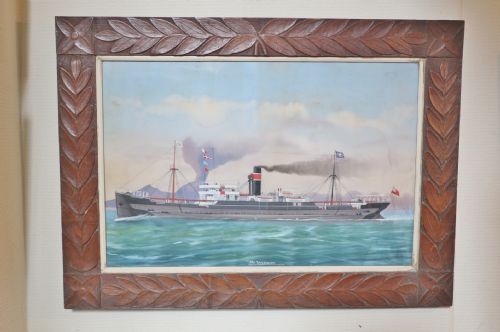
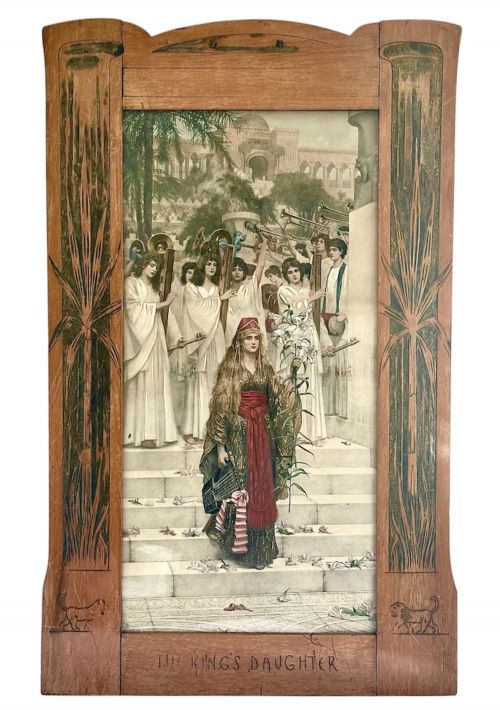
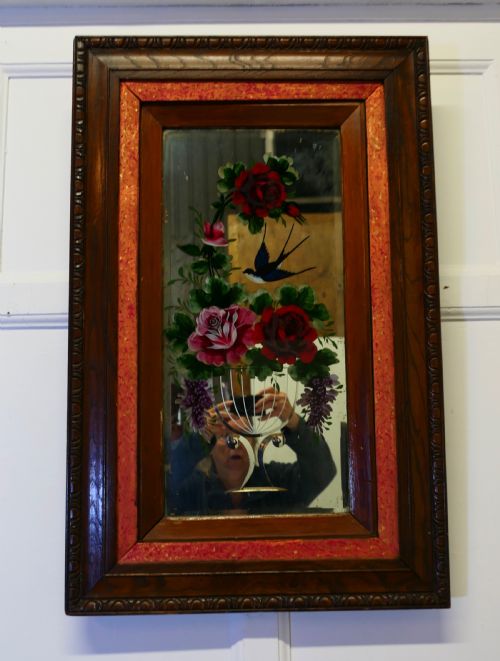
A carved oak picture frame provides a sturdy, textured housing for artworks, mirrors, photographs and textiles. The selection on this page ranges from early seventeenth century pieces up to twentieth century examples.
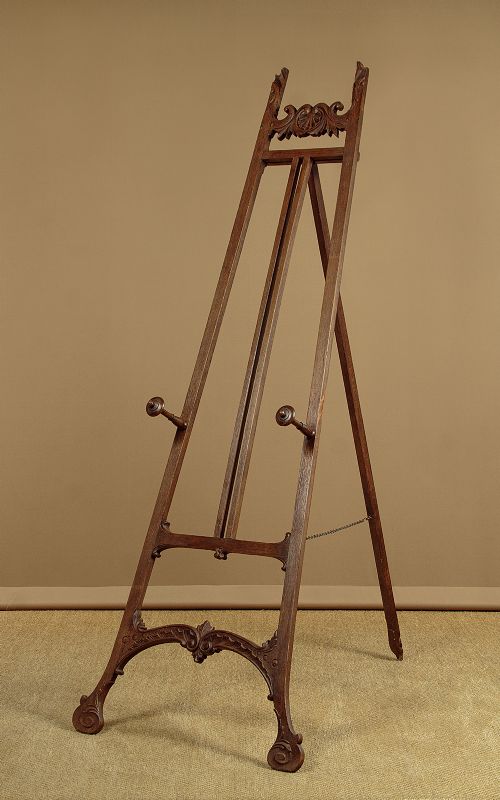
Buyers will encounter various formats including wall art, display easels, and framed embroidery. The materials housed within these surrounds often include glass, paper, paint, metal, silk and metallic thread.
The stylistic influences span across Victorian, Edwardian, Art Nouveau, Stuart, and Gothic Revival periods. Each piece reflects the aesthetic preferences and woodworking capabilities of its specific era.
Materials and construction methods
The primary material across the inventory is oak, chosen for its strength, distinctive grain pattern and ability to hold crisp carved details. Wood is shaped and joined to form structural surrounds for delicate contents.
Makers utilised hand carving techniques to apply motifs, foliage and figurative elements directly into the timber. Surfaces are finished to highlight the natural properties of the wood alongside secondary materials like metal and paint.
Contained media across the inventory includes silk embroidery, photographs, tapestries, mirrors and printed paper.
Distinctions in craftsmanship and design
Quality separates through the depth, precision and fluency of the wood carving. Finer examples display sharp undercut details and well-balanced proportions that complement rather than overpower the aperture.
The integration of the frame with its original contents, such as early glass, backing boards or historical textiles, influences the integrity of the piece. Superior construction ensures the timber remains stable across centuries.
The Carved Oak Picture Frame Glossary
- Stumpwork
- A raised form of embroidery popular in the seventeenth century, often featuring historic figures and worked in high relief over wooden or padded foundations. It creates a sculptural surface texture.
- Photogravure
- An intaglio printing process that produces photographic images with continuous tones and rich shadow details. It was widely used for fine art reproductions in the late nineteenth and early twentieth centuries.
- Display easel
- A free-standing framework designed to hold a picture or mirror on a tabletop or surface rather than hanging on a wall. These objects combine structural support with decorative carving.
- Slip frame
- A secondary inner border or liner fitted within a primary frame to separate the artwork from the outer moulding. It provides depth and a transition between the image and the main surround.
- Reverse painted
- A technique where design elements are applied directly to the back of a glass panel so that the finished image is viewed through the front. This method yields a smooth, reflective surface finish.
Carved Oak Picture Frame: Frequently Asked Questions
How do I hang a heavy carved oak frame?
Heavy wooden frames require secure fixings screwed directly into wall studs or heavy-duty wall anchors rated for the weight of the timber and glass.
Ensure the hanging wire or D-rings affixed to the back are robust enough to support the total load safely.
Can these frames be used for modern artwork?
These surrounds can accommodate modern prints, photographs or canvases provided the aperture dimensions and depth match the piece.
The contrast between antique wood and contemporary imagery often creates a striking visual balance.
How do I clean carved oak woodwork?
Dust the carved recesses regularly using a soft, dry brush to prevent dirt accumulation in the grain and crevices.
Avoid liquid cleaners and harsh chemicals that can strip the natural finish or damage aged timber.
What periods do these frames represent?
The selection spans multiple eras including the seventeenth century, Victorian, Edwardian and early twentieth century.
Each period exhibits distinct decorative motifs and carving styles unique to its time of manufacture.