




Antique Wood Photo Frames
These antique wood photo frames bring tactile warmth to interiors, holding portraits and prints with period character.
Antique Wood Photo Frames
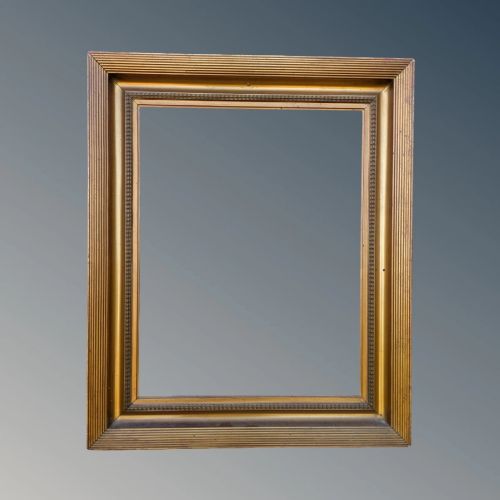
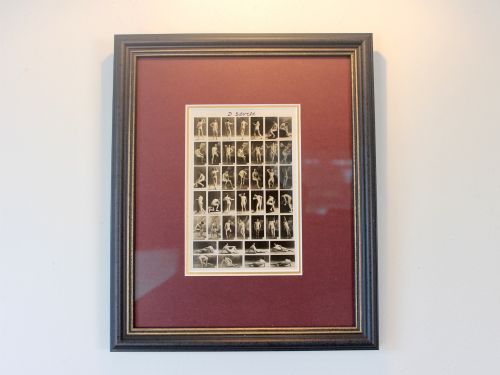
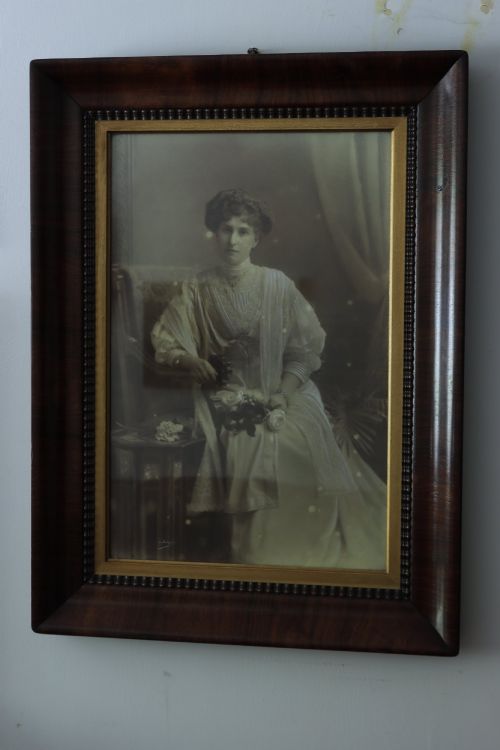
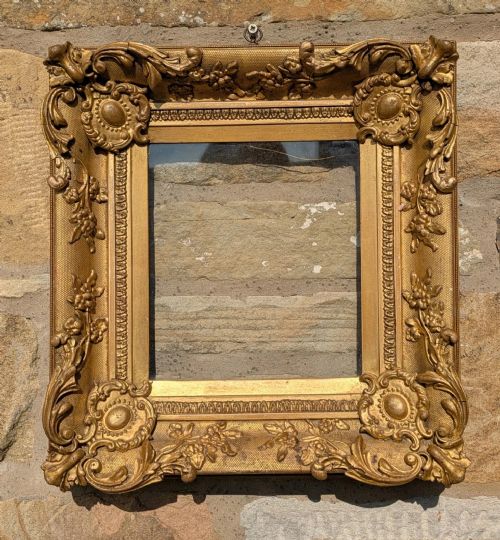
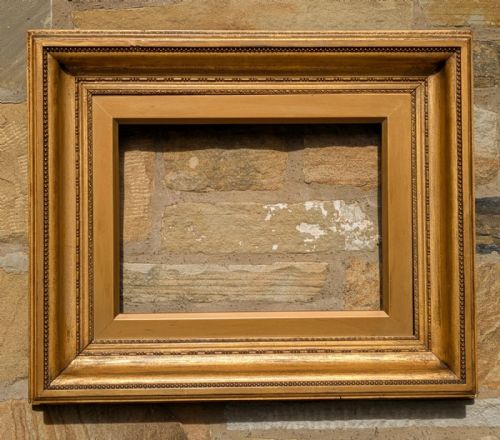
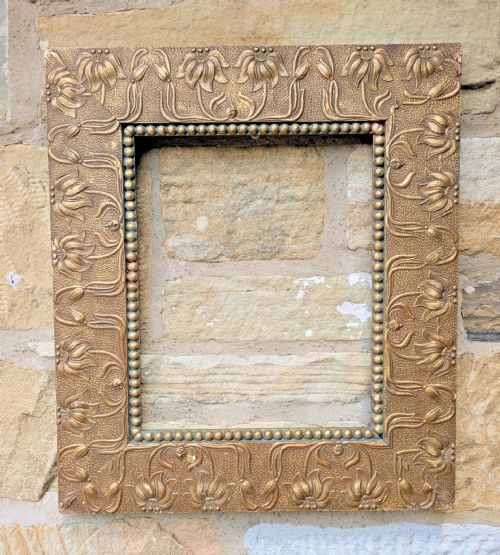
Antique wood photo frames encompass various historical periods including Victorian, Edwardian, and the early twentieth century, alongside regional styles such as Black Forest and tramp art. These pieces range from simple carved oak mouldings to intricate walnut constructions, designed to display photographs, prints, and portrait miniatures.
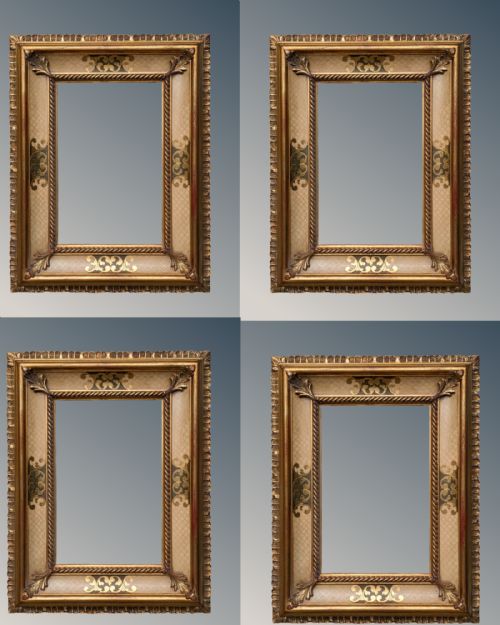
Buyers frequently encounter examples featuring carved gesso, gilt accents, and specialised formats like double frames or folding configurations. The selection spans domestic European craftsmanship to specific regional traditions, offering diverse ways to display historical imagery.
How they were made
Construction relies heavily on traditional woodworking techniques applied to timber, paired with applied gesso and gold leaf or gilt finishes. Craftsmen shaped materials like walnut, oak, and birds-eye maple through hand carving and moulding.
Many items integrate glass protection and paper backing, while specialised techniques like tramp art utilise layered, notched wood pieces to create geometric surface textures.
What varies in quality
Quality reveals itself in the precision of the hand carving and the integrity of the underlying wood construction. Superior examples display crisp detail in gesso mouldings and well-preserved gilt surfaces without crude intervention.
The sophistication of the joinery and the depth of the decorative carving distinguish standard production items from exceptional artisan-made pieces. Original finishes and intact backing materials further elevate the standing of an individual frame.
The Antique Wood Photo Frames Glossary
- Gesso
- A plaster-like mixture applied to wood surfaces and carved before gilding. This material allows for intricate relief ornamentation on the frame border.
- Tramp art
- A style of woodwork where small pieces of wood, often from cigar boxes, are notched and layered. This creates highly textured, geometric relief patterns across the frame.
- Giltwood
- Wood carved and coated with gold leaf or metallic paint. It provides a luminous surface that catches candlelight or natural daylight.
- Birds-eye maple
- A figured timber exhibiting small, swirling knots resembling bird eyes. It offers a distinctive, patterned grain highly prized in nineteenth-century cabinetry.
- Crystoleum
- A method of applying hand-coloured photographs to glass and backing them with convex paper. These delicate items frequently appear housed within period frames.
Antique Wood Photo Frames: Frequently Asked Questions
How do I date an old frame?
Dating relies on observing construction methods, timber types, and stylistic indicators such as Victorian gesso work or Edwardian profiles.
Examining the backing materials, glass type, and fixing methods also provides clear chronological context.
Can I change the glass safely?
Original glass should be retained wherever possible to preserve the historical integrity of the piece. Modern replacements risk altering the subtle distortions and thickness characteristic of older panes.
Consult a specialist if the glazing requires adjustment to protect fragile contents within.
How should I clean wood frames?
Dust gently with a soft, dry brush to remove surface particles without disturbing vulnerable gesso or gilt surfaces. Avoid liquid cleaners or solvents entirely.
Moisture can penetrate unsealed wood or lift delicate metallic leafing from the substrate.
What is tramp art?
Tramp art is a folk art movement where makers carved geometric patterns into small salvaged pieces of wood. These elements were then layered together to build deeply textured frames.
The resulting objects showcase inventive recycling of everyday timber by self-taught makers.