
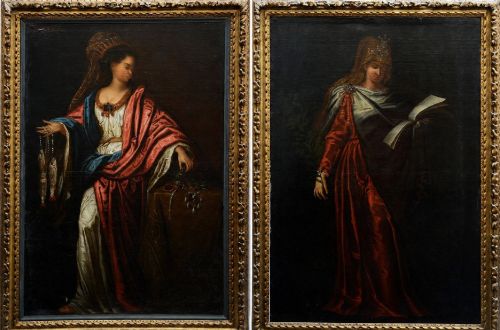
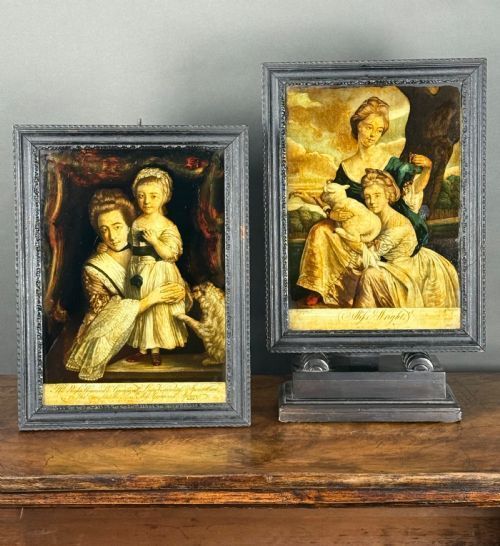
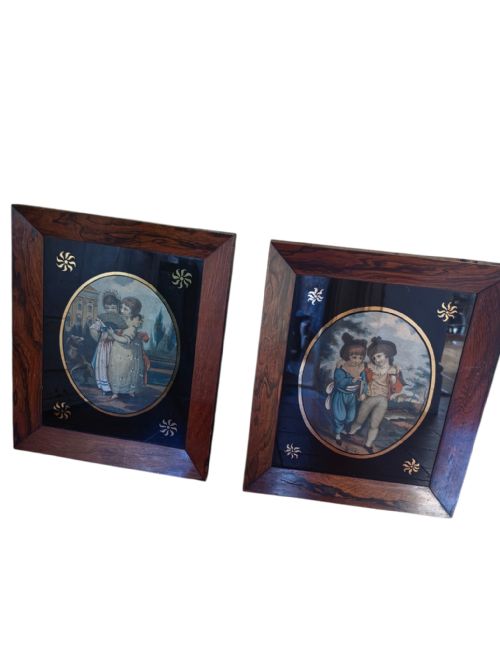
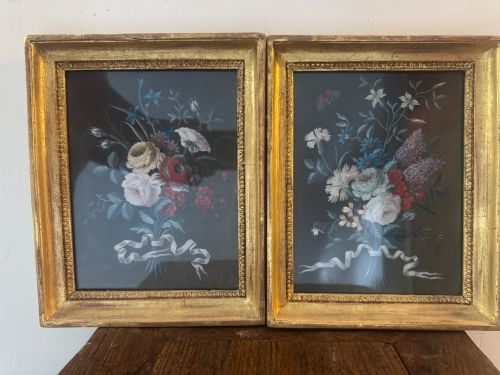

Pair of Picture Frames
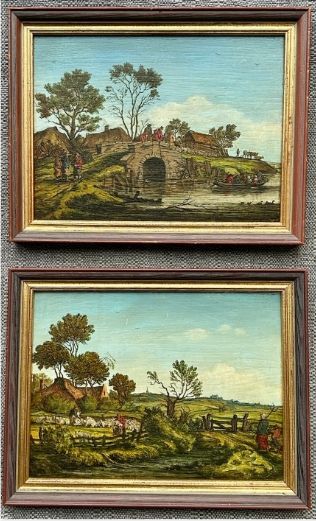
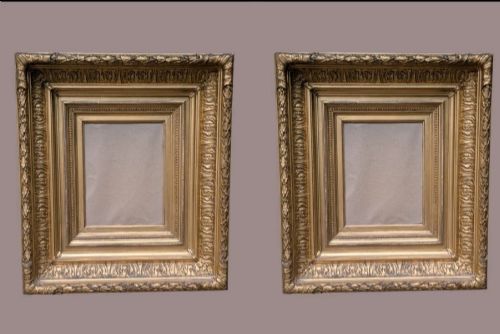
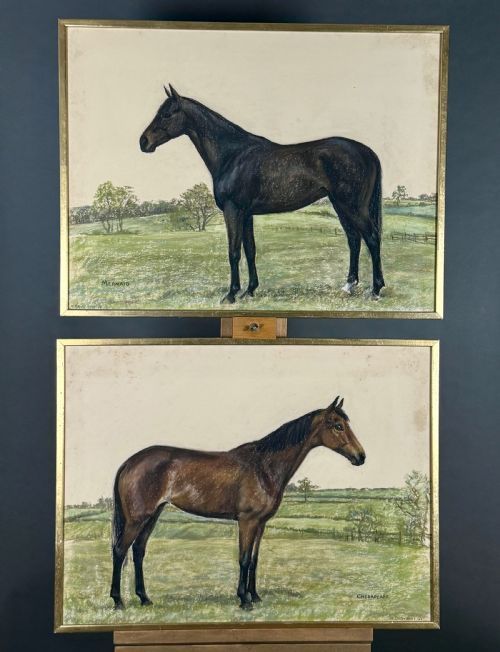
When choosing a pair of picture frames, you are selecting matched housings designed to hold and balance twin artworks or mirrors across a wall.
Pair of Picture Frames
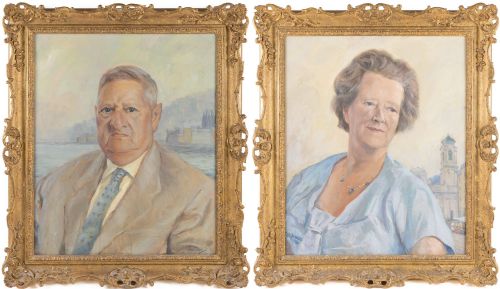
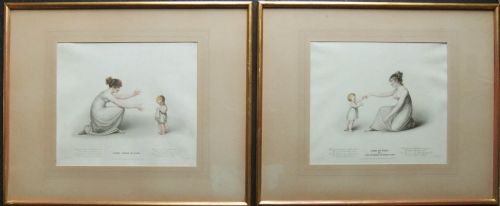
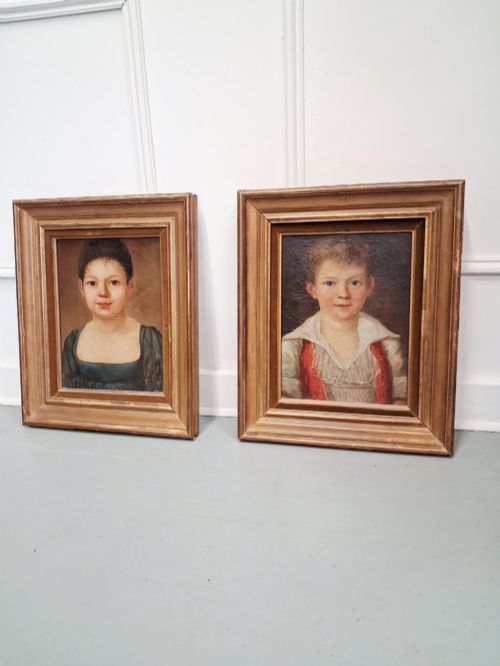
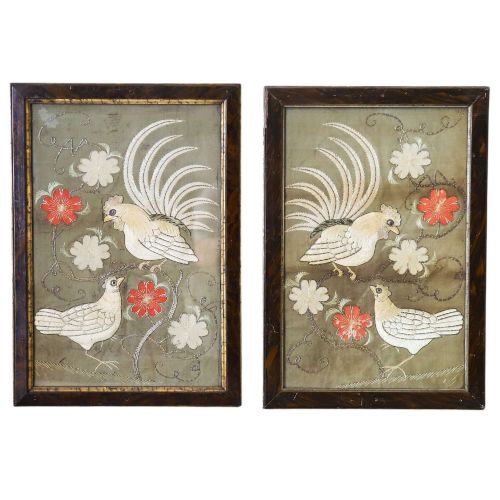
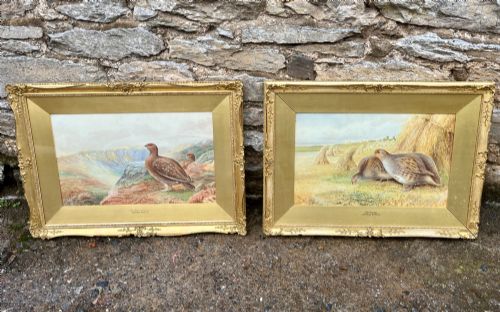
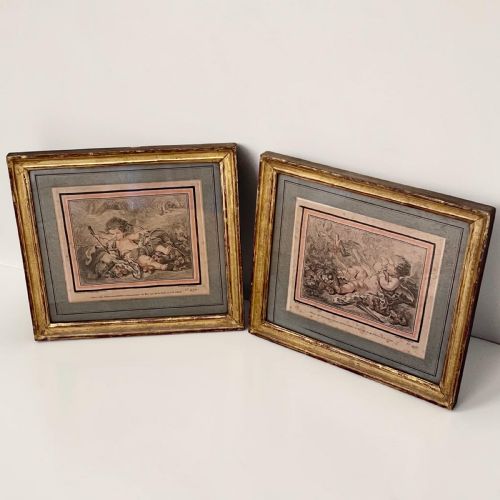
A search for a pair of picture frames leads you to matching dual enclosures spanning centuries of domestic display, from early Georgian and Regency iterations to Victorian and Edwardian examples. You will frequently encounter items that house oil paintings, watercolours, engravings, photographs or mirrors as paired sets intended for symmetrical interior arrangement.
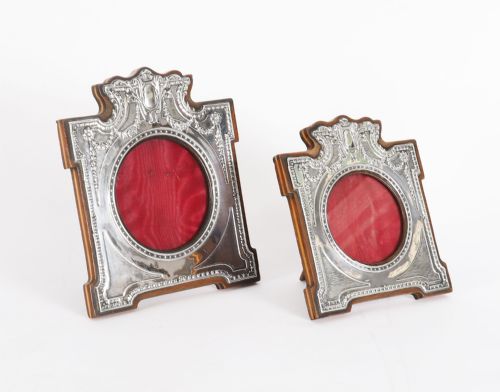
The materials and styles recorded in the inventory range from deep gilt wood and carved gesso to rosewood, bird's eye maple, brass, silver and chrome. Mid-century Italian, French Baroque and English school aesthetics appear alongside simpler tramp art and architectural oak mouldings.
Materials and construction methods
Carpenters and gilders utilised timber foundations such as oak, walnut, maple and rosewood, often applying layers of gesso before hand-laying gold leaf or burnishing the surfaces. Metal examples rely on cast silver, brass, gilt metal or chrome formed into decorative borders around glass viewing panels.
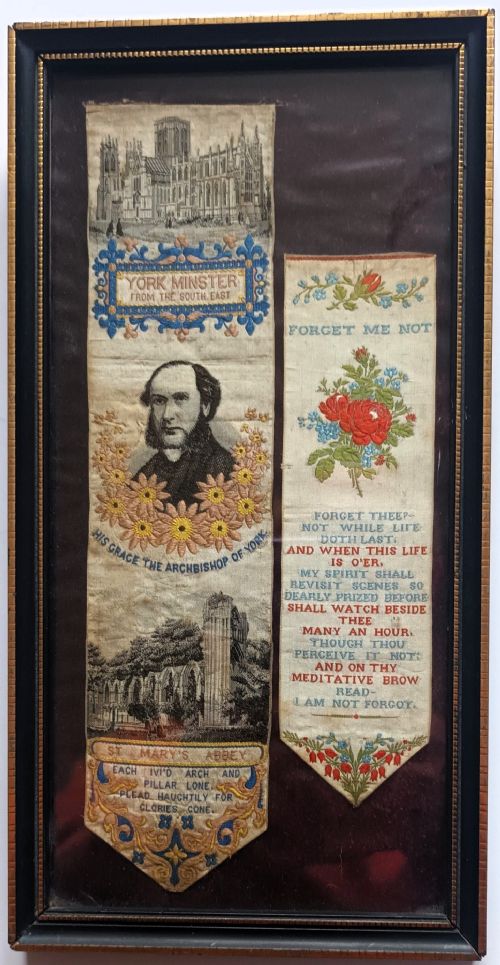
Many historical items incorporate secondary elements like silk, paper, oil paint, leather and mother-of-pearl within the matched borders, reflecting the diverse craft traditions of their respective periods.
The listings span multiple centuries, incorporating materials from traditional gilt wood and silver to mid-century chrome and mother-of-pearl.
Distinctions in standard and execution
The distinction between ordinary production and superior work rests on the crispness of the carving, the depth of the gilding and the integrity of the original construction joints. Hand-carved wooden ornament and thick gold leaf applied over sound gesso represent a higher tier of craftsmanship than stamped metal or superficial surface paint.
Matched symmetry and original backing materials also govern the desirability of the set, as pairings that retain their original glass, mountings and proportional balance command greater appreciation from collectors.
Mappin Bros·H. Alden & Co.
The Pair of Picture Frames Glossary
- Giltwood
- Wood that has been coated with a thin layer of gold leaf or powder. This finish appears frequently on decorative frames from the eighteenth and nineteenth centuries.
- Rebate
- The recessed inner channel at the back of a frame designed to hold the glass, artwork and backing board securely in place. It determines the maximum depth and size of the picture inserted.
- Gesso
- A plaster mixture applied to a wooden frame base to provide a smooth surface for gilding or painting. Artisans carved intricate details directly into this dried composition layer.
- Tramp art
- A utilitarian style of decorative woodwork created by chip-carving small pieces of salvaged wood, such as cigar boxes, and layering them into geometric patterns. It developed widely during the nineteenth century.
Pair of Picture Frames: Frequently Asked Questions
What were pairs of frames used for?
Pared frames were manufactured to display companion artworks, portrait pairs of couples or symmetrical mirror arrangements on either side of a fireplace or doorway.
They allowed interior spaces to maintain visual balance and formal harmony during the Georgian, Victorian and Edwardian eras.
How do I date an antique frame?
Dating relies on observing the underlying timber, the composition of the gesso, the joining techniques at the corners and the style of ornamentation. Georgian and Regency pieces show different moulding profiles compared to later Victorian revival or Art Deco chrome versions.
The materials used for backing boards and fixings also provide reliable chronological markers for experienced collectors.
Can I separate a matched pair?
Splitting a matched pair diminishes their historical context and decorative purpose, as they were constructed together as a unified set. Keeping them united preserves the symmetry intended by the original maker.
Most collectors prefer to display them together on the wall as originally conceived.
How do I care for wooden frames?
Maintenance involves dusting gently with a soft dry cloth and avoiding liquid cleaners or harsh chemical polishes that can damage delicate gilt or aged timber surfaces. Keeping them away from direct sunlight and damp environments protects the wood and metallic leaf from deterioration.
Stable indoor temperatures prevent the underlying gesso and wood from cracking over time.