
Edwardian Framed Photographs
Edwardian framed photographs combine silver metalwork and original portraits, offering a tangible link to domestic life at the start of the twentieth century.
Edwardian Framed Photographs
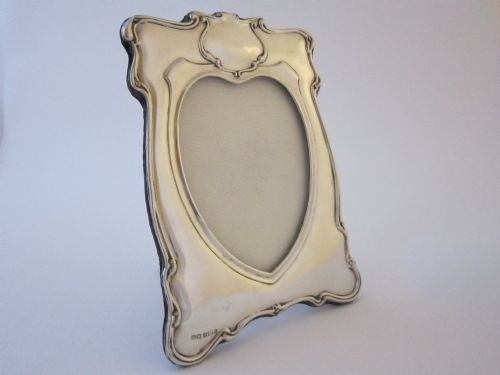
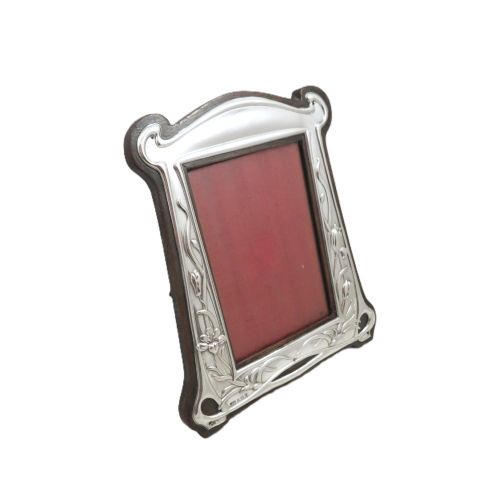
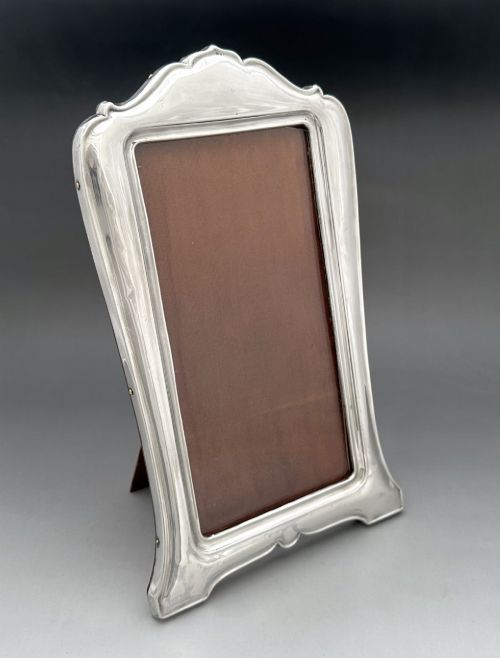
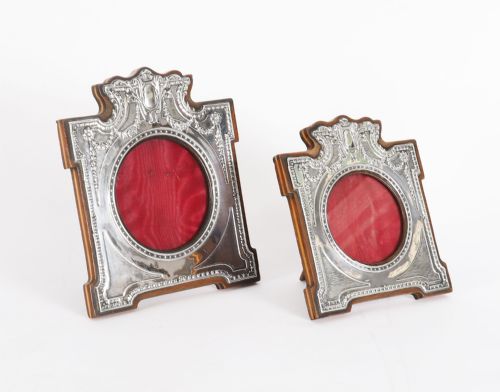
When searching for edwardian framed photographs, buyers encounter a mix of picture frames, photo frames, and framed artwork dating from the late nineteenth century through to the early decades of the twentieth century. The period covers Victorian, Edwardian, and George V eras, bringing together formal studio portraits, family groups, and landscape subjects.
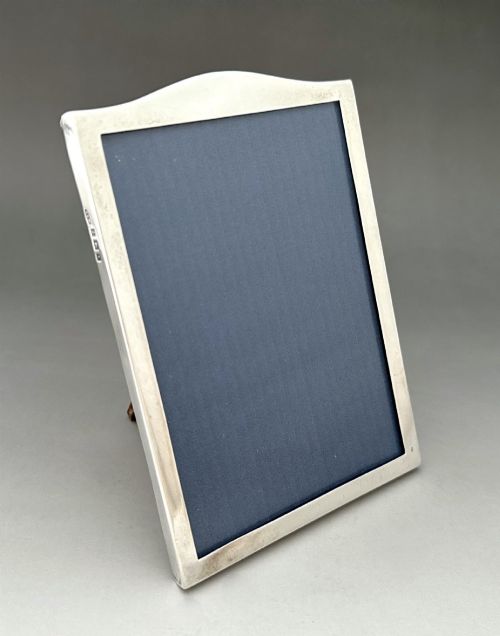
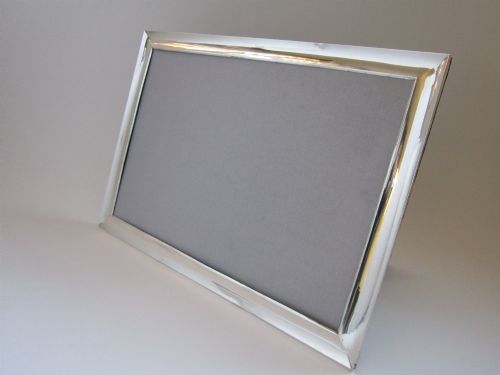
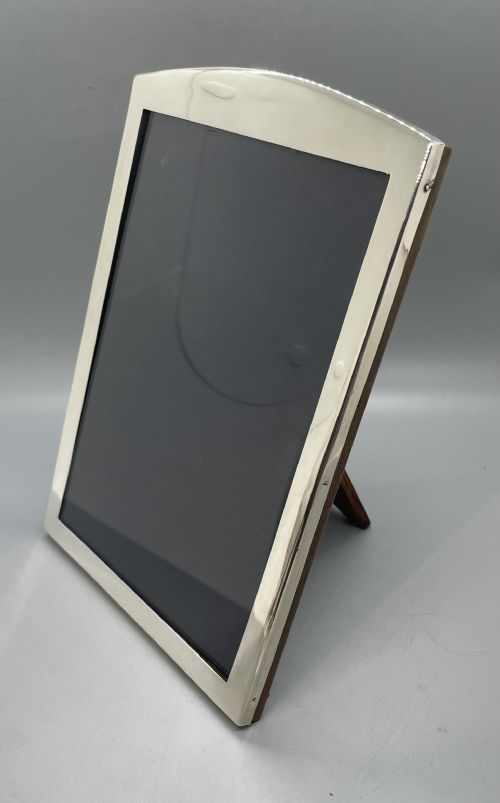
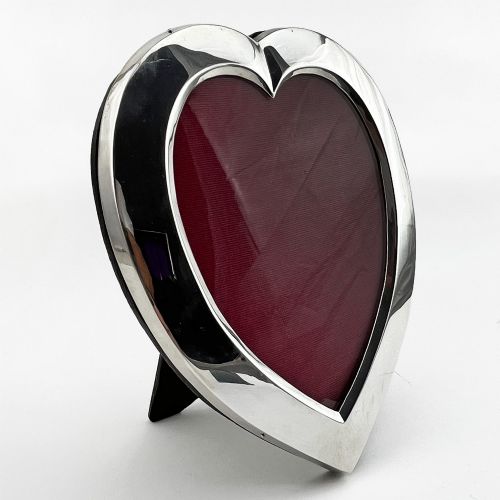
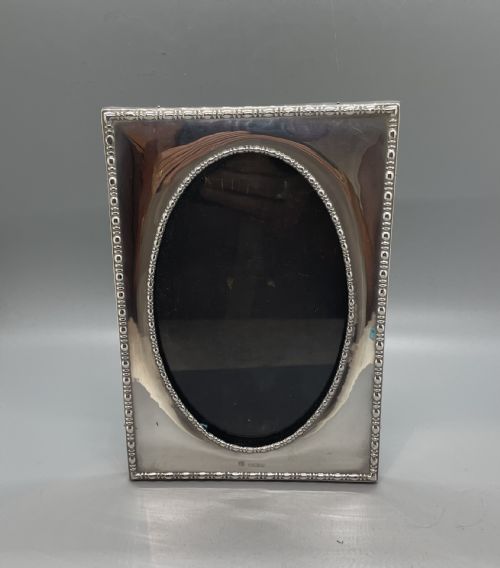
The most common forms on this page include sterling silver photo frames, wooden frames housing black and white portraits, and gilt metal mounts. These objects often preserve original photographic paper, card mounts, and early glass elements within the surrounding structure.
Materials and construction
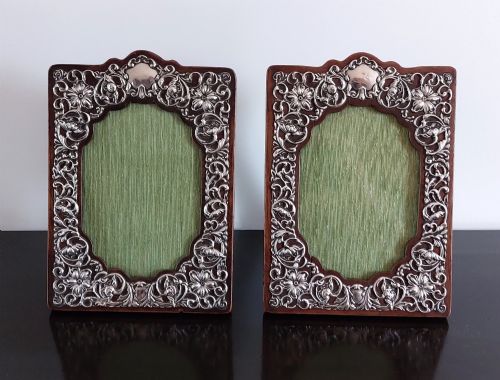
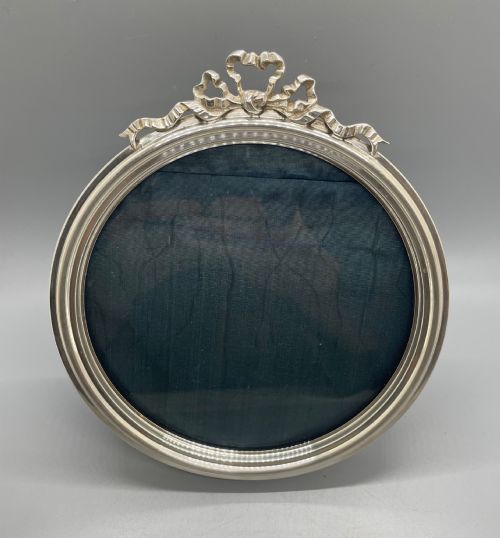
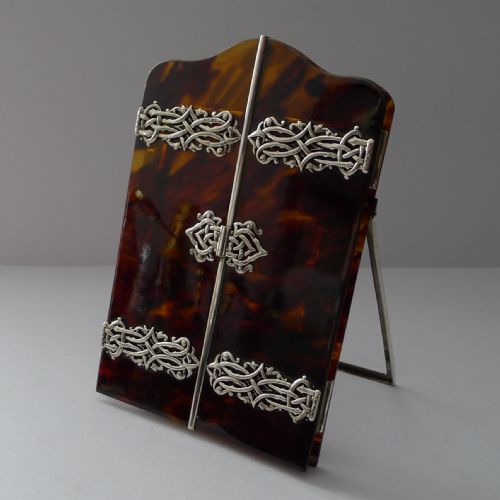
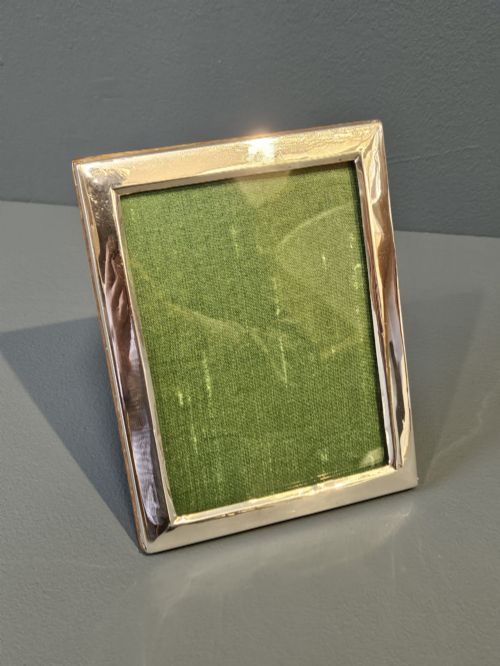
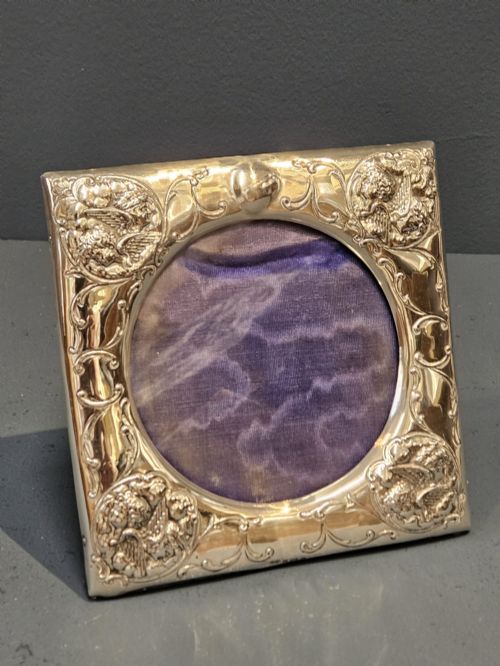
Makers constructed these pieces using sterling silver, silver plate, oak, and other woods, frequently backing them with textile materials such as blue velvet. Metal components often feature embossed, engraved, or cast ornamentation executed by silversmiths working in major British assay towns.
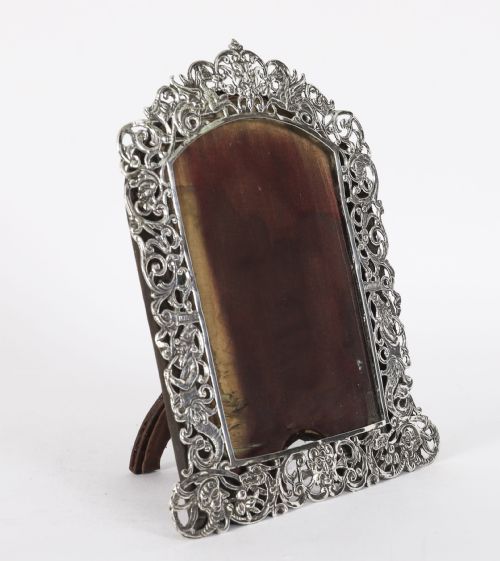
Glass protects the photographic surface, whilst paper and card support the underlying images. Timber is utilised for structural rigidity in wall art and larger desk frames, often paired with metal easel backs.
Some frames preserve images of early twentieth century sports teams and sailors aboard vessels named Winifred.
Assessing craftsmanship and condition
The distinction between standard production and superior examples lies in the depth of metalwork decoration and the integrity of the original backing. Heavier gauge sterling silver displays sharper embossing and finer engraving, whereas lesser items rely on thin sheet metal over wooden cores.
Original components contribute significantly to desirability, including intact glass, original velvet linings, and period fixings. The retention of the original photographic content adds historical context to the physical frame.
Rosenthal Jacob And Co·William Comyns·Mappin Bros·Henry Matthews·Hardy Brothers
The Edwardian Framed Photographs Glossary
- Sterling silver
- A silver alloy containing 92.5 percent pure silver by mass, widely utilised for British desk frames and photograph mounts.
- Assay mark
- A stamp indicating the testing of metal purity, showing the town mark, standard mark, and date letter.
- Autochrome
- An early colour photography process patented by the Lumière brothers, producing transparencies on glass.
- Mount
- The card or paper surround framing an image within the glazed window of the picture frame.
- Easel back
- A hinged support attached to the reverse of a frame to allow desk placement.
Edwardian Framed Photographs: Frequently Asked Questions
How do I date a silver photograph frame?
Examine the hallmarks stamped on the silver border to find the assay office symbol and date letter, which correspond to specific years of manufacture.
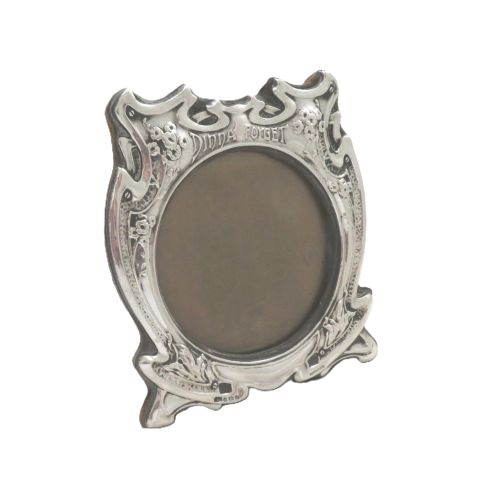
Style indicators such as Art Nouveau curves or Edwardian embossing also help narrow down the decade of production.
Were these frames meant for desks or walls?
Many examples feature hinged easel backs designed specifically for display on tables, mantelpieces, and desks.
Other pieces incorporate hanging loops or heavier wooden construction intended for permanent wall mounting.
What kind of photographs are usually inside?
Content ranges from formal studio portraits and sports teams to candid family groups and maritime subjects.
These images are typically printed on paper or card, and occasionally presented as early photographic processes on glass.
Can I replace the glass or backing board?
Original glass and velvet or wooden backing boards maintain the historical integrity of the piece.
Replacements alter the vintage composition, so keeping original components is standard practice among collectors.