


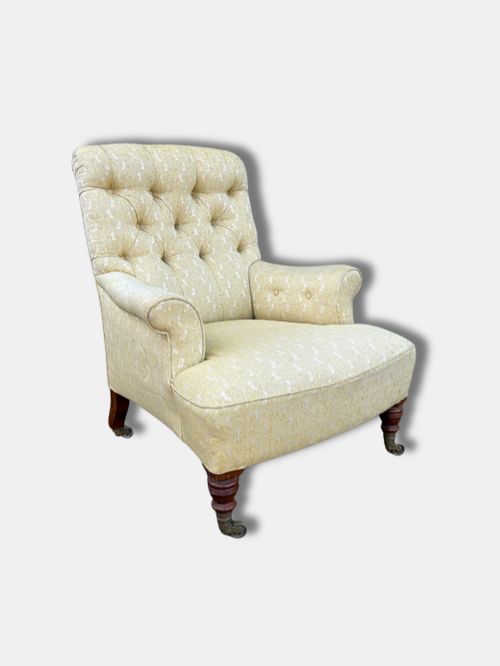
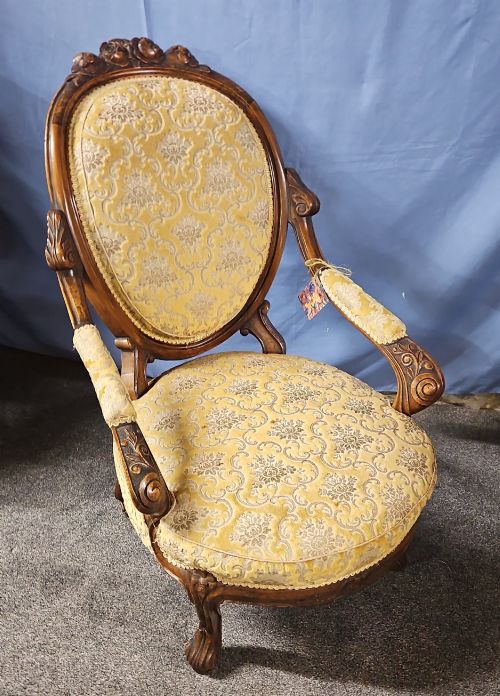
Antique Damask Chair
An antique damask chair brings rich pattern and tactile depth to a room, offering historic seating upholstered in patterned silk or wool.
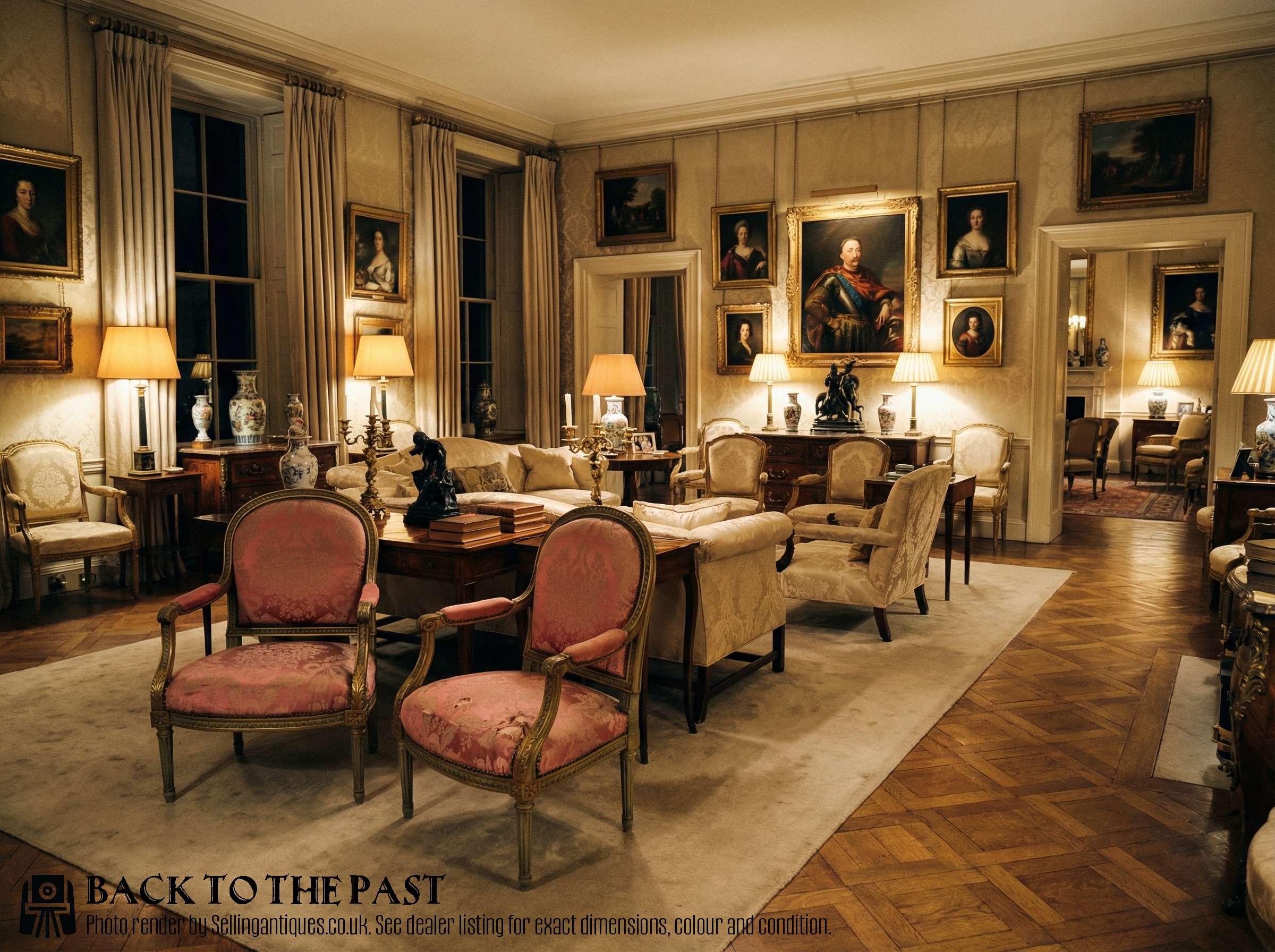
Antique Damask Chair
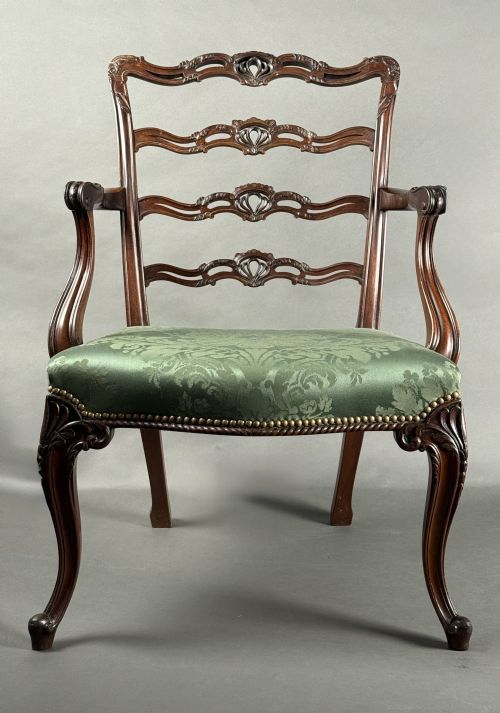
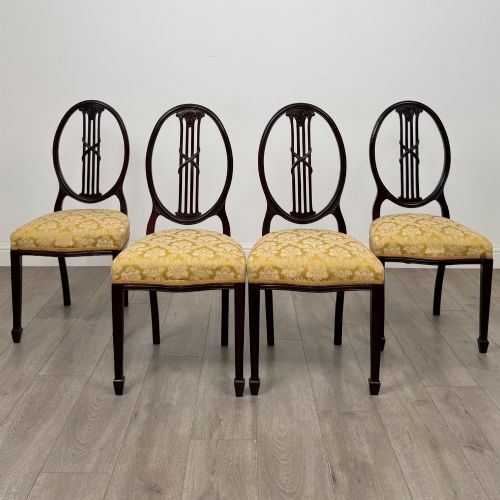
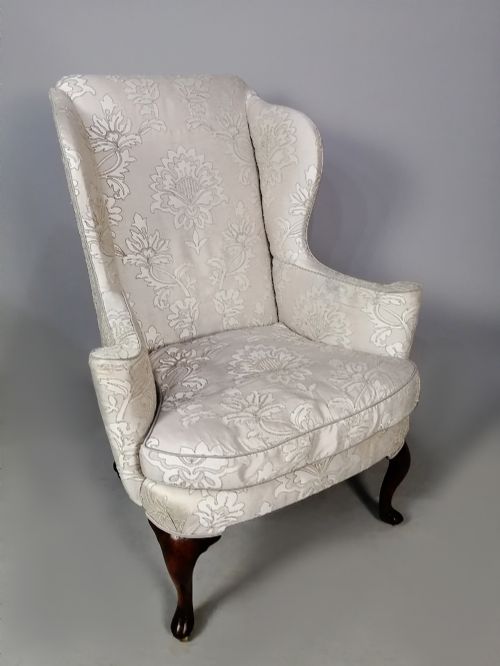
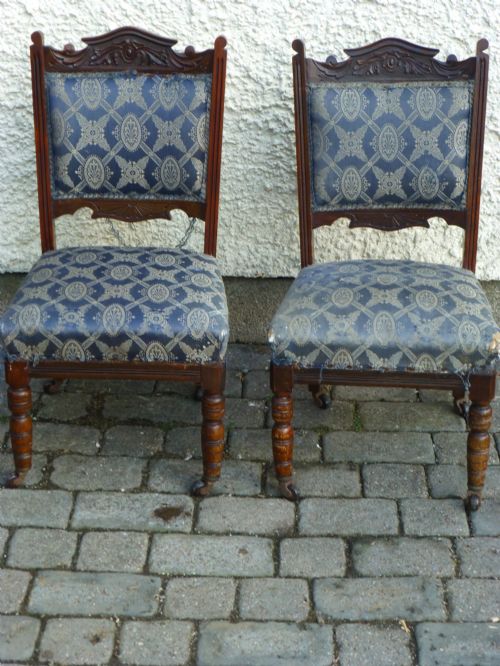
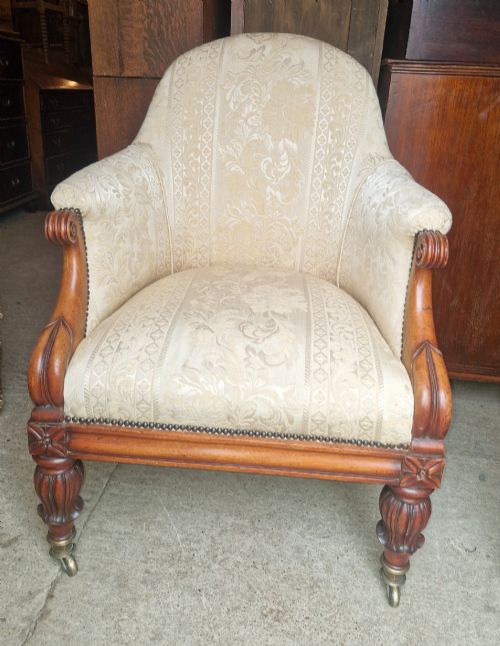
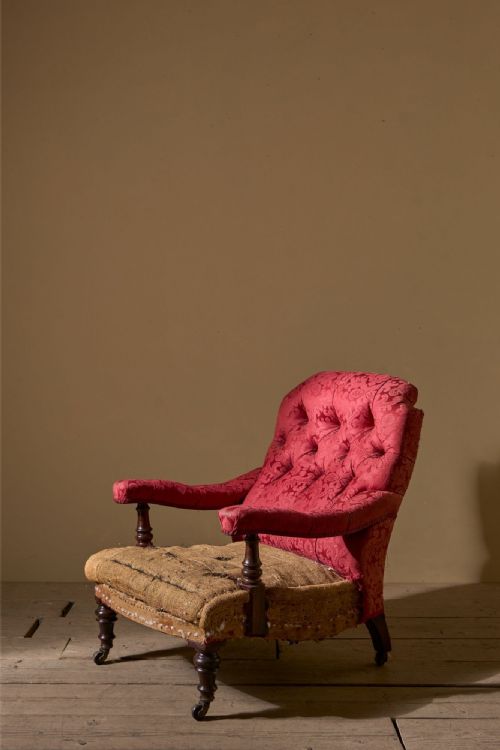
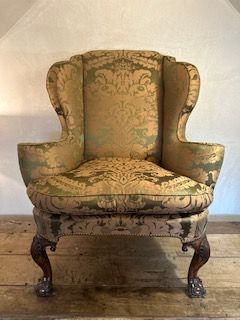
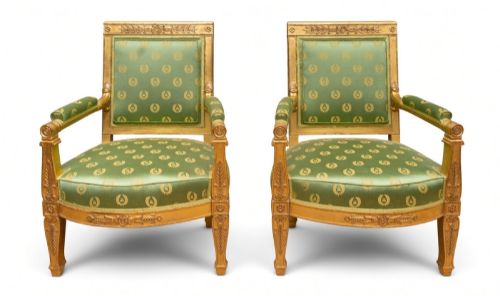
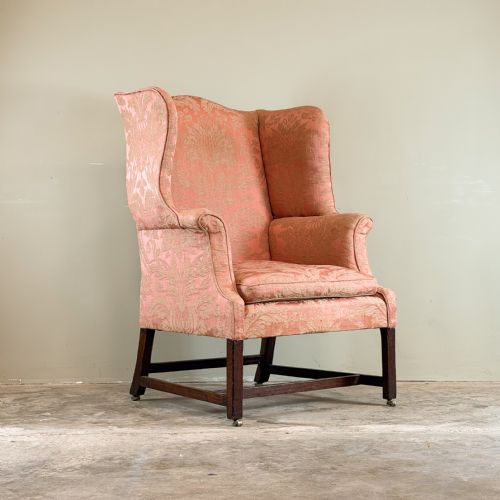
When searching for an antique damask chair, buyers encounter seating upholstered in patterned textiles alongside frames originating from the eighteenth and nineteenth centuries. These pieces span formal parlour chairs and library armchairs to nursing chairs and dining seats.
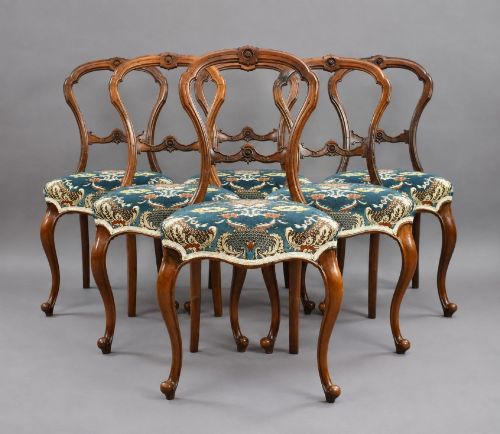
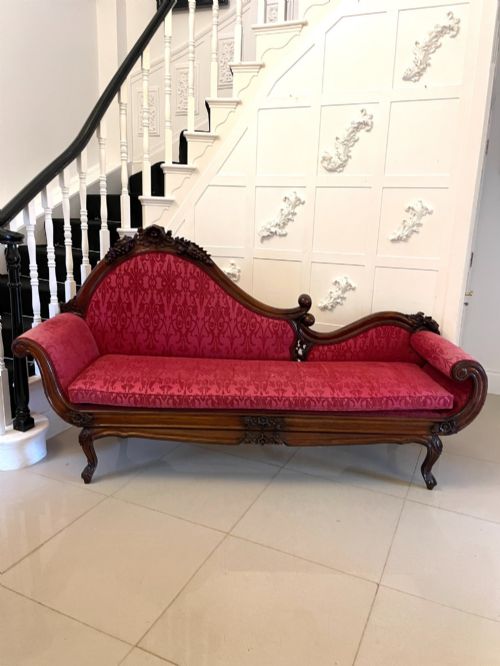
The Victorian period contributes heavily to the selection, often presenting walnut frames paired with damask fabric. Earlier examples appear from the eighteenth century in mahogany or walnut, while revival styles from the late nineteenth and early twentieth centuries add carved giltwood and painted finishes.
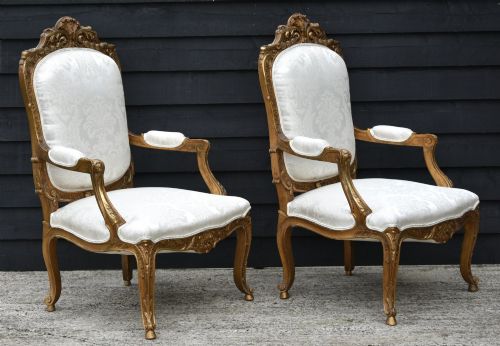
Armchairs and salon chairs dominate the forms, accompanied by sets of dining chairs and compact nursing chairs. Frames range from restrained Georgian lines to elaborate French Rococo Revival and Carolean curves.
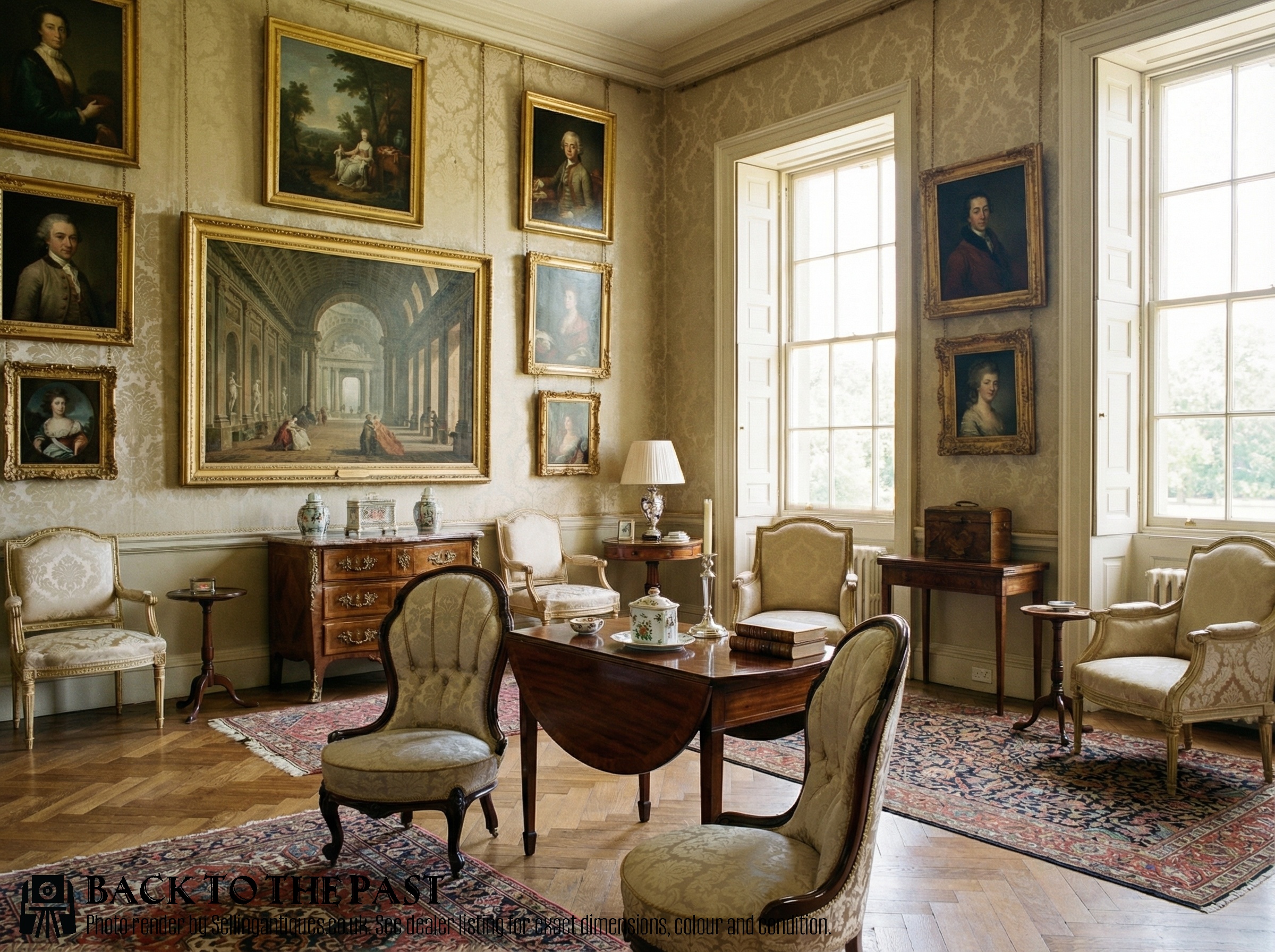
How they were made
Frames rely on dense cabinet timbers such as mahogany and walnut, shaped through traditional joinery and detailed with hand carving. Giltwood and painted finishes appear on continental and revival pieces, utilising carved wooden substrates beneath the surface treatment.
Upholstery relies on traditional stuffing materials enclosed by damask, a reversible figured fabric woven on a loom to create patterns through contrasting warp and weft threads. Silk, wool, and blended textiles provide the patterned surface, often secured with brass tacks or finished with gimp braid.
Antique Damask Chair Retail Price Guide 2026
Typical asking prices for damask chair among the pieces listed under this phrase on Sellingantiques today, from the lower quarter to the upper quarter. They describe what is for sale here now, not the wider market.
Upholstery options span silk damask, wool moquette, and patterned textile coverings paired with brass details and carved giltwood.
What varies in quality
Quality rests in the crispness of the timber carving and the architectural proportion of the frame. Superior pieces display confident joinery, well-balanced cabriole or straight legs, and substantial timber scantlings that support the seating weight without visual heaviness.
The integration of the upholstery defines the finished appearance. Higher grade examples feature damask textiles correctly scaled to the frame, maintaining grain alignment and pattern symmetry across the seat, back, and arms.
Jacob-Desmalter·Howard and Sons·Blaise Maucuy
The Antique Damask Chair Glossary
- Damask
- A reversible, figured fabric with patterns woven flat into the textile. It provides a subtle sheen through contrasting warp and weft thread surfaces.
- Giltwood
- Timber coated with a thin layer of gold leaf or gilt finish. This technique highlights carved details on formal nineteenth-century and revival frames.
- Cabriole leg
- A furniture leg that curves out in a convex arc and tapers inward in a concave arc. It imitates the shape of an animal leg and terminates in various foot styles.
- Fauteuil
- An open-arm armchair with wooden armrests and exposed carved frame members. Originating in France, it presents a lighter profile than a fully upholstered wing chair.
Antique Damask Chair: Frequently Asked Questions
How do I clean damask upholstery safely?
Vacuum the fabric gently using a soft brush attachment to remove surface dust without snagging the woven threads. Professional textile cleaning is recommended for deeper marks to protect the fibres.
Avoid applying water or domestic cleaning sprays directly onto the textile. Moisture can cause water rings or alter the tension of the woven pattern.
Can I use an antique armchair daily?
Most nineteenth and eighteenth-century armchairs were built for active domestic service using robust timbers like mahogany and walnut. Regular seating is appropriate provided the internal webbing and joints remain stable.
Check the stability of the frame and legs periodically. Professional tightening prevents minor movement from developing into structural damage over time.
Where should I place a salon chair?
Salon chairs suit bedrooms, dressing rooms, or drawing rooms as occasional seating. Their compact proportions allow them to sit comfortably in corners or beside small tables.
Keep the chair away from direct sunlight to prevent the damask fabric from fading. Stable room temperatures protect the timber frame from drying out and cracking.