


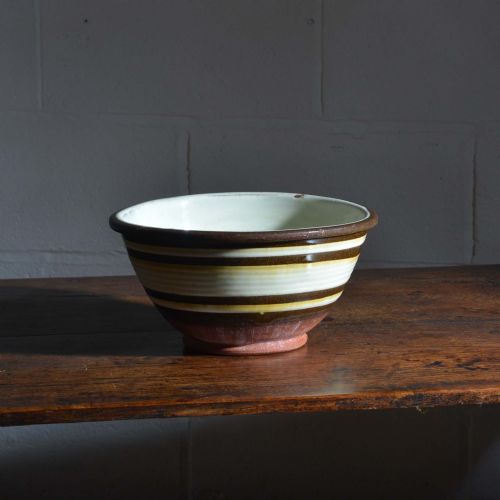
Antique Dairy Bowl
An antique dairy bowl brings centuries of farmhouse utility into modern rooms as a broad, shallow vessel with immense character.
Antique Dairy Bowl
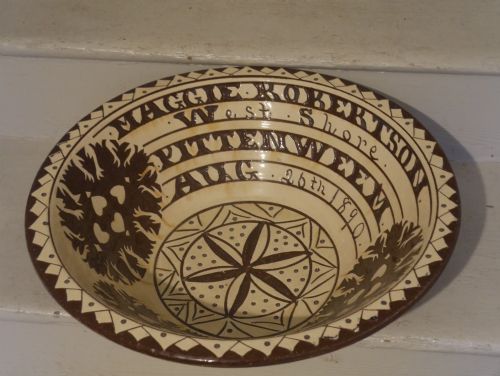
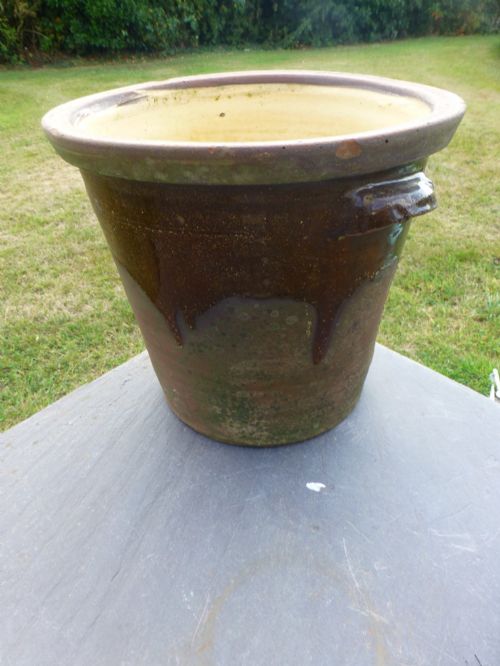
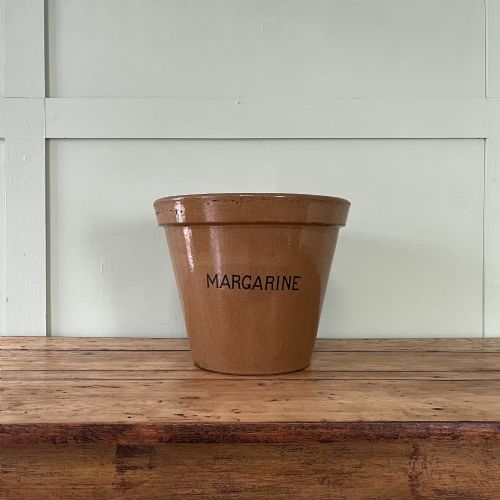
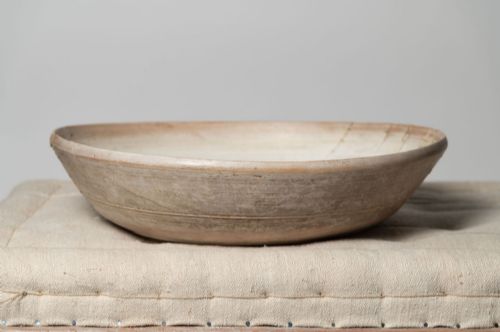
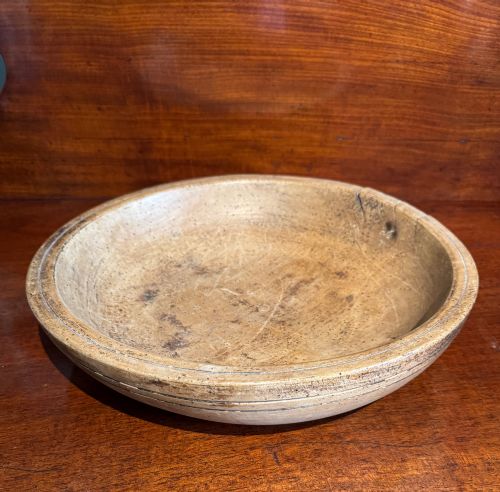
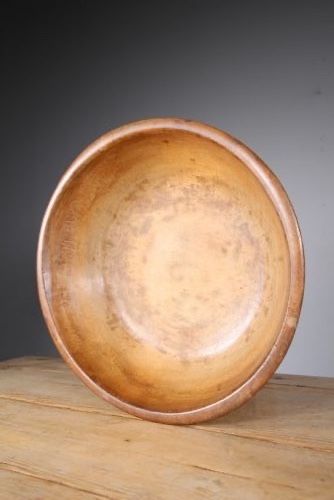
When you search for an antique dairy bowl, you encounter open vessels designed for setting milk and skimming cream in domestic dairies. The selections span English, Welsh, Scottish, French, and Scandinavian origins, reflecting diverse rural traditions.
Judging the Range
The distinction between ordinary and exceptional pieces rests on surface preservation, timber selection, and proportion. A bowl retaining its original warm patina or early painted finish holds greater visual weight than a stripped example.
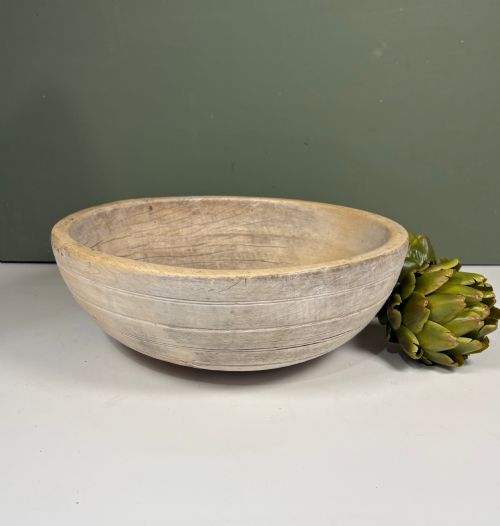
The crispness of turned rings on wooden pieces and the even coverage of lead or slip glazes on ceramics indicate the maker's skill. Depth, diameter, and the balanced weight of the walls separate everyday utilitarian items from more substantial vessels.
Antique Dairy Bowl Retail Price Guide 2026
Typical asking prices for dairy bowl among the pieces listed under this phrase on Sellingantiques today, from the lower quarter to the upper quarter. They describe what is for sale here now, not the wider market.
Copeland·Doulton
The Antique Dairy Bowl Glossary
- Treen
- Small handmade wooden household objects and utensils. This category covers turned bowls, ladles, and scoops shaped by rural artisans.
- Dairy bowl
- A wide, shallow vessel used on farms for setting milk to rise. The broad surface allowed cream to separate efficiently before skimming.
- Slip glaze
- A liquid clay mixture applied to pottery before firing to provide a smooth, sealed surface. It often creates a rich, lustrous interior finish on utilitarian crocks.
- Pole-lathe
- A traditional woodworking device operated by a foot treadle and flexible branch. It allows craftsmen to turn green wood into round vessels.
- Patina
- The deep surface sheen developed through age, handling, and frequent scrubbing. It reveals the long history of use on wood and ceramic.
Antique Dairy Bowl: Frequently Asked Questions
What was an antique dairy bowl used for?
These vessels served a central role in nineteenth-century dairies by holding fresh milk. Their wide, shallow profiles allowed cream to rise naturally to the top so dairymaids could skim it off easily for butter-making.
Beyond dairy work, households employed them for general food preparation, mixing, and storage. Their generous diameters made them practical workhorses in busy country kitchens.
How do I care for a wooden dairy bowl?
Wood requires gentle treatment to prevent splitting and to protect the historic surface. Clean them with a damp cloth rather than soaking them in water, and keep them away from direct heat sources.
Applying a light coat of food-safe mineral oil periodically helps nourish dry timber without harming the original patina. Treating the wood with care preserves the tool marks left by early turners.
How can I tell wood from ceramic bowls?
Wooden vessels are turned from hardwoods like sycamore or elm, showing natural grain patterns, growth rings, and occasional pole-lathe marks. They feel lighter in the hand and display the warm friction of historic use.
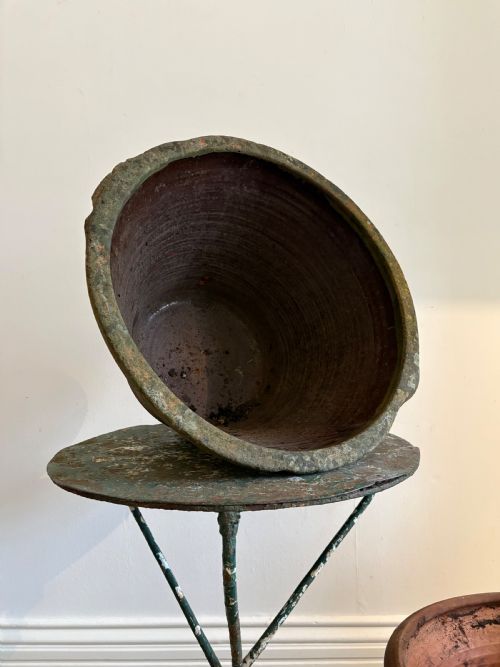
Ceramic examples utilise earthenware, terracotta, or stoneware bodies covered in glazes. These pieces are heavier, rigid, and impervious to liquids thanks to their fired mineral coatings.
Where should I display these bowls at home?
Their broad proportions make them striking centrepieces on large dining tables or kitchen islands. You can leave them empty to showcase the turned timber grain or interior glazes.
Smaller bowls suit open shelving, sideboards, or entryways where they can hold everyday items. Their rustic presence anchors modern interiors with a strong link to traditional craftsmanship.