


19th Century Terracotta Pot
A 19th century terracotta pot brings garden urns, confit jars and chimney pots into domestic and outdoor spaces with earthen warmth.
19th Century Terracotta Pot
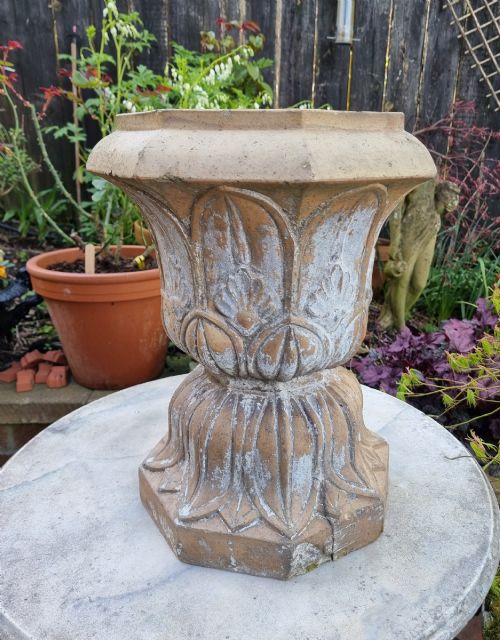
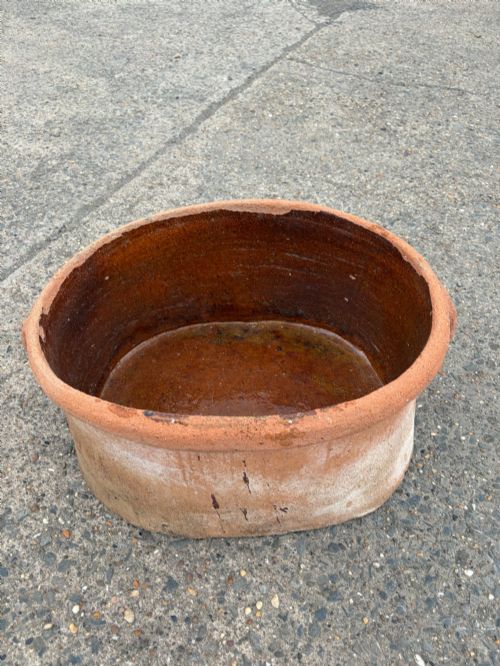
When you search for a 19th century terracotta pot, you encounter an array of utilitarian vessels designed for gardens, dairies and kitchens, including garden urns, planters, confit pots and chimney pots.
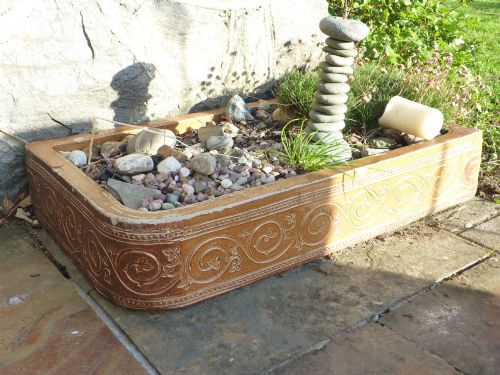
The versions most commonly met on this page span French, English, Scottish and Italian origins, taking forms from rustic troughs and salt-glazed window planters to large jardiniere bowls and dairy salters.
Materials and construction methods
Makers shaped these vessels from clay and earthenware, frequently employing salt glaze or green lead glaze to seal porous surfaces for food storage and planting.
Potters built larger garden urns and chimney pots by hand or with wheel throwing techniques, leaving naturalistic faux bois textures or smooth surfaces that acquire aged patinas over decades of weathering.
One nineteenth-century stoneware inkwell takes the surprising shape of a rugby ball.
Assessing quality in period pottery
Quality rests in the crispness of moulded details, such as naturalistic plant motifs or faux bois bark, and the depth of surface patination accumulated through weathering or use.
Balanced proportions in large garden urns and even coverage in green glazes on confit jars distinguish superior workshop output from standard utility wares.
Guichard Carriès
The 19th Century Terracotta Pot Glossary
- Confit pot
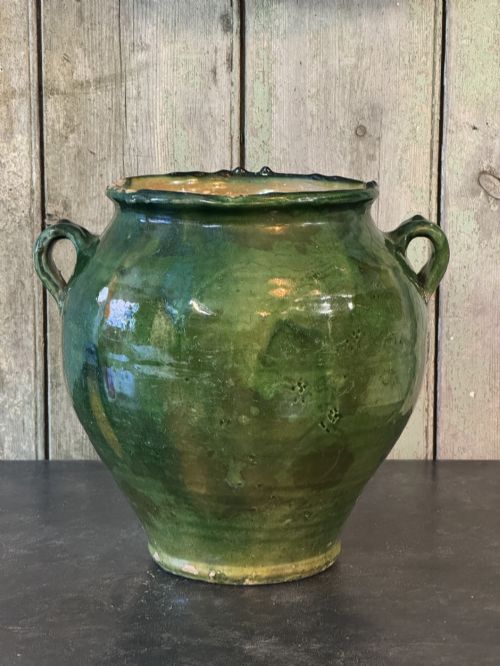
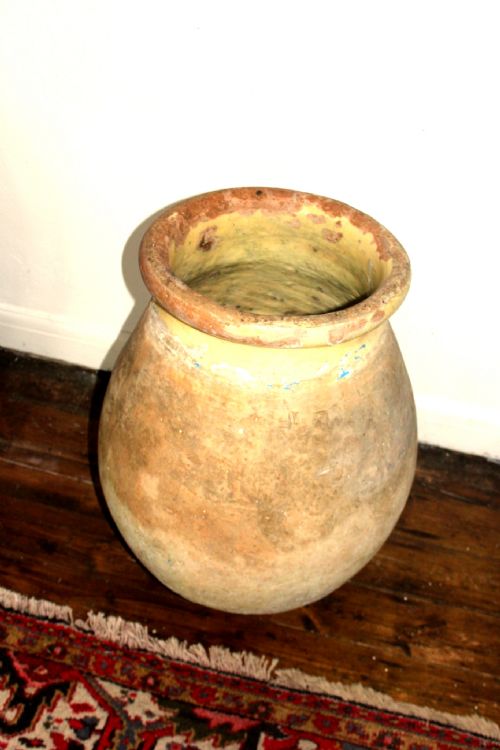
- A French earthenware jar featuring a glazed upper section and unglazed lower body, historically used for preserving confit meat. These vessels now serve as interior decorative planters.
- Faux bois
- A naturalistic artistic style imitating wood grain or tree bark in ceramic, stone or concrete. This technique appears on nineteenth-century strawberry planters and garden containers.
- Chimney pot
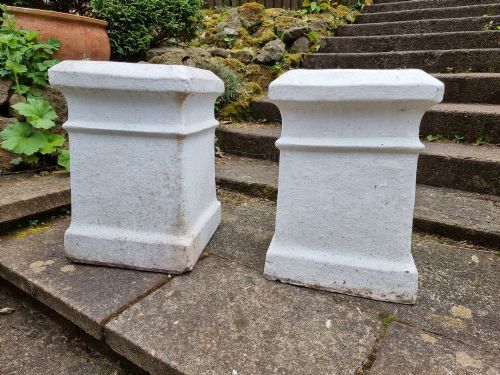
- An architectural terracotta or stoneware cylinder placed atop a chimney stack to improve draft. Examples often find new purpose as garden pedestals and tall planters.
- Salt glaze
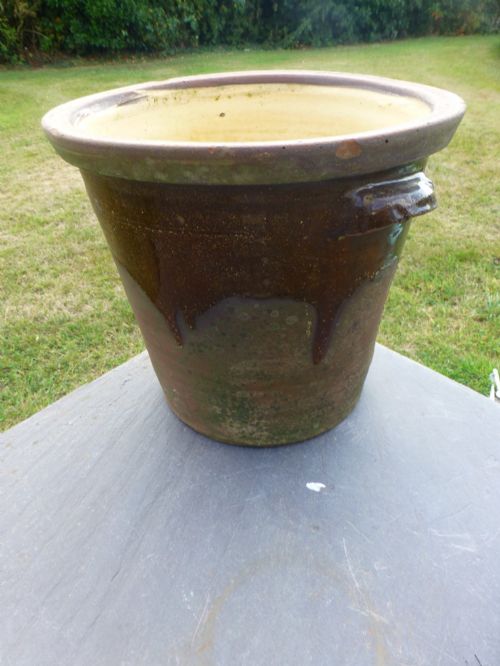
- A vitreous coating formed by throwing common salt into kiln fires at high temperatures, producing a textured, orange-peel finish on stoneware.
- Salter
- A heavy earthenware or stoneware crock used for preserving food with salt. These pieces feature thick walls and robust handles.
19th Century Terracotta Pot: Frequently Asked Questions
How were confit pots used?
Confit pots held preserved meats like duck or pork submerged in fat within domestic kitchens.
The glazed interiors kept contents secure while the unglazed lower portions helped maintain cool temperatures in cellars and larders.
Can antique terracotta stay outside?
Many of these vessels functioned outdoors as garden urns, troughs and chimney pot planters during the Victorian era.
Severe frost can damage porous earthenware, so storing delicate pieces indoors during freezing winter months preserves the material.
What is salt-glazed stoneware?
Salt-glazed stoneware results from introducing salt into kiln fires at peak temperatures, creating a durable glossy finish.
This chemical reaction bonds silica in the clay with sodium vapour, producing an impermeable surface ideal for dairy salters and window troughs.
How do I date a terracotta pot?
Dating relies on identifying potting techniques, tool marks, glaze formulations and wear patterns consistent with nineteenth-century manufacturing methods.
Chimney pots and garden urns often display specific architectural proportions and regional clay colours typical of 1850 to 1910 production.