



Antique Glazed Crock
An antique glazed crock is a utilitarian vessel built for utility and preservation, offering tactile history and honest kitchen character.
Antique Glazed Crock
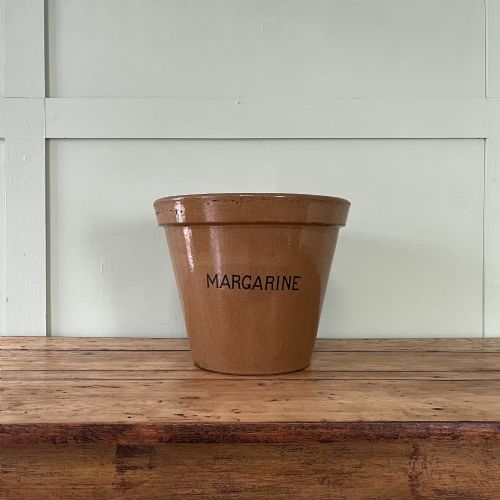
When you search for an antique glazed crock, you encounter heavy kitchenalia and storage vessels spanning the eighteenth, nineteenth, and early twentieth centuries. These utilitarian pieces encompass diverse regional forms, from West Country salters to French confit pots.
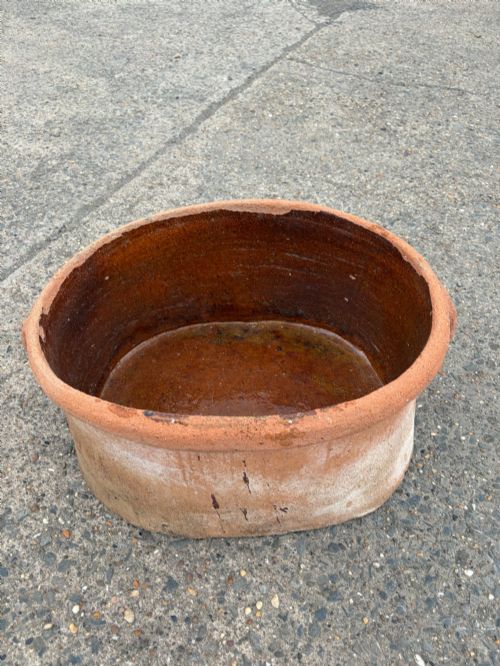
Rural utility dictates the forms, bringing heavy earthenware and glazed terracotta into domestic spaces where they once served preservation and storage needs. Buyers find practical kitchenware that doubles as rustic decor, maintaining the simple integrity of vernacular design.
Materials and construction
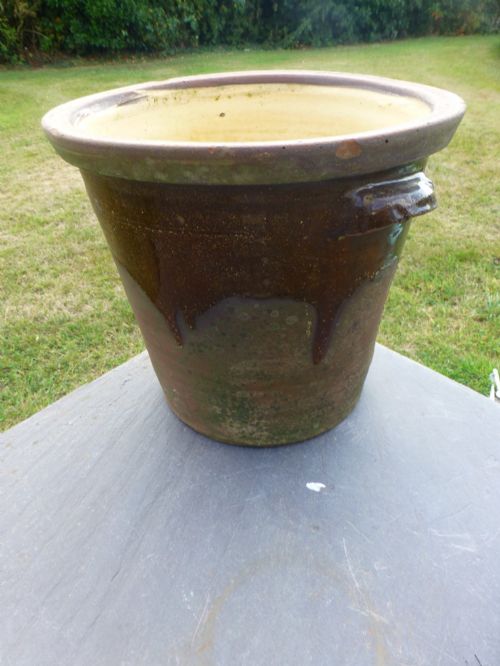
Potters shaped these vessels from heavy local clays, earthenware, and robust stoneware designed to withstand daily agricultural and domestic demands. Natural mineral glazes were applied to the interior and exterior surfaces to ensure the clay bodies remained completely impermeable to liquids and food stores.
Firing took place in traditional kilns, producing dense, hardwearing ceramic walls that protect the contents from moisture and pests. The resulting surfaces display the subtle imperfections of hand-thrown or mould-formed execution, showing characteristic runs and pooling in the salt or alkaline glazes.
Antique Glazed Crock Retail Price Guide 2026
Typical asking prices for glazed crock among the pieces listed under this phrase on Sellingantiques today, from the lower quarter to the upper quarter. They describe what is for sale here now, not the wider market.
Listings feature nineteenth-century items predominantly, incorporating earthenware, stoneware, and terracotta forms from Britain and France.
Assessing quality and character
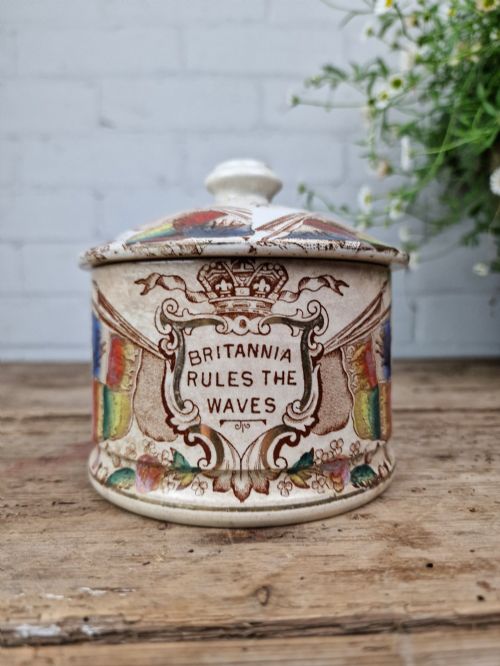
The distinction between standard utility items and superior pieces rests upon the crispness of applied maker stamps, clarity of form, and depth of glaze. Highly regarded examples retain legible merchant inscriptions, patent details, or regional stamps that connect the vessel to specific makers or taverns.
Weight and balance also define the upper tier of these pieces, alongside the harmonious application of salt or slip glazes. Well-preserved surfaces with minimal kiln-stacking marks and rich, even coloration command greater interest from collectors of domestic heritage.
The Antique Glazed Crock Glossary
- Stoneware
- A dense, vitreous ceramic fired at high temperatures until the clay body vitrifies and becomes non-porous. It provides superior strength for storage vessels.
- Slipware
- Earthenware decorated with a liquid clay slip before firing, often creating simple trailed or brushed patterns beneath a clear glaze.
- Salt Glaze
- A glossy, textured finish created by throwing common salt into the kiln during high-temperature firing, resulting in an orange-peel texture.
- Terracotta
- Porous, brownish-red fired clay utilised for horticultural planters, dairy crocks, and utilitarian vessels requiring breathability.
- Kitchenalia
- Utilitarian objects and domestic implements used in food preparation and preservation during past centuries.
Antique Glazed Crock: Frequently Asked Questions
What were antique glazed crocks used for?
These vessels served essential domestic and agricultural roles, primarily storing butter, salt, pickles, and dry goods. Their impermeable walls kept perishables safe from moisture and contamination in pantries and dairies.
Larger versions accommodated liquids, brewing, or specialised tasks like water filtration and turtle soup storage in tavern settings. Today, they transition easily into decorative planters or rustic kitchen storage.
How do I clean an antique glazed crock?
Wash the vessel gently using warm water and a mild dish soap, avoiding harsh chemical cleaners or abrasive scouring pads. Soft cloths or sponges protect the historic glaze surfaces from scratching.
Allow the porous earthenware or stoneware to dry thoroughly after washing, particularly if the glaze shows hairline crazing. Avoid submerging unglazed portions in standing water for extended periods.
How can I date an antique glazed crock?
Examine the weight, clay body, and glaze characteristics, as nineteenth-century pieces typically feature heavier stoneware or terracotta bodies with salt glazes. Stamped merchant names, patent details, or specific regional forms provide definitive clues to the manufacturing era.
Hand-thrown potting marks, potting lines, and historical wear patterns further indicate whether a piece originates from the eighteenth, nineteenth, or early twentieth century.
Are these crocks safe for food use?
Historic glazes from the eighteenth and nineteenth centuries frequently contain lead or other heavy metals, making them unsuitable for modern food consumption. Micro-cracks in the glaze can also harbour bacteria over time.
Displaying these vessels as dry storage, decorative accents, or plant holders ensures safety while preserving their historic integrity.