
Vintage Earthenware Vessel
A vintage earthenware vessel brings tactile warmth to a room, holding centuries of utility and studio craft within its porous clay walls.
Vintage Earthenware Vessel
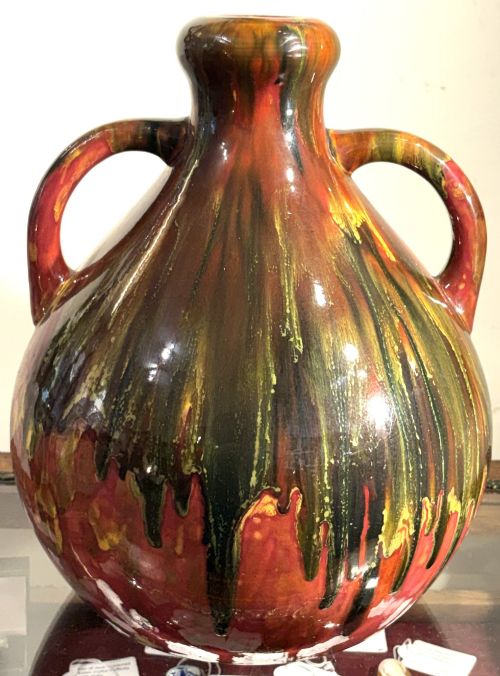
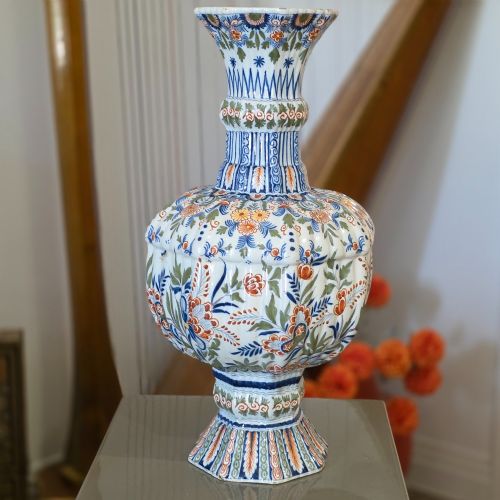
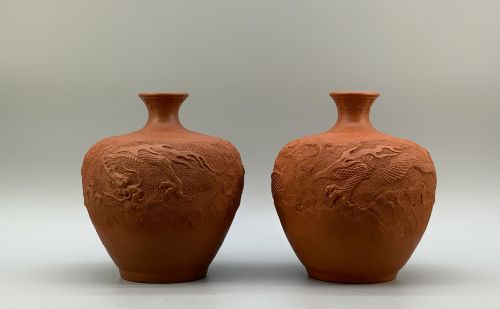
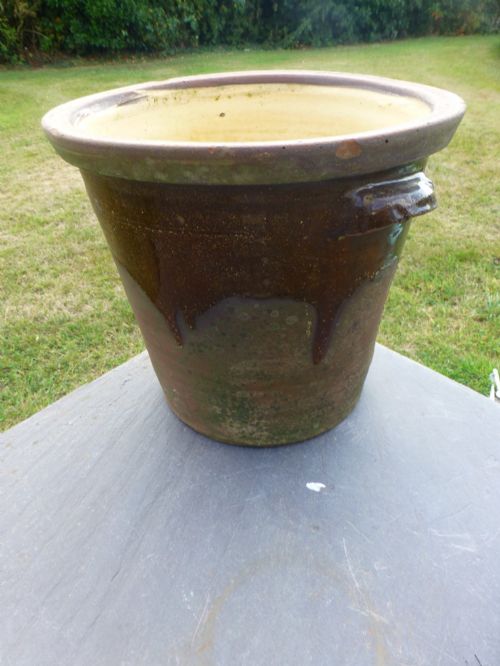
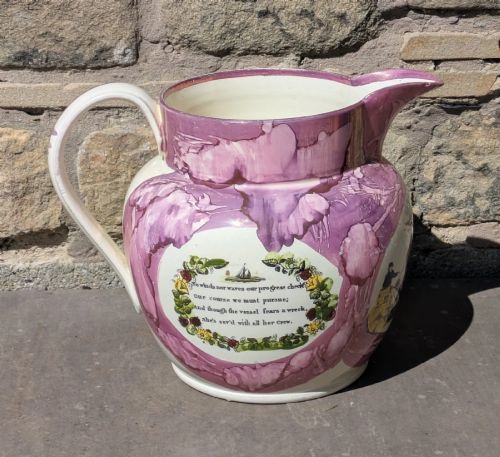
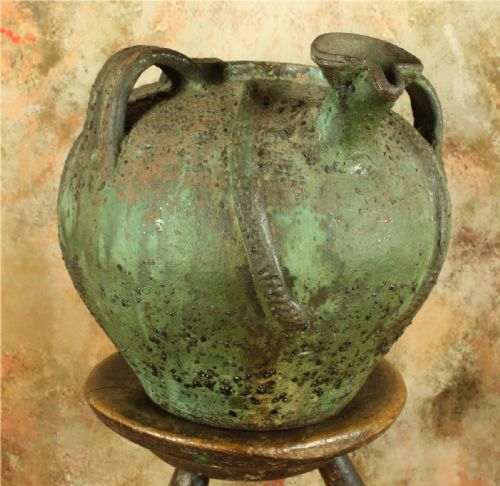
When you search for a vintage earthenware vessel, you encounter a broad family of utilitarian and decorative ceramics spanning multiple centuries and origins. The selection includes everything from large French confit jars and dairy salting crocks to decorative Japanese Satsuma vases and English slipware jugs.
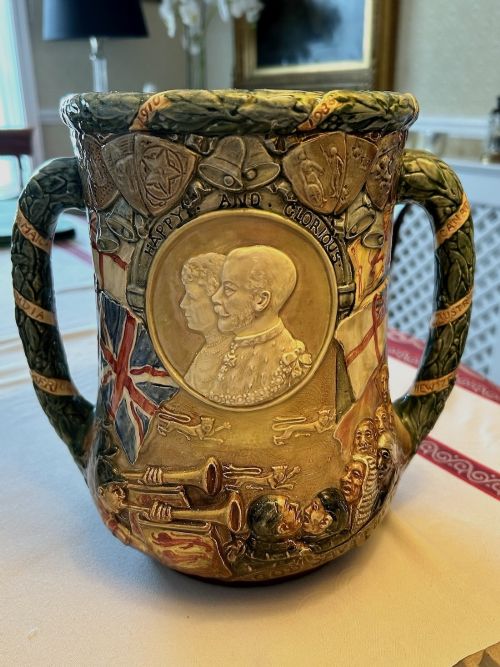
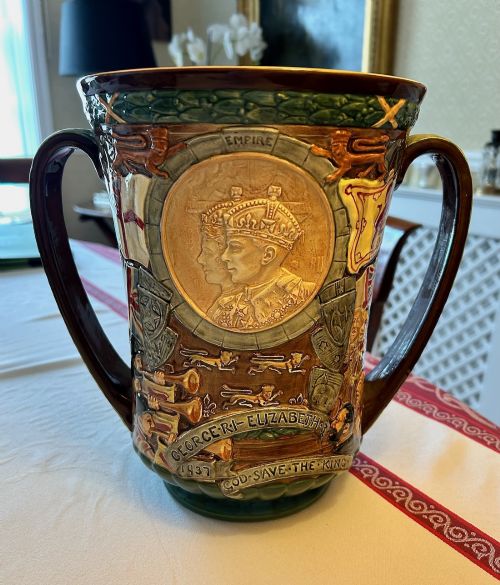
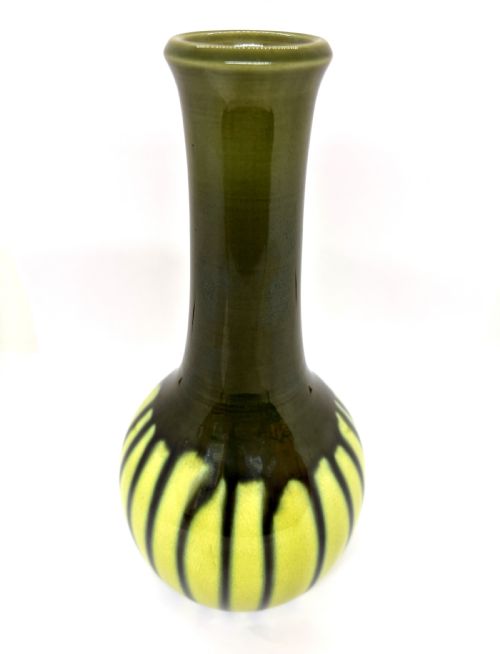
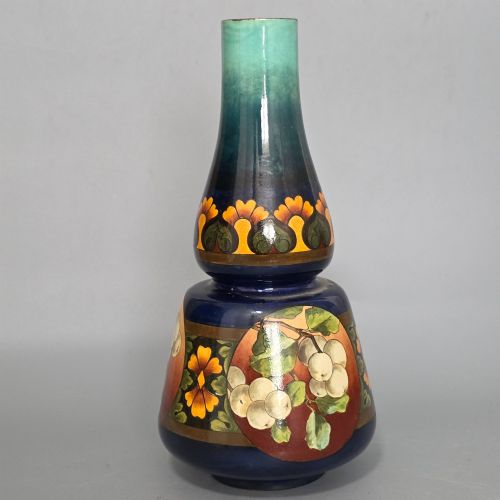
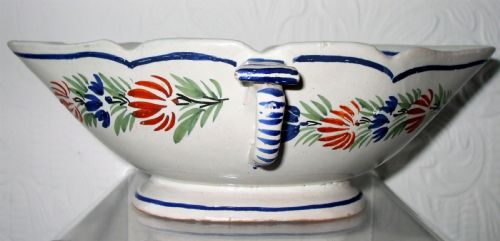
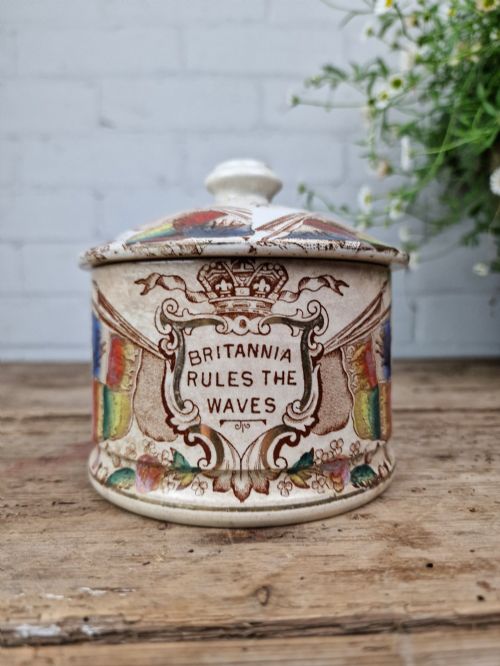
The versions you meet most frequently on this page originate from the nineteenth and early twentieth centuries, reflecting both rural domestic use and urban aesthetic movements. Forms range from utilitarian storage jars and oil pots to commemorative loving cups, albarelli, and art pottery vases.
Makers and regional potteries from England, France, Germany, and Japan dominate the available inventory, bringing distinct regional styles such as Arts and Crafts, Art Deco, and Victorian countryware into domestic spaces.
How they were made
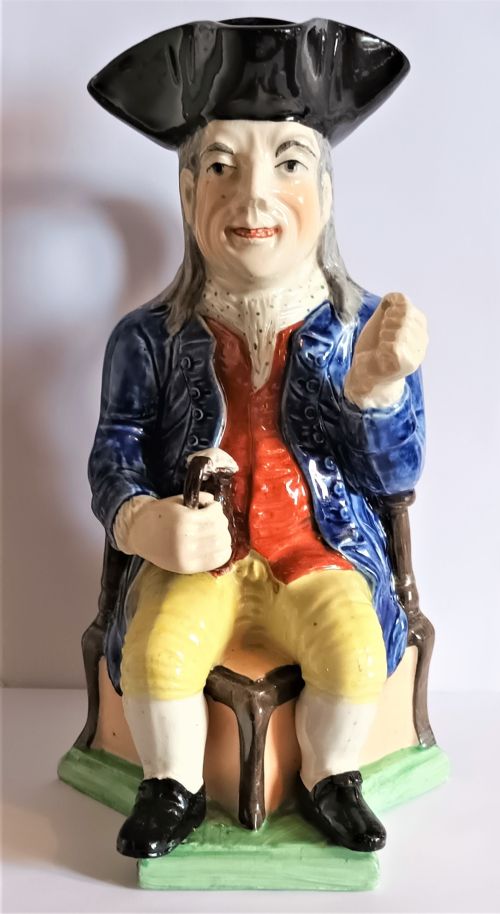
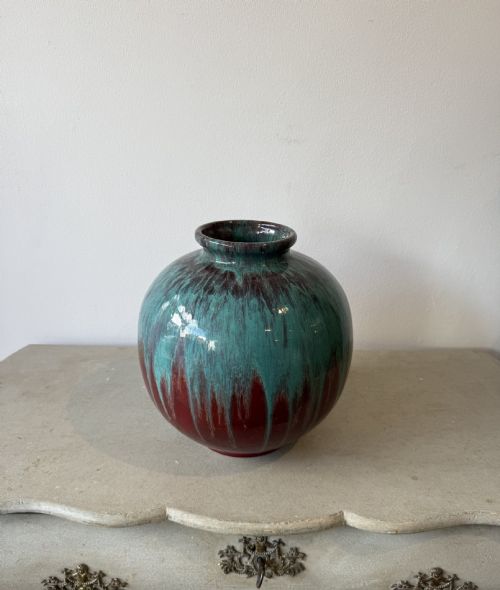
Potters shaped these vessels primarily from local clays, terracotta, and earthenware, often applying glazes, enamel, or salt to seal the porous bodies. Many pieces show hand-thrown wheel marks or press-moulded construction, complemented by applied details such as handles, loop grips, and sculptural figures.
Decoration techniques vary widely across the selection, encompassing hand-painted motifs, slip trailing, transfer printing, and intricate gold leaf accents seen on Japanese Satsuma and Meiji period wares.
Listings feature earthenware, stoneware, and terracotta forms spanning the eighteenth, nineteenth, and early twentieth centuries.
What varies in quality
The standard of a vintage earthenware vessel rests upon the crispness of its form, the control of the kiln firing, and the precision of the hand-painted or glazed decoration. Master potteries and named artists achieve a finer balance between structural weight and delicate surface detail.
Condition and originality dictate much of the standing within this range, particularly the preservation of early glazes, hand-painted pigments, and applied handles without intrusive restoration.
Royal Doulton·Burmantoft's Pottery·Doulton Lambeth·Tokyo Taizan·Kinkozan Kyoto
The Vintage Earthenware Vessel Glossary
- Earthenware
- Porous pottery fired at lower temperatures than stoneware, requiring a glaze to hold liquids. It represents one of the oldest and most widespread ceramic traditions.
- Terracotta
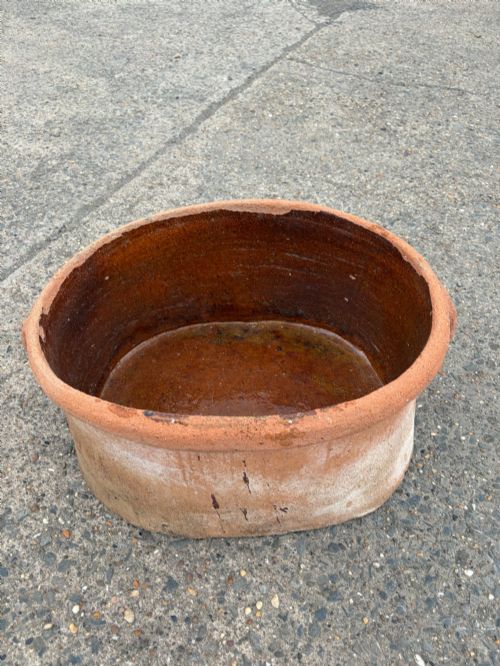
- Unglazed or clear-glazed brownish-red earthenware fired in a kiln. It is frequently utilised for larger garden pots, oil jars, and dairy crocks.
- Slipware
- Pottery decorated with slip, which is a liquid mixture of clay and water, applied before firing to create linear patterns or trailed designs.
- Albarello
- A type of majolica earthenware jar originally used by apothecaries to store drugs and ointments. Its characteristic hourglass shape allowed pharmacists to grip and stack the vessels easily.
- Faience
- European tin-glazed earthenware, particularly associated with French and Italian production. The opaque white glaze serves as a smooth canvas for painted decoration.
Vintage Earthenware Vessel: Frequently Asked Questions
Are these vessels safe for holding water?
Many historical earthenware and terracotta pieces were made for storage or dry goods rather than holding water continuously. Over decades, porous clay and hairline fissures can allow moisture to seep through to furniture surfaces.
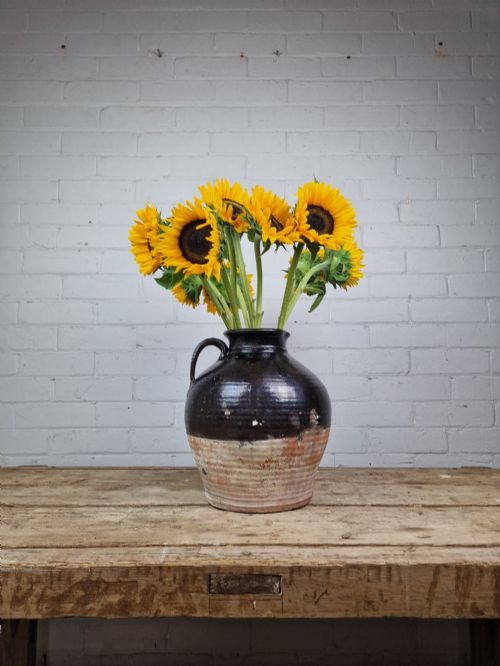
If you plan to use a vintage vase for fresh flowers, place a discreet glass or plastic liner inside the vessel. This protects the historic interior from mineral deposits and water damage.
How can I tell an 18th-century vessel from a 19th-century one?
Earlier pieces from the eighteenth century often display heavier potting, irregular iron-spotting in the clay, and hand-mixed glazes typical of regional workshops. Foot rims on older pieces are frequently hand-trimmed with distinct tool marks rather than mass-produced uniformity.
Nineteenth-century production introduced more refined industrial bodies like ironstone and pearlware, alongside standardised mould-marking and registration numbers. Examining the base and the wear patterns around the foot gives strong clues to the era of manufacture.
Where should I display heavy terracotta or ceramic jars?
Large confit jars, oil pots, and garden crocks command attention when placed directly on the floor in hallways, beside fireplaces, or in conservatory spaces. Ensure the flooring can support the substantial weight of the damp or dry clay.
Smaller decorative vases and jugs suit side tables, mantels, and bookshelves where their profile and glaze variations can be appreciated up close. Keep them away from high-traffic edges where accidental knocks might occur.