


Welsh Vernacular Antiques
Welsh vernacular antiques are utilitarian domestic pieces crafted from native timbers like oak, elm and pine, built to last for generations.
Welsh Vernacular Antiques
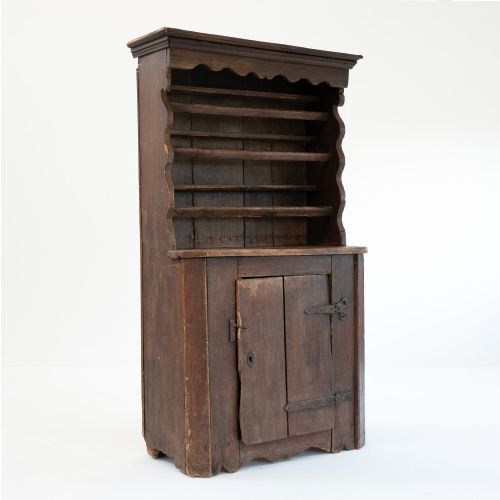
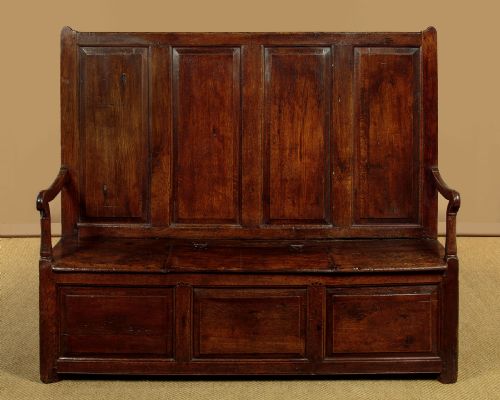
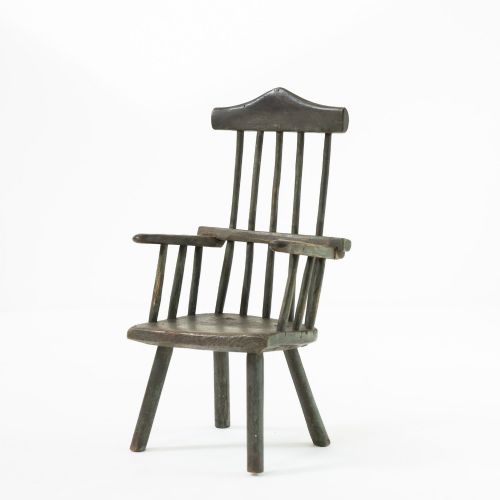
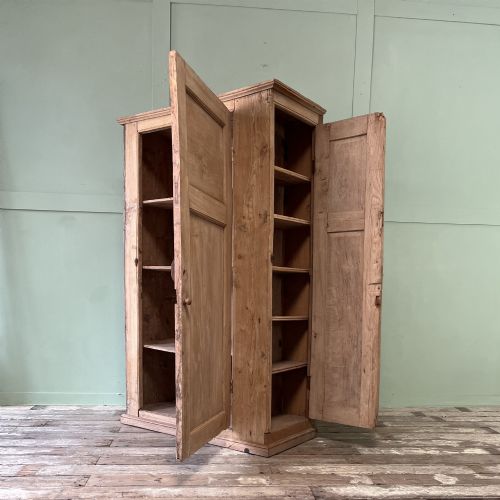
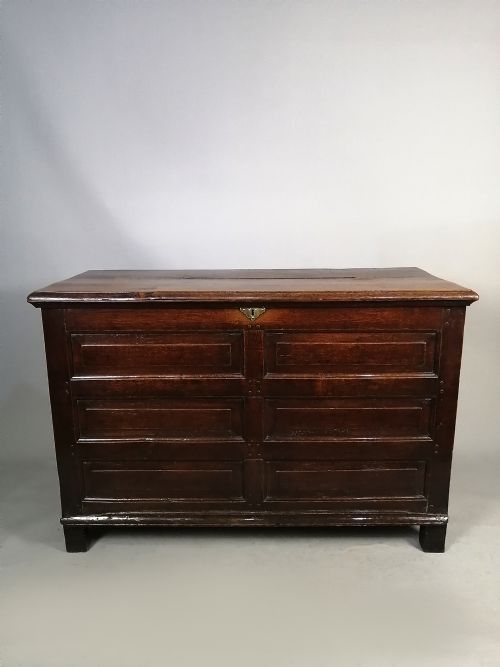
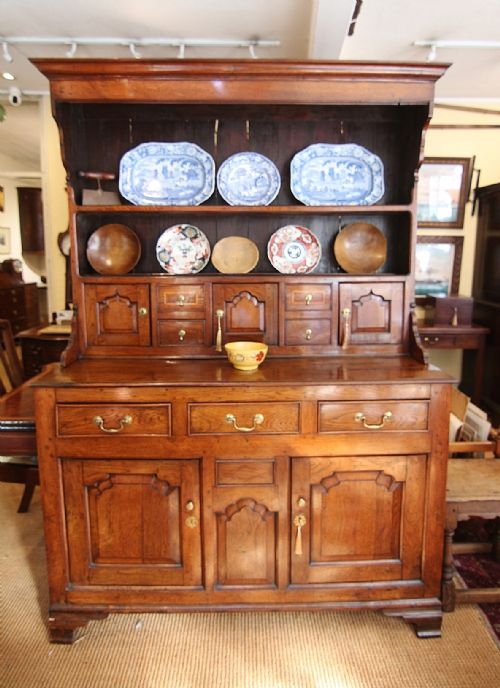
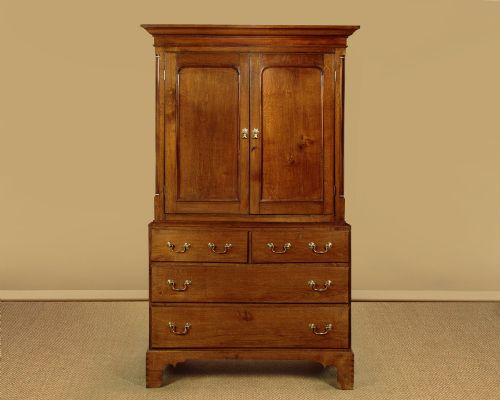
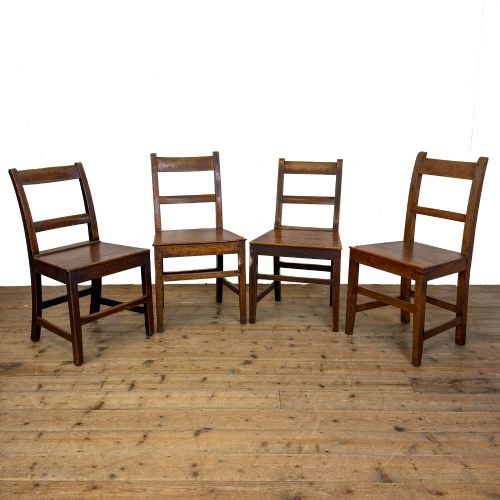
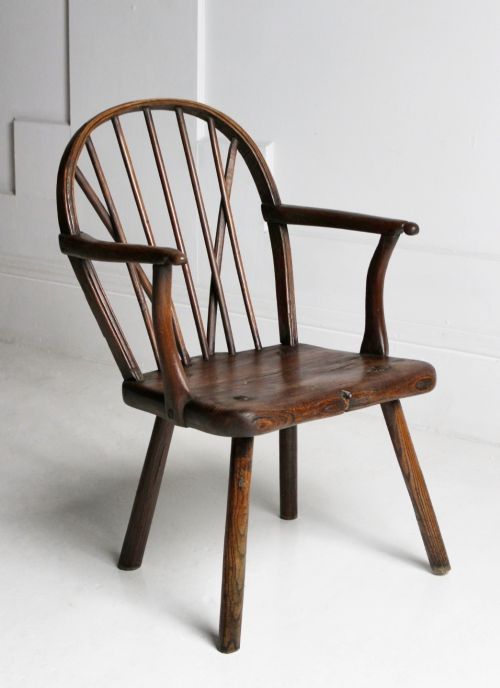
Dressers, food cupboards, box settles and primitive chairs dominate this category, often showing simple structural lines shaped by utility. A kitchen dresser or low press cupboard represents the core form likely to be seen on this page.
The aesthetic relies on proportion and timber figure rather than applied ornament. Regional traits distinguish items made in Snowdonia or Carmarthenshire from broader country styles.
Materials and Construction
Makers relied heavily on solid oak, supplemented by elm, ash, sycamore and pine for secondary elements or specific components like chair spindles. These native hardwoods and softwoods were worked using traditional hand tools, pegging joints together rather than relying on modern adhesives.
Surface finishes range from scrubbed natural timber to early painted schemes, wax coatings and polychrome decoration. Ironwork hardware, including hinges and hearth cranes, was forged locally by blacksmiths to support heavy doors and lids.
Listings feature items spanning the seventeenth, eighteenth and nineteenth centuries, constructed from oak, pine, elm, ash and wrought iron.
Assessing Quality
Quality rests upon the integrity of construction, the retention of original surface patination and the balance of proportions. Pieces that maintain their initial form without excessive timber replacement hold greater integrity.
The character of the wood itself, such as burr elm figuring or well-grained oak, elevates a simple form. Honesty of wear and untouched surfaces distinguish superior examples from heavily restored items.
The Welsh Vernacular Antiques Glossary
- Cwpwrdd Deuddarn
- A traditional Welsh two-tier cupboard featuring enclosed upper and lower sections. These substantial storage pieces often incorporate panelled doors and drawers.
- Tridarn
- A three-tier Welsh cupboard representing an elaboration of the deuddarn form. The open middle tier typically displays boarded backs and slender balusters.
- Coffor Bach
- A miniature coffer or chest designed to store small valuables, letters or linen. These small boxes frequently sit on bracket or turned feet.
- Box Settle
- A high-backed wooden seat incorporating a storage box beneath the hinged or lifting squab. This form provided draught protection in farmhouse kitchens.
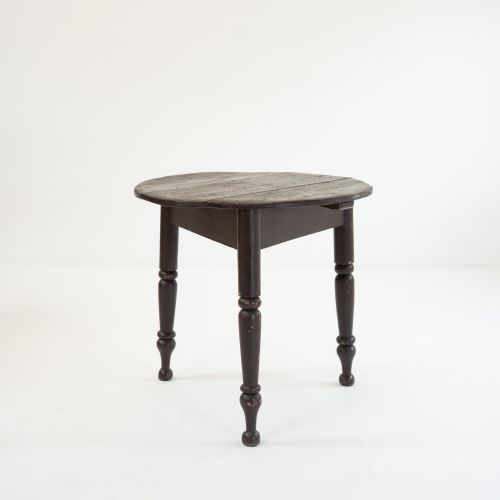
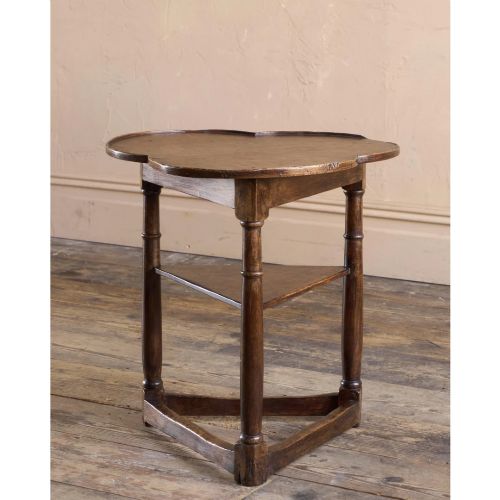
- Cricket Table
- A small, three-legged occasional table with a round top, stable on uneven flagstone floors. The splayed legs offer sturdy support in cramped rustic spaces.
Welsh Vernacular Antiques: Frequently Asked Questions
What defines welsh vernacular antiques?
These items comprise practical furniture and household objects made by regional joiners and country craftsmen for everyday domestic use.
They utilise native woods like oak, elm and ash, reflecting the architectural traditions and rural lifestyle of Wales over several centuries.
How were country dressers used?
Kitchen dressers served to store ceramic tableware, pewter and cooking utensils while displaying the household's best plates on open upper racks.
The lower base provided enclosed cupboard space or drawers for food and linens used during daily farm life.
How do I care for old oak furniture?
Keep wooden pieces away from direct heat sources and sudden temperature fluctuations to prevent timber shrinkage and splitting.
Apply traditional beeswax occasionally to nourish the surface and maintain the natural patina built up over generations.
How can I tell the age of a primitive chair?
Early seating often reveals hand-turned spindles, adzed seats and pegged joints that show tool marks from eighteenth-century or earlier manufacture.
Changes in timber choice, such as the shift from oak and ash to later pine, help distinguish nineteenth-century examples from earlier periods.