
Antique Cut Glass Bottle
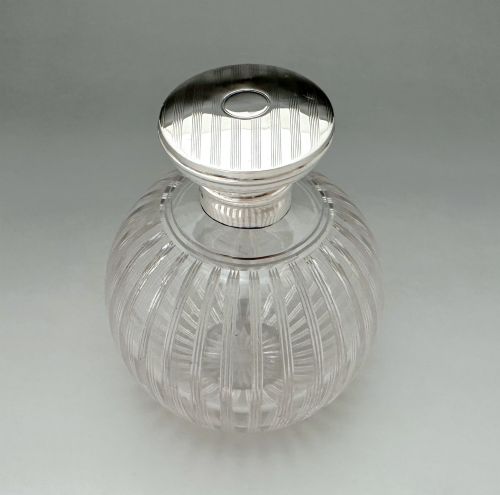
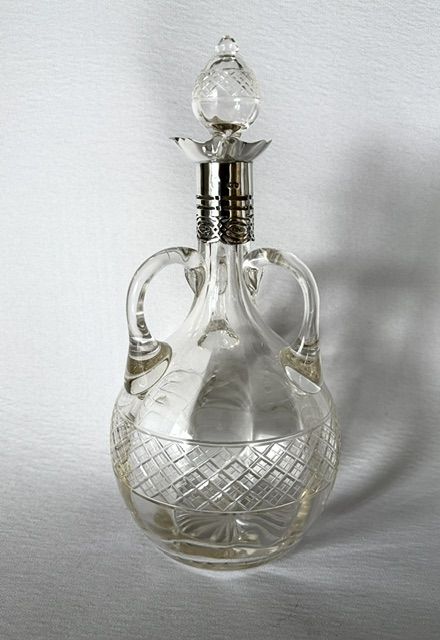
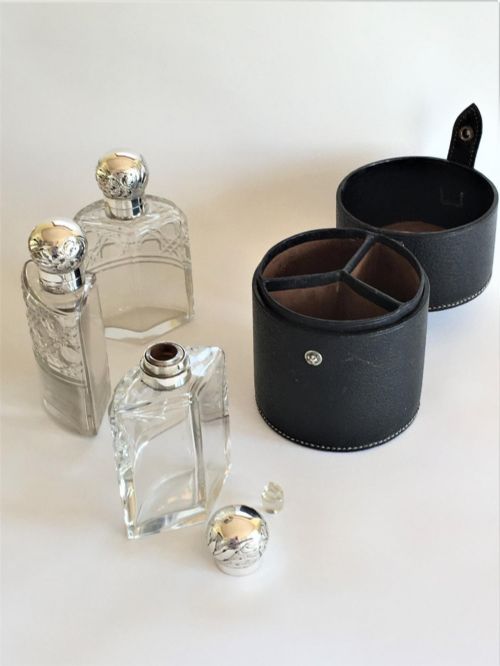
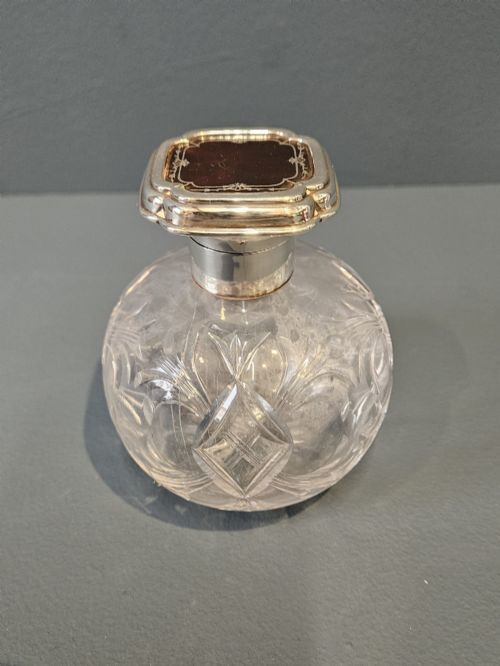
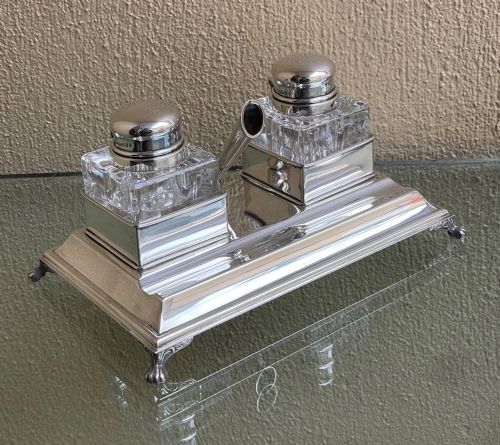
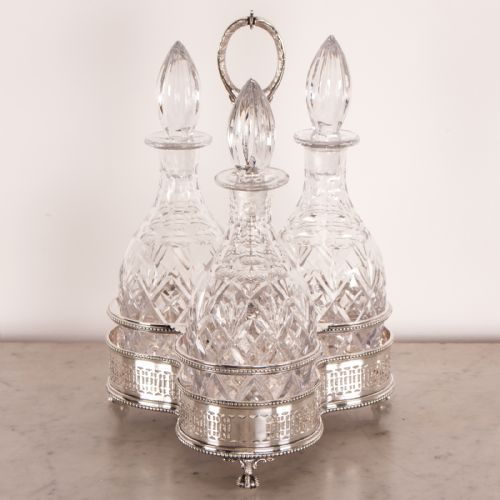
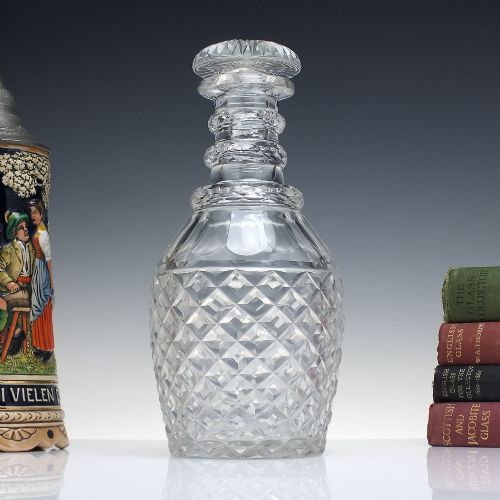
An antique cut glass bottle brings heavy hand-cut facets and precious metal mounts together, serving as a tactile piece of functional table or dressing table ware.
Antique Cut Glass Bottle
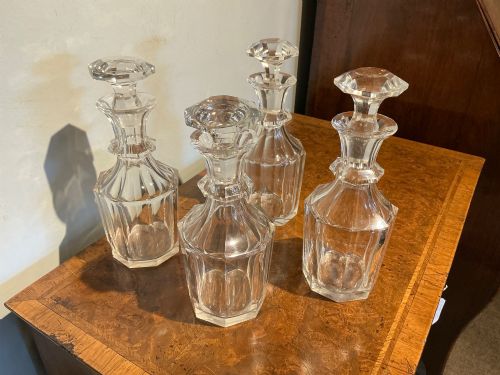
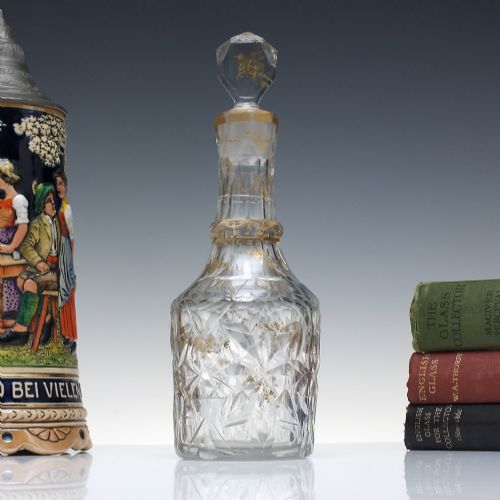
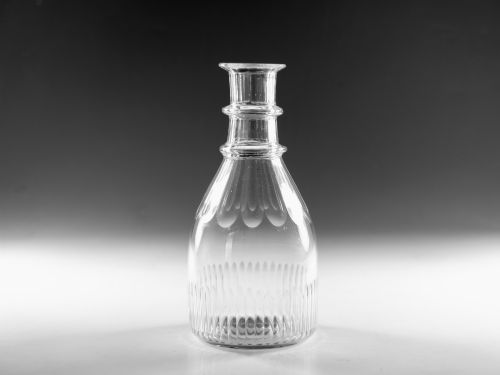
The category encompasses decanters, carafes, cruet bottles, and dressing table scent bottles spanning the Georgian, Victorian, and Edwardian eras. Buyers search for these items to find vessels defined by deeply ground geometric patterns, often fitted with sterling silver, silver plate, or gilt metal collars and stoppers.
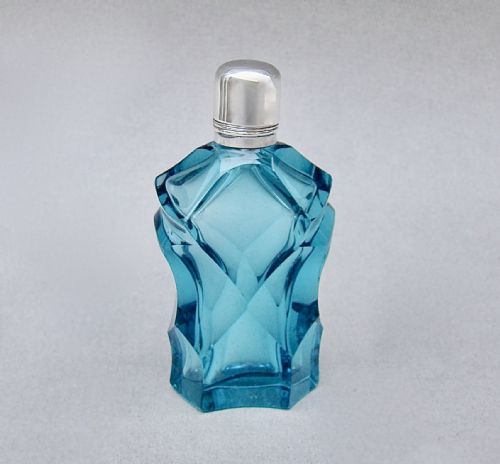
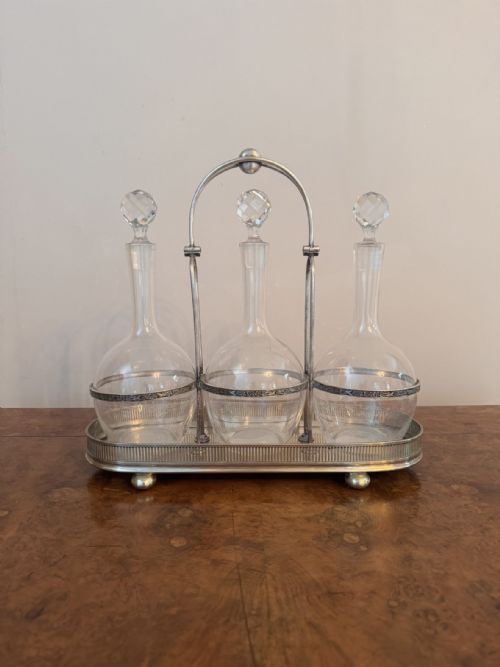
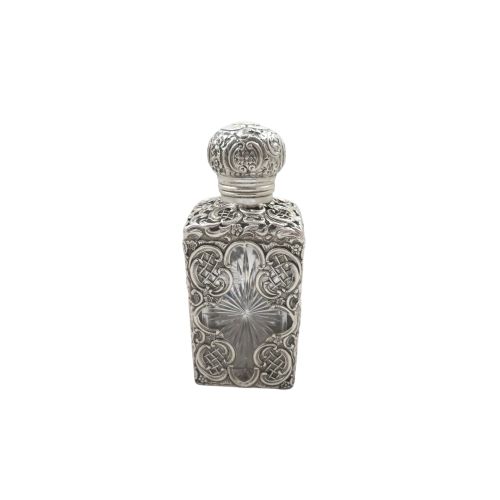
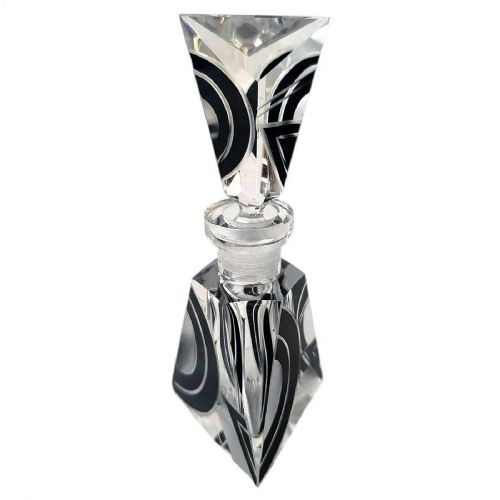
Vessels on this page range from tall wine decanters and liqueur sets to pocket-sized teal, cranberry, and blue overlay scent flasks. Many pieces combine lead crystal bodies with hallmarked silver mounts or hinged lids, reflecting domestic rituals of dining, perfumery, and hospitality from the eighteenth century into the twentieth century.
Materials and construction
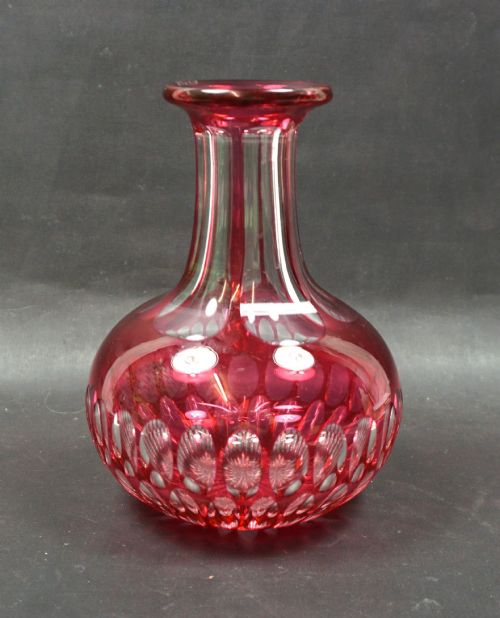
Makers shaped vessels from clear lead crystal and coloured glass, often employing layered overlay techniques where a rich surface tint like cranberry, cobalt, or green is cut back to reveal clear glass underneath. Heavy facet-cutting, fluting, and diamond patterns were ground by hand onto the raw glass before polishing.
Metal components such as sterling silver collars, hinged caps, and cruet stands were worked separately by silversmiths and fitted directly to the glass necks. Many pieces integrate supplementary media, including tortoiseshell, enamel, or ormolu mounts.
Listings feature Georgian, Victorian, and Edwardian periods, utilising clear lead crystal alongside coloured overlays and sterling silver mounts.
Assessing quality and execution
Excellence in an antique cut glass bottle relies on the crispness of the wheel-cut facets and the weight of the material. Sharp, distinct edges on the diamond points and deep, clean troughs indicate superior glass-cutting craftsmanship.
The integration of the metal mounts further separates standard production from finer examples. Tight-fitting sterling silver collars with clear hallmarks, original matching stoppers, and unblemished coloured overlays elevate the integrity of the piece.
James Giles·Walker & Hall·Harold Bushell & Co·Karl Palda·Henry Perkins
The Antique Cut Glass Bottle Glossary
- Cut Glass
- Glass shaped and decorated by holding it against a revolving abrasive wheel to grind deep facets and patterns into the surface. This technique produces sharp edges and high refractive brilliance.
- Overlay
- A manufacturing method where a layer of coloured glass is fused over a base of clear glass. The outer layer is then partially cut away to create contrasting colour patterns.
- Scent Bottle
- A small personal container designed for holding perfume or smelling salts, typically fitted with a secure stopper or a hinged metal lid. These items often feature silver or glass inner stoppers to prevent evaporation.
- Decanter
- A vessel designed for holding and serving wine or spirits, usually featuring a narrow neck and a heavy fitted stopper. Examples on this page appear in clear crystal as well as coloured glass.
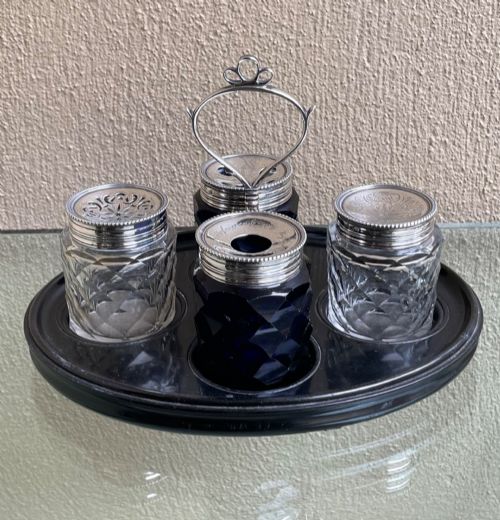
- Cruet Set
- A matched collection of small condiment bottles housed within a metal or wooden stand for table service. These sets frequently combine cut glass bottles with silver-plated frames.
Antique Cut Glass Bottle: Frequently Asked Questions
How do I date an antique cut glass bottle?
Dating relies primarily on the style of the cutting, the colour palette, and any associated metal hallmarks. Georgian and early nineteenth-century pieces often display chunky, hand-polished facets and heavy kick-up bases.
Later Victorian and Edwardian examples incorporate machine-honed precision, coloured glass overlays, and hallmarked sterling silver collars that provide exact assay office years.
Are original stoppers important?
Original stoppers maintain the visual harmony and completeness of the vessel. Because stoppers were ground individually to fit each specific neck, finding a matching replacement is notoriously difficult.
Collectors prioritize pieces retaining their original matching glass or silver-mounted stoppers, as mismatched replacements diminish both historical integrity and aesthetic balance.
What is overlay glass?
Overlay glass consists of a clear crystal body cased in a thin layer of intensely coloured glass, such as cranberry, cobalt blue, or emerald green. When the glasscutter grinds deep patterns through the outer layer, the clear material beneath is exposed.
This technique creates a striking two-tone contrast that became particularly popular during the Victorian and Edwardian periods for dressing table bottles.
How should I clean antique glass and silver?
Cleaning requires gentle handling to protect fragile antique glass surfaces and delicate metal mounts. Warm water and mild soap suffice for the glass interior, avoiding extreme temperature shifts that can cause cracking.
Silver collars and hinged lids should be polished carefully with a soft cloth, keeping polishes away from the glass and any enclosed paper labels or historic residues.