
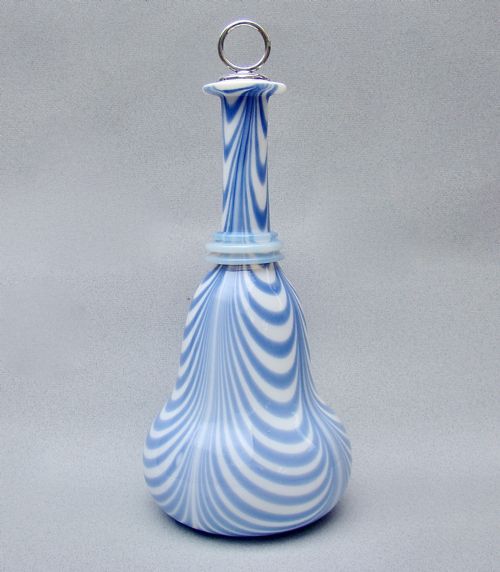


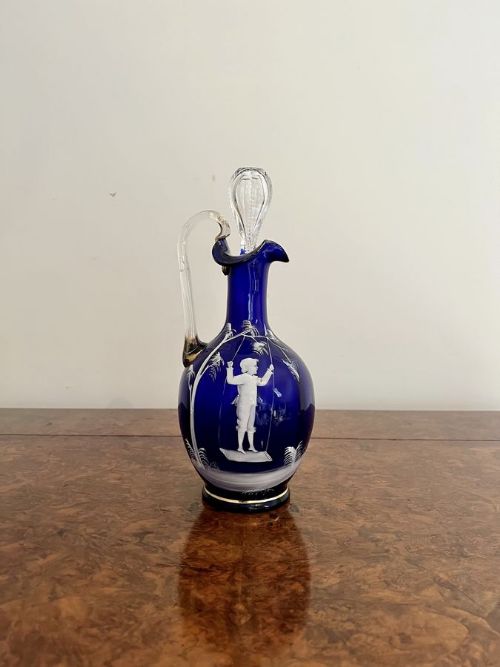
Blue Glass Carafe Bottle
These blue glass carafe bottle pieces bring rich cobalt tones and hand-blown form to the table, offering a striking display of nineteenth and twentieth-century craftsmanship.
Blue Glass Carafe Bottle
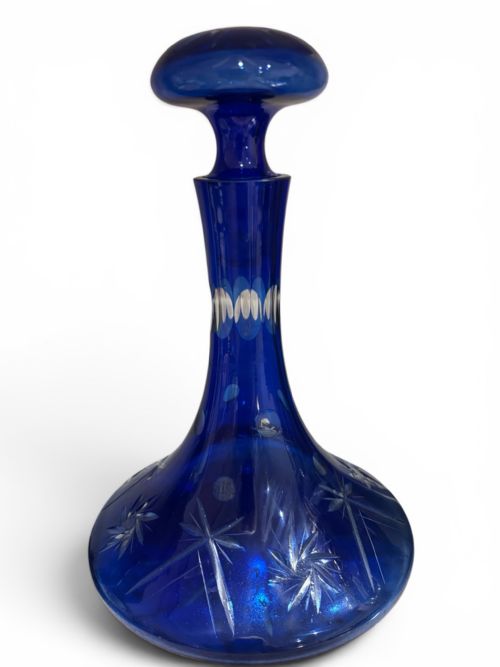
A blue glass carafe bottle combines deep cobalt or Bristol blue hues with practical serving forms spanning the Georgian, Victorian, and Art Deco periods. Buyers searching this phrase encounter items primarily designated as decanters, serving bottles, and wine carafes made from coloured glass.
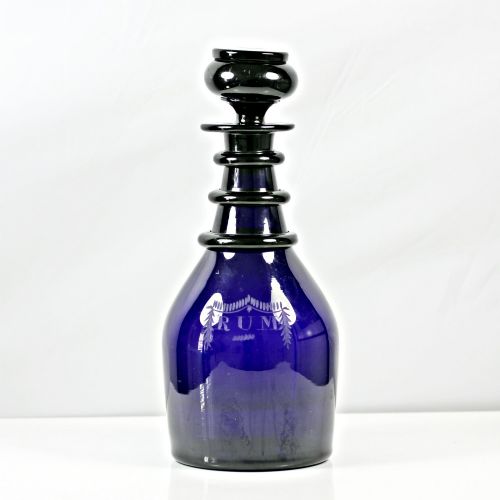
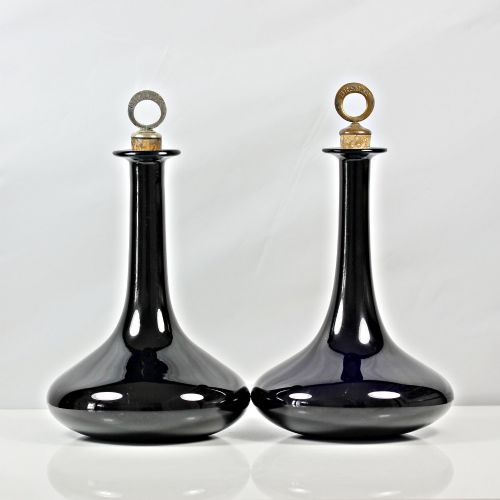
Victorian examples dominate the listings, often displaying characteristic hand-blown qualities such as pontil marks and rich coloration. Buyers frequently find pieces paired with silver plate, cork, or metal mounts, alongside enameled and hand-painted surface decoration.
How they were made
Makers utilised free-blown and mold-blown glass techniques to shape the cobalt and Bristol blue material, frequently incorporating applied rings and hand-formed necks. The resulting vessels display the characteristic bubbles and thickness associated with nineteenth-century glasshouses.
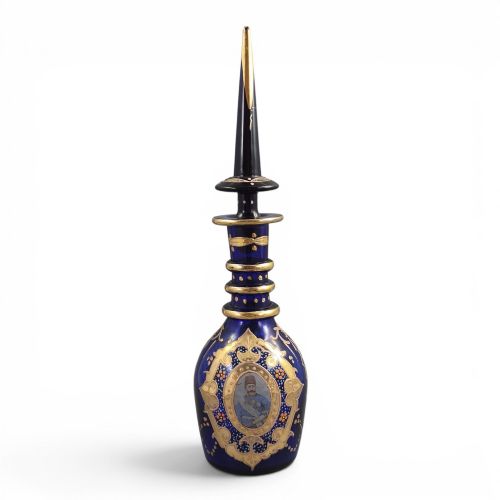
Decoration involved several distinct methods, including surface enamelling, delicate gold leaf application, and hand-painted details seen on Bohemian and Georgian specimens. Certain vessels incorporate fitted metal or silver plate mounts around the neck to secure cork stoppers.
Some Victorian wine bottles secretly harbour a penchant for Persian tea markets via adventurous Bohemian export routes.
What varies in quality
The distinction between standard production and superior execution rests upon the depth of the cobalt colour, the crispness of applied glass rings, and the precision of hand-painted or enameled motifs. Superior examples maintain intact gilding and clear, vibrant glass free from dullness.
Fittings and mounts further differentiate the pieces, where integrated silver plate or marked metal collars contribute to the overall refinement of the serving bottle.
The Blue Glass Carafe Bottle Glossary
- Bristol Blue
- A deep, vibrant cobalt blue glass historically produced in the Bristol area during the eighteenth and nineteenth centuries. This intense coloration became highly popular for decanters and serving bottles.
- Mell Decanter
- A specific bottle shape featuring a wide body tapering toward the neck, commonly utilised in Scottish and English domestic settings for wine and spirits during the Georgian and Victorian eras.
- Pontil Mark
- A rough scar left on the base of a hand-blown glass vessel where the pontil rod was detached after shaping. Its presence indicates traditional hand-crafting methods.
- Qajar Era
- A historical Persian period associated with Bohemian export glass specifically decorated to suit Middle Eastern aesthetic preferences with heavy enamelling and gilding.
Blue Glass Carafe Bottle: Frequently Asked Questions
What is a blue glass carafe bottle used for?
These vessels were originally manufactured to serve wine, spirits, and water at the dining table, utilising deep cobalt glass to protect light-sensitive contents.
Today, collectors employ them as decorative display objects or continue to use them for serving beverages during formal meals.
How do I identify a Victorian blue glass carafe bottle?
Victorian examples typically exhibit characteristic hand-blown traits such as pontil scars on the base, applied glass neck rings, and deep Bristol blue coloration.
Many of these pieces also feature period additions like silver plate mounts, cork stoppers, or hand-painted enamel decoration.
What is the difference between a decanter and a carafe?
Decanters generally include fitted stoppers and heavier glass bodies designed for storing and pouring aged spirits or wines.
Carafes tend to have open necks intended for immediate table service, though historical terminology often overlaps in antique listings.
How should I clean antique blue glass?
Cleaning requires lukewarm water and mild soap, avoiding harsh scrubbing brushes or sudden temperature changes that might fracture old glass.
Enamelled and gilt surfaces demand particular care to preserve the hand-painted details applied during manufacture.