








Antique Curule Stool
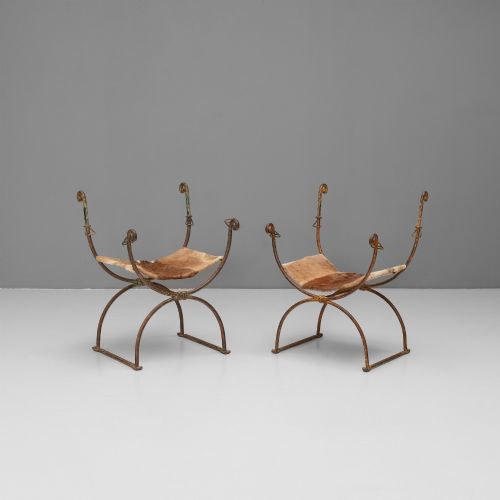
An antique curule stool brings ancient Roman authority into a nineteenth-century interior through its distinctive intersecting frame.

Antique Curule Stool
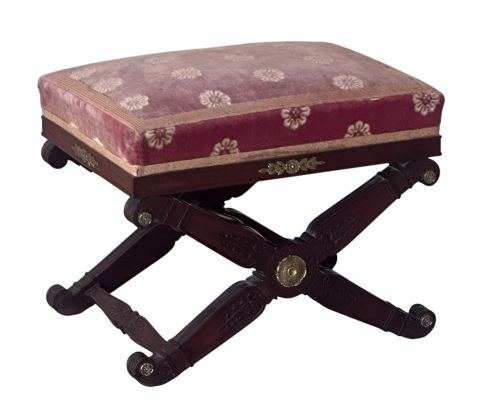
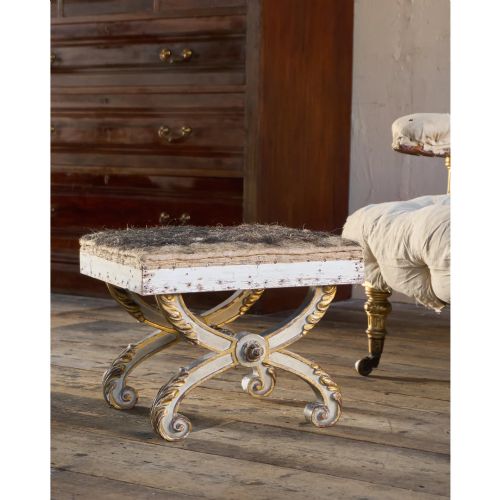
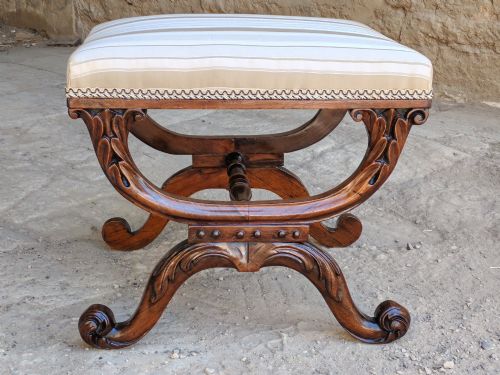
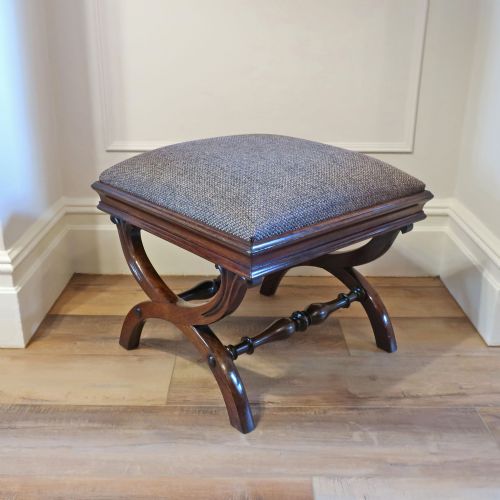
An antique curule stool takes its form from the X-shaped folding chairs of Roman magistrates, reinterpreted across nineteenth-century periods from Regency to Edwardian. You encounter these pieces most frequently as mahogany, walnut, or rosewood frame stools and window seats with upholstered or beadwork seats.
The selections span stylistic revivals including French Empire, Neoclassical, and William IV, alongside iterations labelled simply by nineteenth-century decades. Makers such as Miles & Edwards and Harry and Lou Epstein produced these distinctive cross-frame forms.
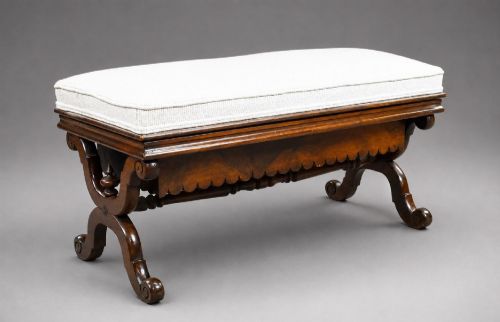
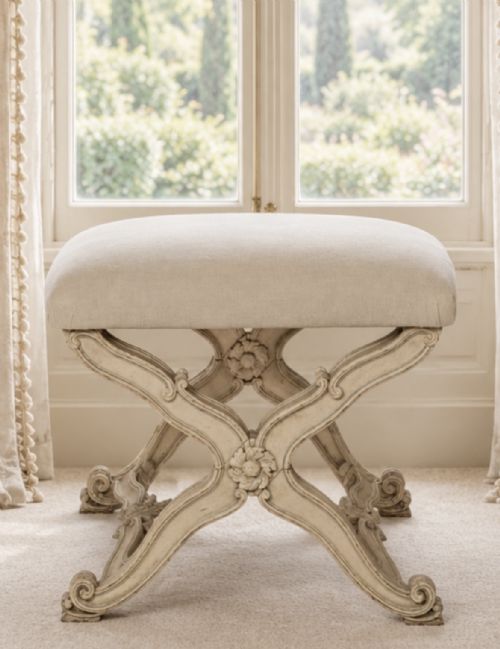
Forms extend beyond simple footstools to encompass larger window seats, piano stools, and dressing stools. The defining structural characteristic remains the opposing curved legs crossing to form the central X-frame.
How they were made
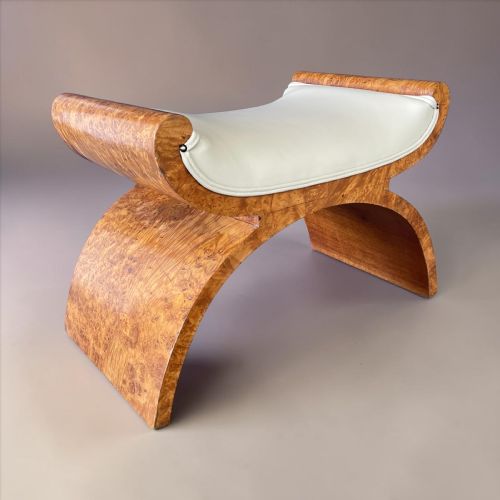
Cabinetmakers constructed the primary frames using dense timbers such as mahogany, walnut, rosewood, and satinwood, often accentuating the structure with gilding, gesso, or ebonising. Selected examples utilise burr maple or oak, carved with details like hunting dog heads or classical motifs.
Upholstery techniques applied to the seats range from traditional fabric and leather to intricate beadwork and red damask. The X-frame joints required precise carpentry to support weight while maintaining the characteristic curule silhouette.
Antique Curule Stool Retail Price Guide 2026
Typical asking prices for curule stool among the pieces listed under this phrase on Sellingantiques today, from the lower quarter to the upper quarter. They describe what is for sale here now, not the wider market.
Current listings feature materials ranging from traditional mahogany and rosewood to bamboo, alongside fabrics like velvet, leather, and red damask.
What varies in quality
The distinction between standard production and exceptional quality rests upon the crispness of timber carving and the sophistication of the frame's proportions. Finer examples display meticulous attention to the pivot and curve of the X-frame intersection.
Material selection dictates the upper tier, with figured rosewood, giltwood, and documented maker attributions elevating a piece significantly above utilitarian mahogany or walnut equivalents.
Miles & Edwards·Harry and Lou Epstein
The Antique Curule Stool Glossary
- Curule
- A folding cross-frame seat originating in ancient Rome, revived during neoclassical and nineteenth-century design movements. The curved legs intersect to form an X shape.
- X-Frame
- A structural support composed of two members crossing in the middle to form an X, defining the silhouette of these stools and window seats. This geometry provides inherent stability.
- Giltwood
- Timber coated with gold leaf or thin gold paint to create a lustrous decorative surface. It appears frequently on French Empire and neoclassical frames.
- Ebonised
- Wood finished with a dark stain or polish to imitate ebony. This treatment was favoured during the Victorian and aesthetic periods.
- Damask
- A reversible figured fabric woven on a jacquard loom, frequently utilised for historic upholstery. It provides a patterned textural surface to the seat.
Antique Curule Stool: Frequently Asked Questions
How do I identify a curule stool?
Look for the characteristic intersecting X-shaped frame, which mimics ancient Roman magistrate seating. These frames support upholstered or beadwork seats in forms ranging from small footstools to window seats.
Examine the timber and secondary decorative elements, such as gilding or ebonising, which help date the piece to nineteenth-century revival periods.
Where were these stools used?
Historically, these pieces functioned as movable seating in reception rooms, drawing rooms, and bedrooms. Window seats were placed specifically in bay windows for viewing the grounds.
Smaller footstools and dressing stools served intimate interior spaces, while larger benches accommodated multiple sitters.
How do I style a curule stool?
Place a mahogany or rosewood X-frame stool at the foot of a bed or beneath a dressing table. Their compact architectural silhouette suits narrow spaces like hallways and landings.
Pair a giltwood neoclassical example with minimalist modern furnishings to highlight the historic carved lines.
What periods do these stools span?
The inventory encompasses pieces from the early nineteenth century through to the Edwardian era and 1930s. Regency, William IV, and Victorian iterations show distinct revival styles.
Earlier examples often feature rosewood and mahogany, while later pieces include art deco forms by notable makers.