


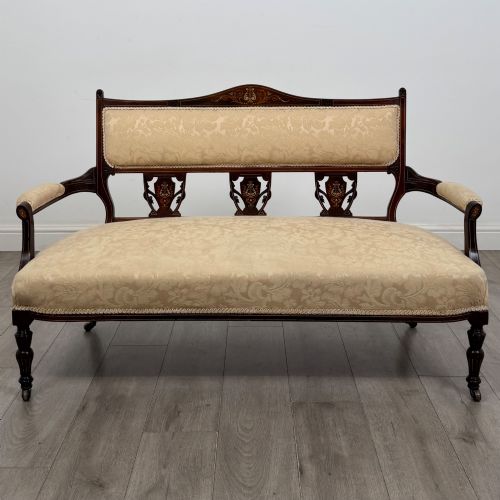
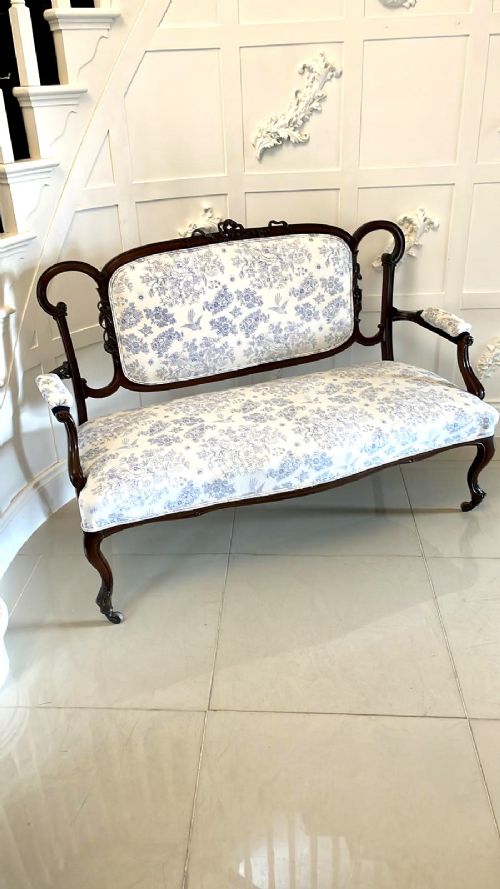
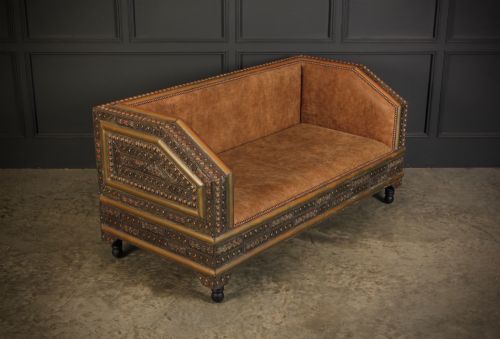
Antique X Frame Bench
An antique x frame bench combines classical form with supportive seating, offering a distinctive architectural presence in a room.
Antique X Frame Bench
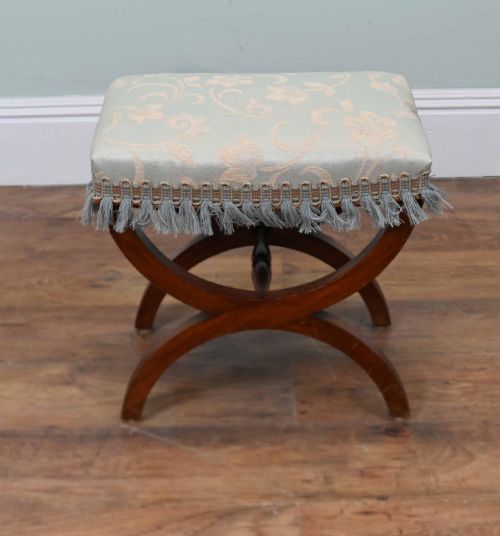
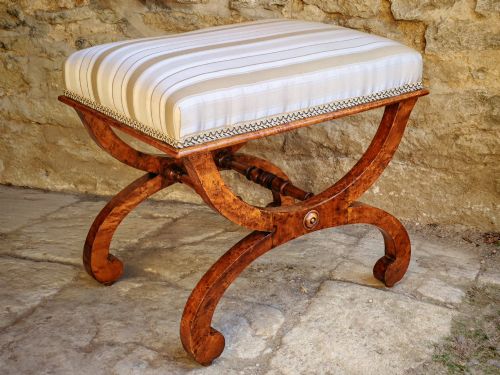
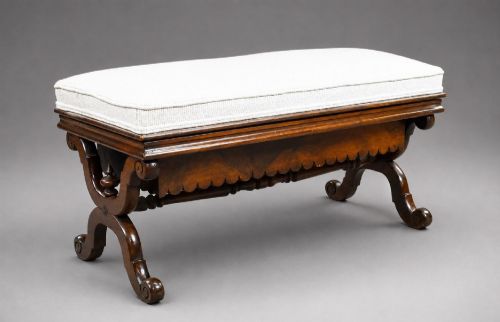
An antique x frame bench brings classical curule proportions and intersecting stretcher supports into domestic interiors. These seating forms appear across several periods, most notably in Regency, Victorian, and Edwardian iterations.
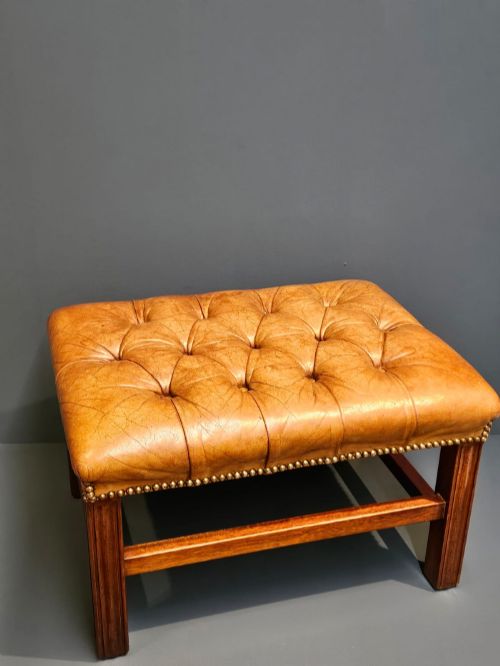
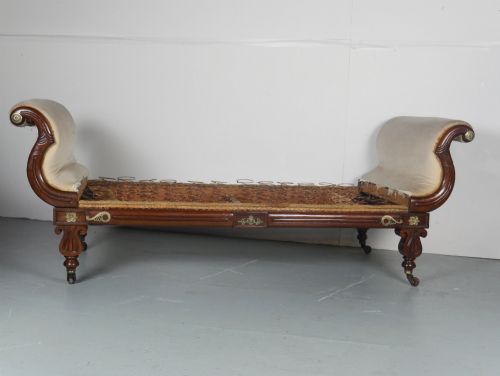
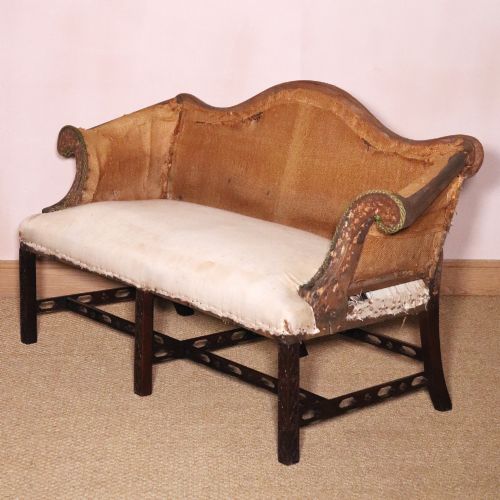
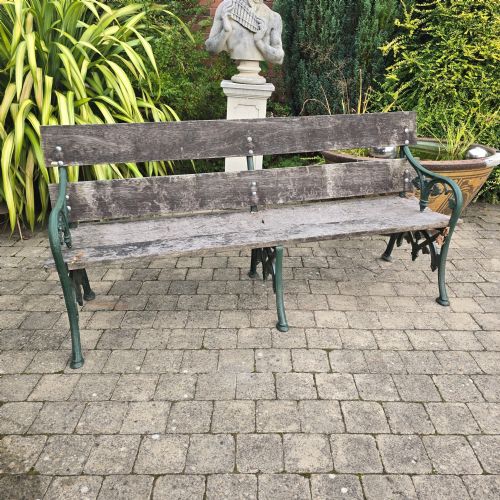
Buyers will encounter various incarnations ranging from low upholstered footstools to substantial window seats and long benches. Mahogany, rosewood, and walnut form the structural basis for these examples.
The intersecting stretcher design references ancient curule seats, adapting a historic military and consular form for domestic lounging. Many pieces combine carved wooden frames with patterned fabric or leather upholstery.
Materials and construction
Cabinet makers utilised dense hardwoods such as mahogany, rosewood, walnut, and oak to construct the intersecting cross frames. These timbers provide the structural strength required to support the dynamic tension of the x-form architecture.
Upholstery techniques involve traditional stuffing methods finished with fabric, leather, or damask secured to wooden rails. Decorative elements such as giltwood, gesso, and carved details enhance the primary timber frames.
Antique X Frame Bench Retail Price Guide 2026
Typical asking prices for x frame bench among the pieces listed under this phrase on Sellingantiques today, from the lower quarter to the upper quarter. They describe what is for sale here now, not the wider market.
Early makers occasionally hid extra padding inside the X-joints to keep weary Regency ankles from knocking against cold hardwood.
Evaluating craftsmanship
The rigidity and joinery of the intersecting frame determine the structural integrity of the piece over centuries of use. Superior examples display precise timber matching and crisp, hand-carved detailing along the cross members.
The quality of the upholstery foundation and the selection of primary timbers reflect the original commission tier. Finer pieces incorporate secondary woods and thoughtful proportions that maintain balance under load.
Howard & Sons·Miles & Edwards
The Antique X Frame Bench Glossary
- Curule
- An ancient Roman chair shape featuring two curved legs that cross to form an X. This classical silhouette informs the architecture of x frame benches.
- X-frame
- A structural furniture support formed by two diagonal members crossing in the centre. This configuration distributes weight efficiently while creating a distinctive visual profile.
- Window seat
- A long, upholstered bench designed specifically to fit within a window recess. These forms often feature armrests and decorative wooden framing.
- Giltwood
- Timber that has been coated with a thin layer of gold leaf or powder. This finish appears on Neoclassical and French-influenced seating frames.
- Damask
- A reversible figured fabric woven on a jacquard loom with patterns formed by contrasting warp and weft threads. It frequently serves as high-end upholstery for period stools.
Antique X Frame Bench: Frequently Asked Questions
Where should I place an x frame bench?
These benches suit narrow hallways, the foot of a bed, or positioned beneath a large window. Their low profile maintains open sightlines across a room.
Ensure adequate clearance around the intersecting base to prevent accidental collisions with the projecting legs.
How do I identify a Regency x frame bench?
Regency examples typically feature dark timbers such as mahogany or rosewood with classical Neoclassical motifs. Look for disciplined carving and precise geometric proportions.
Many incorporate leather upholstery or fluted leg details that echo ancient Roman and Greek precedents.
Can I reupholster an antique bench?
Reupholstering is common practice for refreshing worn textiles while preserving the underlying wooden frame. Traditional materials should be used to maintain historical accuracy.
Consult a specialist upholsterer who understands period tensioning and traditional stuffing techniques.
What is the difference between a stool and a bench?
Benches provide longer seating surfaces often designed for multiple occupants or specific architectural spaces like window bays. Stools offer compact, single-person seating.
Both forms utilise the intersecting x-frame architecture for structural support and visual interest.